
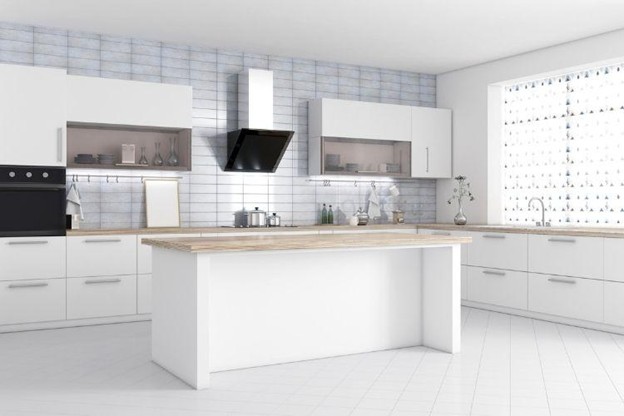
Image link: https://www.canva.com/photos/MADaE0RT6Kg/
In today’s competitive business environment, commercial interiors are no longer just about functionality—they are a direct extension of a brand’s identity. From hospitality venues to corporate offices and high-end retail stores, every design element plays a role in shaping customer perception and experience. Increasingly, businesses are moving beyond off-the-shelf solutions and investing in bespoke fixtures that serve not only a practical purpose but also act as visual statements.
This shift is not simply aesthetic. Custom-designed fixtures are emerging as a strategic investment, helping companies differentiate themselves, reinforce brand values, and even improve long-term operational efficiency.
The Evolution Of Commercial Interior Design
Historically, commercial interiors prioritized durability and cost-efficiency. Standardized furniture, fixtures, and equipment allowed businesses to scale quickly and maintain consistency across locations. However, as markets have become more saturated, differentiation has become essential.
Modern consumers and clients expect more than a transactional experience—they seek environments that feel intentional, immersive, and memorable. This expectation has pushed businesses to rethink their approach to design, moving toward spaces that tell a story.
Bespoke fixtures—custom sinks, handcrafted tables, tailored lighting, and statement range hoods—are increasingly at the center of this transformation. They allow businesses to break away from uniformity and create spaces that feel unique and curated.
Why Bespoke Fixtures Matter For Brand Identity
A company’s physical environment is often the first tangible interaction a customer has with its brand. Every design choice, from materials to finishes, communicates something about the business.
Custom fixtures offer an opportunity to align physical space with brand values. For example, a luxury hospitality brand may opt for handcrafted copper bathtubs or custom tables to convey exclusivity and craftsmanship. Meanwhile, a sustainability-focused company might invest in recycled materials or long-lasting metal fixtures that reflect environmental responsibility.
Unlike mass-produced items, bespoke pieces can be tailored to specific brand narratives. They become more than functional components—they become storytelling tools.
Creating Memorable Customer Experiences
Experience-driven design is now a key differentiator across industries. Restaurants, hotels, and retail spaces are increasingly designed to be “Instagrammable,” but the underlying goal goes deeper: to create lasting impressions.
Bespoke fixtures contribute significantly to this objective. A striking centerpiece—such as a custom firepit in an outdoor dining area or a uniquely textured range hood in an open kitchen—can become a focal point that guests remember and associate with the brand.
These elements also encourage dwell time. When customers feel engaged by their surroundings, they are more likely to stay longer, return, and recommend the business to others.
The Long-Term Value Of Customization
While bespoke fixtures often require a higher upfront investment, they can deliver strong long-term returns. High-quality materials such as copper, stainless steel, and solid hardwood are not only visually appealing but also highly durable.
This durability reduces the need for frequent replacements, lowering lifecycle costs. Additionally, custom fixtures are often designed with specific operational needs in mind, improving efficiency. For example, a restaurant kitchen with a tailored range hood and workstation layout can enhance workflow and reduce maintenance issues.
Businesses are also recognizing that unique interiors can command premium pricing. In sectors like hospitality and luxury retail, a well-designed space can justify higher rates and increase perceived value.
Sustainability As A Strategic Driver
Sustainability is no longer optional—it is a core consideration for modern businesses. Consumers and stakeholders alike are paying closer attention to how companies source materials and design their spaces.
Bespoke fixtures align well with sustainable practices. Custom pieces are typically made to order, reducing waste associated with mass production. They also tend to use higher-quality materials that last longer, minimizing environmental impact over time.
Metals like copper are particularly notable for their recyclability and longevity. Companies specializing in custom metalwork, such as those featured on platforms like worldcoppersmith.com, highlight how craftsmanship and sustainability can coexist in commercial design.
By investing in fixtures that are both durable and responsibly sourced, businesses can strengthen their sustainability credentials while enhancing their interiors.
Flexibility And Adaptability In Design
Another advantage of bespoke fixtures is their adaptability. Commercial spaces often need to evolve—whether due to changing customer expectations, rebranding efforts, or operational shifts.
Custom-designed elements can be created with flexibility in mind, allowing for modifications or integration with future design updates. This is particularly valuable for businesses planning long-term growth or expansion.
For example, modular custom tables or adaptable outdoor installations can be reconfigured as needs change. This level of flexibility is difficult to achieve with standardized products.
Supporting Craftsmanship And Local Economies
Investing in bespoke fixtures often means working with skilled artisans and specialized manufacturers. This not only results in higher-quality products but also supports craftsmanship and local economies.
In an era where authenticity is highly valued, showcasing handcrafted elements can enhance a brand’s credibility. Customers increasingly appreciate knowing that the spaces they inhabit are thoughtfully designed and constructed by experts.
This emphasis on craftsmanship also aligns with broader trends toward personalization and uniqueness—qualities that mass production cannot replicate.
Balancing Cost And Impact
One of the primary concerns businesses have about bespoke fixtures is cost. Custom pieces can be more expensive than off-the-shelf alternatives, particularly when using premium materials or intricate designs.
However, forward-thinking companies are reframing this expense as an investment rather than a cost. The impact of well-designed interiors extends beyond aesthetics—it influences customer behavior, brand perception, and ultimately revenue.
By prioritizing key areas—such as entry points, dining spaces, or high-visibility features—businesses can maximize the return on their investment without overextending budgets.
The Future Of Commercial Interiors
As businesses continue to compete on experience and identity, the role of bespoke fixtures is set to grow. Advances in design technology and manufacturing processes are making customization more accessible, allowing even mid-sized companies to explore tailored solutions.
At the same time, the emphasis on sustainability, durability, and brand storytelling will continue to drive demand for high-quality, custom-made elements.
Commercial interiors are no longer just backdrops—they are strategic assets. Companies that recognize this shift and invest accordingly will be better positioned to stand out in increasingly crowded markets.
Conclusion
The move from function to statement reflects a broader evolution in how businesses approach their physical spaces. Bespoke fixtures are no longer a luxury reserved for high-end brands; they are becoming a strategic tool for differentiation, sustainability, and long-term value.
By integrating custom-designed elements into their interiors, businesses can create environments that not only meet operational needs but also leave a lasting impression—turning everyday spaces into powerful expressions of brand identity.