
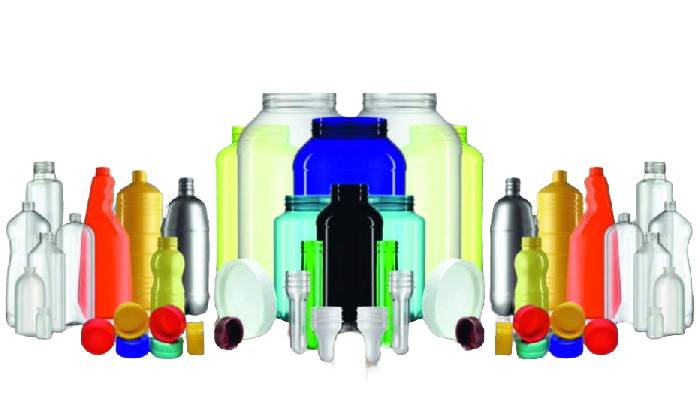
Bottle cap manufacturers in India are gaining popularity due to several key factors. The plastic caps and closures market is projected to grow significantly, with estimates ranging from USD 5.63 billion by 2025 to USD 3.0 billion by 2033. This growth is fueled by urbanization and consumer preferences for convenient packaging, especially in the food and beverage sector. Additionally, health-conscious consumers seek reliable bottled products, increasing demand for secure caps. Manufacturers are also innovating with customized designs and lightweight options that support sustainability efforts. Despite challenges like rising raw material costs, the focus on technology and eco-friendliness positions this industry for a bright future ahead.
1. Overview of India’s Bottle Cap Market Growth
The bottle cap manufacturer in India is experiencing significant growth, projected to reach around USD 5.63 billion by 2025, with a compound annual growth rate (CAGR) of 5.12% expected to push it to USD 7.23 billion by 2030. Another estimate suggests a market value of USD 1.9 billion in 2024, anticipating an increase to USD 3.0 billion by 2033, showcasing a robust CAGR of 4.89% during this period. This growth is primarily driven by an increase in demand for bottled beverages and pharmaceuticals, as consumers seek convenience and safety in packaging. Rising disposable incomes are further enhancing consumer spending on packaged goods, especially in emerging economies across India, which are witnessing a boom in the beverage sector. Additionally, the trend toward premiumization is affecting packaging choices, prompting manufacturers to innovate in cap designs. With expanding export opportunities for Indian manufacturers and the penetration of e-commerce reshaping distribution channels, the bottle cap industry is becoming increasingly competitive. Consumer preferences are evolving, demanding both aesthetic appeal and functionality in packaging, while supportive government policies for local manufacturing are providing a favorable environment for industry growth.

2. Consumer Trends Influencing Demand for Bottle Caps
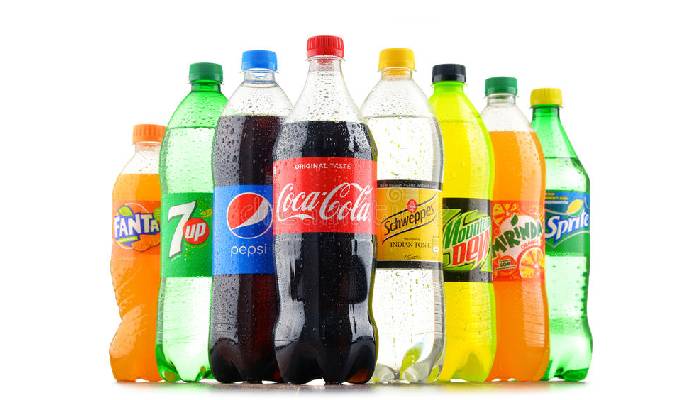
Urbanization is reshaping lifestyles, with more people seeking convenient packaging solutions for their fast-paced lives. As consumers become increasingly health-conscious, the preference for bottled products is rising, highlighting the need for reliable caps to ensure safety. Younger consumers especially are driving the demand for innovative and attractive designs, looking for packaging that stands out. Sustainability is also a key concern, influencing choices toward eco-friendly materials in cap production. This shift is evident as brands are adopting recyclable designs to appeal to environmentally aware shoppers. The trend towards on-the-go consumption is prompting a surge in demand for single-use caps, which are seen as practical for busy lifestyles. Social media plays a significant role in shaping preferences, with unique and customizable packaging gaining traction among consumers who value aesthetic appeal. Moreover, brand loyalty is increasingly linked to how well packaging performs and looks, making it a crucial factor for companies. As home delivery services for beverages grow, secure and efficient packaging becomes even more essential, meeting the expectations of a convenience-driven market. Cultural shifts towards quality and convenience continue to influence consumer choices, further driving the demand for innovative bottle caps.
- Urbanization is leading to a rise in demand for convenient packaging solutions.
- Health and hygiene awareness is motivating consumers to prefer bottled products.
- Younger consumers are driving trends towards innovative and attractive packaging.
- Sustainability is becoming a significant factor in purchase decisions, influencing cap designs.
- The popularity of on-the-go consumption is increasing demand for single-use caps.
- Social media influences consumer preferences for unique and customizable packaging.
- Brand loyalty is closely tied to packaging aesthetics and functionality.
- Increasing preference for eco-friendly products is shaping the expectations for cap materials.
- The rise in home delivery services for beverages is boosting demand for secure packaging.
- Cultural shifts towards convenience and quality are impacting consumer choices.
3. Innovations in Bottle Cap Design and Customization
Bottle cap manufacturers in India are increasingly focused on innovation and customization, allowing brands to carve out unique identities through their packaging. With expanding customization options, companies can now create caps that reflect their brand’s personality. Lightweight designs are also gaining traction, helping to reduce material use and production costs while aligning with sustainability goals.
Moreover, smart caps embedded with QR codes and NFC technology are becoming popular, providing a direct channel for consumer engagement. These features enable brands to offer promotions, product information, and even interactive experiences.
Innovative safety features, such as tamper-evident designs, are enhancing product integrity and consumer trust in bottled products. Additionally, user-friendly functionalities, like easy opening mechanisms, are being prioritized to improve the consumer experience.
Advanced printing technologies are allowing for high-quality graphics on caps, turning them into eye-catching marketing tools. Collaborations with brands for limited edition cap designs are also emerging, adding a unique touch to packaging. Furthermore, 3D printing is facilitating rapid prototyping of new cap designs, enabling manufacturers to bring creative ideas to life quickly.
Sustainability is at the forefront, with manufacturers exploring eco-friendly materials that meet consumer demands for visually appealing yet responsible products. Overall, these innovations are not only enhancing the functionality of bottle caps but also allowing brands to connect more deeply with their consumers.
4. Sustainability in Bottle Cap Manufacturing
Sustainability is becoming a critical focus in bottle cap manufacturing as regulatory pressures encourage companies to adopt eco-friendly practices. Many manufacturers are now implementing recycling initiatives aimed at minimizing plastic waste throughout their supply chains. For instance, some firms are exploring the use of biodegradable materials for cap production, which aligns with the growing consumer demand for sustainable products. Additionally, there’s a notable investment in research to create caps from post-consumer recycled plastics, further promoting a circular economy.
Collaboration with environmental organizations is also on the rise, increasing awareness and commitment to sustainable practices within the industry. This is essential as consumers are more inclined to choose eco-friendly products, which influences the design and materials used in cap manufacturing. Life cycle assessments are being conducted to evaluate the environmental impact of cap production, helping companies identify areas for improvement. Innovative designs that facilitate easier recycling are becoming standard, showcasing the industry’s shift toward sustainability.
To enhance brand credibility, many companies are seeking sustainability certifications, which signal their commitment to environmentally responsible practices. This trend is shaping the future of cap manufacturing, aligning with the broader movement toward sustainable packaging solutions. As the industry evolves, the focus on sustainable practices will likely continue to gain traction, driving growth and innovation.
5. Technological Advances in Cap Production
The bottle cap manufacturing sector in India is experiencing a significant transformation due to technological advances. Automation is making production lines more efficient, which helps in reducing costs and meeting the growing demand. For instance, automated machinery can operate continuously, allowing for higher output and consistent quality. The integration of IoT devices into these systems facilitates real-time monitoring, enabling manufacturers to quickly identify and address any issues that may arise during production.
Moreover, 3D printing is revolutionizing cap design by allowing for rapid prototyping and customization. This technology enables manufacturers to create unique cap designs tailored to specific brand needs, enhancing market appeal. Alongside this, artificial intelligence plays a crucial role in optimizing inventory management and production scheduling, ensuring that manufacturers can respond swiftly to changes in consumer demand.
Robotic systems are becoming more common in packaging and handling tasks, further increasing efficiency. These robots can manage repetitive tasks, which not only speeds up the process but also reduces the risk of human error. Additionally, data analytics provides valuable insights into consumer behavior, helping companies forecast demand and streamline operations accordingly.
Quality control technologies have also advanced, allowing for more precise monitoring of production processes. This ensures that each cap meets the required standards, enhancing brand reliability. Digital printing techniques offer enhanced customization options, enabling brands to create unique designs that stand out on shelves.
With a growing focus on sustainability, smart manufacturing practices are being adopted. This includes the development of eco-friendly materials and processes that minimize waste. Manufacturers are also investing in research and development to explore new materials that can further enhance the sustainability of their products.
6. Competitive Landscape of the Bottle Cap Industry
The competitive landscape of the bottle cap industry in India is evolving rapidly. Key players like AptarGroup, Bericap, and Berry Global are at the forefront, focusing on innovation to maintain their market positions. These companies engage in product differentiation, creating unique designs that help brands stand out. Strategic partnerships with beverage brands are common, allowing manufacturers to tailor solutions that meet specific needs. Meanwhile, a wave of startups is entering the market, introducing fresh ideas and driving innovation, which increases competition and pushes established players to adapt quickly.
Established firms are also expanding their product lines through acquisitions of smaller companies, aiming for a more extensive portfolio and enhanced efficiencies. This trend has led to increased regional competition, as local manufacturers emerge and challenge the dominance of larger players. Additionally, pricing strategies are becoming more aggressive, reflecting the intensified competition in the market.
Participation in trade fairs and expos is on the rise, providing manufacturers with platforms to showcase their latest innovations. Sustainability practices are becoming a critical differentiator, with many companies adopting eco-friendly materials and processes to attract environmentally conscious consumers. As the industry moves forward, consolidation trends are evident, with companies seeking to streamline operations and enhance competitiveness.
7. Challenges Encountered by Bottle Cap Manufacturers
Bottle cap manufacturers in India are facing several challenges that complicate their operations. Rising costs of raw materials, such as plastics and metals, are squeezing profit margins, making it harder for companies to maintain competitive pricing. Additionally, stringent regulations on plastic usage are creating compliance challenges, forcing manufacturers to adapt quickly to new laws aimed at reducing plastic waste.
The need for a skilled workforce is becoming increasingly critical, as many companies struggle to find qualified workers who can operate advanced machinery and understand new technologies. Effective recycling programs are lacking in many regions, complicating sustainability efforts and raising questions about the environmental impact of production processes.
Consumer expectations for eco-friendly products are also challenging traditional manufacturing methods, pushing companies to invest in sustainable alternatives, which can be costly and time-consuming. Supply chain disruptions, often caused by global events or local issues, impact the availability of materials and components, further complicating production schedules.
Market volatility adds another layer of difficulty, making it hard for manufacturers to predict demand accurately. Increased competition from alternative packaging solutions, such as metal or glass closures, can also threaten market share. Economic fluctuations affect consumer spending on packaged goods, influencing overall sales. To remain competitive, manufacturers must invest in technology to keep up with innovation trends, which requires significant financial resources and strategic planning.
8. Future Projections for Bottle Cap Demand in India
The future of bottle cap demand in India looks promising, primarily driven by the increasing consumption of packaged beverages, which is expected to rise significantly. With the growth of the pharmaceutical sector, the need for secure and reliable closures will also expand, as more products require effective packaging solutions. Changing dietary patterns, influenced by Western culture, are steering consumers towards convenient and portable packaging options, creating additional demand for innovative cap designs.
Moreover, sustainability will play a critical role in shaping product development. Consumers are becoming more environmentally conscious, pushing manufacturers to explore biodegradable and recyclable materials for caps. The rise of e-commerce will further influence packaging choices, requiring more versatile and visually appealing designs that cater to online shoppers. Regulatory changes aimed at reducing plastic waste will encourage the adoption of eco-friendly practices, compelling manufacturers to innovate.
Market research indicates a future shift towards personalized packaging solutions, as brands seek to engage consumers more effectively. The demand for safety features, such as tamper-evident closures, will continue to rise, ensuring product integrity. Innovations in lightweight materials will not only help reduce costs but also align with sustainability goals, making the future of bottle cap design both exciting and challenging.
Frequently Asked Questions
What factors are contributing to the rise of bottle cap manufacturers in India?
The rise of bottle cap manufacturers in India can be attributed to growing demand for beverages, increased production capacity, and advancements in manufacturing technology. Also, an emphasis on sustainable materials is playing a key role.
How are Indian manufacturers ensuring the quality of bottle caps?
Indian manufacturers are focusing on quality control measures, such as using advanced testing methods and adhering to international standards. This helps ensure that the bottle caps are robust and reliable.
What types of materials are commonly used in making bottle caps in India?
In India, bottle caps are typically made from materials like plastic, metal, and sometimes biodegradable options. Each material has its own set of benefits depending on the intended use.
Who are the main clients for bottle cap manufacturers in India?
The main clients for bottle cap manufacturers in India include beverage companies, pharmaceutical firms, and cosmetic brands. These sectors rely on high-quality caps for their products.
What challenges do bottle cap manufacturers in India face?
Bottle cap manufacturers in India face challenges such as competition from global players, fluctuations in raw material prices, and the need to adopt eco-friendly practices quickly.
TL;DR The bottle cap manufacturing industry in India is experiencing significant growth, projected to reach around USD 7.23 billion by 2030. Key factors driving this trend include urbanization, increased health consciousness, and a shift towards sustainable practices. Innovations in cap design and technology, along with rising competition, are enhancing product differentiation. However, manufacturers face challenges such as rising raw material costs and regulatory pressures. Overall, the industry’s focus on customization and sustainability positions it well for future expansion.