
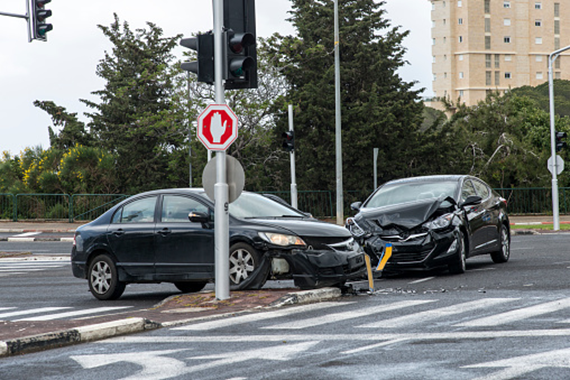
Certain intersections in Madison, Wisconsin, have higher crash rates because of heavy traffic, confusing layouts, speeding, and driver behavior. When many vehicles, bikes, and pedestrians meet in one place, the risk of accidents increases. Poor visibility and signal timing can also make collisions more likely.
In fast-growing cities like Madison, traffic patterns change quickly. Road designs that once worked well may no longer handle today’s traffic volume. That is why some areas are often labelled among the most dangerous road intersections in the city.
Understanding why crashes happen at specific intersections helps drivers stay alert and helps city planners improve safety.
Below, we break down the key reasons these intersections see more accidents and what can be done about it.
High Traffic Volume Creates More Conflict Points
The biggest reason certain intersections have higher crash rates is simple: more cars mean more risk. Madison is home to the University of Wisconsin–Madison, a growing downtown, and expanding suburbs. Major roads like East Washington Avenue, University Avenue, and Mineral Point Road carry thousands of vehicles every day.
When traffic volume increases, so do “conflict points.” A conflict point is where vehicles cross, merge, or turn across traffic. The more conflict points, the greater the chance of a mistake.
Busy intersections often involve:
- Multiple turn lanes
- Heavy left-turn traffic
- Pedestrian crossings
- Bicycle lanes
- Bus routes
When all of these mix together, even a small error can lead to a crash.
Complex Road Design and Lane Confusion
Another key factor is complicated road design. Some Madison intersections have multiple lanes, merging traffic, and unusual angles. Drivers may struggle to choose the correct lane or may change lanes suddenly.
For example, intersections where highways connect with city streets can feel overwhelming. Drivers who are unfamiliar with the area may hesitate, brake suddenly, or make unsafe turns.
In addition, unclear lane markings or faded paint can add confusion, especially at night or during rain or snow. When drivers are unsure about where to go, accidents are more likely to happen.
Speeding on Major Corridors
Speed plays a major role in crash severity. On wide, multi-lane roads like East Washington Avenue, drivers may feel comfortable driving above the speed limit. Higher speeds reduce reaction time and increase stopping distance.
When speeding vehicles approach intersections, the risk of rear-end crashes and side-impact collisions increases. Even if signals are working properly, speeding drivers may run red lights or fail to yield during turns.
As traffic increases in growing neighborhoods, roads designed decades ago may not match current safety needs. This mismatch can make intersections more dangerous.
Heavy Pedestrian and Bicycle Traffic
Madison is known for being bike-friendly and pedestrian-friendly. While this is a positive feature, it also adds complexity to intersections.
Intersections near the University of Wisconsin–Madison campus and downtown often have:
- Large numbers of students crossing streets
- Cyclists travelling in bike lanes
- Pedestrians using crosswalks at all hours
Drivers must watch for people in crosswalks while also managing vehicle traffic. If a driver is distracted or impatient, the risk of hitting a pedestrian or cyclist increases.
During winter months, snow and ice can make it even harder for drivers to stop safely at crosswalks.
Distracted and Aggressive Driving
Driver behavior is another major factor. Distracted driving, such as texting or using a GPS, reduces awareness. Even a few seconds of distraction can cause a crash at a busy intersection.
Aggressive driving also contributes to accidents. This includes:
- Running red lights
- Failing to yield
- Making unsafe left turns
- Tailgating
When drivers rush through yellow lights or try to “beat” traffic, the chances of a side-impact crash increase. These types of crashes are often serious because they happen at higher speeds.
Weather Conditions in Wisconsin
Madison experiences all four seasons, including harsh winters. Snow, ice, and freezing rain can make roads slippery and reduce visibility.
During winter storms, intersections become especially dangerous because:
- Vehicles take longer to stop.
- Lane markings may be hidden.
- Snowbanks block visibility.
Even experienced drivers can struggle during icy conditions. As a result, crash rates often increase during colder months.
Signal Timing and Traffic Flow Issues
Traffic signal timing can also affect crash rates. If signals are not timed properly, drivers may feel frustrated by long waits. This can lead to risky behavior, such as running red lights.
In addition, short yellow-light intervals may not give drivers enough time to stop safely. Poor coordination between nearby intersections can also create sudden backups, leading to rear-end collisions.
City planners regularly review crash data to adjust signal timing and improve safety, but changes take time.
What Can Be Done to Reduce Crashes?
Improving safety at high-risk intersections requires both engineering changes and responsible driving.
Possible solutions include:
- Better lighting
- Clearer lane markings
- Protected left-turn signals
- Speed enforcement
- Improved bike and pedestrian signals
- Roundabouts in place of traditional intersections
Key Takeaways
- High traffic volume increases conflict points and crash risk.
- Complex road designs and unclear lane markings cause confusion.
- Speeding on major corridors raises the severity of collisions.
- Heavy pedestrian and bicycle traffic adds to intersection risk.
- Distracted and aggressive driving are major crash factors.
- Winter weather in Madison makes intersections more dangerous.
- Safety improvements and careful driving can reduce accidents.