
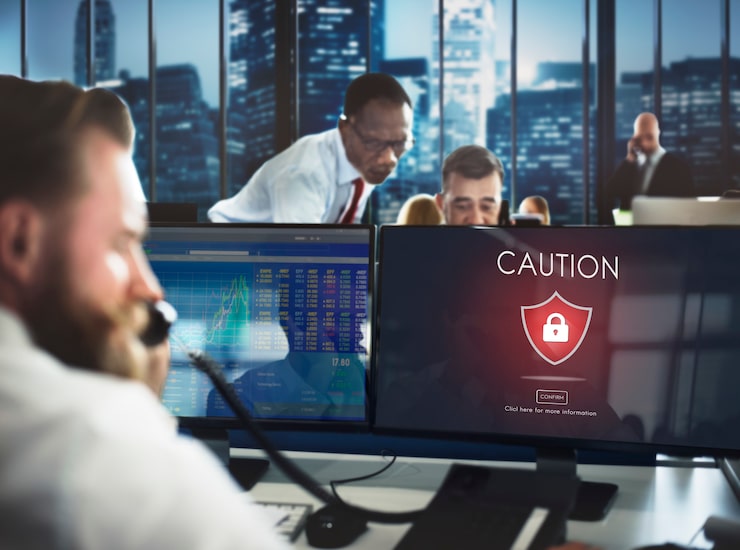
In today’s digitally driven business environment, organizations are constantly under threat from cyberattacks, data breaches, and other technological vulnerabilities. While advanced cybersecurity tools and protocols are essential, an increasing number of experts emphasize that effective cyber risk management is as much about people as it is about technology. Without the right human strategies, even the most sophisticated technological defenses can fail. For businesses looking to fortify their cybersecurity posture, Brigient cyber risk consulting services offer a comprehensive approach that integrates technology, processes, and, most importantly, people.
Understanding Cyber Risk Management
Cyber risk management is the process of identifying, assessing, and mitigating risks that could compromise an organization’s information systems. Traditional approaches often focus on deploying firewalls, encryption tools, and intrusion detection systems. While these technologies are critical, they address only one side of the equation. Human behavior—ranging from employee negligence to insider threats—plays a significant role in a company’s overall risk profile. A recent study showed that a majority of data breaches stem from human error rather than system vulnerabilities. This underscores the importance of adopting a people-centric approach to cyber risk management. Companies that overlook this dimension often invest heavily in technology but remain exposed to preventable risks.
Technology Alone Cannot Prevent Cyber Threats
Advanced tools such as firewalls, intrusion detection systems, antivirus software, and AI-powered threat analytics are indispensable for modern cybersecurity. However, relying solely on technology can create a false sense of security. Cybercriminals continuously adapt their tactics, exploiting not just software vulnerabilities but also human psychology. For example, even the most sophisticated email filter cannot stop a well-crafted spear-phishing attack that tricks an employee into sharing credentials. Similarly, encrypted systems can be compromised if users engage in unsafe practices, such as reusing passwords or storing sensitive information on unprotected devices. This reality underscores the need for a holistic approach that blends technological solutions with human-focused strategies. This is where specialized expertise like Brigient cyber risk consulting services becomes invaluable, offering guidance on both the technical and behavioral aspects of cybersecurity.

The Role of People in Cybersecurity
Humans interact with technology in countless ways, often serving as the first line of defense—and, unfortunately, the weakest link. Here’s why people matter in cyber risk management:
1. Employee Awareness and Training
Employees are frequently targeted by phishing attacks, social engineering, and other manipulative tactics. Training staff to recognize suspicious emails, avoid unsafe websites, and follow secure password practices can drastically reduce the likelihood of breaches. Effective training goes beyond annual seminars; it involves continuous awareness programs, simulations, and real-time updates on emerging threats.
2. Organizational Culture
A culture that prioritizes cybersecurity ensures that every team member understands their role in protecting sensitive data. When employees feel responsible and informed, they become proactive participants in security measures. Organizations that foster transparency, accountability, and communication around cybersecurity tend to experience fewer incidents of negligence or inadvertent exposure.
3. Leadership Involvement
Cyber risk management is not solely the responsibility of IT departments. Executive leadership must champion cybersecurity initiatives, allocate resources, and set policies that reinforce safe behavior. Leaders who understand the human aspect of cyber risk are better equipped to balance technological investments with programs that empower people to act responsibly.
The Benefits of a People-Centric Cybersecurity Strategy
1. Reduced Human Error
A people-focused approach mitigates risks stemming from accidental mistakes, such as misconfiguring systems, mishandling sensitive data, or falling victim to phishing attacks. Continuous training and awareness campaigns reinforce safe behavior and create a vigilant workforce.
2. Improved Incident Response
When employees understand cybersecurity protocols and reporting mechanisms, incidents can be detected and contained faster. A workforce trained to recognize warning signs and act quickly minimizes the impact of breaches and ensures business continuity.
3. Stronger Security Policies
Human-centric strategies inform better policy development. By understanding how people interact with technology, organizations can craft realistic, enforceable policies that integrate seamlessly into everyday operations, rather than imposing rigid rules that are ignored or circumvented.
4. Enhanced Trust and Reputation
Organizations that demonstrate a commitment to cybersecurity through both technology and human engagement build trust with clients, partners, and stakeholders. A company’s reputation can be significantly damaged by breaches, especially if they result from preventable human errors. Investing in people as part of cybersecurity efforts helps protect brand integrity.
How Brigient Cyber Risk Consulting Services Integrates People and Technology
Brigient cyber risk consulting services exemplify a modern, integrated approach to cybersecurity. Their methodology goes beyond deploying advanced technological solutions, focusing equally on organizational culture, employee behavior, and leadership involvement. Key aspects include:
- Comprehensive Risk Assessments: Brigient evaluates not only technical vulnerabilities but also human-related risks, identifying areas where staff behavior may expose the organization to threats.
- Tailored Training Programs: They design training sessions that are relevant, engaging, and practical, ensuring employees understand their role in cyber defense.
- Policy Development and Compliance: Brigient helps organizations establish clear, realistic policies that govern both technology usage and human practices, promoting accountability at all levels.
- Continuous Monitoring and Improvement: Recognizing that cyber threats evolve, Brigient emphasizes ongoing evaluation of both systems and human processes, adapting strategies to emerging risks.
Practical Steps for Organizations
Implementing a balanced cyber risk management strategy requires deliberate planning. Organizations can start by:
- Conducting a Human Risk Audit: Assess employee behavior, knowledge gaps, and potential vulnerabilities arising from human actions.
- Developing Continuous Training Programs: Move beyond one-time training sessions and implement ongoing educational initiatives.
- Promoting a Cybersecurity Culture: Encourage open communication, leadership involvement, and accountability across all departments.
- Integrating Technology with Human Processes: Ensure technological tools are aligned with human behaviors and workflows for maximum effectiveness.
- Partnering with Experts: Engage consulting services like Brigient to design and implement strategies that address both people and technology.
Conclusion
In today’s complex digital landscape, cyber risk management cannot rely solely on technology. Human factors—ranging from awareness and training to organizational culture and leadership—play an equally critical role in preventing breaches, mitigating risks, and ensuring business continuity. Organizations that overlook the human dimension may find themselves vulnerable, regardless of their technological sophistication. Conversely, those that embrace a people-centric approach, supported by advanced tools and expert guidance, can achieve a resilient and proactive cybersecurity posture. For businesses seeking to strengthen both the technical and human aspects of their cybersecurity, Brigient cyber risk consulting services offer a comprehensive, integrated solution. By combining cutting-edge technology with an emphasis on people, organizations can navigate the complex cyber landscape confidently, knowing they are prepared for both current and emerging threats.