
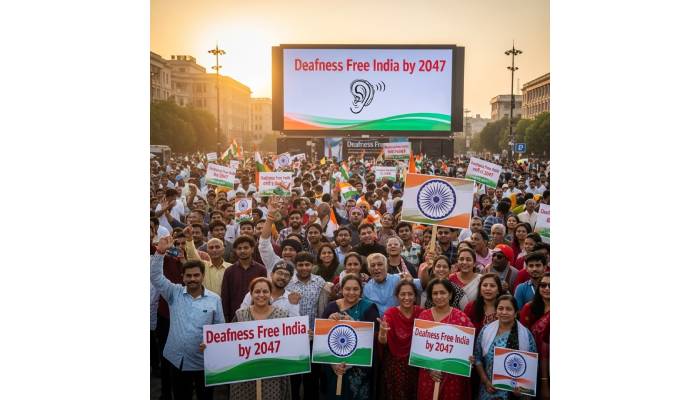
The movement for a Deafness Free India by 2047 is critical to address the staggering number of people suffering from hearing loss in the country. With over 75 million individuals impacted, its implications stretch across social, economic, and health dimensions. By 2025, we need to prioritize early detection and community education to combat this silent epidemic effectively. Many still view hearing loss as an inevitable part of aging, which delays necessary treatment and worsens outcomes. Addressing stigma around hearing aids is vital too. This initiative ultimately calls for collective responsibility from communities and policymakers to ensure better awareness and healthcare access for all.
Understanding the Deafness Free India 2047 Movement
The Deafness Free India 2047 movement is not just a lofty aspiration; it is a call to action aimed at eliminating preventable hearing loss across the nation. Currently, more than 75 million individuals in India live with untreated hearing loss, often facing social isolation and other challenges. This movement emphasizes the urgency of addressing this issue, especially as we approach 2025, a pivotal year for setting essential benchmarks and policies. Community involvement is critical, as raising awareness through education can empower individuals and families to recognize the signs of hearing loss and seek timely treatment.
Collaboration among healthcare providers, governments, and NGOs is vital in developing effective hearing health services. Integrating hearing health into broader health discussions ensures that it does not remain sidelined. As we share success stories of early detection and treatment, we can inspire others to prioritize hearing health. Additionally, breaking down the stigma surrounding the use of hearing aids fosters acceptance and encourages people to seek help. By partnering with educational institutions, we can cultivate a culture of awareness among the youth, ensuring that the future generation understands the importance of hearing health. The movement also highlights the need for research and funding to innovate solutions that can improve hearing care access and technology.
The Scope of Hearing Loss in India
Hearing loss is a widespread issue in India, affecting individuals across all age groups, from newborns to the elderly. With over 75 million people experiencing significant hearing impairment, India ranks among the highest globally in rates of hearing loss. Various factors contribute to this situation, including environmental influences, lack of access to healthcare, and social stigma related to hearing aids. Many individuals may not even realize they have hearing loss, leading to a troubling cycle of neglect and untreated conditions. This lack of awareness can result in severe consequences, such as social isolation and diminished quality of life.
In urban areas, challenges often revolve around noise pollution and limited access to healthcare services. Meanwhile, those in rural regions face different obstacles, such as a shortage of medical professionals and inadequate technology. Men are statistically more likely to experience hearing loss compared to women, raising concerns about occupational hazards and exposure to loud environments.
Hearing impairment significantly impacts economic productivity, increasing healthcare costs and limiting job opportunities for many. As we move toward 2025, it is crucial to recognize the importance of addressing hearing health, not only for individual well-being but also for the broader societal implications. Government and non-government organizations are beginning to take notice, emphasizing the urgent need for comprehensive strategies to combat this silent epidemic.
Challenges of Untreated Hearing Impairment
Untreated hearing impairment poses serious challenges that ripple through various aspects of life. Social isolation is a common consequence, as many individuals find it difficult to communicate effectively with friends and family. This lack of interaction can exacerbate feelings of loneliness and lead to mental health issues, including anxiety and depression. Economically, hearing loss creates a significant burden, with lost wages and rising healthcare costs impacting both individuals and society. For children, untreated hearing loss can hinder educational progress, affecting their ability to learn and develop effectively. Families often experience emotional strain, as they cope with the challenges that come with a loved one’s hearing difficulties. Healthcare systems are increasingly overwhelmed by the demand for early detection and treatment, yet access to affordable hearing aids and rehabilitation services remains a major barrier. Stigma surrounding hearing loss prevents many from seeking help or using necessary assistive devices. Furthermore, the shortage of trained professionals in hearing healthcare creates obstacles for effective diagnosis and treatment. Public awareness campaigns are crucial to educate communities about these risks and the importance of addressing untreated hearing loss. Without a concerted effort to tackle these challenges, the vision of a Deafness Free India by 2047 may remain out of reach.
Raising Awareness About Hearing Loss
Raising awareness about hearing loss is essential for fostering a culture that prioritizes hearing health. Awareness campaigns should target the public, educating them about the signs and symptoms of hearing loss. For instance, community events can serve as invaluable platforms where individuals share personal experiences, inspiring others to seek help. Social media also plays a significant role; by sharing information and reducing stigma, it can reach a broad audience effectively. Moreover, it’s crucial to provide educational materials in various languages to ensure that diverse populations are informed.
Partnerships with influencers and public figures can further amplify the message, drawing attention to hearing health issues that often go unnoticed. Schools can be instrumental in this effort, integrating hearing health education into their curricula, which can shape the understanding of students and their families. Workplaces too can implement hearing health programs, educating employees about prevention and treatment options.
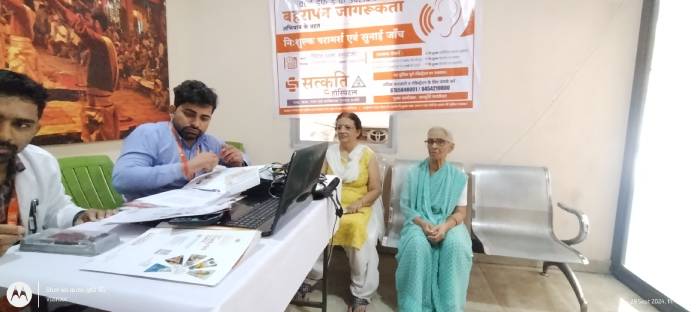
Local health fairs and community centers can offer free hearing screenings, creating opportunities for individuals to assess their hearing health without financial barriers. Utilizing mass media, such as television and radio, can enhance outreach efforts, ensuring that important information reaches even the most remote areas. Lastly, creating informative websites and online resources is vital for providing ongoing support, allowing individuals to access valuable information about hearing loss whenever they need it.
- Awareness campaigns should focus on educating the public about the signs and symptoms of hearing loss.
- Community events can provide platforms for individuals to share their experiences and encourage others to seek help.
- Social media can be a powerful tool for spreading information and reducing stigma associated with hearing loss.
- Educational materials should be made accessible in various languages to reach diverse populations.
- Partnerships with influencers and public figures can amplify the message and attract attention to hearing health issues.
- Schools can play a critical role in promoting hearing health education among students and families.
- Workplaces can implement hearing health programs to educate employees and provide resources for prevention and treatment.
- Local health fairs and community centers can serve as venues for free hearing screenings and consultations.
The Role of Early Detection in Hearing Health
Early detection of hearing loss is vital for effective intervention and management. Routine screenings for infants and children can help identify hearing issues before they escalate, allowing for timely treatment. Adults also need regular hearing check-ups to monitor any changes as they age. Educational programs can play a significant role in informing families about the importance of monitoring hearing health from a young age. Technology, such as mobile hearing tests, can increase accessibility to screenings, especially in underserved populations. Research shows that early intervention leads to better outcomes in communication and social integration. Collaboration between healthcare providers and schools can enhance early detection through regular assessments. Awareness of the signs of hearing loss enables families to seek help sooner rather than later. Training community health workers to conduct basic hearing screenings and refer individuals to specialists can further enhance access to care. Promoting the benefits of early detection through public awareness campaigns can encourage more people to participate in screenings.
Advocating for National Hearing Policies
India faces a critical gap in addressing hearing health due to the absence of a cohesive national policy. This lack of framework not only hampers access to care but also underscores the need for advocacy to establish comprehensive policies that address hearing health across the country. Engaging policymakers in conversations about the economic and social impacts of hearing loss is essential to drive meaningful change. Prioritizing funding for hearing health initiatives at both national and state levels can significantly improve access to necessary services, especially in underserved areas.
Furthermore, policies should include provisions for training healthcare professionals in hearing health and rehabilitation, ensuring that the workforce is equipped to meet the population’s needs. Legislation can play a key role in making screening and treatment accessible and affordable for all citizens, breaking down barriers that currently exist.
Public-private partnerships can enhance resources and improve the effectiveness of hearing health programs, allowing for a collaborative approach to tackling this issue. Additionally, awareness campaigns are vital in highlighting the need for policy changes while encouraging public involvement in advocacy efforts. Learning from international best practices can provide valuable insights for developing effective national hearing health policies in India. Finally, ongoing monitoring and evaluation of new policies will be essential to ensure that they are making a real impact on hearing health care in the country.
Community Engagement in Hearing Initiatives
Community engagement is crucial for the success of hearing health initiatives. When local people are involved, it fosters a sense of ownership and support that can significantly enhance the impact of these programs. Volunteers play a key role by raising awareness, organizing events, and assisting in various activities that promote hearing health. Collaborating with local NGOs can widen outreach efforts, ensuring that information and resources reach those who need them most. Educational institutions can also contribute by integrating hearing health topics into their curricula, educating students about the importance of hearing care from a young age.
Support groups offer vital platforms for individuals and families dealing with hearing loss, allowing them to share experiences and access resources. Training community health workers to promote hearing health and conduct screenings in their neighborhoods can lead to early detection and intervention. Engaging local businesses through sponsorships and partnerships can further increase resources available for these initiatives. Additionally, local media can help raise awareness by promoting events and sharing success stories, creating a more informed community around hearing health.
Public forums can facilitate open discussions about hearing health issues, encouraging community feedback and involvement. By creating a strong sense of community surrounding hearing health, lasting change can be achieved, ultimately providing better support for individuals affected by hearing loss.
Leveraging Technology for Hearing Health Solutions
Technological advancements have the potential to transform hearing health services and accessibility. Telehealth can connect people in remote areas with hearing health professionals, making expert care more reachable. Mobile apps can empower individuals to monitor their hearing health and access educational resources right from their smartphones. Innovative hearing aid technologies are becoming more affordable and user-friendly, encouraging more people to adopt them. Artificial intelligence is enhancing hearing aids, improving sound quality and allowing for personalized experiences tailored to the user’s needs. Online platforms can also offer tele-therapy and counseling for those facing challenges with hearing loss. It’s essential to support research and development in hearing health technology to foster innovation and accessibility. Community training programs can teach individuals how to use these technologies effectively, helping them take charge of their own care. Collaborations with tech companies can lead to breakthroughs that address specific hearing health challenges. Social media serves as a valuable tool to promote new technologies and share success stories, raising awareness and reducing stigma surrounding hearing health solutions.
The Path to a Deafness Free India by 2047
Achieving a Deafness Free India requires a multi-faceted approach that incorporates prevention, education, and treatment. Setting clear goals and benchmarks for hearing health initiatives is essential for tracking progress over the years. Collaboration with international organizations can provide valuable insights and resources to strengthen local efforts. Regular assessments of hearing health programs will ensure they are effective and meet community needs. Sustained public education campaigns are necessary to keep hearing health in the public consciousness, making it a priority for all. Investing in research is critical to understanding the evolving landscape of hearing health and developing innovative solutions. Involving diverse stakeholders, including communities, healthcare providers, and policymakers, is crucial for comprehensive action. Creating supportive environments for individuals with hearing loss will foster inclusivity and accessibility, allowing all voices to be heard. Monitoring and evaluating the impact of initiatives will help identify areas for improvement and ensure continued progress. The vision for 2047 can inspire current and future generations to advocate for hearing health and support affected individuals.
Frequently Asked Questions
What is Deafness Free India 2047 all about?
Deafness Free India 2047 is a goal aimed at eliminating preventable deafness in India by the year 2047, promoting awareness, early detection, and support for those affected.
Why should we care about Deafness Free India 2047 in 2025?
Caring about this initiative in 2025 is important because it sets the groundwork for achieving a future where people with hearing impairments have better access to resources and support.
What are the main challenges in achieving this goal by 2047?
The main challenges include raising awareness, improving healthcare infrastructure, and ensuring that necessary resources are available for early diagnosis and treatment.
How can communities help in making India deafness-free by 2047?
Communities can help by spreading awareness, supporting local health initiatives, and ensuring that inclusive practices are followed in education and workplaces.
What role does technology play in this vision?
Technology plays a crucial role by providing tools for early detection, education on hearing health, and innovative solutions that improve communication for individuals with hearing impairments.
TL;DR The Deafness Free India 2047 Movement aims to eliminate preventable hearing loss in India by 2047, addressing a significant issue affecting over 75 million people. The blog emphasizes the urgent need for awareness and action leading up to 2025, highlighting the prevalence of untreated hearing loss, the importance of early detection, and the role of advocacy for better policies. Engaging communities and leveraging technology are crucial for fostering proactive care and reducing stigma associated with hearing aids. Achieving this vision requires collective effort from individuals, communities, and policymakers to improve hearing health for all.