

Hospital kitchen fire suppression services are crucial for various reasons. First and foremost, these kitchens face a high risk of fires due to intense heat and flammable oils during meal preparation. Quick action from fire suppression systems can save lives, especially for patients with limited mobility. Additionally, these systems protect property by minimizing damage to kitchen equipment and food supplies. Compliance with regulations ensures hospitals avoid legal issues while maintaining necessary insurance coverage. Specialized equipment is designed to tackle grease fires effectively. Regular training and preparedness further enhance safety, providing peace of mind that everyone is ready in case of an emergency.
The High Risk of Fires in Hospital Kitchens
Hospital kitchen fire suppression service are a hotbed for fire risks, and it’s no surprise given the multitude of heat sources present. Ovens, stoves, and fryers operate at high temperatures, creating the perfect conditions for flammable materials to ignite. Cooking oils and fats, which are staples in meal preparation, can catch fire almost instantaneously if they reach their flash point. This risk is compounded by inadequate ventilation, which can lead to heat and smoke accumulation, further heightening the danger.
Moreover, old or malfunctioning cooking equipment can spark or fail, turning a busy kitchen into a potential disaster zone. Staff members, often multitasking during peak meal hours, may inadvertently overlook fire safety protocols, increasing the chances of a fire starting. The presence of flammable cleaning agents and materials adds another layer of risk if they are not stored properly.
Food waste and grease buildup, if not regularly cleaned from surfaces and vents, can further contribute to fire hazards. Electrical fires pose another significant threat, often resulting from overloaded circuits or faulty wiring in kitchen appliances. In a hospital setting, cooking-related fires can escalate swiftly, endangering not only kitchen staff but also patients in critical care areas nearby. Regular inspections and maintenance are vital to identifying and addressing these potential fire hazards before they turn into emergencies.
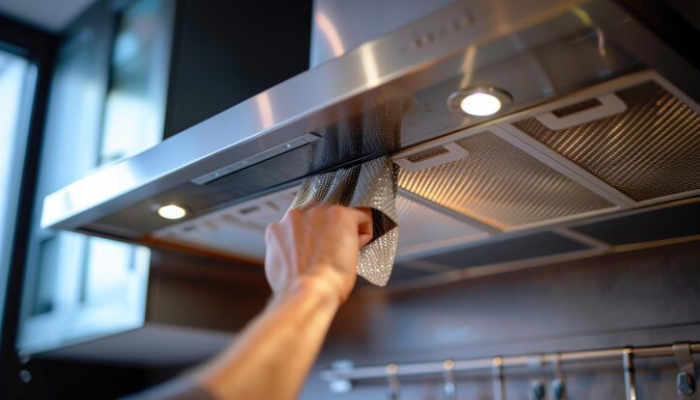
Protecting Lives with Fire Suppression Systems
Fire suppression systems play a crucial role in ensuring safety in hospital kitchens. These systems are designed to automatically activate when they detect heat or flames, providing an immediate response that can make all the difference in an emergency. By targeting specific areas, they offer protection exactly where it is needed most, quickly containing fires and preventing them from spreading, which is vital in a setting where patients may have limited mobility.
Incorporating these systems into kitchen design is a proactive step that ensures safety measures are built in from the start, rather than being added later. For instance, the use of specialized chemical agents effectively extinguishes grease fires, which are common in busy kitchens. This is particularly important in hospitals, where the presence of flammable materials, like oxygen tanks, can present unique challenges during a fire incident.
Moreover, these fire suppression systems can be linked to hospital alarms, facilitating quicker evacuation and allowing fire departments to respond faster. Regular testing and maintenance of these systems are essential to guarantee that they function properly when needed. When a fire does occur, having a reliable suppression system can operate without causing additional damage to food and equipment, preserving valuable hospital assets. Training staff on how to operate these systems ensures that everyone is prepared to respond efficiently, enhancing the overall safety of the hospital environment.
Fire suppression systems automatically activate when they detect heat or flames, providing immediate response to fires.
These systems can be designed to target specific areas, ensuring protection where it is needed most.
They can contain fires quickly, preventing them from spreading and endangering patients and staff.
Systems can be linked to hospital alarms, allowing for quicker evacuation and response by fire departments.
The use of chemical agents in suppression systems is effective in quickly extinguishing grease fires that are common in kitchens.
Incorporating fire suppression into kitchen design helps ensure that safety measures are built-in rather than added later.
Regular testing and maintenance of these systems ensure they function correctly when needed.
Fire suppression systems can operate without causing water damage to food and equipment, preserving hospital assets.
They can be integrated with other emergency systems for a comprehensive safety approach.
Training staff on the operation of these systems ensures efficient use during emergencies.
Minimizing Property Damage in Healthcare Settings
Effective fire suppression systems play a crucial role in minimizing property damage in hospital kitchens. By quickly extinguishing fires, these systems significantly reduce the extent of damage, which helps preserve valuable hospital property. For instance, when a fire is suppressed swiftly, the need for extensive repairs and associated costs can be minimized. Additionally, fire suppression systems protect expensive kitchen equipment and prevent food spoilage, saving the facility from costly replacements. A robust fire safety plan not only enhances safety but can also lower insurance premiums, reducing financial risks for the hospital. The use of fire-resistant materials in kitchen construction helps contain fires, further reducing damage. Regular inspections are essential as they help identify weak points in fire safety that could lead to greater property damage. Moreover, proper staff training ensures that everyone knows how to respond effectively during a fire, which further minimizes potential damage. Well-maintained fire suppression systems are vital for a quick recovery after a fire event, allowing the kitchen to resume operations promptly. Investing in advanced fire protection technologies not only enhances safety but also increases the overall value of healthcare facilities. Lastly, documenting past incidents and responses is key to refining strategies that minimize future property damage, making it an essential practice for continuous improvement.
Meeting Fire Safety Regulations
Compliance with fire safety regulations is not merely a legal requirement; it represents a moral obligation to safeguard lives, especially in a hospital setting where vulnerability runs high. Guidelines like NFPA 96 specifically address the unique challenges faced by commercial kitchens, ensuring that safety standards are not only met but exceeded. Regular audits and inspections are essential for hospitals to maintain compliance with both local and national fire codes, as failing to do so can result in hefty fines and increased liability in the event of a fire. Moreover, meticulous documentation of compliance efforts is crucial, serving as a protective measure for insurance and legal purposes.
Training staff on the latest regulations keeps everyone informed about their responsibilities in fire safety, fostering a culture of awareness and preparedness. Collaborating with local fire authorities enhances compliance and safety practices, creating a comprehensive approach to fire risk management. Staying updated on changes in fire safety regulations allows hospitals to swiftly adapt their protocols, ensuring they are always prepared. Specific requirements for fire suppression systems in kitchens are often included in these regulations, emphasizing the need for effective and specialized systems. Engaging with fire safety experts not only boosts compliance efforts but also offers valuable insights into best practices, reinforcing the commitment to maintaining a safe environment for patients and staff alike.
Specialized Fire Systems for Unique Risks
Hospital kitchens face unique challenges when it comes to fire safety, mainly due to the diverse cooking methods employed. This creates a need for specialized fire suppression systems that can effectively tackle specific risks. For instance, wet chemical suppression systems are particularly designed to combat grease fires, making them an essential part of any commercial kitchen setup. These systems not only target the flames but also minimize damage to kitchen equipment and food, ensuring that operations can quickly resume after an incident.
Moreover, the layout of a hospital kitchen can vary significantly from one facility to another, which necessitates a tailored approach to fire system installation. Fire suppression systems should provide comprehensive coverage for all cooking areas, including those that are often overlooked. Incorporating sensitive fire alarms and smoke detectors that are specifically designed for kitchen environments adds an extra layer of safety, alerting staff to potential dangers before they escalate.
In addition to these systems, automatic shut-off mechanisms for gas lines can prevent fuel supply during a fire, significantly reducing the risk of a catastrophic event. Regular evaluations of kitchen equipment are crucial for determining whether specialized fire systems need to be updated, especially as technology continues to evolve. Furthermore, integrating fire systems with HVAC controls can help manage smoke and heat distribution, limiting the impact of a fire on other areas of the hospital.
It is vital that fire suppression systems are designed to minimize disruption to hospital operations while maximizing safety. Emergency lighting and clear signage are key components that ensure everyone knows the escape routes during an emergency. Customizing fire suppression systems should always be done in collaboration with fire safety professionals, as they can address the unique risks associated with each hospital kitchen. This tailored approach not only enhances safety but also provides peace of mind for staff and patients alike.
Ensuring Operational Continuity After Fires
After a fire incident, the swift restoration of kitchen operations is vital for hospitals. Rapid response to fires can significantly minimize downtime, allowing kitchens to return to service quickly. With effective fire suppression systems, fires can be contained to a small area, limiting disruption to the entire hospital’s functions. Post-fire recovery plans should prioritize immediate assessments of kitchen equipment and safety systems to ensure everything is in working order.
Investing in fire-resistant materials can further speed up repair processes, enabling kitchens to get back to normal operations faster. Staff training on emergency procedures is also crucial, as it can facilitate quicker recovery and reduce panic during such incidents. Establishing relationships with repair services allows for expedited restoration of fire-damaged areas, ensuring minimal impact on hospital services.
Regular maintenance checks on fire systems are essential, as they help ensure that these systems will function correctly when needed, thus reducing potential downtime. Having a clear communication plan keeps all staff informed during a crisis, aiding in operational continuity. Additionally, having backup systems or equipment can help maintain service levels even after an incident. A strong safety culture within the hospital promotes readiness and resilience, making recovery smoother and quicker.
Importance of Staff Training and Preparedness
Regular fire safety training is crucial in hospital kitchens, where the stakes are high. Ensuring that all staff understand their specific roles during a fire emergency can make all the difference in a crisis. Conducting frequent fire drills helps familiarize staff with evacuation routes and emergency procedures, turning what could be panic into a well-coordinated response. Training should not only cover the operation of fire suppression systems and the correct use of fire extinguishers but also include education on identifying potential fire hazards in the kitchen environment.
Clear signage and accessible information about fire safety should be prominent in every kitchen area, reminding staff of best practices. Engaging staff in discussions about fire safety fosters a culture of vigilance and responsibility. To maintain effectiveness, training programs should be evaluated periodically, adapting them to new challenges or changes in procedures. New hires should receive immediate fire safety training as part of their onboarding process, ensuring that every team member is prepared from day one.
Involving staff in developing fire safety protocols enhances buy-in and compliance, making them more invested in the outcome. Collecting feedback from staff after drills and training sessions provides valuable insights that can refine and improve fire safety practices, making the kitchen a safer place for everyone.
Understanding Unique Healthcare Fire Risks
Hospitals are not just places of healing; they are complex environments with unique fire risks that demand thorough understanding and proactive measures. One of the main challenges stems from the presence of oxygen tanks, which can significantly amplify the intensity of a fire. Additionally, hospitals store various flammable medical supplies and cleaning materials, which can easily ignite if not handled or stored correctly. The electrical equipment necessary for patient care also poses a risk, as it can malfunction or overheat, potentially leading to electrical fires.
The layout of a hospital is another critical factor in fire safety. Areas like kitchens, patient rooms, and storage zones each have different vulnerabilities. For instance, kitchens are hotspots for fire incidents due to cooking equipment and flammable oils. Understanding these layouts allows safety teams to identify and fortify high-risk areas effectively.
With a high density of patients, evacuation plans must be particularly thoughtful, considering that many individuals may have mobility limitations or special needs. This adds another layer of complexity, making it essential to have clear, practiced protocols in place. Regular fire safety assessments should evaluate both kitchen areas and patient care zones to ensure comprehensive protection.
Collaboration with fire safety experts is invaluable, as their insights can reveal unique risks specific to healthcare settings. Training staff to recognize and address these risks is equally crucial. By documenting fire-related incidents and near-misses, hospitals can refine their safety protocols and training, ultimately enhancing overall safety for everyone involved.
Key Components of Fire Suppression Systems
Fire suppression systems in hospital kitchens are made up of several crucial components that work together to ensure safety and effectiveness. Heat detectors play a vital role by detecting fires early, enabling a rapid response that can save lives and minimize damage. Once a fire is detected, nozzles come into play, distributing fire suppression chemicals directly to the source of the flames, effectively tackling the fire before it spreads. To enhance quick action, manual pull stations are installed for staff to activate the system without delay in an emergency.
In addition to these active components, emergency shut-off mechanisms for gas and electricity are essential to prevent further hazards during a fire. Control panels provide real-time updates on the system’s status, alerting staff to any issues that may arise. Regular maintenance of these components is not just a good practice; it is essential for ensuring reliable performance.
Moreover, integrating fire suppression systems with fire alarms creates a cohesive safety net, ensuring that all systems communicate effectively. Backup power sources are also critical, keeping fire suppression systems operational even during power outages. It is important to note that these systems must be tailored to fit the specific needs of the hospital’s kitchen layout. Ongoing training for staff on how to operate these components ensures that they are prepared to act swiftly in case of a fire, enhancing overall safety in a high-risk environment.