
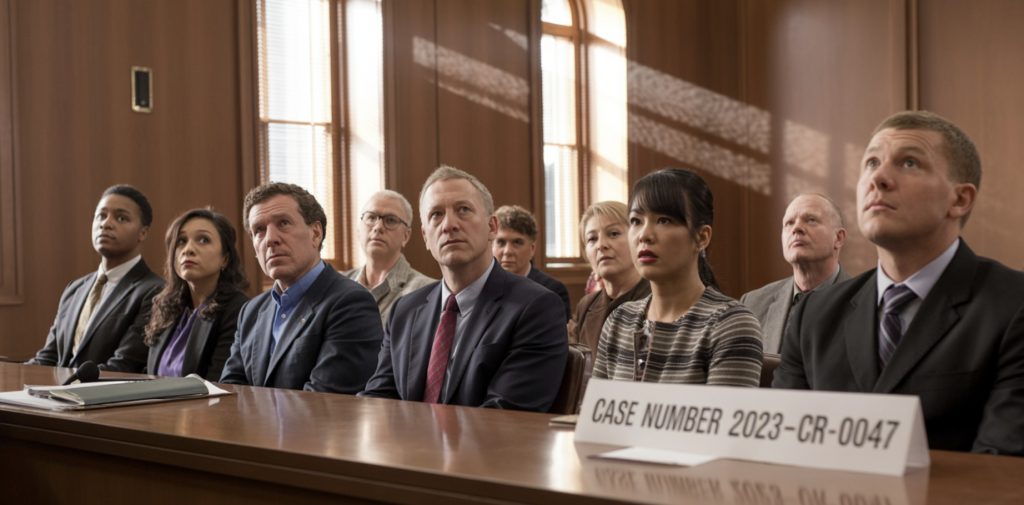
Most people truly dread the arrival of a summons in the mail. It feels like a major disruption to a busy schedule and an unwelcome obligation for the week ahead. It often arrives at the worst possible time for a family.
Many people immediately search online for how to get out of jury duty, hoping there is a simple form or excuse that will make the obligation disappear. Unfortunately, much of the advice circulating online is based on myths or outdated assumptions. Understanding how the process actually works is far more useful than relying on shortcuts that rarely succeed.
The legal system depends on the participation of regular citizens to function fairly. Without this collective effort, the scales of justice would tip away from community judgment and toward bureaucracy. Jury service is a foundational part of maintaining balance and accountability in the courts.
While some people look for loopholes immediately, the truth is that the law is quite firm on this obligation. Navigating jury duty requirements properly ensures transparency and fairness for everyone involved. It is an unavoidable part of civic life for most residents.
Selection Process
Screening starts long before anyone ever walks into a courthouse. Names are pulled from voter registration rolls and driver license databases to create a random pool of eligible residents. This ensures a broad mix of backgrounds for the court.
Once the summons arrives, the process moves into the voir dire phase. Lawyers and judges ask questions to identify potential biases that might interfere with a neutral look at the facts. It is a thorough and very necessary vetting process.
Being excused during this phase is not a reflection of character. It simply means a person might have a life experience that makes them unsuitable for a very specific case being tried. It is about finding the right fit for justice and truth.
Valid Excuses vs Myths
Many people believe that simply having a job is enough to skip the service. In reality, most employers are legally required to provide time off, even if they do not pay for it. The law protects your position at work.
Financial hardship is a common claim, but it usually requires significant proof of extreme distress. Simply being busy or having a vacation planned rarely meets the high bar set by the court system. You must show real struggle to get out.
Medical conditions must be documented by a doctor to be considered valid. Vague claims of stress or discomfort will not work when the judge is looking for a legitimate physical limitation to serve. You need a signed letter for the file today.
Consequences of Ignoring Summons
Tossing a summons into the trash is a very risky move that leads to serious trouble later. Courts track every single notice sent out and will eventually follow up on those who fail to show up. It is not something to ignore.
Ignoring the call can result in a warrant being issued for a bench arrest. While it might take some time, a routine traffic stop could turn into a trip to jail because of an ignored paper. This creates a very messy situation.
Heavy fines are also a standard penalty for those who skip out on their duty. Paying hundreds of dollars is a steep price for trying to avoid a few days of civic participation. It is much easier to just show up.
Why Courts Enforce Participation
Justice relies on a diverse group of people bringing their unique perspectives to a case. If only those who wanted to serve showed up, the jury would not be representative of the public. This diversity is the heart of a fair trial.
Enforcement ensures that the burden of service is shared equally across the entire population. It prevents the same few people from being called back repeatedly while others avoid the work entirely. Fairness requires everyone to take a turn in the box.
Consistency in enforcement maintains the integrity of the judicial process over the years. It sends a message that the law applies to everyone and that civic duties cannot be ignored without any cost. It keeps the entire system functioning for the community.
Conclusion
Serving on a jury is a fundamental part of living in a democratic society. It provides a rare chance to see the legal system up close and influence the outcome of a dispute. Most people find the process more interesting than they expected.
While it requires a sacrifice of time and energy, the rewards are found in a fairer system for all. Most people leave the experience with a deeper respect for how laws are actually applied in real life. It is an education in civics.
Preparing for the call ensures that the process is as smooth as possible for everyone. Respecting the rules helps keep the courts running and ensures that justice remains a reality for every single person. It is a duty worth doing.