
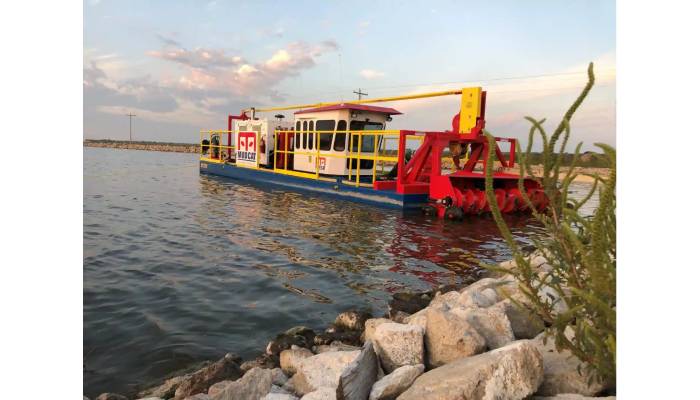
Lagoon dredging plays a vital role in maintaining healthy aquatic ecosystems and ensuring long-term sustainability for communities that rely on these water bodies. A lagoon dredge is not just a maintenance procedure—it’s an essential practice that supports water quality, biodiversity, flood prevention, and public health. Understanding why lagoon dredging is necessary, how it works, and its long-term benefits is critical for environmental managers, local governments, agricultural operations, and conservation groups alike.
This article explores the key reasons why lagoon dredging is essential for water quality, covering sediment accumulation, nutrient overload, water circulation, contaminant removal, and ecological restoration.
What Is Lagoon Dredging?
Lagoon dredge is the process of removing accumulated sediments, debris, and contaminants from the bottom of a lagoon to restore its depth, flow, and overall health. Over time, sediment, organic material, algae, and pollutants collect in lagoon bottoms due to natural processes and human activity. Without periodic dredging, these deposits can reduce water storage capacity, block circulation, and degrade water quality.
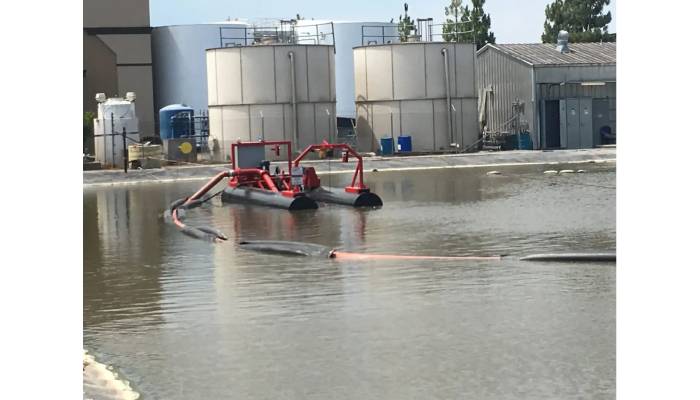
A lagoon dredge can range from small-scale equipment for local water bodies to industrial-scale machinery for large lagoons, depending on the depth, volume, and types of sediments being removed.

How Sediment Build-Up Affects Water Quality?
1. Reduced Water Depth and Capacity
Sediment accumulation decreases the depth of the lagoon, reducing its ability to hold water during rainfall or storm events. Shallow water bodies heat up faster, which leads to excessive algae blooms and increased evaporation rates. A well-maintained lagoon, cleared through dredging, retains its original capacity and provides essential flood control.
2. Increased Nutrient Concentration
Sediments are rich in nutrients such as nitrogen and phosphorus, which are released into the water column as organic matter decomposes. High concentrations of these nutrients promote the rapid growth of algae and aquatic weeds, resulting in eutrophication—a process that severely reduces dissolved oxygen levels. Oxygen-depleted waters can harm fish populations and disrupt aquatic ecosystems.
Dredging removes nutrient-laden sediments from the lagoon bottom, preventing these harmful cycles and improving oxygen levels for aquatic life.
3. Poor Water Circulation
Sediment build-up alters the natural flow of water, creating stagnant areas that encourage the accumulation of waste, bacteria, and invasive species. These stagnant pockets can become breeding grounds for mosquitoes and other pests, increasing the risk of disease transmission. Regular lagoon dredging ensures proper water movement, preventing stagnation and promoting a healthier aquatic environment.
4. Accumulation of Contaminants
In addition to nutrients, sediments can trap pollutants such as heavy metals, pesticides, hydrocarbons, and other harmful substances. Over time, these contaminants can pose significant risks to wildlife and humans who depend on the lagoon for recreation, irrigation, or drinking water supplies. Removing these sediments with a lagoon dredge reduces the concentration of pollutants and mitigates health hazards.
Environmental and Public Health Benefits
1. Restoring Aquatic Habitats
A healthy lagoon supports a diverse range of plant and animal life. Dredging removes harmful materials while restoring submerged habitats and native plant growth. By improving water clarity and oxygen levels, dredging encourages the return of fish, amphibians, and other aquatic organisms essential to the ecosystem.
2. Protecting Drinking Water Sources
Many communities rely on lagoons as part of their water supply or as buffers for groundwater recharge. Polluted or oxygen-depleted lagoons can compromise water safety and increase treatment costs. Regular sediment removal ensures that lagoons continue to function as effective natural filtration systems.
3. Preventing Algal Blooms and Fish Kills
Eutrophication is one of the primary causes of harmful algal blooms (HABs), which produce toxins that affect both humans and animals. These blooms thrive in nutrient-rich, stagnant water and can result in large-scale fish die-offs. Lagoon dredging helps control nutrient levels, minimizing the risk of HABs and protecting the aquatic food chain.
4. Reducing Flooding Risks
A sediment-clogged lagoon cannot efficiently store or convey water during heavy rainfall. By restoring its capacity and depth, dredging improves flood management and reduces the risk of property damage, erosion, and downstream water contamination.
The Process of Lagoon Dredging
1. Site Assessment
Before dredging, environmental experts conduct sediment sampling, water quality tests, and ecological assessments. These evaluations determine the types and concentrations of sediments, the presence of hazardous materials, and the potential impacts on wildlife.
2. Equipment Selection
The type of lagoon dredge used depends on the size and characteristics of the lagoon. Common options include:
- Cutter suction dredges for compacted material.
- Bucket dredges for small lagoons with mixed sediments.
- Hydraulic dredges for larger lagoons requiring high-efficiency removal.
The choice of equipment affects how efficiently sediments are removed and how minimal the disruption is to aquatic life.
3. Sediment Removal and Disposal
After dredging, sediments are either transported to disposal sites, treated for contaminant removal, or reused in beneficial ways such as land reclamation or habitat restoration. It’s essential that sediment disposal complies with environmental regulations to prevent further pollution.
4. Post-Dredging Monitoring
Water quality monitoring continues after dredging to ensure that nutrient levels, oxygen concentration, and biological diversity are improving. Long-term maintenance schedules are then developed to prevent future sediment build-up.
Economic and Community Implications
1. Cost Savings on Water Treatment
By removing sediments that contribute to water contamination, dredging reduces the need for expensive chemical treatments and filtration systems. Cleaner water is less costly to process and safer for consumption.
2. Supporting Agriculture and Fisheries
Irrigation systems and fisheries depend on clean, oxygenated water. Dredging enhances agricultural productivity and supports the livelihoods of fishing communities by improving water quality and habitat conditions.
3. Enhancing Recreation and Tourism
Healthy lagoons attract recreational activities such as boating, fishing, and bird watching. Dredging revitalizes these ecosystems, making them safer and more appealing destinations for local residents and visitors.
Challenges and Considerations
While lagoon dredging is beneficial, it must be conducted responsibly to avoid unintended harm. Key challenges include:
- Managing the disposal of contaminated sediments.
- Minimizing disruptions to wildlife during dredging operations.
- Addressing costs associated with equipment and long-term maintenance.
- Ensuring community engagement and transparent communication.
A well-planned dredging project integrates environmental science, engineering expertise, and local input to achieve sustainable outcomes.
Conclusion
A lagoon dredge is more than a mechanical tool—it’s a critical solution for safeguarding water quality, protecting ecosystems, and promoting public health. By removing sediment, controlling nutrient overload, improving water circulation, and mitigating pollutants, dredging ensures that lagoons remain vibrant, functional, and resilient.