
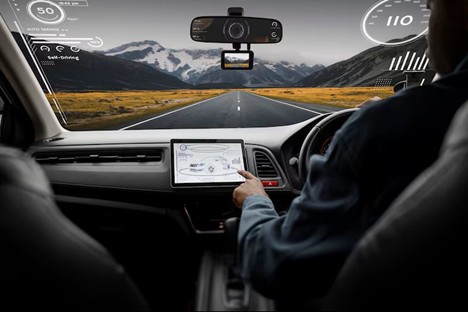
Self-driving technology means a car can handle parts of driving by itself using computing and sensors. It can steer, slow down, and sometimes change lanes without the driver doing much. Even with all that, it still is not something people should completely trust.
Driving in the real world is messy. Roads change, people rush, the weather flips from sun to heavy rain in minutes. This is why many people worry about the risks linked to self-driving cars and whether the systems behind them are ready for everyday life.
The technology behind self-driving cars is constantly improving, but mistakes still happen and human monitoring is still needed. This article looks at why self-driving technology, despite its progress and promise, still has serious limits that prevent it from being fully reliable on everyday roads.
Benefits of Self-Driving Technology
There are real upsides to this technology, which is why companies keep pushing it forward. Long highway trips can feel lighter when the car helps with speed and lane control. People with health or physical limitations may find driving easier.
Safety is another reason people are excited about self-driving technology. Around a million people die in road accidents around the world each year. With numbers like that, it makes sense that people hope automation could eventually reduce human errors.
There are everyday perks too. Smooth acceleration and steady speeds can save fuel. Less braking and jerking around also means less stress for the person sitting in the driver’s seat.
Dangers of Self-Driving Technology
Even with the benefits, there are a long list of concerns. The systems look great till something out of the ordinary happens. That is when the cracks start to show.
Limitations of sensors and cameras
Self-driving cars depend heavily on what they can see and detect. Cameras, radar, and other sensors are their “eyes.” Those eyes do not always work well.
Fog, heavy rain, dust, and harsh sunlight can blur everything. Faded lines on the road or new construction sites enroute make things worse. When vision drops, the car’s decision-making weakens too.
Cybersecurity risk
Self-driving cars are not just machines. They are also connected to an online network. Anything online faces the risk of being tampered with.
A bad actor could disrupt data or send bad signals. Even small interference could confuse the system. That possibility alone keeps many experts cautious.
Software errors and system failures
Behind every self-driving feature is a large block of code. Code can break. It happens on phones and laptops, and cars are no different.
A glitch in a moving car is not just annoying, it is dangerous. Updates sometimes fix one issue and create another. All of that shows how fragile complex software can be.
Difficulty reading human behavior
Humans drive with more than rules. They read faces, body language and emotions. Machines do not really get any of that.
A child may run into the road without warning. A cyclist might drift off-lane to avoid a pothole. Those quick human choices are tough for automated systems to predict in real time.
Continued need for human supervision
Despite the name, most self-driving features today are helpers, not replacements. They take some load off but they do not remove responsibility. The driver still has to pay attention.
Some crashes happen because people relax too much. They think the car will figure everything out. It won’t, at least not yet.
Navigating complex intersections
Intersections are one of the hardest scenarios to navigate for most drivers. Cars move in every direction, people cross the road, signals change quickly. A lot happens at once.
Humans rely on experience to handle this chaos. Self-driving systems rely on rules and patterns. When real life breaks those patterns, bad decisions can follow.
Final Thoughts
Self-driving technology is interesting and useful, but it is not something to rely on completely. It brings comfort, potential safety gains, and new tools, yet carries real risks and technical limits. For now, human attention still matters more than anything else behind the wheel.
Key Takeaways
- Self-driving tech has benefits but is not fully dependable
- Sensors and cameras fail in bad weather and confusing road layouts
- Software errors and system crashes can occur
- Machines struggle with predicting human behavior
- Human supervision is still needed
- Intersections can be especially challenging