
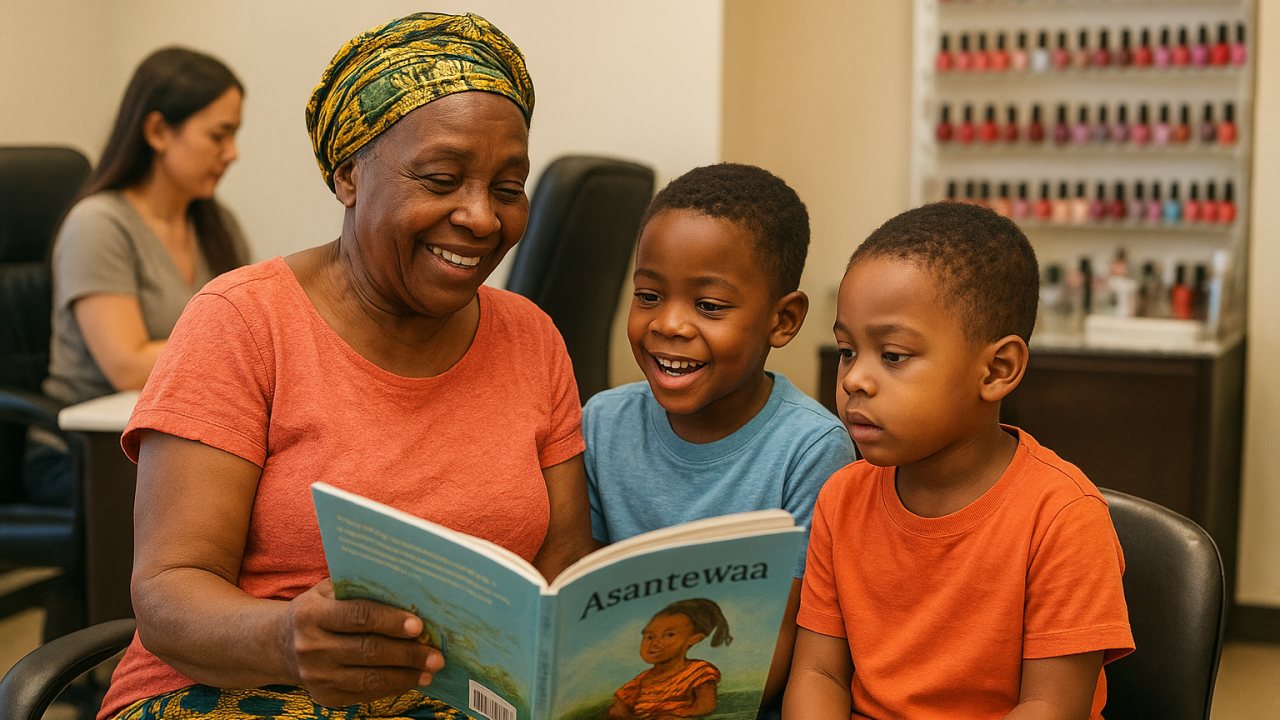
Storytelling may seem like something from the past in a world full of smartphones, streaming services, and instant content. But it is still one of the best ways to help a child develop their imagination, communication skills, and emotional intelligence.
Telling stories is not just for fun; it’s also for making connections, learning, and growing. Stories help kids make sense of the world around them, whether they are read, spoken, or shown on a screen.
The Power of Stories That Last
Before modern technology, stories were the main way that people passed down their knowledge, values, and culture from one generation to the next. Stories still play an important role in shaping young minds today.
When kids read or listen to stories, they:
- Improve your language and vocabulary skills
- Help them get better at paying attention and listening.
- You can learn empathy by getting to know different people and points of view.
- Increase your creativity and imagination
Reading stories helps kids learn about emotions and how to solve problems by letting them imagine situations they might not face in real life.
Combining Old and New Ways
Even though traditional books are still important, digital tools can also make stories more fun to read. The most important thing is to use technology as a tool, not a replacement.
Interactive story platforms and interesting pictures can make stories more interesting, especially for kids who don’t like to read. For example, parents can show their kids animated stories for kids, which are stories that have both narration and pictures to keep kids interested while still telling a good story.
This method can help close the gap between time spent on screens and learning.
Telling Stories Every Day
Consistency is one of the best ways to help someone love stories. Setting aside even 15 to 20 minutes a day to tell stories can make a big difference.
This is a great time to do it. It not only helps kids relax, but it also gives them a comforting routine they can look forward to. These small things you do every day can turn you into a lifelong reader and learner.
You don’t always need to buy a new book. Re-reading stories you like can be just as helpful because it helps you understand them better and gives you more confidence.
Getting People to Get Involved
When kids are involved in the story, it has an even bigger impact. Instead of just reading out loud, try to make it fun:
- Ask questions about the story.
- Let kids guess what will happen next.
- Tell them to come up with different endings.
- Act out scenes with each other
These activities make storytelling more interesting and memorable by making it a shared experience instead of a passive one.
Choosing the Right Content
It matters what kinds of stories kids read. Content that is appropriate for the age group, interesting, and meaningful can get people interested and keep them interested.
Short, interesting books are great for kids who are just starting to read or are younger. Collections like short stories for kids have a wide range of themes, from moral lessons to fun adventures, which makes it easier for parents to find something their child will enjoy.
Variety makes things more interesting and stops reading from getting boring.
Telling Stories Outside of Books
You don’t have to tell stories in books or on screens. It can be a part of daily life:
- Tell stories from your own childhood.
- Tell stories about things that have happened to you in real life.
- Make up stories while on vacation or with your family.
These unplanned times of storytelling are often very memorable because they are personal and one-of-a-kind.
They also make the emotional bond between parents and kids stronger, which makes them feel closer and more trusting.
Finding a Balance Between Story Time and Screen Time
Digital devices are a necessary part of life these days, but it’s important to find a balance. Too much time in front of a screen can make it harder to focus and be creative.
Parents can make sure their kids get both entertainment and developmental benefits by consciously replacing some of their screen time with storytelling.
It’s not about getting rid of screens; it’s about making choices that help you learn and grow.
The Long-Term Effect
Kids who read stories as kids often keep the benefits into adulthood. They are usually better at talking to people, more understanding, and more creative.
Storytelling is also a great way to set the stage for academic success because reading and understanding skills affect how well you do in all subjects.
Last Thoughts
Storytelling is still a simple but powerful way to connect, teach, and inspire in a world full of things that can take your attention away. Parents can encourage curiosity, creativity, and a love of learning that lasts a lifetime by including stories in their daily lives, whether through books, conversations, or digital formats.
The magic of stories isn’t just in the stories themselves, but also in the times you share them with others.