
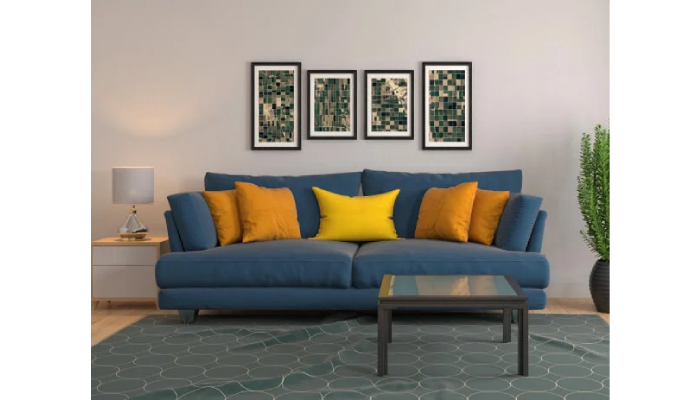
Used living room furniture has gained notable popularity in Washington, DC for several reasons. The high cost of living drives residents to seek affordable options, making second-hand finds appealing as they can often be much cheaper than new items. Many people in the area tend to move frequently due to military or job commitments, creating a fluid market where gently used furniture is readily available at low prices. Additionally, growing environmental awareness prompts many locals to buy second-hand as a way of promoting sustainability. Online platforms also make purchasing easy and diverse selection fosters unique home decor choices that resonate with younger generations seeking individuality in their spaces.
1. Economic Factors Driving Used Furniture Demand
The high cost of used living room furniture in Washington DC pushes many residents to look for affordable furniture options. Used furniture offers significant savings, often priced much lower than new items. For example, some people have shared their stories online about furnishing their homes with second-hand items that are practically new, showcasing the financial benefits of buying used. Local thrift stores and consignment shops provide budget-friendly choices, making it easier for residents to find what they need without overspending. Economic instability also plays a role, as more consumers are becoming price-conscious and seeking ways to save money. Discounts on gently used furniture can be as much as 70%, making it a smart choice for those looking to invest in quality without breaking the bank. With a growing emphasis on financial literacy, particularly among younger consumers, the trend towards purchasing used furniture only continues to rise.
- High cost of living in DC driving residents to seek affordable options.
- Used furniture often priced significantly lower than new counterparts.
- Many residents share experiences of furnishing homes on a budget with second-hand items.
- Local thrift stores and consignment shops offer budget-friendly options.
- Economic instability encourages consumers to save money by purchasing used furniture.
- Discounts on gently used items can reach up to 70%, making it a smart financial choice.
- Used furniture allows residents to furnish their homes without overspending.
- Economic shifts are causing consumers to be more price-conscious than ever.
- Financial literacy among younger consumers is increasing, emphasizing smart spending.
- Used furniture provides a way to invest in quality items without breaking the bank.
2. Transience of Residents and Furniture Turnover
Washington, DC is known for its ever-changing population, largely due to government jobs, military postings, and the influx of interns. This constant movement leads many residents to sell or give away their furniture instead of hauling it along to their next destination. As a result, a vibrant second-hand market thrives, where newcomers can find quality items at a fraction of retail prices. Short-term leases often mean that people are living in temporary arrangements, which only increases the rotation of furniture in the area.
Social media platforms and apps have made it easier than ever for residents to buy and sell used furniture quickly. Local Facebook groups are buzzing with listings, while apps streamline the process, allowing for fast and convenient transactions. Additionally, the presence of numerous universities in the city adds to the turnover cycle, as students frequently move in and out, often needing to offload furniture before graduation or during summer breaks.
With many residents keen to reduce moving costs, purchasing used items becomes a logical choice. Community events frequently spotlight available furniture, helping newcomers settle in with ease. This culture of transience not only encourages a steady supply of second-hand furniture but also fosters a sense of community, where sharing resources becomes a norm.
3. Environmental Consciousness and Sustainability
Residents of Washington, DC are increasingly mindful of their environmental impact, prompting a shift towards purchasing used living room furniture. By opting for second-hand items, consumers play a crucial role in reducing waste and limiting contributions to landfills, aligning with broader sustainability goals. This growing trend is fueled by awareness campaigns that highlight the benefits of responsible consumption, showcasing that many used pieces are not only functional but also in excellent condition. Local initiatives further promote second-hand shopping, emphasizing its positive effects on the environment. The rise of minimalism also reflects this desire for sustainable living, encouraging individuals to embrace simpler, eco-friendly lifestyles. Community workshops educate residents on making sustainable furnishing choices, making the case for second-hand purchases even stronger. Shoppers are motivated by the chance to reduce their carbon footprints while finding unique, quality items that tell a story. This collective consciousness around sustainability makes used furniture an appealing option for many in the capital.
4. The Rise of Online Resale Marketplaces
The emergence of online resale marketplaces has significantly changed the landscape for buying used living room furniture in Washington, DC. Platforms like Facebook Marketplace and OfferUp have made it easier for residents to buy and sell furniture from the comfort of their homes. With user-friendly apps, consumers can quickly browse a vast selection of items, filtering searches to match their preferences and budgets. This accessibility not only makes shopping more convenient but also expands the market, allowing sellers to reach a broader audience and increase their chances of making a sale.
Moreover, online reviews and ratings provide valuable insights into the quality of items, helping buyers make informed decisions. The ability to communicate easily with sellers streamlines the buying process, fostering a sense of trust and engagement within the community. Local sellers often list their items, which not only supports neighborhood connections but also encourages a culture of sharing resources.
Social media advertising further boosts the visibility of second-hand furniture listings, while features like virtual tours of items enhance buyer confidence before making a purchase. As a result, this dynamic online marketplace continues to thrive, attracting more consumers who appreciate the unique finds and affordability that used furniture offers.
5. Younger Generations Embracing Second-Hand Options
Millennials and Gen Z are increasingly leading the way in second-hand furniture purchases. These younger generations value unique and personalized home decor, often shunning mass-produced items in favor of distinctive finds that reflect their individual style. Platforms like Instagram and TikTok have become hotspots for showcasing trendy second-hand pieces, inspiring others to dive into the world of thrift shopping. This social media influence not only highlights creativity but also promotes sustainability, as many young consumers proudly share their second-hand treasures online.
Moreover, there’s a noticeable shift in values among these groups, emphasizing experiences over material possessions. This perspective makes used furniture more appealing, aligning with the minimalist lifestyles many adopt. The affordability of second-hand items also plays a crucial role, providing budget-conscious youth with accessible options. With the rising awareness of environmental issues, opting for used furniture resonates deeply, driving demand further. As peer influence grows, thrift shopping becomes more popular, turning into a shared experience that fosters community and creativity.
6. Aesthetic Appeal of Vintage and Unique Pieces
Many people in Washington, DC, are drawn to the character and history of vintage furniture. These unique pieces allow individuals to express their personal style and create eclectic living spaces that reflect their tastes. Interior designers often recommend combining vintage items with modern decor to achieve a stylish and harmonious look. The nostalgia associated with vintage items adds to their allure, making second-hand shopping a delightful experience for many. In thrift shops and online platforms, consumers can discover one-of-a-kind items that hold stories and charm, often featuring imperfections that enhance their appeal. This quest for distinctive pieces, coupled with the growing trend of DIY projects, encourages buyers to refurbish and personalize second-hand furniture, making it even more special. As vintage trends continue to dominate home decor, the desire for these unique finds only grows stronger, attracting design enthusiasts who appreciate the artistry and individuality that vintage furniture brings to their homes.
7. Growth Trends in the Used Furniture Market
The used furniture market is set to see significant growth, with projections suggesting a compound annual growth rate (CAGR) of 6.8% from 2024 to 2030. This growth is largely driven by increasing consumer demand for affordable and sustainable options. As more people become aware of environmental issues, many are opting for used furniture as a way to reduce waste and lessen their impact on the planet. Economic factors also play a role, with inflation pushing individuals to seek budget-friendly solutions. In urban areas like Washington, DC, where the cost of living is high, the demand for second-hand furniture is on the rise. The global second-hand furniture market is expected to reach USD 56.66 billion by 2030, indicating a robust shift towards more mindful consumer behavior. Additionally, the market is diversifying with niche online resale platforms gaining popularity, making it easier for consumers to find unique pieces at lower prices. Collaborations between established brands and second-hand platforms are also becoming more common, further enhancing the appeal of used furniture. As quality improves, research shows that consumers are more willing to purchase used items, and the trend toward minimalism and sustainability continues to fuel this growth.
8. Community Engagement and Resource Sharing
In Washington, DC, community engagement plays a crucial role in the popularity of used living room furniture. Local residents often connect through community groups that promote furniture sharing and selling. These initiatives not only help neighbors reduce waste but also strengthen community bonds. Social media platforms, such as Facebook, have become hubs for furniture exchanges, where residents can give or receive items, fostering a sense of camaraderie among neighbors.
Community events often emphasize the importance of sustainability and resource sharing, showcasing how these practices can bring people together. Many residents share positive experiences of giving away or receiving furniture, which reinforces supportive neighborhoods where residents help each other move or furnish their homes. Local charities benefit greatly from furniture donations, enhancing community involvement and ensuring that useful items find new homes.
Workshops in the community teach residents how to upcycle and repurpose furniture, further encouraging a culture of resourcefulness. This engagement not only builds connections among residents but also creates a sense of belonging. Neighborhoods with a strong sharing culture tend to see an increase in second-hand furniture transactions, making used living room furniture a popular choice.
9. Diverse Selection of Styles in DC
Washington, DC is a treasure trove for those seeking used living room furniture, offering a remarkable array of styles that cater to a variety of tastes. Local shops curate collections that capture the city’s unique character, showcasing pieces that reflect its vibrant neighborhoods. This diversity means shoppers can find everything from sleek modern designs to charming vintage items, appealing to a broad audience. Vintage shops often feature furniture from different eras, allowing for a delightful mix of styles that enhance any living space. Thrift stores also keep things fresh with their rotating inventory, making each visit a new adventure.
Moreover, local artisans contribute to the scene by upcycling furniture, giving old pieces new life with unique designs. This creative approach not only supports sustainability but also adds a personal touch to home décor. Many residents enjoy the thrill of hunting for that perfect piece, and the community often celebrates these diverse offerings through local events, fostering a spirit of connection among shoppers. Whether someone is after modern minimalist aesthetics or an eclectic bohemian vibe, the second-hand market in DC provides an endless source of inspiration for creating a stylish and individualized living room.
10. Cost-Effectiveness of Used Living Room Furniture
Used living room furniture is popular in Washington DC largely due to its cost-effectiveness. Many residents are drawn to the significant savings that come with purchasing second-hand items. In a city known for its high cost of living, the affordability of used furniture can be a game changer. For instance, some shoppers report being able to furnish entire homes for a fraction of retail prices, which allows them to allocate funds toward other expenses like rent or utilities.
Moreover, buying used furniture often enables consumers to invest in quality pieces without overspending. With many platforms catering specifically to budget-conscious shoppers, it’s easier than ever to find great deals on gently used items. Some shoppers have noted savings of up to 70%, which is hard to resist.
Another appealing aspect is the nature of transactions in the used furniture market. Many buyers have the opportunity to negotiate prices, which can lead to even lower costs. This flexibility makes it possible for consumers to stretch their budgets further, allowing them to invest in additional decor or even save for future expenses.
In essence, the financial benefits of shopping second-hand not only make it appealing but also encourage more residents to actively participate in the market, creating a vibrant community of savvy shoppers.