
Getting your driver’s licence in Singapore is a major milestone. But along with the freedom to drive comes a harsh reality — your first car insurance premium can feel shockingly expensive. If you’re newly licensed, this isn’t a penalty. It’s a risk assessment.
Insurers classify new drivers as high-risk due to a lack of driving history and zero No-Claim Discount (NCD). But that doesn’t mean you’re stuck with sky-high premiums forever. Understanding how insurers calculate your rates is the first step to reducing them over time.
Here’s what you need to know — and do — to take control of your premium.
Why Are Premiums Higher for New Drivers?
1. You Have No Driving History
Insurers rely on your past driving behaviour to assess how likely you are to make a claim. If you’ve just started driving, you don’t have that track record yet. That uncertainty leads insurers to assume the worst — that you’re more likely to cause accidents, and therefore, cost them money.
2. You’re in a High-Risk Age Group
Drivers under 25 often pay more, not because of age discrimination, but because data shows younger motorists are statistically more likely to be involved in road accidents. If you’re under 25 and newly licensed, you’re effectively flagged twice.
3. You Drive an Expensive or High-Capacity Car
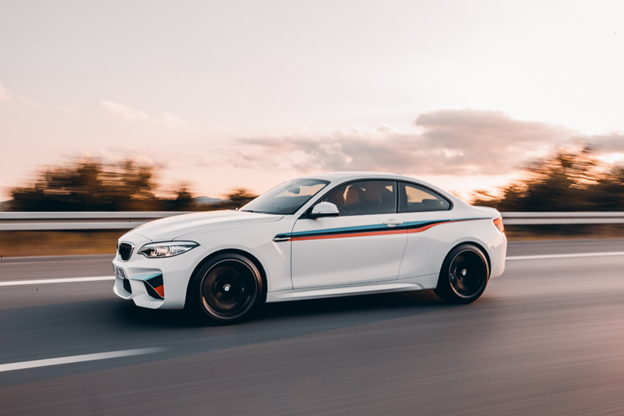
New or luxury vehicles cost more to insure — repairs and replacements are pricier. Sportier cars or those with larger engines may also be flagged for more aggressive driving tendencies. Even if you drive responsibly, your vehicle choice influences your premium.
4. Your Coverage Type Matters
There are three basic types of car insurance in Singapore:
- Third-Party Only (TPO)
- Third-Party, Fire and Theft (TPFT)
- Comprehensive
Comprehensive insurance offers the most protection, but it also incurs the highest costs. It covers personal injuries, damages to your own vehicle, and more. For new drivers, comprehensive coverage is often required by lenders or insurers — another reason your starting premium is high.
What Is the No-Claim Discount (NCD) and Why It’s Crucial
The NCD is one of the few tools available to significantly reduce your premium. Every year you drive without making a claim, your insurer rewards you with a discount — typically 10% per year, up to a maximum of 50% after five years.
But here’s the catch: one at-fault accident can slash your NCD dramatically. Worse, if you make multiple claims, your NCD can be reset to zero. That’s why it’s critical to drive cautiously and avoid making minor claims where the cost of repairs is lower than your NCD loss.
Some insurers offer NCD Protectors — a paid add-on that lets you make one claim per policy year without losing your NCD. While not all insurers offer this, and it’s not usually transferable, it’s worth considering once your NCD starts accumulating.
5 Practical Ways to Lower Your Premium

There’s no magic bullet — but a few smart decisions can help reduce your insurance costs over time.
1. Choose a Low-Risk Car
Avoid flashy, high-powered cars. Instead, opt for common models with good safety records and modest engine capacities (1.5L or lower). These cars are not only more economical to run, but also cheaper to insure.
2. Increase Your Policy Excess
The excess is the amount you’ll pay out of pocket before your insurance kicks in. By increasing your excess, you signal to the insurer that you’re less likely to claim for small damages — and your premium may drop as a result. But be careful — set it too high, and you may regret it if you do need to claim.
3. Complete a Defensive Driving Course
Some insurers reward drivers who complete recognised driving safety courses. These programmes show that you’re serious about road safety and can lead to discounts. They also equip you with useful techniques to avoid common accidents.
4. Compare Insurers and Ask Questions
Every insurer assesses risk slightly differently. Some may have packages tailored for new drivers, with more lenient starting premiums or faster NCD progression. Always compare quotes and don’t hesitate to ask what factors influenced your premium.
5. Drive Less or Off-Peak
If you don’t need your car daily, ask about usage-based policies or off-peak car schemes. Insurers sometimes offer reduced rates if you drive fewer kilometres per year or only during specific hours.
Frequently Asked Questions
Do I need comprehensive insurance as a new driver?
Yes, in most cases. Lenders usually require it if your car is financed. Even if they don’t, comprehensive coverage offers critical protection when you’re least experienced on the road.
How long until I see lower premiums?
Premiums usually start dropping after your first year of claim-free driving. You’ll see the biggest impact once you hit the 30%–40% NCD tier — typically after 3 to 4 years.
Is it worth claiming for minor damage?
Not always. If the repair cost is less than the NCD you’ll lose, it may be better to pay out of pocket. Always do the math.
Final Thoughts
Your first car insurance premium might feel like a penalty — but it’s really a reflection of uncertainty. As a new driver, you’re starting with no proof of responsibility on the road. But every day you drive safely is a step toward reducing those costs.
Choose a sensible vehicle. Be cautious with your claims. And above all, understand that your car insurance isn’t just a legal necessity — it’s a financial tool you can optimise.
With patience and strategy, the high premium you’re paying today can become more manageable tomorrow.