
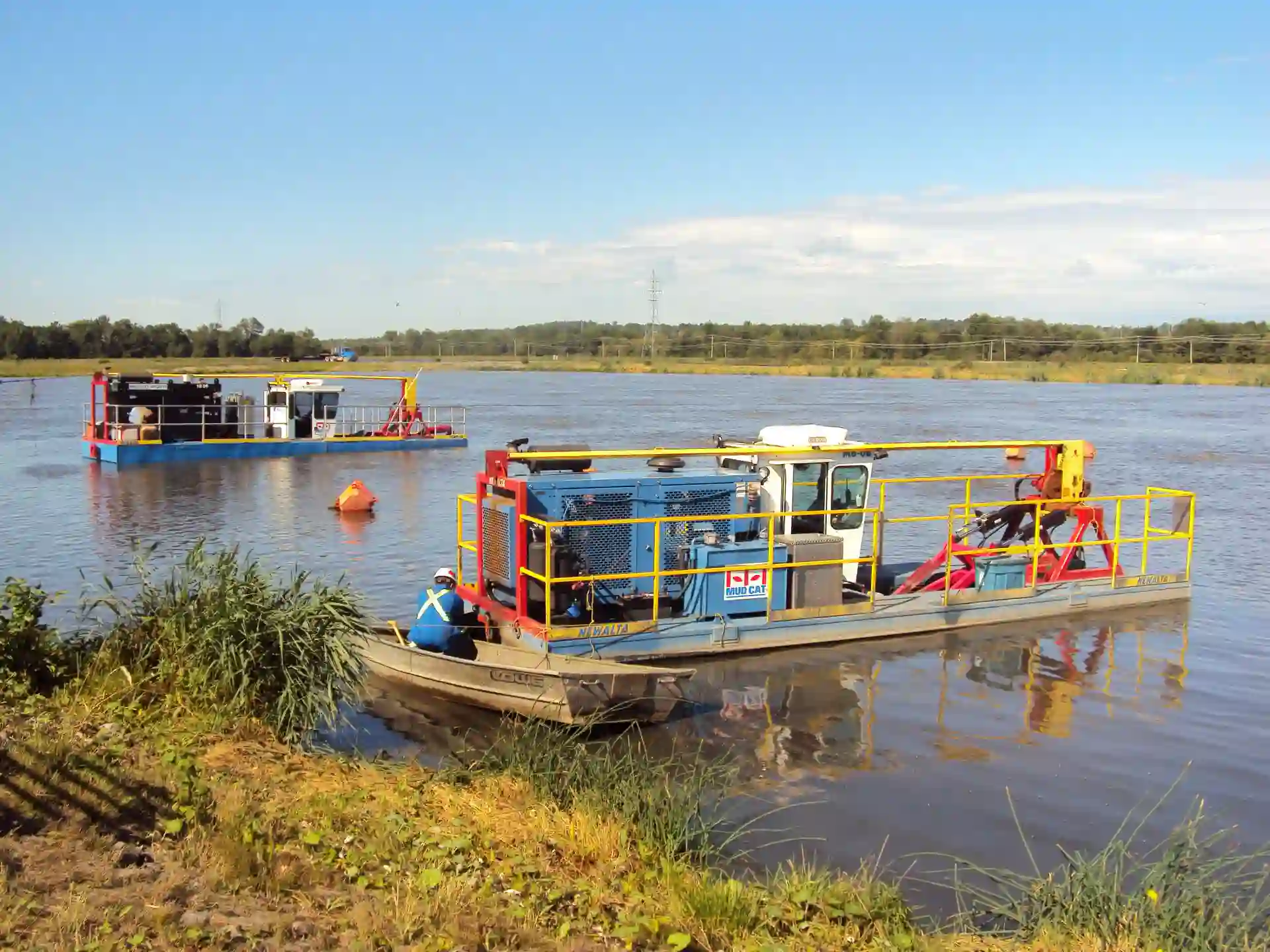
Wastewater treatment plants rely on properly maintained lagoons and settling ponds to operate efficiently and meet regulatory requirements. WWTP dredge equipment provides the specialized solution needed to remove accumulated sludge and sediment without disrupting treatment operations. This comprehensive guide explores everything you need to know about WWTP dredging and how it keeps your treatment facility running at peak performance.
What Is A WWTP Dredge?
A WWTP dredge is a specialized dredging system designed specifically for wastewater treatment plant applications including lagoons, settling ponds, equalization basins, and treatment cells. These dredges remove accumulated biosolids, sludge, and sediment that build up over time, reducing treatment capacity and compromising system efficiency. Unlike standard dredges, WWTP dredges handle thick, viscous materials with high solids content while minimizing operational disruptions.
WWTP dredges typically feature enhanced pump capabilities designed to handle dense sludge mixtures with solids concentrations ranging from 5 to 30 percent or higher. The equipment must withstand corrosive environments and potentially hazardous materials present in wastewater applications. Many systems include remote monitoring capabilities allowing plant operators to track production rates, density readings, and equipment performance in real-time. Portable designs enable movement between multiple treatment cells without extensive disassembly, maximizing flexibility for facility maintenance schedules.
Why Your Facility Needs A WWTP Dredge?
Wastewater treatment plants experience continuous sludge accumulation that gradually reduces effective volume and treatment capacity over time. Without regular dredging, facilities face decreased retention times, reduced treatment efficiency, and potential regulatory compliance issues. A dedicated WWTP dredge provides cost-effective maintenance that extends facility lifespan and prevents expensive emergency interventions.
Regular dredging maintains design capacity ensuring your plant can handle peak flows during storm events or population growth periods. Removing settled solids improves overall treatment performance by preventing anaerobic conditions that create odor problems and release trapped nutrients back into the water column. Proactive sludge management reduces the risk of system upsets that could result in permit violations and costly fines. Investing in wastewater dredging solutions demonstrates commitment to operational excellence and environmental stewardship.
How Does A WWTP Dredge Operate?
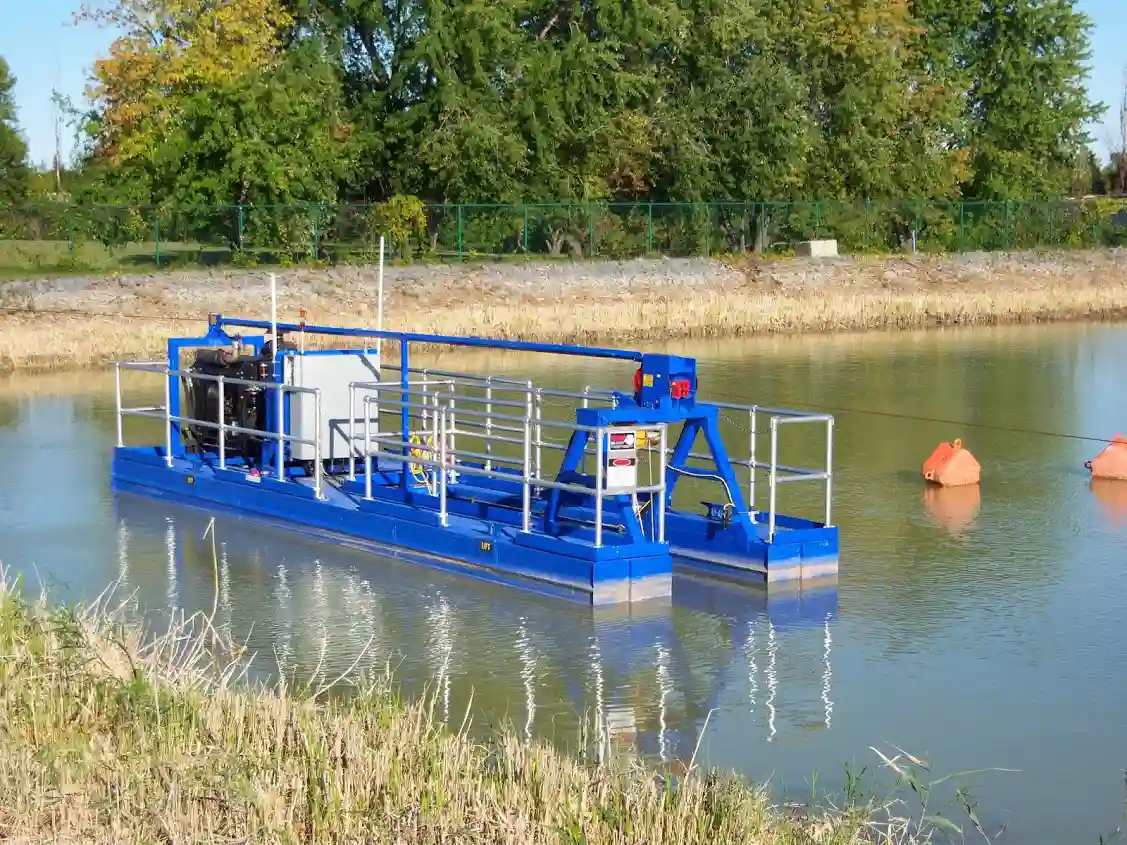
WWTP dredge systems operate through a coordinated process that combines precision cutting, efficient material transport, and controlled disposal to remove sludge effectively. The dredge positions itself on the lagoon or pond surface using spuds, anchors, or cables that provide stability while allowing controlled movement across the treatment cell. Submerged cutting heads or augers loosen compacted sludge layers preparing material for suction extraction.
High-pressure water jets may assist in breaking up dense sludge deposits, creating pumpable slurry for efficient transport. Powerful centrifugal or positive displacement pumps draw the sludge mixture through floating or submerged pipelines to designated dewatering areas or storage lagoons. Operators monitor sludge density using nuclear gauges or sonic meters ensuring optimal solids concentration for efficient transport and disposal. GPS guidance systems help operators track dredged areas preventing missed spots and ensuring complete coverage. The entire process continues while the treatment plant remains operational, eliminating the need for costly shutdowns or flow diversion arrangements.
What Challenges Does WWTP Dredging Address?
Wastewater treatment facilities face multiple challenges that regular WWTP dredge operations effectively address, protecting both performance and compliance. Sludge accumulation represents the primary concern, as settled solids gradually reduce effective treatment volume and hydraulic retention times. This reduction compromises treatment efficiency potentially leading to permit violations during high-flow periods.
Odor control becomes critical as anaerobic conditions develop in thick sludge layers releasing hydrogen sulfide and other problematic gases. Regular dredging removes these materials before anaerobic digestion creates neighborhood complaints and worker safety concerns. Nutrient release from settled sludge creates internal loading that undermines treatment processes, particularly for phosphorus and nitrogen removal. Equipment wear increases as pumps and mechanical systems work harder moving materials through reduced volumes. Energy costs rise as aeration systems struggle to maintain dissolved oxygen levels through thicker sludge layers. Emergency dredging during crises costs significantly more than scheduled maintenance programs. WWTP dredge operations address all these challenges proactively, maintaining optimal facility performance while controlling long-term operational expenses.
How To Choose The Right WWTP Dredge?
Selecting the appropriate WWTP dredge for your facility requires careful evaluation of multiple factors including lagoon dimensions, sludge characteristics, and disposal requirements. Begin by assessing the total volume of accumulated sludge through depth surveys and core sampling that determine material density and composition. This information drives equipment sizing and production rate calculations essential for project planning.
Lagoon accessibility influences dredge selection with some facilities requiring modular equipment that transports through standard gate openings. Shallow depths demand specialized pontoons with minimal draft considerations. Sludge characteristics affect pump selection with fibrous materials requiring non-clogging designs and abrasive solids demanding hardened components. Pipeline distance to dewatering areas determines pump power requirements as longer distances need greater pressure capabilities. Power source options include electric, diesel, or hydraulic systems depending on site availability and emissions requirements. Disposal method matters too, as geotube dewatering, sand drying beds, or direct land application each have different slurry concentration requirements. Consider operator training needs, parts availability, and manufacturer support when evaluating options. Rental arrangements suit one-time projects while purchase makes sense for facilities with multiple lagoons requiring ongoing maintenance.
Conclusion
WWTP dredge equipment provides essential maintenance capabilities that keep wastewater treatment facilities operating efficiently and in compliance with regulatory requirements. Regular sludge removal prevents capacity loss, odor problems, and performance issues that undermine treatment effectiveness. By understanding available options and selecting equipment matched to your specific facility needs, you can maintain optimal treatment plant performance for years to come.