

Becoming an egg donor offers a rewarding opportunity to help individuals and couples build their families while receiving compensation for your time and commitment. Women who choose to donate eggs in San Diego gain access to leading fertility clinics with cutting-edge reproductive technology and compassionate care. This comprehensive guide explores everything you need to know about egg donation in San Diego and whether this meaningful journey is right for you.
What Does It Mean To Donate Eggs San Diego?
To donate eggs in San Diego means volunteering your genetic material through a carefully monitored medical process that helps others achieve their dream of parenthood. Egg donors undergo hormonal stimulation to produce multiple eggs during a single cycle, which are then retrieved through a minimally invasive outpatient procedure. These eggs are fertilized in a laboratory and transferred to intended mothers or gestational carriers.
The egg donation process typically spans two to three months from initial application to egg retrieval. Donors work closely with fertility specialists who monitor their health throughout the cycle using blood tests and ultrasound examinations. San Diego has become a premier destination for egg donation thanks to its world-class fertility clinics, experienced reproductive endocrinologists, and comprehensive donor support programs. Donors receive thorough medical and psychological screening to ensure they’re physically and emotionally prepared for the journey ahead.
 Why Choose To Donate Eggs San Diego?
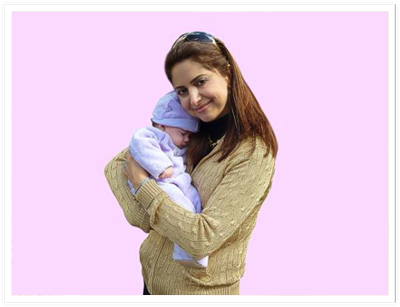 Why Choose To Donate Eggs San Diego?
San Diego stands out as an exceptional location for egg donation, offering donors access to some of the nation’s most respected fertility institutions and comprehensive support services. The city’s fertility clinics maintain rigorous standards for donor care, ensuring you receive personalized attention throughout your donation cycle. Medical teams prioritize donor health and comfort, providing clear communication and responsive support at every stage.
Compensation for egg donors in San Diego reflects the region’s competitive market and typically ranges from $5,000 to $10,000 or more per cycle depending on donor qualifications and program specifics. Many donors find deep personal satisfaction knowing they’ve helped create families that might otherwise remain impossible. The process includes comprehensive health screenings providing valuable insights into your own reproductive health. Working with established fertility and egg donation programs ensures you receive professional care and fair compensation throughout your journey.
How Does The Egg Donation Process Work?
The egg donation process follows a structured sequence designed to maximize safety and success while minimizing disruption to your daily life. It begins with a comprehensive application including medical history, family health background, lifestyle factors, and personal motivations for donating. Once preliminarily accepted, donors complete psychological evaluation and extensive medical screening including genetic testing, infectious disease panels, and ovarian reserve assessment.
After matching with intended parents, donors begin hormonal stimulation using injectable medications that encourage multiple egg development during one cycle. This phase lasts approximately 10 to 14 days with regular monitoring appointments for blood work and ultrasounds tracking follicle growth. When eggs reach optimal maturity, donors receive a trigger injection timing retrieval for 36 hours later. The retrieval procedure occurs under light sedation lasting 20 to 30 minutes, with most donors returning to normal activities within a few days. Follow-up appointments ensure proper recovery and address any questions or concerns about the experience.
What Are The Requirements To Donate?
Egg donation programs maintain specific eligibility criteria ensuring donor health and optimizing success rates for intended parents. Age represents one of the primary factors, with most San Diego clinics accepting donors between 21 and 32 years old when egg quality typically remains highest. Younger donors generally produce more eggs with better fertilization and implantation potential.
Health requirements include maintaining a healthy body mass index typically between 18 and 28, as extreme weights can affect hormone response and procedure safety. Donors must be non-smokers with no recreational drug use and willing to abstain from alcohol during the stimulation cycle. A thorough family medical history screens for hereditary conditions that could pass to children conceived with donated eggs. Psychological stability matters significantly, as donors complete mental health evaluations ensuring they understand the emotional aspects of donation. Educational background varies by program, with some intended parents preferring donors with college education or specific achievements. Previous successful donations often increase compensation and make donors more sought after by matching services.
How To Prepare For Egg Donation?
Proper preparation significantly impacts your egg donation experience, making the process smoother and potentially improving outcomes for everyone involved. Begin by optimizing your health several months before starting the cycle with balanced nutrition rich in protein, healthy fats, and antioxidants supporting reproductive function. Stay well-hydrated and maintain regular moderate exercise while avoiding extreme workouts that could stress your body.
Organize your schedule accounting for approximately 6 to 10 monitoring appointments requiring morning visits to the fertility clinic. Arrange reliable transportation for the retrieval procedure since sedation means you cannot drive yourself home. Prepare comfortable clothing for the retrieval day and stock your home with easy-to-prepare meals for recovery. Avoid alcohol, smoking, and recreational drugs throughout the entire process as these can affect egg quality and your response to medications. Build a support network of friends or family who can provide emotional encouragement and practical help if needed. Ask your clinic detailed questions about medications, side effects, and what to expect so you feel informed and confident throughout your donation journey.
Conclusion
Choosing to donate eggs in San Diego represents a meaningful decision that can transform lives while providing valuable compensation for your time and commitment. The process requires dedication and medical involvement, but working with experienced fertility professionals ensures you receive excellent care throughout your journey. By understanding requirements and preparing properly, you can approach egg donation with confidence and clarity.