
By Paulina Phan, Senior Editorial Contributor | March 18, 2026
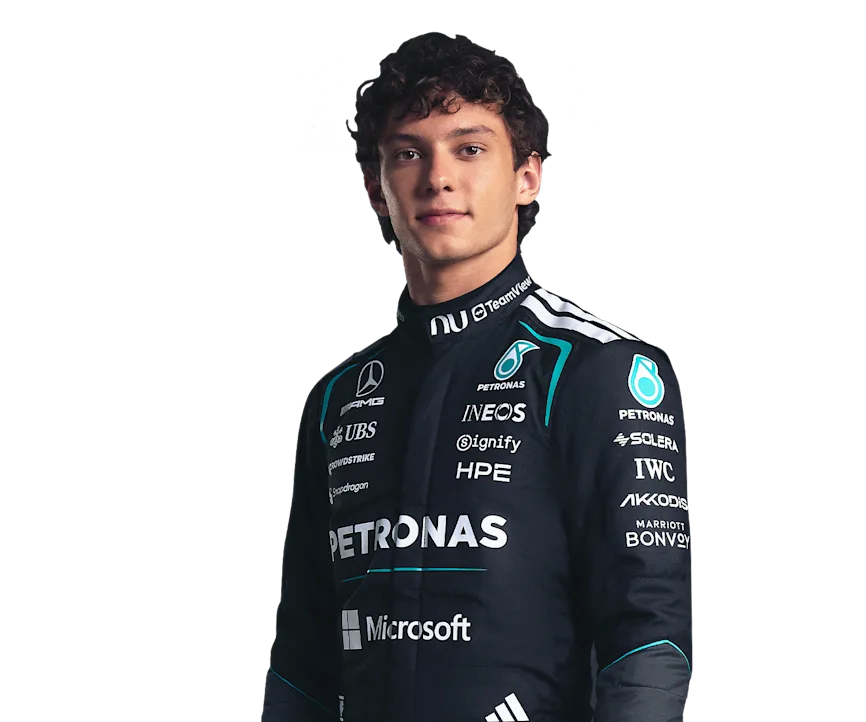
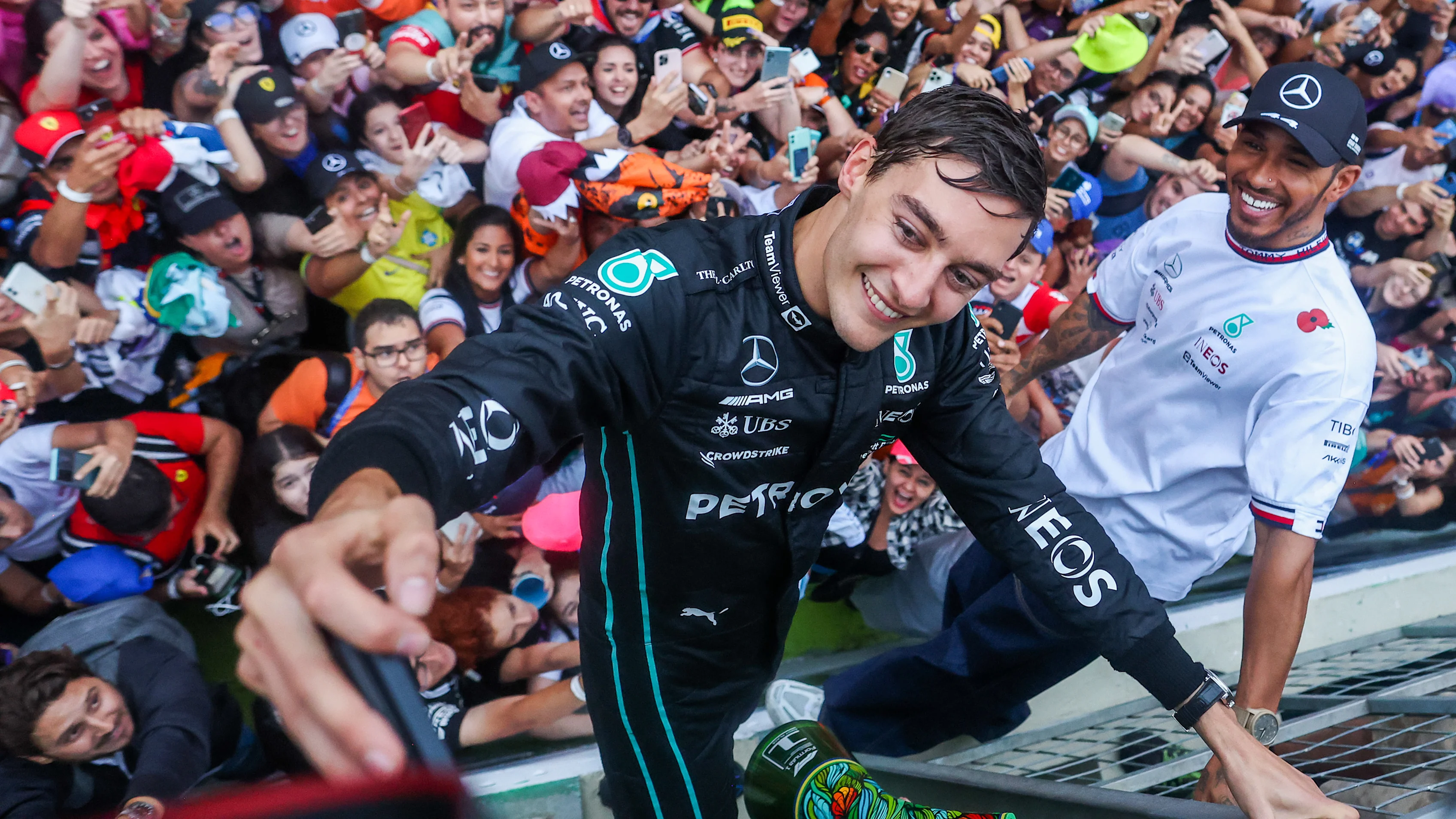
When the chequered flag fell in Shanghai on Sunday, and a nineteen-year-old took his first Formula 1 victory, the loudest celebrations were not in the Mercedes garage. They were in living rooms across Italy, where a twenty-year wait had just ended. Kimi Antonelli had become the youngest pole sitter in Formula 1 history on Saturday with a 1:32.064, and twenty-four hours later he became the second-youngest Grand Prix winner the sport has ever seen, behind only Max Verstappen. Italy, which had not produced a Grand Prix winner since Giancarlo Fisichella triumphed at the 2006 Malaysian Grand Prix, finally had its champion again.
Sit with that for a moment. Twenty years. Two full decades in which Italian drivers came and went, in which the tifosi packed the grandstands at Monza every September to cheer for other nations' heroes, in which the country that gave Formula 1 some of its most romantic chapters watched the winners' roll call fill up without a single Italian name. And then a teenager from Bologna, in his first full season, ended it all in one weekend: pole on Saturday, victory on Sunday, composure throughout. Some arrivals are gradual. This one felt like a door being kicked open.
"What an incredible day! This win is a fulfilment of one of the dreams I've had ever since I first drove a go-kart," Antonelli said afterward. It is the kind of quote every young winner gives, and it is also completely true, which is what makes it land. The go-kart kid is now a Grand Prix winner. The dream did not just come true; it came true at nineteen, in a coronation the whole sport witnessed in real time.
The Numbers That Stun
Let us lay out what Antonelli did in Shanghai, because the statistics deserve to be savored slowly, like a good espresso.
Youngest pole sitter in Formula 1 history: nineteen years old, 1:32.064, faster than his decorated teammate, faster than both Ferraris, faster than a four-time world champion. The record books do not care about potential or hype; they care about lap times, and Antonelli's name now sits at the top of a list that every great driver in history has wanted to lead.
Second-youngest winner ever: behind only Max Verstappen, whose own teenage triumph once seemed like a once-in-a-generation anomaly. It turns out the generation comes around more often than we thought. To win a Grand Prix at nineteen requires not just speed but the complete package: racecraft, tire management, strategic thinking, and the mental steel to lead a Grand Prix with the world watching. Antonelli showed all of it.
Italy's first winner in twenty years: since Fisichella's victory at the 2006 Malaysian Grand Prix, no Italian had stood on the top step. Generations of Italian karting kids grew up, rose through the junior formulae, reached Formula 1, and fell short. Antonelli skipped the queue entirely. First full season, second race weekend, winner. The drought is over, and it ended in a flood.
A prospect like no other
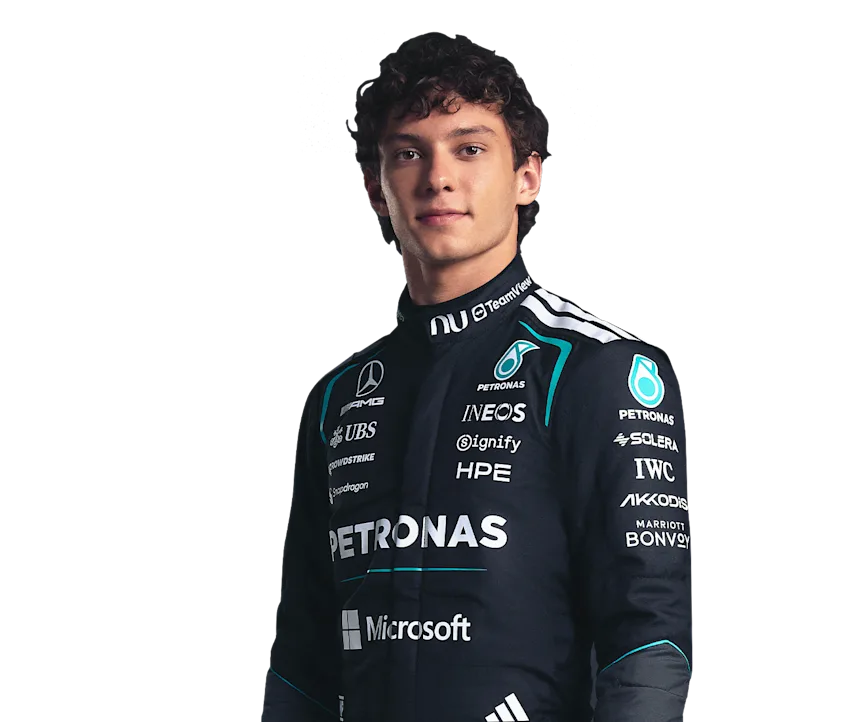
The brief for this column called Antonelli the first championship-relevant Italian prospect in a generation, and it is worth pausing on what that phrase means. Italy has had Formula 1 drivers in the intervening years, talented ones, likeable ones. What it has not had is a driver who arrives in the sport with the machinery, the team, and the sheer force of talent to genuinely contend for championships. That combination is rare for any nation. For Italy, it has been a generation in the making.
There is a weight to carrying a nation's hopes, and it is not evenly distributed. Some drivers thrive on it; others are crushed by it. The early evidence suggests Antonelli belongs to the first group. He does not drive like someone carrying twenty years of expectation. He drives like someone who has been waiting his whole life for the stage to be big enough, and who intends to enjoy every minute of standing on it. Shanghai was big enough, and he filled it completely.
Twenty Years of Waiting
To understand what Sunday meant in Italy, you have to understand the wait. Twenty years is a long time to love a sport that does not love you back. The tifosi are the most passionate fans in Formula 1, a sea of red at Monza every September, and for two decades they have poured that passion into drivers from other countries, because their own kept falling short. They cheered anyway, because that is what the tifosi do, but there was always a hollow space where an Italian winner should have been.
Fisichella's win at the 2006 Malaysian Grand Prix now feels like a dispatch from another era: V8 engines, refueling, a sport that looks almost unrecognizable next to the hybrid-electrical complexity of 2026. In the years since, Italian motorsport produced talent but never the complete package at the right moment in the right car. Timing is everything in Formula 1, and Italy's timing was always slightly off, until now.
For the tifosi, Formula 1 without an Italian winner has been like opera without an Italian tenor: still beautiful, still worth attending, but missing the voice that makes it yours. They adopted champions from other nations, learned their anthems, waved their flags, and every September turned Monza into the loudest, proudest, most gloriously partisan crowd in sport. But adoption is not the same as belonging. On Sunday in Shanghai, belonging came home.
What Monza will feel like
Mark the date: September 4-6, the Italian Grand Prix at Monza. If you think the celebrations in Shanghai were emotional, wait until Antonelli rolls out in front of the tifosi as a Grand Prix winner, in a Mercedes, fighting at the front of the field. Monza has a way of elevating occasions into legends; the crowd, the history, the sheer noise of it all. An Italian winner arriving at Monza as a genuine contender is the kind of storyline the sport dreams about. It is still months away, and anything can happen, but the anticipation is already building. Italy does not just have a winner again. It has a hero's homecoming to look forward to.
There is something deeply romantic about the way this has unfolded. The new regulations were supposed to scramble the order and create new stories. Nobody scripted the story this perfectly: the Italian teenager, the twenty-year drought, the pole and the win in the same weekend, the composure of a veteran. If you wrote it as fiction, an editor would call it too neat. But sport does not care about neatness. It just produces moments, and Sunday was one of the great ones.
Bologna to the Top Step
Every champion has an origin story, and Antonelli's begins where so many Italian racing dreams begin: in a go-kart. His own words after the win said it best: "This win is a fulfilment of one of the dreams I've had ever since I first drove a go-kart." There is something disarming about a Grand Prix winner reaching straight back to the karting track, as if the nineteen-year-old needs to remind himself, and us, how short the distance has been between the dream and the reality.
Italy breeds karting kids the way other countries breed footballers. The tracks of Lombardy and Emilia-Romagna are full of children with famous surnames and faster reflexes, all chasing the same improbable dream. Most of them learn, sooner or later, that talent is common and timing is everything. Antonelli had both, and he had something else: a team willing to bet on him. Mercedes signed him young, developed him patiently, and then did the bravest thing a top team can do. They put a teenager in a championship-contending car and told him to drive.
That decision looked bold in March. It looks visionary now. The history of Formula 1 is full of teams that played it safe with young drivers, parking them in slower teams for seasoning until the sharp edges wore off, along with the speed. Mercedes skipped the seasoning. They looked at the kid, looked at the stopwatch, and decided the stopwatch was enough. Two races into the season, with a pole and a win, the gamble has paid off beyond anyone's projections.
And here is the lovely symmetry: an Italian driver, carrying the hopes of the tifosi, winning in the era when the sport finally remembered how to be brave about young talent. The last twenty years taught teams to be cautious with teenagers. Antonelli is teaching them to be brave again.
The Lock-Up That Proved Everything
Every coronation needs its test, and Antonelli's arrived a few laps from home at Turn 14. A huge lock-up: the tires protesting, the car twitching, the comfortable gap suddenly collapsing to within two seconds as George Russell, his teammate and the championship leader, loomed in the mirrors. This was the moment when teenage fairy tales usually end, when the mistake compounds into panic and the win slips away.
Instead, Antonelli gave us the drive's defining passage. He did not panic. He did not overdrive the next corner trying to rebuild the gap in one desperate lunge. He gathered the car up, settled it, managed the tires he had just punished, and drove the remaining laps with the calm of someone who had done this a hundred times before. The gap stabilized. The flag fell. The teenager had faced the exact scenario that breaks young drivers, and he had handled it like a champion.
Composure under pressure
This is the theme that will follow Antonelli all season, because it is the rarest quality in a young driver and the one that separates the fast from the great. Speed gets you noticed. Composure gets you championships. The paddock has whispered about Antonelli's temperament since his junior days, the way pressure seems to slide off him, the way big moments make him calmer rather than wilder. Shanghai was the first time the whole world got to see it on the biggest stage, and it was unmistakable.
Think about the context of that lock-up. Leading your first Grand Prix. Your teammate, the championship leader, hunting you down. Twenty years of Italian expectation on your shoulders. The natural response is to grip tighter, push harder, try to force the outcome. Antonelli did the opposite: he relaxed into the problem and solved it. That is not talent. That is temperament, and temperament is what wins titles.
The Mercedes Question
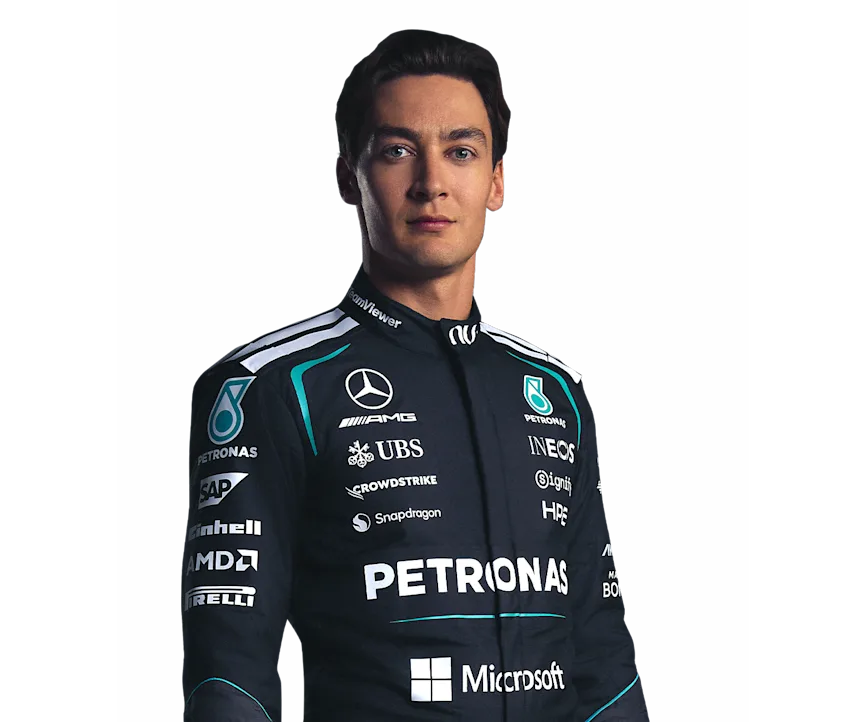
Of course, no coronation happens in a vacuum, and the team context in Shanghai was as striking as the individual one. Mercedes finished one-two in China, Antonelli ahead of Russell, two weeks after Russell won the opener in Australia. The sprint in China was won by Russell ahead of Leclerc and Hamilton. The Silver Arrows have won everything so far: both Grands Prix, the sprint, both poles. And Russell, despite finishing second to his teenage teammate, still leads the championship.
So here is the open question, framed honestly as speculation rather than fact: is this the start of a dominant Mercedes era? The early evidence is hard to argue with. The car is fast, the power unit is the benchmark (even as it fails in customer teams, a story for another column), the driver pairing is the strongest on the grid, and the operation has been flawless while rivals stumble. Two rounds, two one-twos: that is not a hot streak, that is a statement.
Can anyone respond?
Ferrari has the pace to trouble Mercedes on any given weekend, and the Hamilton-Leclerc pairing is box office, but they need to convert speed into victories, and quickly. McLaren has the drivers and, evidently, the gremlins; until both cars can reliably reach the grid, championship talk is fantasy. Red Bull has the speed and the fragility in equal measure. On current evidence, Mercedes is operating on a different plane, and the gap looks less like a margin and more like a chasm.
But Formula 1 has a way of humbling early conclusions. Development races turn seasons upside down. Reliability fixes unlock hidden pace. A twenty-two round season is a marathon, and we have run two miles. The smart money says Mercedes, and the smart money is usually right, but the joy of this sport is that it is not always right. For now, the question hangs over everything: era, or false dawn? The next few races will tell us.
The teammate problem
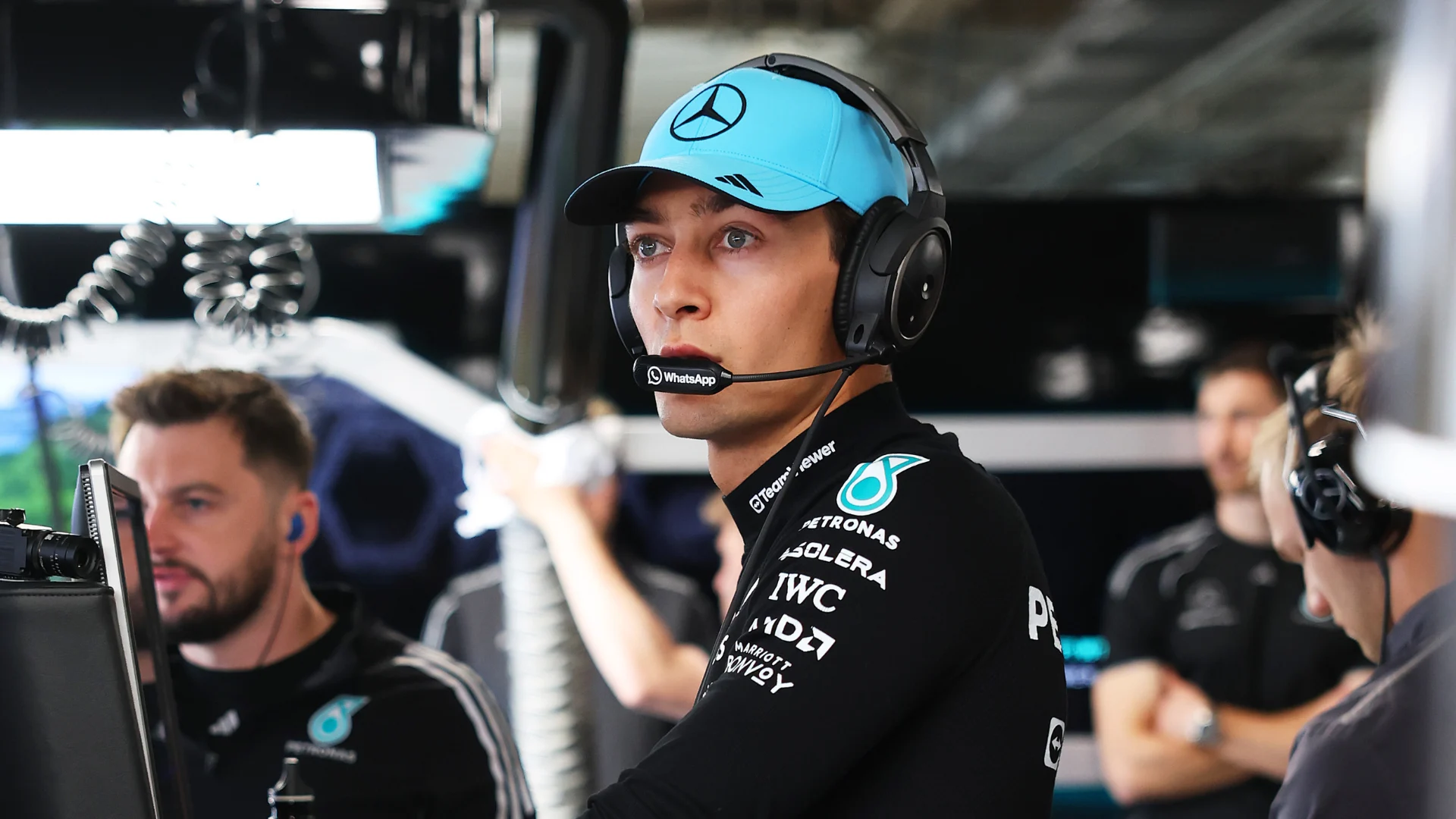
Here is the subplot that will define Mercedes' season: Russell is the championship leader, the senior driver, the man who won the opener and the sprint. Antonelli is the phenomenon, the story, the future arriving ahead of schedule. Every great team in history has faced this moment, when the established star looks in the mirror and sees the next star looking back. Handled well, it produces the kind of internal rivalry that drags both drivers to greatness. Handled badly, it produces fireworks of the wrong kind.
The early signs are good. A one-two in both opening rounds suggests two drivers pushing each other rather than tripping each other. Russell has been gracious, Antonelli respectful, and the team visibly united. But harmony is easy in March. Wait until they are fighting for the same piece of track with a championship on the line. That is when we find out what this pairing is really made of, and honestly, we cannot wait.
What It Feels Like to Watch
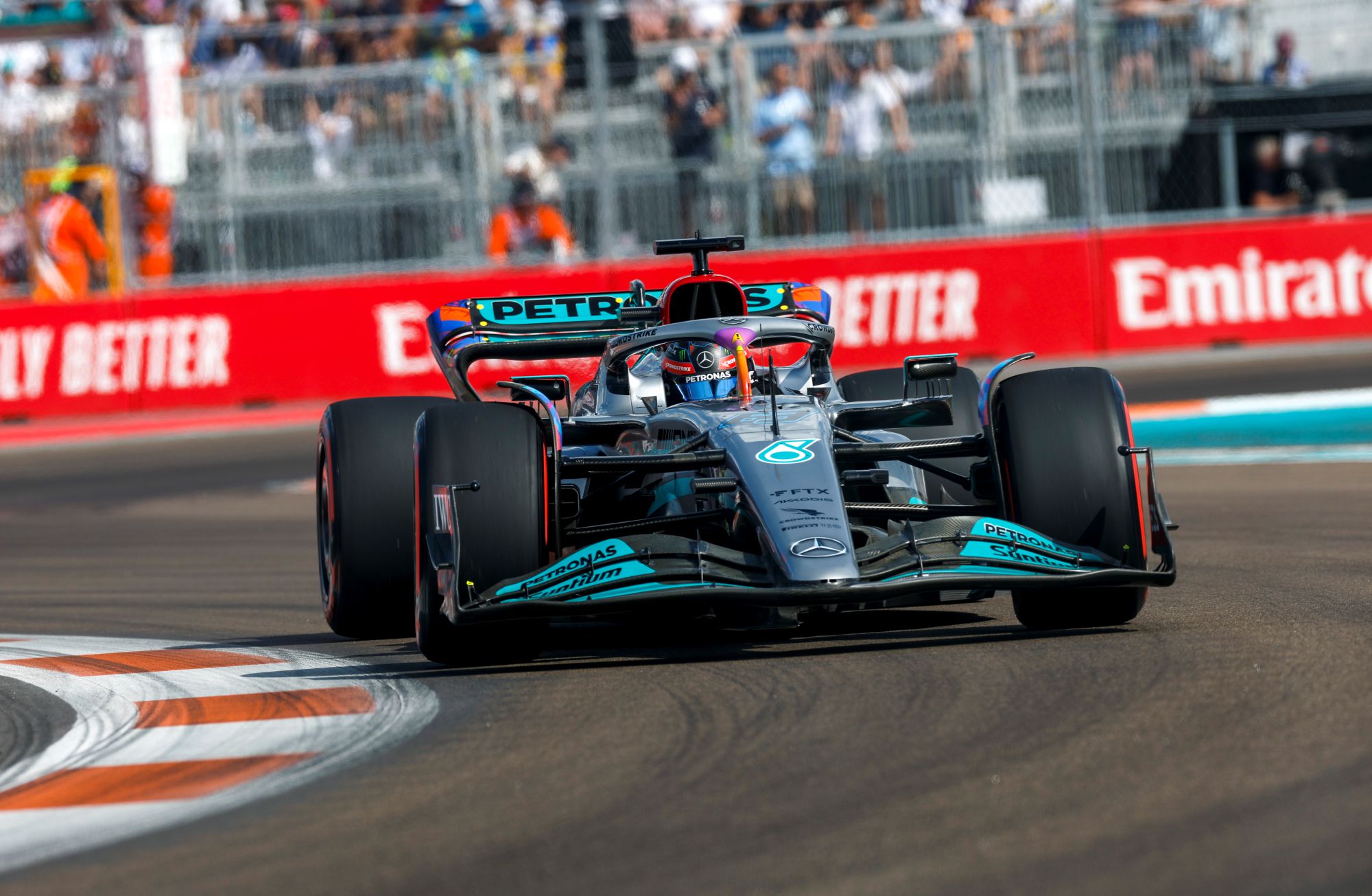
Let me end personally, because some moments in this sport deserve a first-person witness. Watching a generational talent arrive in real time is one of the great privileges of following Formula 1, and it does not happen often. Most careers build gradually: the promising debut, the first podium, the breakthrough win after years of trying. The true greats sometimes skip steps. Verstappen did. Now Antonelli has.
There is a specific feeling to it, a tingle of recognition. You watch the pole lap and think: that was different. You watch the race management and think: he is not supposed to be able to do that yet. You watch the lock-up and the recovery and think: that is what champions are made of. And then the flag falls, and the teenager is crying with joy on the radio, and an entire country is celebrating, and you realize you have just watched the first chapter of something enormous.
And there is the Italian dimension, which makes this different from other teenage breakthroughs. When Verstappen won as a teenager, it was a sensation. When Antonelli won at nineteen, it was a homecoming for an entire nation, twenty years in the making. This is what it looks like when a country gets its hero back. Antonelli is not just a fast teenager anymore. He is Italy's teenager, and that is a heavier, more beautiful crown to wear.
We do not know how the story ends. Maybe Antonelli wins the championship this year. Maybe Russell holds him off and the rivalry becomes the defining duel of the decade. Maybe Ferrari or McLaren or Red Bull find something and the whole picture changes. What we know is what we saw in Shanghai: a nineteen-year-old took pole, won the race, survived the pressure, ended a twenty-year drought, and made it all look natural. The coronation has begun. The rest is just details.

FAQ
What records did Kimi Antonelli set in China?
At nineteen, Antonelli became the youngest pole sitter in Formula 1 history with his 1:32.064 lap in Shanghai, then became the second-youngest Grand Prix winner ever, behind only Max Verstappen. He was also Italy's first Grand Prix winner in twenty years, since Giancarlo Fisichella won the 2006 Malaysian Grand Prix.
What did Antonelli say after winning?
"What an incredible day! This win is a fulfilment of one of the dreams I've had ever since I first drove a go-kart," the nineteen-year-old said after taking his maiden victory for Mercedes in Shanghai.
Who leads the championship after China?
George Russell still leads the drivers' championship after the Chinese Grand Prix. He won the season opener in Australia, won the Shanghai sprint ahead of Leclerc and Hamilton, and finished second to Antonelli in the Grand Prix.
When is Antonelli's home race at Monza?
The Italian Grand Prix at Monza takes place September 4-6, 2026, where Antonelli will race in front of the tifosi for the first time as a Grand Prix winner.
A Note on Sources
Race results, qualifying times, pole position and youngest-winner records, championship standings, and driver quotes in this feature were verified against the official Formula1.com reports for the 2026 Chinese Grand Prix and cross-checked with coverage from Reuters, BBC Sport, Sky Sports, and The Race. Historical records reflect Formula 1's official statistical archives, and the 2026 calendar dates reflect the published schedule.