
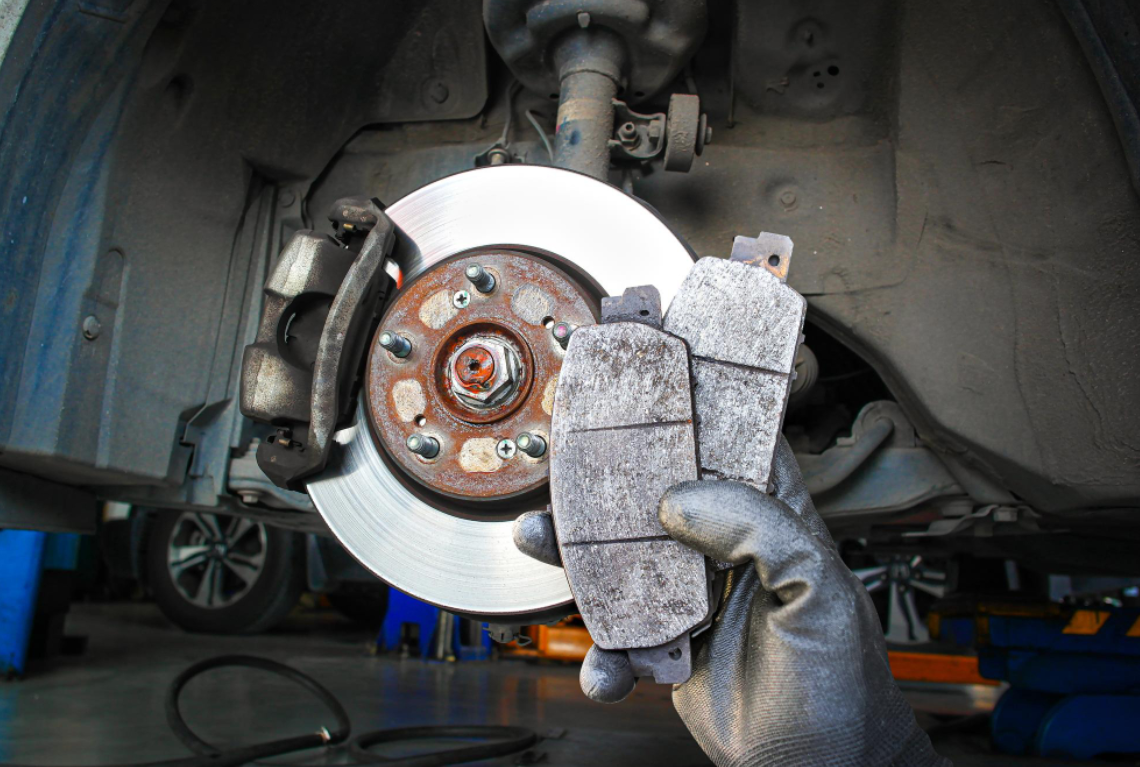
Your car’s braking system is essential for safety, and keeping it in top condition should always be a priority. Brake pads and rotors work together to slow down and stop your vehicle, but they wear out over time due to constant friction. Knowing when to replace them can prevent accidents, improve performance, and save you from costly repairs.
Understanding the lifespan of brake components and recognizing warning signs will help you maintain a safe and reliable vehicle.
What Do Brake Pads and Rotors Do?
Brake pads press against the rotors (also known as brake discs) to create friction, which slows down your car. Over time, this friction causes both components to wear down.
- Brake pads: Made of friction material, they wear out faster
- Rotors: Metal discs that can last longer but still degrade over time
Both parts must be in good condition for effective braking.
How Often Should You Replace Brake Pads?
Brake pads typically need replacement more frequently than rotors.
Average Lifespan:
- 30,000 to 70,000 kilometers depending on driving habits and conditions
Factors That Affect Brake Pad Wear:
- Driving style (frequent braking vs. smooth driving)
- City traffic vs. highway driving
- Vehicle weight
- Quality of brake pads
If you drive in heavy traffic or brake aggressively, your pads may wear out faster.
How Often Should You Replace Rotors?
Rotors generally last longer than brake pads but still require replacement or resurfacing over time.
Average Lifespan:
- 70,000 to 120,000 kilometers
In many cases, rotors are replaced after every second or third brake pad change, depending on their condition.
Key Signs You Need Replacement
1. Squeaking or Squealing Noise
High-pitched sounds when braking often indicate worn brake pads. Many pads are designed to make noise as a warning.
2. Grinding Sound
A grinding noise usually means the brake pads are completely worn out, and metal is rubbing against the rotors. This can cause serious damage.
3. Vibrations While Braking
If you feel vibrations in the steering wheel or brake pedal, it could mean warped rotors.
4. Reduced Braking Performance
If your car takes longer to stop or feels less responsive, it’s a clear sign your braking system needs attention.
5. Visible Wear
You can sometimes inspect brake pads through the wheel. If they appear very thin, it’s time for replacement.
Brake Maintenance Schedule
| Component | Replacement Interval | Warning Signs |
|---|---|---|
| Brake Pads | 30,000–70,000 km | Noise, reduced braking power |
| Rotors | 70,000–120,000 km | Vibrations, grooves, uneven wear |
Regular inspections help ensure these components are replaced at the right time.
Tips to Extend Brake Life
- Avoid sudden or hard braking
- Maintain a safe distance from other vehicles
- Reduce vehicle load when possible
- Get regular brake inspections
- Use high-quality brake components
Good driving habits can significantly extend the lifespan of your brakes.
Importance of Regular Vehicle Checks
Brake maintenance is just one part of overall car care. Paying attention to other warning signs, such as those discussed in Signs Your Car Needs a Transmission Fluid Change, helps keep your entire vehicle running smoothly and safely.
Routine maintenance ensures that small issues don’t turn into major problems.
Cost Considerations
Replacing brake pads is relatively affordable compared to rotors. However, delaying replacement can damage the rotors, leading to higher repair costs.
- Brake pads: Lower cost, frequent replacement
- Rotors: Higher cost, less frequent replacement
Timely maintenance helps you avoid unnecessary expenses.
FAQs
1. Can I replace brake pads without replacing rotors?
Yes, if the rotors are still in good condition. However, they should be inspected for wear or damage.
2. How do I know if my rotors need replacement?
Signs include vibrations, visible grooves, or uneven wear on the surface.
3. Is it safe to drive with worn brake pads?
No, worn brake pads reduce stopping power and can damage other components.
4. How long does it take to replace brake pads and rotors?
Typically, it takes 1–2 hours depending on the vehicle and condition.
5. Do all cars have the same brake lifespan?
No, lifespan varies based on driving habits, road conditions, and vehicle type.