
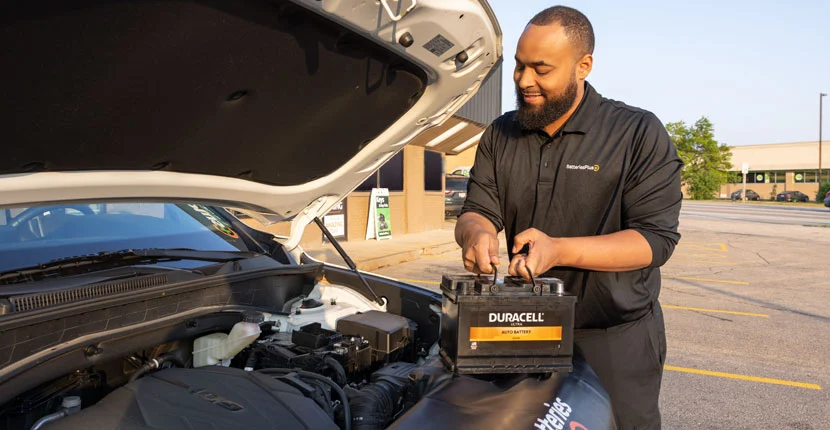
A car battery is one of the most important components of your vehicle, yet it is often overlooked until it fails. Extreme weather conditions—whether very hot or very cold—can significantly reduce battery performance and lifespan. Proper maintenance is essential to avoid sudden breakdowns, especially during seasonal temperature changes.
Understanding how to care for your battery in harsh weather can save you time, money, and stress. With the right habits, you can keep your car starting smoothly year-round and avoid unexpected failures.
This guide explains practical car battery maintenance tips for extreme weather and how to protect your battery in both hot and cold conditions.
Why Extreme Weather Affects Car Batteries
Car batteries rely on chemical reactions to produce electricity. Temperature extremes can disrupt this process.
In Hot Weather:
- Battery fluid evaporates faster
- Internal corrosion increases
- Overcharging becomes more likely
In Cold Weather:
- Chemical reactions slow down
- Battery loses cranking power
- Engine requires more energy to start
Both conditions reduce battery efficiency and lifespan if not properly managed.
1. Check Battery Health Regularly
Routine inspection is the first step in preventing battery failure.
Look for:
- Corroded terminals
- Swollen battery case
- Loose connections
- Slow engine start
Regular checks help detect problems early before they become serious.
Car Battery Maintenance Tips Table
| Maintenance Tip | Benefit |
|---|---|
| Regular voltage checks | Prevents unexpected failure |
| Cleaning terminals | Improves conductivity |
| Securing battery | Reduces vibration damage |
| Parking in shade/garage | Protects from temperature extremes |
| Driving regularly | Keeps battery charged |
| Checking alternator | Ensures proper charging |
2. Keep Battery Terminals Clean
Corrosion on battery terminals can block electrical flow and reduce performance.
How to clean:
- Disconnect battery cables safely
- Use a baking soda and water solution
- Scrub gently with a brush
- Dry and reconnect tightly
Clean terminals ensure better power transfer and reliable starts.
3. Protect Battery from Heat Damage
High temperatures are one of the biggest threats to battery life.
Tips for hot weather:
- Park in shaded areas whenever possible
- Use car covers in direct sunlight
- Avoid overloading electrical systems
- Check fluid levels if applicable
Heat accelerates chemical wear inside the battery.
4. Protect Battery in Cold Weather
Cold temperatures make it harder for batteries to deliver power.
Cold weather tips:
- Park indoors or in a garage
- Use battery insulation blankets if needed
- Turn off electronics before starting the engine
- Start the car regularly to maintain charge
Cold starts require extra battery power, so preparation is key.
5. Drive Your Car Regularly
A car battery charges while the engine runs. If a car sits unused for long periods, the battery can slowly discharge.
Best practices:
- Drive at least once or twice a week
- Take longer drives occasionally to fully recharge the battery
- Avoid short trips only
Regular use keeps the battery active and healthy.
6. Avoid Leaving Electronics On
Leaving lights or electronics on when the engine is off can drain the battery quickly.
Common mistakes:
- Headlights left on overnight
- Charging devices in parked car
- Using radio without engine running
Always double-check before leaving your vehicle.
7. Test Battery Voltage Periodically
A healthy battery should maintain proper voltage levels.
Signs of weak battery:
- Slow engine cranking
- Dim headlights
- Frequent jump-starts
Using a voltage tester or visiting a mechanic can help monitor battery condition.
8. Check Alternator Performance
The alternator charges your battery while driving. If it fails, the battery will drain even if it is new.
Warning signs of alternator issues:
- Flickering dashboard lights
- Battery warning light
- Electrical malfunctions
Proper alternator function is essential for battery health.
9. Secure the Battery Properly
Vibration from rough roads or loose mounting can damage the battery internally.
Ensure:
- Battery is tightly secured
- Hold-down clamps are in place
- No excessive movement during driving
This helps extend battery life significantly.
10. Replace Old Batteries on Time
Even with proper care, batteries have a limited lifespan (usually 3–5 years).
Replace your battery if:
- It struggles to hold charge
- It frequently dies
- It shows physical damage
Timely replacement prevents sudden breakdowns.
Importance of Preventive Maintenance
Regular battery care is part of overall vehicle maintenance. Simple steps like cleaning terminals, checking voltage, and protecting against temperature extremes can significantly reduce unexpected repair issues.
In fact, proper maintenance habits directly support How to Reduce Car Repair Costs Over Time, since a healthy battery prevents breakdowns that could lead to towing fees, emergency repairs, or damage to other electrical components.
Common Battery Maintenance Mistakes
Ignoring Warning Signs
Slow starts and dim lights should never be ignored.
Not Cleaning Terminals
Corrosion buildup reduces efficiency over time.
Letting the Car Sit Too Long
Inactivity leads to battery discharge.
Using Old Batteries Too Long
Delayed replacement increases risk of sudden failure.
Benefits of Proper Battery Maintenance
Reliable Vehicle Starts
Your car starts smoothly in all weather conditions.
Longer Battery Life
Proper care extends battery lifespan.
Reduced Repair Costs
Prevents emergency replacements and breakdowns.
Better Electrical Performance
Ensures stable power supply to all systems.
Peace of Mind
Reduces risk of unexpected roadside failures.
FAQs About Car Battery Maintenance
How long does a car battery last?
Most car batteries last between 3 to 5 years depending on usage and climate.
Can extreme heat damage a car battery?
Yes, high temperatures can speed up internal wear and reduce battery life.
How often should I check my car battery?
It is recommended to check it every 2–3 months, especially before extreme seasons.
What are signs of a weak battery?
Slow engine start, dim lights, and frequent jump-starts are common signs.
Can I extend battery life with driving habits?
Yes, regular driving and avoiding short trips help maintain battery charge.
Final Thoughts
Proper car battery maintenance in extreme weather is essential for keeping your vehicle reliable and avoiding unexpected breakdowns. Temperature changes can significantly affect battery performance, but simple habits like regular inspection, cleaning terminals, and protecting the battery from harsh conditions can make a big difference.