
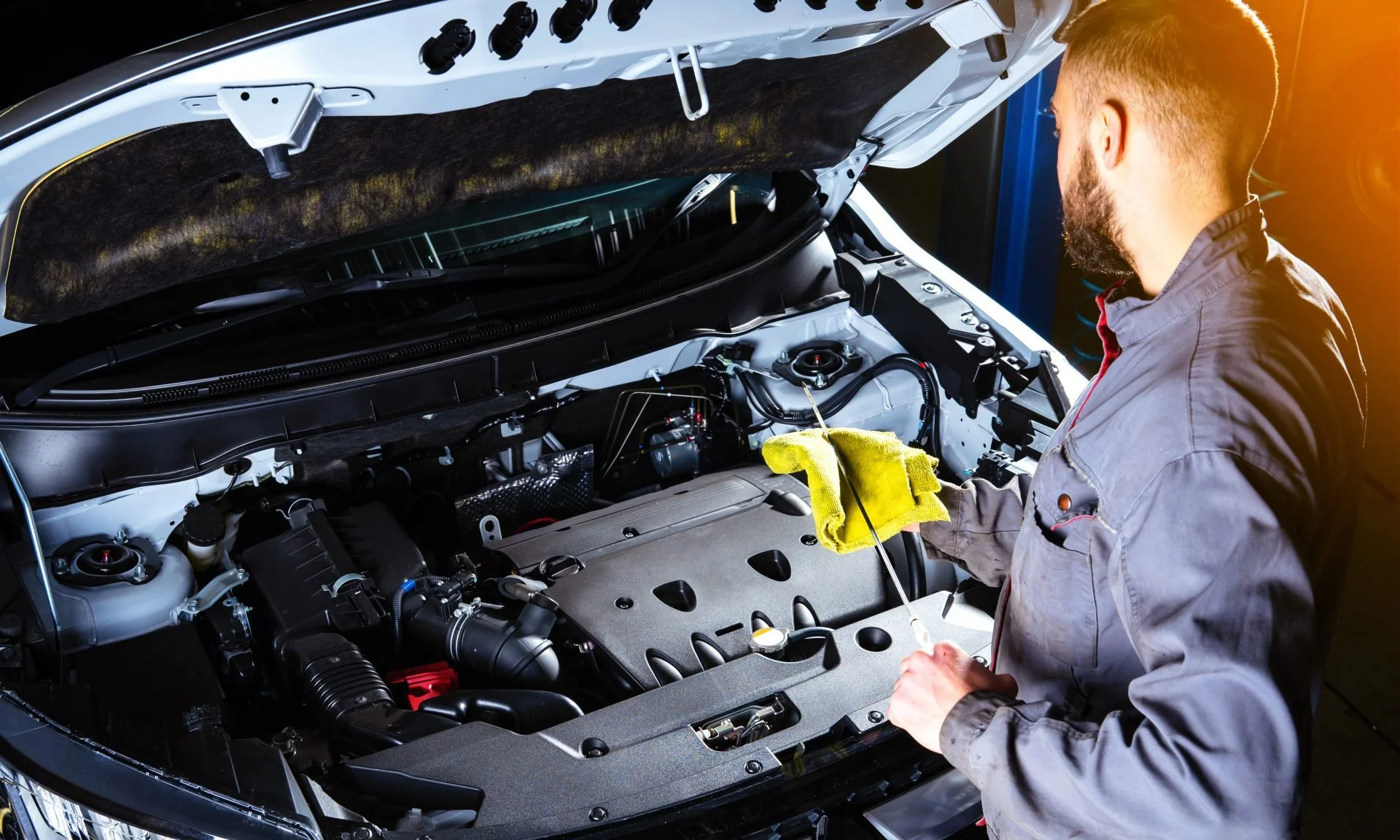
Owning a car comes with ongoing expenses, and repair costs can quickly become overwhelming if proper maintenance is ignored. Many expensive vehicle problems develop slowly due to neglect, poor driving habits, or delayed servicing. Fortunately, there are several smart ways to reduce car repair costs over time while keeping your vehicle reliable and efficient.
By following preventive maintenance practices and adopting careful driving habits, you can avoid major breakdowns and extend the lifespan of your vehicle. This guide explains the best strategies to lower long-term repair expenses and keep your car in excellent condition.
Why Car Repairs Become Expensive
Many drivers only visit a mechanic after a serious issue appears. Unfortunately, small problems often become much more expensive when ignored.
Common reasons for high repair costs include:
- Delayed maintenance
- Ignoring warning lights
- Aggressive driving
- Poor-quality replacement parts
- Lack of regular inspections
- Driving with worn tires or brakes
- Skipping oil changes
Preventive maintenance is usually far cheaper than major repairs.
Best Ways to Reduce Car Repair Costs
1. Follow the Manufacturer’s Maintenance Schedule
Every vehicle comes with a recommended maintenance schedule designed to keep the engine and components working properly.
Important maintenance tasks include:
- Oil changes
- Brake inspections
- Tire rotations
- Filter replacements
- Fluid checks
- Timing belt inspections
Following the schedule helps prevent expensive mechanical failures.
Car Maintenance Savings Table
| Maintenance Task | Potential Savings |
|---|---|
| Regular oil changes | Prevents engine damage |
| Tire rotation | Extends tire lifespan |
| Brake inspections | Avoids rotor replacement |
| Fluid checks | Prevents transmission issues |
| Battery maintenance | Reduces electrical failures |
| Wheel alignment | Improves fuel efficiency |
| Air filter replacement | Enhances engine performance |
Small maintenance costs can prevent major repair bills later.
2. Change Engine Oil Regularly
Engine oil lubricates internal components and reduces friction. Dirty or old oil can damage the engine over time.
Benefits of regular oil changes:
- Better engine performance
- Reduced wear and tear
- Improved fuel economy
- Longer engine life
Always use the correct oil type recommended for your vehicle.
3. Drive Smoothly and Carefully
Aggressive driving habits increase stress on vehicle components.
Avoid:
- Hard braking
- Rapid acceleration
- High-speed cornering
- Overloading the vehicle
Gentle driving reduces wear on brakes, tires, suspension, and transmission systems.
4. Pay Attention to Warning Signs
Ignoring unusual sounds or dashboard warning lights often leads to larger repair bills.
Watch for:
- Engine warning lights
- Strange noises
- Fluid leaks
- Vibrations
- Burning smells
- Difficulty steering
Early diagnosis can prevent costly damage.
5. Maintain Proper Tire Pressure
Underinflated or overinflated tires wear unevenly and reduce fuel efficiency.
Correct tire pressure helps:
- Extend tire lifespan
- Improve safety
- Reduce suspension stress
- Save fuel
Check tire pressure at least once a month.
6. Replace Air Filters on Time
Dirty air filters force the engine to work harder and may reduce fuel economy.
Benefits of replacing air filters:
- Better airflow
- Improved acceleration
- Cleaner engine performance
- Reduced fuel consumption
This is one of the simplest and most affordable maintenance tasks.
DIY Maintenance Tasks That Save Money
Some simple car maintenance jobs can be done at home without professional tools.
Easy DIY Tasks Include:
- Checking tire pressure
- Replacing windshield wipers
- Changing air filters
- Cleaning battery terminals
- Topping off fluids
- Washing and waxing the car
Learning basic maintenance skills can reduce labor costs significantly.
Importance of Regular Fluid Checks
Vehicles rely on multiple fluids for smooth operation.
Important fluids include:
- Engine oil
- Brake fluid
- Coolant
- Transmission fluid
- Power steering fluid
- Windshield washer fluid
Low or dirty fluids can damage major systems if ignored.
7. Avoid Cheap Low-Quality Parts
Using extremely cheap replacement parts may seem cost-effective initially but can cause repeated failures.
Higher-quality parts generally:
- Last longer
- Perform better
- Improve reliability
- Reduce future repair frequency
Reliable parts often save money over the long term.
8. Keep Your Car Clean
Dirt, road salt, and debris can damage both exterior and interior surfaces over time.
Benefits of regular cleaning:
- Prevents rust
- Protects paint
- Maintains resale value
- Improves interior condition
Many car owners who research How to Detail Your Car Interior Like a Professional also focus on long-term vehicle preservation to reduce maintenance and repair expenses.
9. Protect Your Car From Extreme Weather
Weather conditions can affect vehicle components significantly.
Helpful precautions include:
- Parking in shaded areas
- Using car covers
- Avoiding flooded roads
- Protecting the battery during winter
Environmental protection helps preserve both mechanical and cosmetic condition.
10. Build a Relationship With a Trusted Mechanic
A reliable mechanic can help identify small problems before they become major repairs.
Benefits include:
- Honest inspections
- Preventive advice
- Better service consistency
- Fair pricing
Comparing estimates from multiple repair shops can also help avoid overpaying.
Common Habits That Increase Repair Costs
Avoiding bad driving and maintenance habits is essential.
Delaying Repairs
Minor issues often become expensive if ignored.
Running Low on Fuel Frequently
Consistently driving on low fuel can stress the fuel pump.
Ignoring Tire Alignment
Poor alignment causes uneven tire wear and suspension strain.
Carrying Excess Weight
Extra weight increases stress on brakes, tires, and suspension.
Skipping Battery Checks
Weak batteries may damage electrical systems if neglected.
Benefits of Preventive Car Maintenance
Regular maintenance offers several long-term advantages.
Lower Repair Bills
Preventive care helps avoid expensive breakdowns.
Better Fuel Efficiency
Well-maintained vehicles use fuel more efficiently.
Improved Safety
Healthy brakes, tires, and steering systems improve road safety.
Higher Resale Value
Maintenance records increase buyer confidence.
Longer Vehicle Lifespan
Proper care helps vehicles remain reliable for many years.
Signs Your Car Needs Immediate Attention
Seek professional inspection if you notice:
- Engine overheating
- Smoke from exhaust
- Grinding brake noises
- Sudden loss of power
- Transmission slipping
- Severe vibrations
- Fluid leaks under the car
Quick action can prevent catastrophic damage.
Budgeting for Car Maintenance
Planning ahead financially can reduce stress when repairs arise.
Helpful budgeting tips:
- Set aside monthly maintenance savings
- Track service records
- Prioritize urgent repairs
- Avoid unnecessary modifications
Prepared drivers are less likely to face financial surprises.
FAQs About Reducing Car Repair Costs
What is the best way to reduce car repair expenses?
Regular preventive maintenance is the most effective way to reduce repair costs.
How often should I change engine oil?
Oil change intervals vary by vehicle, but many cars require changes every 5,000 to 10,000 kilometers.
Does careful driving really reduce repairs?
Yes. Smooth driving reduces wear on brakes, tires, suspension, and transmission components.
Is it cheaper to maintain a car than replace it?
In many cases, proper maintenance is far cheaper than buying a new vehicle.
Why are regular inspections important?
Inspections help detect small problems early before they become expensive repairs.
Can car cleaning help reduce maintenance costs?
Yes. Cleaning helps prevent rust, interior wear, and paint damage.
Final Thoughts
Learning how to reduce car repair costs over time can save you thousands of dollars while helping your vehicle stay reliable and efficient for years. Preventive maintenance, careful driving habits, regular inspections, and proper cleaning all contribute to lower long-term ownership expenses.