
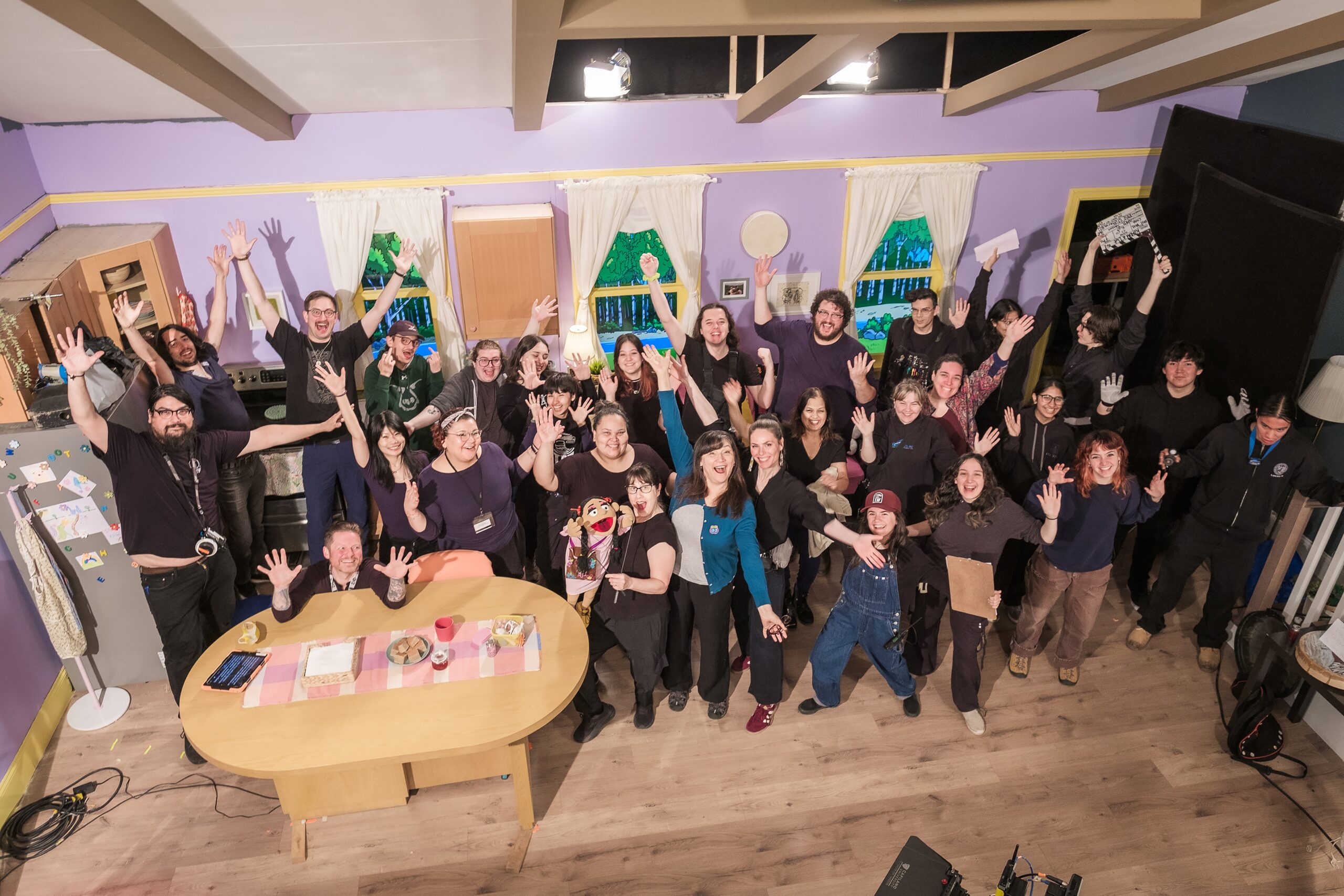
Children’s television has changed dramatically over the years. Much of it today is louder, faster, and increasingly built around overstimulation rather than emotional connection. That is why learning about Kokum & Dot felt genuinely refreshing. Before the series has even officially premiered, it has already secured a second-season renewal, which honestly says a lot about the confidence surrounding the project and the importance of the stories it is trying to tell.
Kokum & Dot Series Trailer First-Look
Launching on June 21, 2026, in recognition of National Indigenous Peoples Day, the new TELUS independent children’s series introduces young audiences to Cree language, Indigenous teachings, imagination, and emotional expression through storytelling that feels both intimate and quietly powerful.
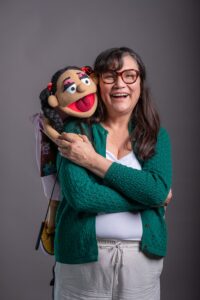
What stood out to me most while reading about the series is how intentional everything about it feels. Rather than treating culture as background decoration or educational material delivered mechanically, Kokum & Dot appears deeply rooted in lived experience, emotional warmth, and intergenerational connection.
And in today’s media landscape, that kind of sincerity feels incredibly valuable.
A Story Built Around Language, Emotion, and Connection
At the center of the series is Dorothy, affectionately known as Kokum, played by Indigenous actor and musician Renae Morriseau. She shares conversations with Dot, a rod-arm hand puppet who represents Kokum’s inner child. Together, they explore emotions, daily experiences, and moments where words sometimes feel difficult to find.
That premise alone feels beautifully simple.
When Dot struggles to express feelings or experiences, Kokum introduces Cree words that help articulate those emotions more clearly. Through those conversations, viewers naturally learn Cree vocabulary while also being introduced to important cultural teachings centered around the seven guiding principles of Cree culture: love, respect, courage, honesty, wisdom, humility, and truth.
What makes this approach especially effective is that the learning never sounds forced. The language is woven into emotional storytelling rather than presented as instruction. Children are not simply memorizing words, they are understanding how language connects to identity, relationships, and self-expression.
That emotional grounding gives the series a level of authenticity that many educational programs struggle to achieve.
Indigenous Storytelling at the Heart of the Series
The creative leadership behind Kokum & Dot is another reason the project feels so meaningful.
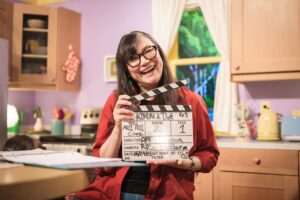
The series is directed and produced by April Johnson, a Vancouver-based filmmaker of Métis/Nehiyaw and European settler descent whose work has consistently centered Indigenous storytelling and representation. Johnson has previously worked on projects including Reginald the Vampire and Serving Shaid, while also speaking publicly about the importance of Indigenous language and perspective in media.
Written by Jules Koostachin, whose work includes WaaPake and contributions to Molly of Denali, the series carries a strong sense of cultural care and purpose throughout its concept.
What I appreciate most is that the production does not position Indigenous storytelling as niche or secondary. Instead, it confidently centers Cree culture, language, and worldview as something vibrant, imaginative, and universally meaningful for children.
That distinction matters.
Representation That Feels Genuine Rather Than Symbolic
Representation in children’s media is often discussed in broad terms, but what makes Kokum & Dot especially compelling is how deeply embedded Indigenous voices are throughout every layer of the production.
The series features a majority Indigenous crew and draws inspiration from the life and work of Elder Dorothy Visser. The production itself also involves Indigenous creatives across directing, writing, music, cinematography, and animation.
Even the music carries that connection. Original music for the series is composed by Renae Morriseau’s music group M’Girl, adding another layer of cultural authenticity to the project.
In an industry where representation can sometimes feel performative, Kokum & Dot seems genuinely community-driven.
And perhaps that is why the emotional tone of the series feels so grounded.
Why Children’s Media Like This Matters
One of the strongest aspects of the series is that it recognizes how early childhood media shapes emotional understanding and cultural awareness.
Children absorb language, values, and identity-building messages long before they fully understand them intellectually. Shows like Kokum & Dot help normalize Indigenous voices, traditions, and languages within everyday storytelling rather than presenting them as distant history lessons.
That kind of visibility can be incredibly meaningful, especially for Indigenous children who rarely see their languages or experiences reflected onscreen in ways that feel joyful and contemporary.
At the same time, the series also creates an opportunity for non-Indigenous children and families to engage with Cree culture through empathy, curiosity, and storytelling rather than stereotypes.
That balance feels especially important right now.
Visually Imaginative and Emotionally Soft
Another thing that stood out while learning about the project is its visual approach.
The series combines live action, puppetry, and Woodland-style animation created by Vancouver Island-based studio Calibrate Collective. That combination gives the show an imaginative and tactile quality that feels intentionally different from many heavily digital children’s programs today.
There is a softness to the concept that feels almost comforting.
Instead of overwhelming young viewers with rapid pacing or constant stimulation, Kokum & Dot appears more interested in creating space for reflection, imagination, and emotional understanding.
That slower emotional rhythm feels increasingly rare in children’s television.
A Growing Appetite for Meaningful Children’s Programming
The fact that the series was renewed for a second season before its premiere also suggests growing support for children’s content that prioritizes culture, language, and emotional intelligence.
According to TELUS independent Head of Production Christina Willings, the series helps introduce Cree language, magical storytelling, and community values into children’s earliest media experiences while promoting positive self-concept for both Indigenous and settler children alike.
That perspective reflects a broader shift happening within family entertainment, one where audiences increasingly want stories that feel thoughtful, culturally grounded, and emotionally nourishing.
Final Thoughts
At its heart, Kokum & Dot feels less like traditional children’s television and more like a conversation between generations.
It is a series about language, but also about belonging. About storytelling, but also emotional understanding. And perhaps most importantly, it is about preserving culture in a way that feels alive, playful, and connected to everyday life.
In a media environment that often prioritizes speed over substance, Kokum & Dot stands out precisely because it chooses gentleness, imagination, and sincerity instead.
And honestly, that may be exactly why it already feels so important.
For more information, visit here.
She’s All Over the Place Podcast