
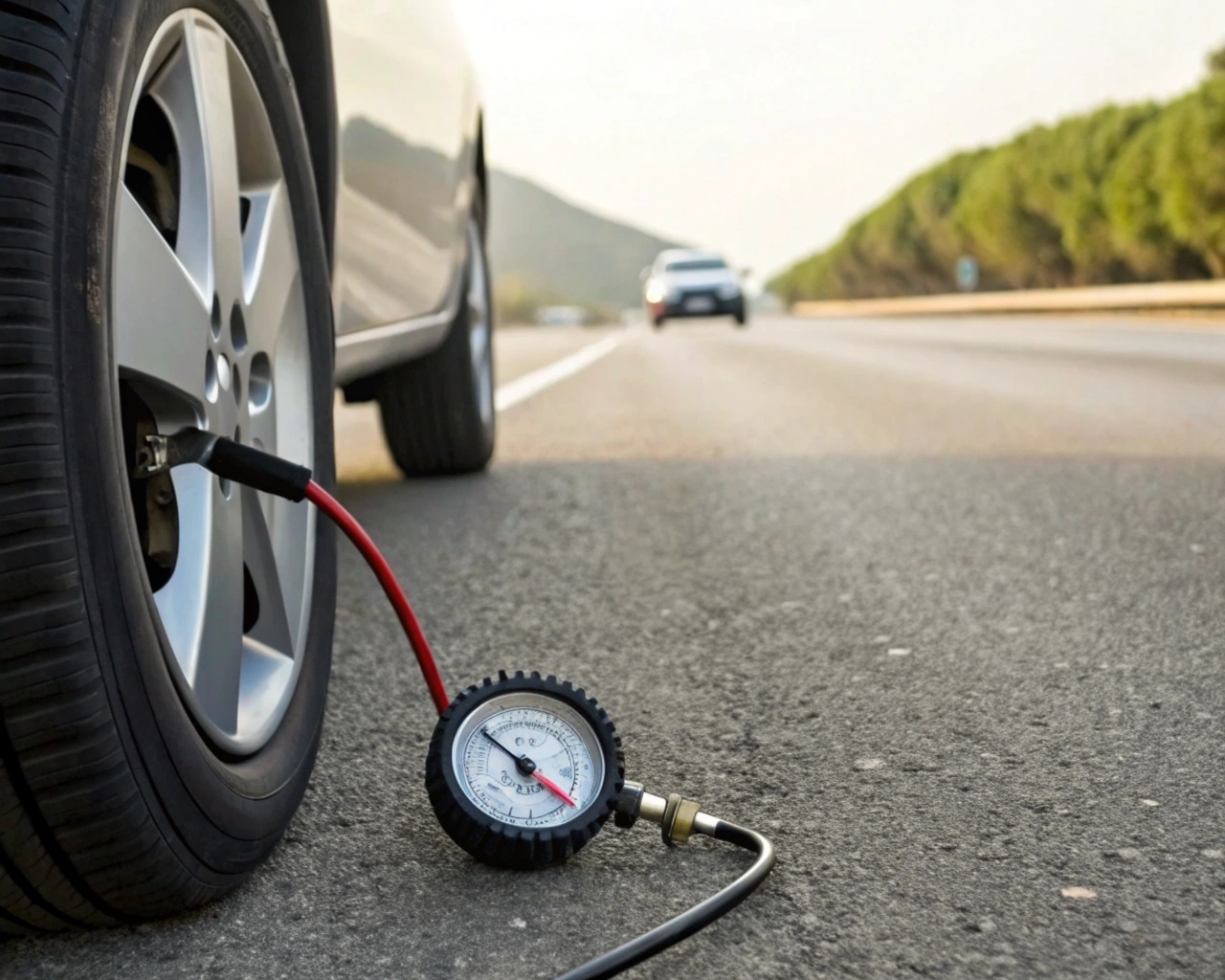
Tire pressure plays a major role in vehicle safety, comfort, fuel efficiency, and overall driving performance. Many drivers ignore it until they face issues like poor mileage, uneven tire wear, or reduced grip on the road. Maintaining the correct tire pressure becomes even more important during highway driving, where speeds are higher and long-distance travel puts extra stress on tires.
Understanding the best tire pressure for highway driving and fuel economy helps improve both safety and cost efficiency. This guide explains optimal tire pressure ranges, how it affects fuel consumption, and practical tips for maintaining it properly.
Why Tire Pressure Matters
Tire pressure directly affects how your car behaves on the road. Proper inflation ensures that the tire maintains correct contact with the surface, improving stability and efficiency.
Incorrect tire pressure can lead to:
- Reduced fuel economy
- Poor braking performance
- Uneven tire wear
- Increased risk of blowouts
- Lower driving comfort
Both underinflated and overinflated tires create problems, especially during long highway drives.
Recommended Tire Pressure for Highway Driving
There is no single universal tire pressure for all vehicles, but most passenger cars fall within a standard range.
General Guideline
| Driving Condition | Recommended PSI Range |
|---|---|
| City driving | 30–32 PSI |
| Highway driving | 32–36 PSI |
| Fully loaded vehicle | 35–38 PSI |
For highway driving, slightly higher tire pressure (within manufacturer limits) helps reduce rolling resistance and improves fuel efficiency.
Always check the driver-side door sticker or owner’s manual for exact specifications.
How Tire Pressure Affects Fuel Economy
Proper tire inflation reduces rolling resistance, which means the engine does not need to work as hard to move the vehicle forward.
Benefits of Correct Tire Pressure
- Improved fuel efficiency
- Better acceleration response
- Reduced tire heat buildup
- Longer tire lifespan
Even a small drop in tire pressure (2–3 PSI below recommended levels) can reduce fuel economy noticeably over long distances.
Underinflated vs Overinflated Tires
Both conditions affect highway performance differently.
Underinflated Tires
Problems include:
- Increased fuel consumption
- Poor handling at high speeds
- Excess heat buildup
- Faster tire wear on edges
Overinflated Tires
Problems include:
- Reduced road grip
- Harsh ride quality
- Faster wear in the center of the tire
- Less traction on wet roads
Maintaining a balanced PSI is essential for safe highway driving.
Best Tire Pressure for Fuel Efficiency
For maximum fuel economy during highway travel, many experts recommend:
- Keeping tires at the manufacturer’s recommended upper range
- Ensuring equal pressure in all tires
- Checking pressure when tires are cold
Cold tire measurements give the most accurate reading.
When to Check Tire Pressure
Tire pressure naturally changes with temperature and driving conditions.
You should check it:
- At least once every two weeks
- Before long road trips
- During seasonal temperature changes
- After carrying heavy loads
Cold mornings are the best time to measure pressure accurately.
Factors That Affect Tire Pressure
Several conditions can change tire pressure over time:
- Temperature changes
- Road heat during long drives
- Altitude changes
- Tire age and wear
- Slow air leaks
Regular checks help maintain consistent performance.
Tire Pressure Tips for Highway Safety
Keep Tires Properly Aligned
Alignment ensures even pressure distribution and reduces uneven wear.
Rotate Tires Regularly
Tire rotation improves lifespan and maintains balanced performance.
Avoid Overloading the Vehicle
Excess weight increases tire stress and reduces fuel efficiency.
Use a Reliable Tire Gauge
Digital gauges provide more accurate readings than manual ones.
Impact on Long-Distance Driving
Proper tire pressure is especially important during highway travel because:
- Speeds are higher
- Heat buildup increases
- Driving time is longer
- Fuel consumption becomes more noticeable
Maintaining correct pressure improves both safety and comfort.
Seasonal Tire Pressure Adjustments
Temperature changes affect tire pressure significantly.
Cold Weather
- Pressure drops naturally
- Tires may need slight inflation adjustments
Hot Weather
- Pressure increases due to heat expansion
- Avoid overinflation during summer months
Monitoring seasonal changes helps maintain optimal performance year-round.
Connection With Vehicle Maintenance Habits
Tire care is part of overall vehicle maintenance. Drivers who pay attention to details like tire pressure often also focus on other aspects of car care, such as cleaning and detailing. For example, maintaining a clean exterior using techniques from a “Beginner Guide to Detailing a Black Car Without Swirl Marks” reflects the same attention to detail that helps ensure better vehicle longevity and performance.
Common Tire Pressure Mistakes
Ignoring Manufacturer Guidelines
Always follow the recommended PSI instead of guessing.
Checking Pressure When Tires Are Hot
Hot tires give inaccurate readings.
Not Checking Spare Tire
A flat spare tire can be useless in emergencies.
Uneven Tire Inflation
Different pressures in tires can affect vehicle balance.
FAQs
What is the ideal tire pressure for highway driving?
Most vehicles perform best between 32–36 PSI on highways, depending on manufacturer recommendations.
Does higher tire pressure improve fuel economy?
Slightly higher pressure within safe limits can reduce rolling resistance and improve mileage.
How often should I check tire pressure?
At least once every two weeks or before long trips.
Can low tire pressure damage my car?
Yes, it can reduce fuel efficiency, increase tire wear, and affect safety.
Should all tires have the same pressure?
Yes, unless your vehicle manufacturer specifies otherwise.
Final Thoughts
Maintaining the best tire pressure for highway driving and fuel economy is essential for safe, efficient, and comfortable travel. Proper inflation improves fuel savings, enhances handling, and extends tire life while reducing the risk of road hazards.