
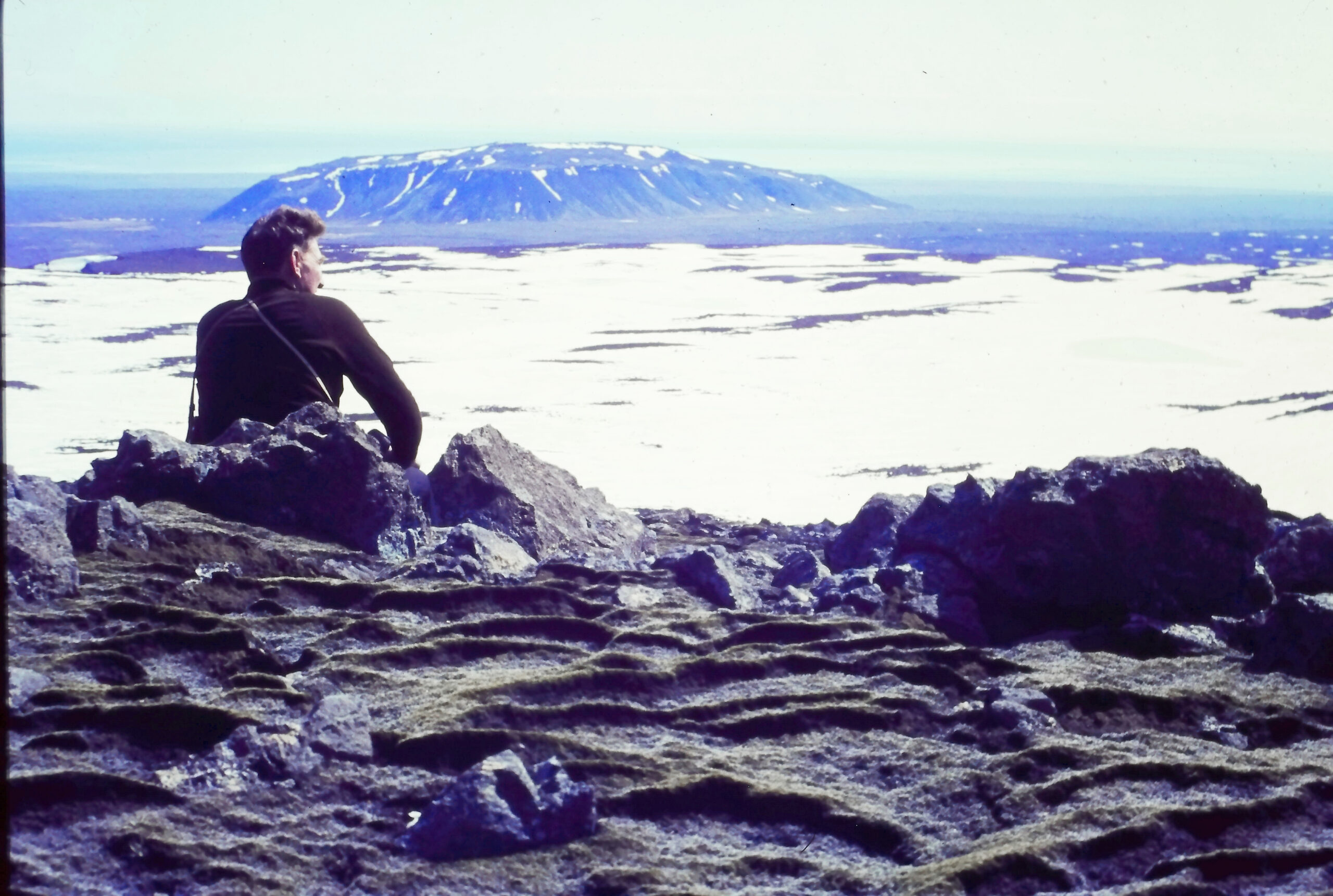
There are documentaries that explain climate change through science and statistics, and then there are films that approach it through grief, memory, and emotional inheritance. Time and Water appears to belong firmly to the second category.
Directed by Academy Award-nominated filmmaker Sara Dosa, the documentary arrives in theaters on May 29 already carrying extraordinary critical praise, described as “magnificent,” “monumental,” and “the most gorgeous documentary of the year.” But what makes the film especially compelling is not simply its visual beauty. It is the deeply human perspective through which it explores environmental collapse.
Rather than positioning climate change as distant abstraction, Time and Water frames it through personal memory, family history, folklore, poetry, and the emotional relationship people have with the places they call home.
And honestly, that emotional approach may ultimately resonate more powerfully than any scientific lecture ever could.
WATCH TRAILER
A Poet Searching for Meaning as the Ice Disappears
At the center of the documentary is renowned Icelandic poet and author Andri Snær Magnason, who becomes both guide and emotional anchor throughout the film.
As Iceland’s glaciers continue melting at accelerating rates, Magnason embarks on a deeply personal attempt to preserve memory itself before the landscapes shaping his identity disappear forever.
That premise alone feels haunting.
Instead of documenting environmental destruction through urgency alone, Magnason constructs a time capsule designed to communicate with future generations, preserving fragments of a disappearing world through stories, photographs, songs, family archives, and cultural memory.
What fascinates me most about this concept is how it transforms climate change into something profoundly intimate.
The film does not simply ask:
“What are we losing environmentally?”
It asks:
“What happens emotionally when a homeland begins disappearing before your eyes?”
That distinction gives the documentary an entirely different emotional gravity.
Sara Dosa Continues Exploring Humanity Through Nature
Sara Dosa has already demonstrated a remarkable ability to blend environmental storytelling with emotional introspection.
Her previous acclaimed documentary Fire of Love transformed volcanology into a poetic reflection on love, obsession, and mortality through the lives of Katia and Maurice Krafft.
With Time and Water, Dosa appears to continue that same artistic philosophy, using natural landscapes not simply as visual subjects, but as emotional mirrors reflecting human vulnerability and impermanence.
And honestly, very few contemporary documentarians approach environmental filmmaking with this level of lyrical sensitivity.
Many climate documentaries focus understandably on catastrophe and urgency. Dosa instead seems interested in emotional connection first, allowing audiences to feel what is at stake before confronting the larger implications.
That emotional accessibility makes the themes feel far more personal.
Iceland Becomes Both Setting and Character
One thing immediately clear from the trailer and early critical response is that Iceland itself plays a central role in the film’s emotional architecture.
The country’s glaciers, volcanic landscapes, black sand coastlines, and shifting weather systems create an atmosphere that feels simultaneously ancient and fragile.
But importantly, the film reportedly avoids reducing Iceland to simple cinematic spectacle.
Instead, Magnason intertwines his own family history with the land itself, using grandparents’ photographs, home movies, folklore, and oral storytelling traditions to reveal how geography shapes emotional identity across generations.
That layering of personal memory and environmental change feels incredibly moving conceptually.
Because climate change often feels emotionally difficult to process precisely because it unfolds gradually. Landscapes disappear quietly. Traditions fade slowly. Emotional attachment erodes over time rather than through singular catastrophe.
Time and Water seems deeply aware of that emotional complexity.
Climate Change Through the Lens of Human Time
What makes the film’s title especially powerful is how directly it gestures toward humanity’s evolving relationship with time itself.
Water moves continuously.
Glaciers shift slowly across centuries.
Human lives remain temporary by comparison.
The documentary reportedly explores these overlapping timelines, personal memory, geological history, cultural inheritance, and environmental transformation, in ways that feel philosophical as much as political.
And honestly, that may explain why critics are responding so strongly.
The best documentaries rarely function solely as information delivery systems. They alter perspective.
Time and Water appears interested in changing how audiences emotionally experience time, mortality, and environmental responsibility itself.
A Documentary About Preservation Beyond Science
Another aspect that feels particularly meaningful is the film’s focus on cultural preservation alongside ecological preservation.
As glaciers disappear, the film suggests, entire emotional and cultural relationships to landscape disappear with them. Folktales, songs, family rituals, memories, and inherited identities become destabilized when the physical world surrounding them changes irreversibly.
That idea feels deeply universal.
Even viewers far removed geographically from Iceland can likely understand the fear of losing places that shape personal memory and identity.
And that universality may be what elevates the film beyond environmental documentary into something far more existential and emotionally resonant.
Visually Stunning Yet Emotionally Grounded
Early reviews repeatedly emphasize the film’s visual beauty, and honestly, that is hardly surprising given Iceland’s extraordinary natural landscapes.
But what seems especially impressive is that the cinematography reportedly avoids empty “nature documentary” aesthetics. Instead, the visuals appear intimately tied to emotional storytelling.
The glaciers are not simply beautiful objects to admire.
They become emotional witnesses.
Living archives.
Symbols of impermanence.
That relationship between image and emotion feels central to Sara Dosa’s filmmaking style overall.
Beauty in her films rarely exists independently from grief or vulnerability. The two emotions tend to coexist simultaneously.
Why Films Like This Matter Right Now
At a time when climate discourse increasingly oscillates between political polarization and emotional exhaustion, films like Time and Water offer something different.
Not denial.
Not panic.
But reflection.
The documentary appears less interested in shouting at audiences than inviting them into a quieter emotional confrontation with impermanence itself.
And honestly, that softer approach may ultimately reach people more deeply.
Because environmental collapse is not simply scientific.
It is emotional.
Cultural.
Psychological.
Spiritual.
Films capable of exploring those dimensions feel increasingly necessary.
Final Thoughts
Time and Water already sounds less like a traditional climate documentary and more like a cinematic elegy for memory, home, and the fragile relationship between humanity and the natural world.
Through Andri Snær Magnason’s poetic reflections and Sara Dosa’s emotionally immersive direction, the film appears to transform melting glaciers into something deeply human:
a meditation on what people choose to preserve when they realize nothing lasts forever.
And perhaps that is ultimately why the documentary feels so emotionally powerful.
Because beneath the environmental urgency lies a quieter, more universal truth:
every generation leaves something behind, and every generation must decide what is worth remembering before it disappears.
For more information, visit here.
She’s All Over the Place Podcast