
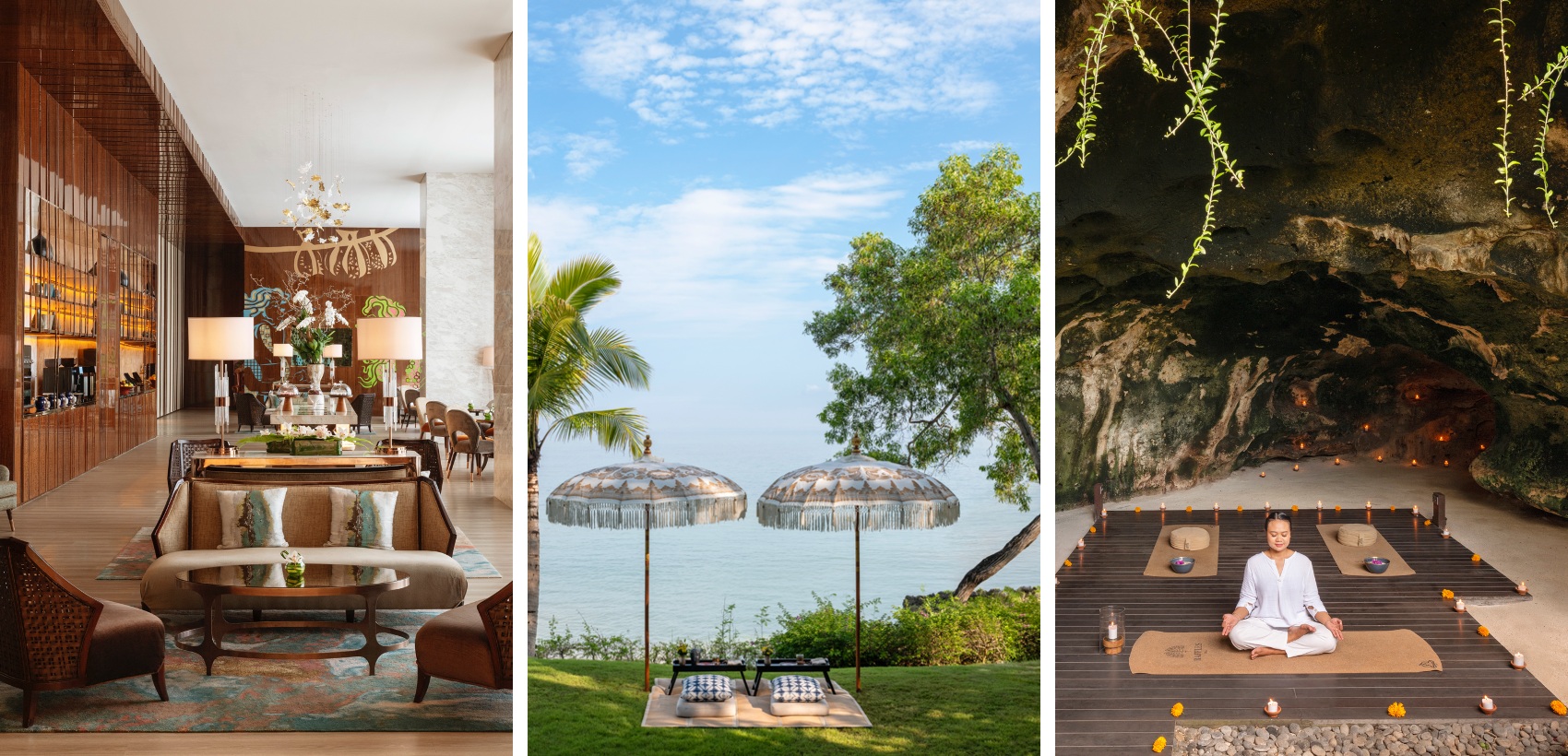
Luxury travel has entered a new era.
For years, travelers pursued singular experiences: one iconic city, one exclusive resort, one bucket-list destination. But increasingly, affluent travelers are seeking something richer and more layered. They want journeys rather than vacations, narratives rather than itineraries, and experiences that reveal the connections between places rather than treating destinations as isolated stops.
This shift is helping revive a concept that once defined elite travel: the grand tour.
Today’s version is less about crossing Europe by train and more about seamlessly connecting cultures, landscapes, and histories across continents. And nowhere is this trend more visible than in Asia, where a growing number of travelers are combining multiple destinations into carefully curated journeys that balance urban exploration, cultural immersion, wellness, and heritage.
One hospitality brand betting heavily on this evolution is Raffles, whose collection of historic hotels and resorts is increasingly being positioned as a gateway to some of Asia’s most compelling travel experiences. Rather than encouraging guests to stay in a single property, the focus is shifting toward multi-city adventures that reveal the diverse character of an entire region.
Why Multi-Destination Travel Is Making a Comeback
The pandemic years fundamentally changed how many people think about travel.
Rather than rushing through packed schedules, travelers became more intentional about where they go and how they spend their time. Longer stays gained popularity, but so did journeys that combined several destinations into one cohesive experience.
Today’s luxury traveler often wants contrast.
A bustling city followed by a secluded beach.
A historic palace paired with a contemporary cultural hub.
Ancient traditions balanced by modern wellness.
What stood out to me is how this approach reflects a broader desire for depth. Travelers are no longer satisfied with simply checking landmarks off a list. They want to understand how places connect, how cultures evolve, and how different destinations reveal different dimensions of a country.
Asia, with its extraordinary diversity, is uniquely positioned to satisfy that curiosity.
Singapore: A Tale of Heritage and Reinvention
Few cities illustrate Asia’s transformation better than Singapore.
Long regarded as one of the world’s great gateway cities, Singapore continues to attract travelers with its unique blend of colonial history, futuristic architecture, culinary innovation, and multicultural identity.
Yet what makes Singapore particularly interesting today is the contrast between its past and future.
Historic landmarks continue to define the city’s character, while new developments reflect its ambitions as a global center of design, technology, and luxury.
The coexistence of heritage and reinvention mirrors a broader trend shaping luxury hospitality. Travelers increasingly want both authenticity and innovation. They seek experiences rooted in history while embracing contemporary comforts and modern design.
Singapore’s ability to offer both helps explain why it remains one of Asia’s most important starting points for regional exploration.
Indonesia’s Two Personalities
Indonesia offers one of the most fascinating examples of destination pairing.
For many international visitors, Bali represents tranquility, spirituality, and natural beauty. The island has built its reputation around wellness, culture, and a slower pace of life that encourages reflection and restoration.
Jakarta, by contrast, presents a completely different energy.
As one of Southeast Asia’s largest metropolitan centers, it embodies the dynamism of modern Indonesia. It is a city where business, art, fashion, and entrepreneurship intersect at remarkable speed.
Together, these destinations reveal two sides of the same nation.
One offers escape.
The other offers engagement.
The most memorable journeys often emerge from precisely this kind of contrast, allowing travelers to experience a country’s complexity rather than a single dimension of its identity.
Rajasthan and the Enduring Appeal of Royal India
Luxury travel in India has long been associated with palaces, royal traditions, and extraordinary hospitality.
Yet Rajasthan continues to evolve beyond those familiar images.
Cities such as Jaipur increasingly blend historical grandeur with contemporary creativity. Traditional craftsmanship thrives alongside modern design, while heritage landmarks coexist with emerging cultural institutions and culinary innovation.
Meanwhile, destinations like Udaipur offer a slower and more contemplative experience. Lakes, temples, gardens, and centuries-old architecture create an atmosphere that feels remarkably detached from the pressures of modern life.
What I find particularly interesting about Rajasthan is how it demonstrates that heritage tourism does not have to feel static. The region succeeds because it treats history as a living experience rather than a museum exhibit.
Visitors encounter culture not as spectators but as participants, whether through cuisine, artisan traditions, architecture, or local storytelling.
Cambodia’s Living History
Perhaps nowhere is the relationship between past and present more visible than in Cambodia.
Many travelers arrive with one image in mind: the extraordinary temples of Angkor.
Yet Cambodia’s story extends far beyond its most famous archaeological site.
Phnom Penh reveals a nation that continues to redefine itself through art, architecture, cuisine, and cultural renewal. It is a city where royal traditions coexist with contemporary creativity and where historical reflection exists alongside optimism for the future.
Siem Reap, meanwhile, offers access to one of humanity’s greatest cultural achievements. The temples of Angkor remain astonishing not only because of their scale but because they continue to inspire awe centuries after their creation.
Together, these destinations create a richer understanding of Cambodia, one that moves beyond iconic monuments and into the lived realities of a modern nation.
The Rise of Experiential Luxury
Underlying all these journeys is a broader shift occurring across the luxury travel industry.
For decades, luxury was often defined by tangible markers: larger suites, exclusive amenities, and extravagant facilities.
Today’s travelers increasingly define luxury differently.
Privacy.
Personalization.
Authenticity.
Time.
Meaningful access.
These qualities have become just as important as physical comfort.
The most sought-after experiences are often those that provide unique perspectives, whether that means a private cultural encounter, a deeper connection to local traditions, or an itinerary tailored around individual interests rather than standardized tourism.
This evolution reflects a simple truth: experiences create stronger memories than possessions.
The Future of Luxury Travel Is Connected
As global travel continues to recover and evolve, one trend seems increasingly clear.
The future belongs not merely to exceptional destinations but to exceptional journeys.
Travelers want stories that unfold across multiple locations. They want connections between landscapes, cultures, and experiences. They want to understand places in context rather than isolation.
From Singapore’s urban sophistication and Indonesia’s contrasting energies to Rajasthan’s royal heritage and Cambodia’s cultural treasures, Asia offers an extraordinary canvas for this style of exploration.
The return of the grand tour is not about nostalgia. It is about recognizing that the most rewarding travel experiences are often those that reveal how different places, histories, and cultures fit together.
And in a world where meaningful experiences have become the ultimate luxury, that may be the most valuable journey of all.
For more information on Raffles Hotels & Resorts, please visit raffles.com