
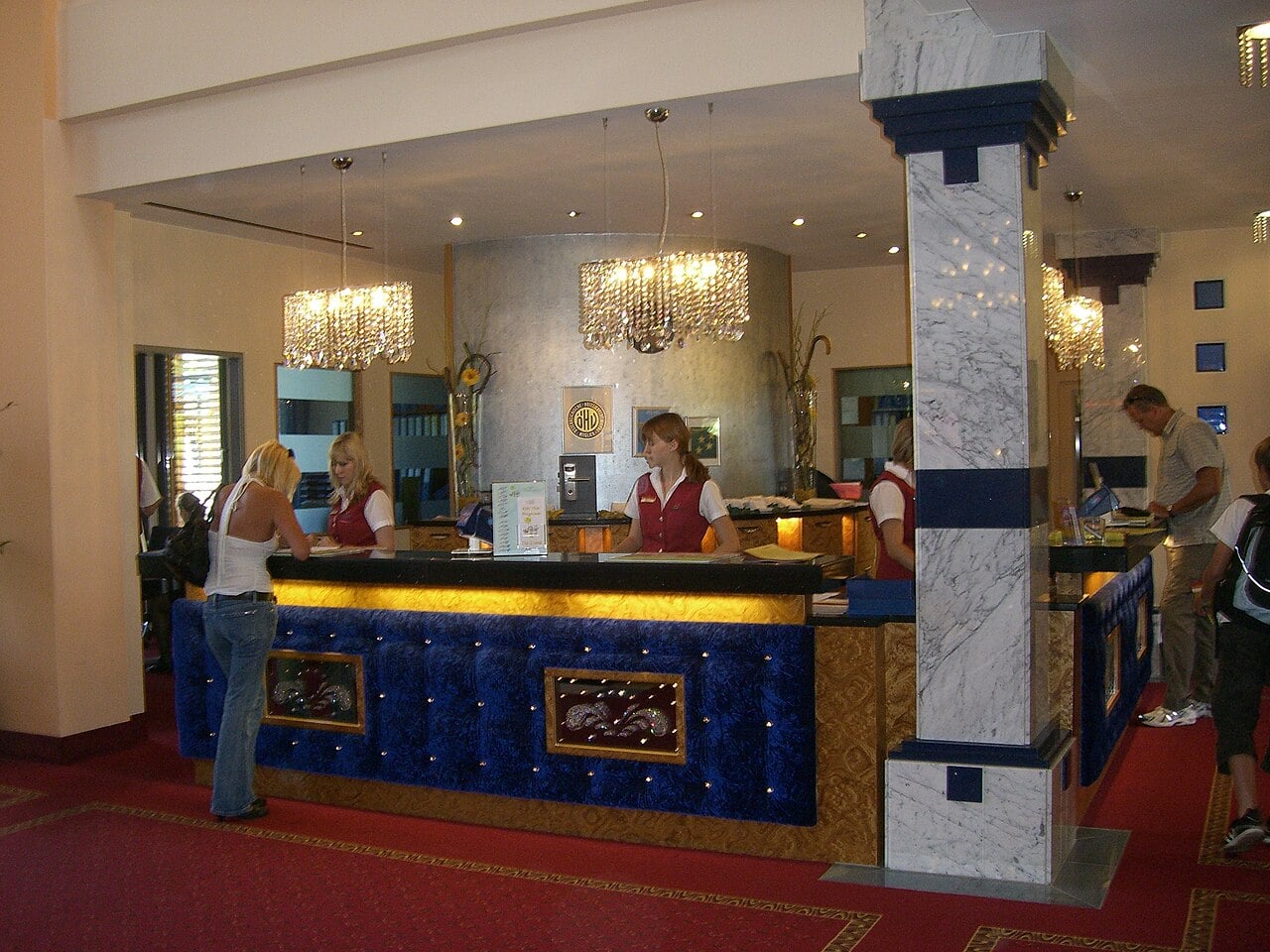
Yes, asking for a hotel upgrade actually works, and it works far more often than most travelers expect. Hotels would rather fill a better room with a happy guest than leave it empty, and a polite request at the right moment, booked through the right channel, turns an ordinary reservation into a meaningfully better stay surprisingly often.
It comes up again and again in travel forums: a guest mentions their anniversary at check-in and ends up two categories higher, or a quiet email the day before arrival produces a corner room with a view. None of this is magic. Upgrades are inventory management, and once you understand how the front desk thinks, you can tilt the odds heavily in your favor. Here is what actually moves the needle.
Why Hotels Give Upgrades at All
An empty suite earns the hotel nothing. Every night a premium room sits unsold, its revenue is gone forever, which is why front desks have wide latitude to move guests upward when occupancy allows. The upgrade costs the hotel almost nothing in marginal terms, a bit more housekeeping, while the goodwill it creates shows up in reviews, return visits, and loyalty.
That economics lesson explains the single biggest factor: timing. A hotel running at 60 percent occupancy on a Tuesday night has rooms to give. The same hotel at 98 percent on a Saturday during a citywide convention has nothing. Your request does not change the inventory. It only changes whether you are considered when inventory is available.
Research backs up the value of the upgrade itself. A study of more than 11,000 hotel reviews across Shangri-La properties found that guests who received complimentary upgrades rated their stays 4.7 out of 5, compared with lower scores for guests who received nothing, and even paid upgrades lifted satisfaction roughly 25 percent above the no-upgrade baseline. Hotels know this math. A well-placed upgrade is one of the most affordable ways to manufacture a five-star review.
Book Direct, Always
The first rule of upgrade strategy happens before you arrive: book direct with the hotel rather than through a third-party site. Direct bookings carry higher margins for the property, they arrive with your loyalty number attached, and the front desk can see the full reservation details. Third-party reservations, especially prepaid ones, often arrive as opaque vouchers that limit what the desk can do.
This is doubly true for loyalty members. Elite status in hotel loyalty programs that pay off is the single strongest upgrade lever that exists, because many programs guarantee or prioritize upgrades for their top tiers as a published benefit. A mid-tier elite asking politely will beat a non-member with a clever script every time. If you stay even ten nights a year with one chain, concentrating those nights to earn status pays for itself in upgrades alone.
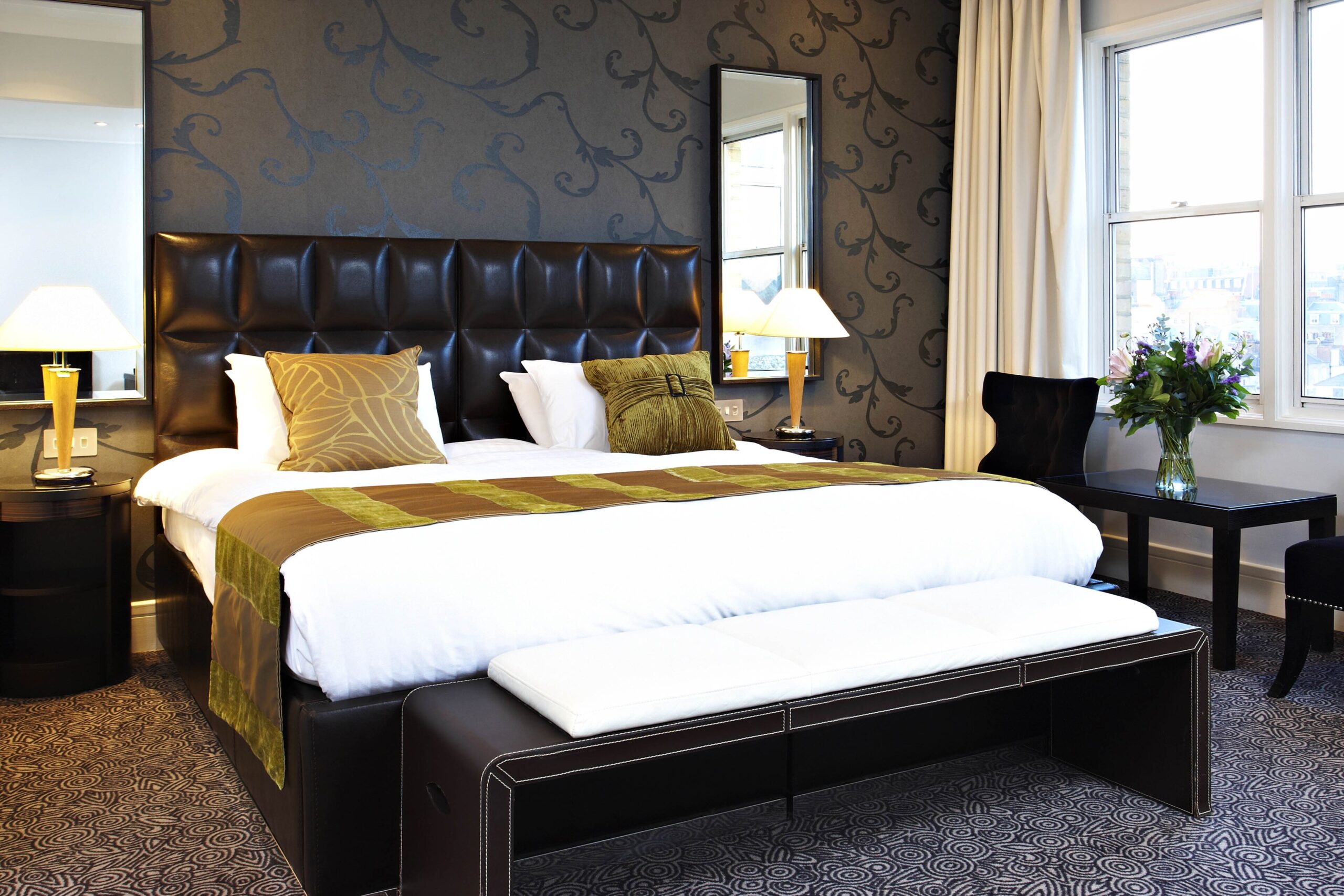
Length of stay matters too. Single-night stays are the easiest to upgrade because the hotel does not have to protect the room for a multi-night guest behind you. If you are passing through for one night, say so. The desk loves a guest it can delight without tying up inventory.
The Email That Works: 24 to 48 Hours Before
The highest-converting upgrade tactic is also the simplest: email the hotel a day or two before check-in. Keep it short, warm, and specific. Include your confirmation number, your arrival time, and one genuine detail, an anniversary, a birthday, a first visit to the city. You are not demanding anything. You are giving the front office manager a reason to remember your name when they review tomorrow’s arrivals.
A template that works: greet them by the property name, state your reservation dates and confirmation number, mention the occasion in one sentence, note that you would be grateful for any upgrade consideration if availability allows, and close politely with your name. That is it. No groveling, no entitlement, no list of demands.
Why email beats a phone call: the message lands on the right desk, it can be forwarded, and it sits there as a reminder when the arrivals list is reviewed. A phone request depends on who picks up, whether they are busy, and whether they remember the conversation an hour later. Email is persistent. Send it 24 to 48 hours before arrival so it is fresh in the pre-arrival meeting but not so early that it gets buried.
Check-In Tactics That Tilt the Odds
Arrive in the sweet spot: Tuesday through Thursday, between 2 and 4 PM. Midweek arrivals face the softest occupancy, and the early afternoon window means the desk knows exactly which rooms are clean and available. Late-night arrivals can occasionally score upgrades too, since unsold premium rooms become perishable, but the 2 to 4 PM window is the reliable play.
At the desk, be the guest they want to upgrade. Smile, be patient if there is a line, and make your request a question, not a demand. “Are there any complimentary upgrades available today?” is the entire script. If the answer is no, accept it gracefully and ask about a paid upgrade instead. Front desks often sell upgrades at check-in for a fraction of the online price difference, sometimes $50 to $150 a night to jump one or two categories, which can be excellent value on a special trip.
Dress reasonably well. It should not matter, but front desk agents are human, and the guest who looks like they belong in the suite gets the suite more often. Kindness is the real currency, though. Agents remember the guests who were pleasant, and the upgrade notes they write reflect it.
The Upgrades Worth Asking For
Not all upgrades are equal. A corner room is often the best realistic win: corner rooms are typically larger and quieter than standard rooms on the same floor, with more windows, and they are rarely the rooms hotels sell first. Ask for a high floor at the same time. The combination of corner plus high floor is the sweet spot of achievable upgrades.
A one-category bump, from a standard king to a deluxe king or a partial-view room, is the most common outcome and still meaningful. The leap to a true suite is rarer and usually reserved for elite members, Virtuoso and preferred-partner bookings, or genuine special occasions at low occupancy. Set your expectations accordingly: the goal is a better room, not the presidential suite.
In Las Vegas, the famous $20 sandwich, slipping a folded bill between your ID and credit card while asking about upgrades, still circulates in travel lore. It occasionally works at large Vegas properties with upgrade-friendly desk cultures, but the amount has inflated over the years, and at true luxury properties it reads as gauche rather than clever. A polite question outperforms a bribe almost everywhere outside Nevada.
When Asking Will Not Work
No tactic overcomes a sold-out hotel. During major events, holidays, and peak season weekends, the upgrade pool is zero and every request fails gracefully. Similarly, deeply discounted prepaid rates and opaque bookings give the desk little room to maneuver, which is another reason the direct-booking rule matters.
Status still rules. A hotel with ten elites requesting upgrades and three available rooms will satisfy the highest tiers first, and no email script jumps that queue. This is why the long game, concentrating stays to earn status, beats any single-trip tactic. With five-star hotel rates in 2019 versus 2026 showing how far nightly prices have climbed, the dollar value of each earned upgrade keeps rising too.
The Bottom Line
Asking for a hotel upgrade works because the economics favor it: empty premium rooms earn nothing, and happy upgraded guests write better reviews. Book direct, email 24 to 48 hours ahead with your confirmation number and one genuine detail, arrive midweek in the early afternoon, and ask politely at the desk. You will not win every time. You will win far more often than the travelers who never ask at all.
