
Is basic economy worth it on long-haul flights? For most travelers, no. The typical savings of $100 to $300 per person on a transatlantic or transpacific ticket buys real discomfort across eight to fourteen hours: no advance seat selection, last boarding group, no changes or refunds, and no miles earned. On a two-hour domestic hop, those restrictions are minor annoyances. On a 10-hour overnight flight to Europe, they compound into a meaningfully worse trip. The fare makes sense only for flexible solo travelers with one bag who would pick the lowest-priced option regardless.
Travelers constantly ask about this in travel forums because the price gap looks tempting right up until the restrictions sink in. Here is exactly what each major airline takes away, what the savings really look like on long-haul routes, and the narrow cases where basic economy is the right call.
What Basic Economy Takes Away
The core trade is identical across airlines: you get the same physical seat in the same economy cabin, but nearly all control over the ticket is stripped out. The restrictions that matter most on long-haul flights are seat selection, changes, boarding position, and baggage.
No Advance Seat Selection
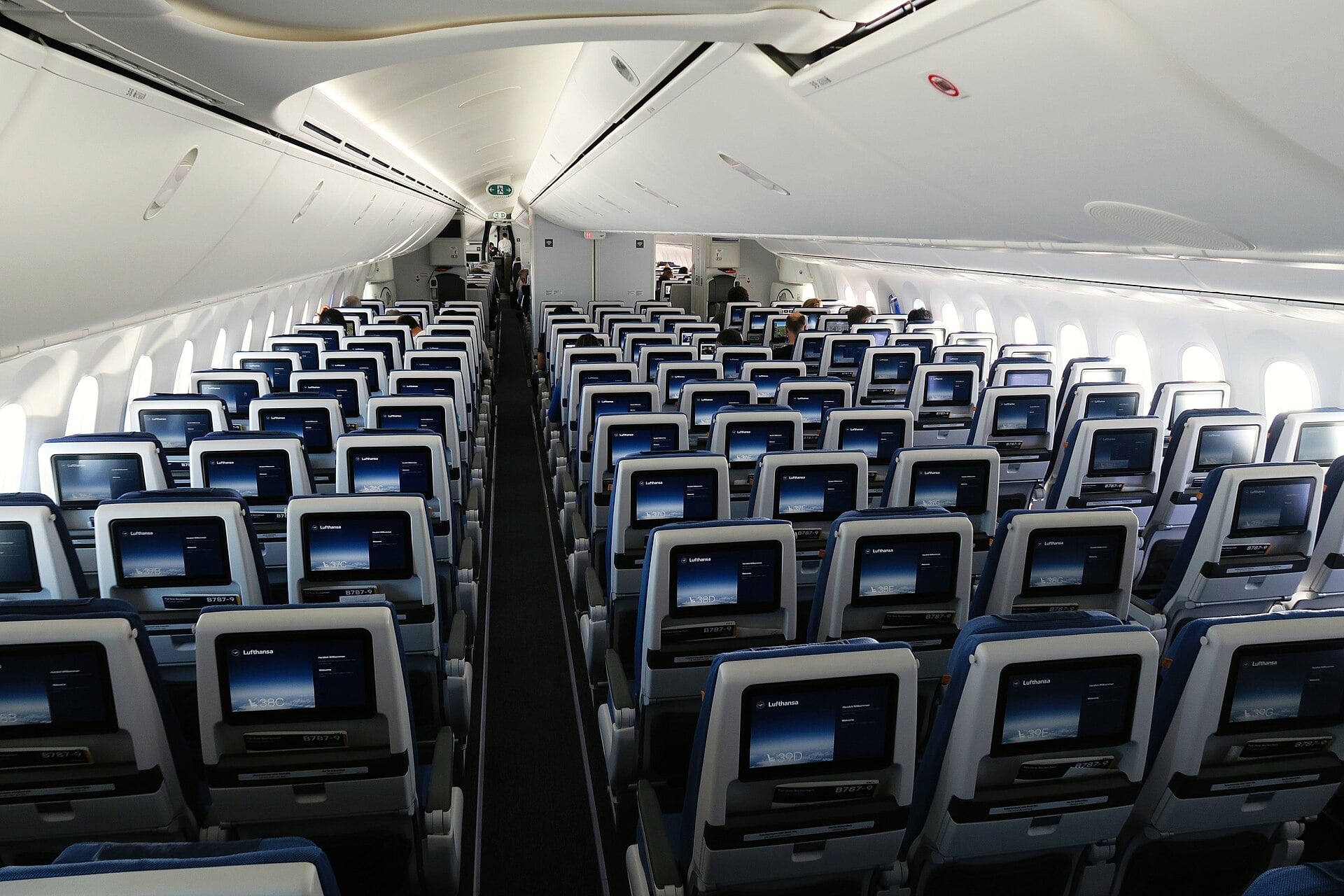
This is the restriction that hurts most on long flights. Basic economy passengers are assigned seats at check-in, which in practice means middle seats and scattered placement. Couples and families booking basic economy are routinely split across the cabin. Delta, now branding its basic fare as Main Basic, assigns seats only after check-in with no exceptions, even for Medallion elites.
No Changes, No Refunds, Last to Board
Basic economy tickets cannot be changed on any major US carrier. If your plans shift, you forfeit the fare or, on some airlines, receive a partial eCredit minus a cancellation charge. Delta bars changes on flights originating in the US, Canada, and the Caribbean. During the pandemic some airlines temporarily allowed basic economy changes, but those policies ended in 2022, and the fare is once again use-it-or-lose-it.
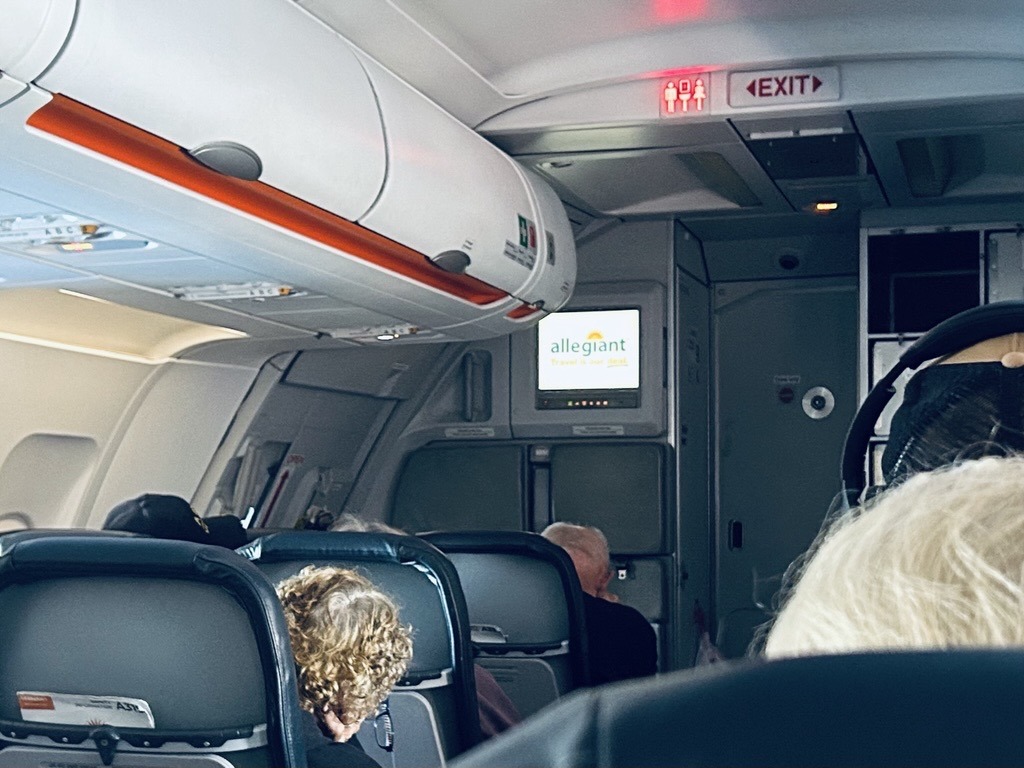
Boarding position matters more than it sounds. Basic economy boards last: Zone 8 on Delta, the final group on American and United. On a full long-haul flight, overhead bin space is gone by the time you board, which means a forced gate check and a wait at the carousel. United adds a harsher twist on domestic routes, restricting basic economy passengers to a personal item only, though long-haul international United basic economy does include a carry-on.
No Miles, No Upgrades, No Status Credit
The loyalty math has gotten worse every year. Delta stopped awarding SkyMiles on basic economy fares in 2021. American eliminated AAdvantage miles and Loyalty Points earning on basic economy in December 2025. United followed in April 2026. Basic economy also earns no credit toward elite status on any of the big three, and upgrades, paid or complimentary, are barred. Alaska is the outlier: its Saver fare still earns miles at 30 percent of distance flown.
Baggage: Mostly the Same, With Exceptions
On long-haul international routes, baggage rules for basic economy generally match the main cabin: Delta allows a carry-on and personal item, with checked bags available for a fee (typically around $45 for the first bag on international routes, varying by destination). Elite status and co-branded credit card free-bag benefits still apply. The baggage trap is mostly domestic, where United’s personal-item-only rule catches travelers by surprise.
The Real Price Gap on Long-Haul Routes
The savings are real but modest relative to the total trip cost. There is no fixed discount; the gap varies by route, date, and demand. Observed examples give the shape of it.
On US to UK routes, basic economy has been observed at more than $100 less than main cabin each way. On Hawaii routes, the gap runs up to $60 each way on West Coast departures and close to $100 each way from the East Coast, meaning $120 to $200 roundtrip to escape the most restrictive fare. Domestic US routes show gaps as small as $40 each way.
Do the arithmetic on a typical long-haul booking. A $750 basic economy fare versus a $950 main cabin fare to Europe saves $200 per person, or $400 for a couple. That is meaningful money. But measured against a $3,000 trip budget including hotels, it is under 7 percent, and it buys the worst seats on the plane, no flexibility if plans change, and zero miles. The savings look biggest in isolation and smallest in the context of the whole journey.
One more pricing reality: basic economy is not always available. Airlines manage inventory by fare bucket, and on high-demand flights the basic economy bucket may be sold out while main cabin remains, which means the “savings” disappear exactly when you most want to travel.
When Basic Economy Makes Sense on Long-Haul
The fare is defensible in a handful of specific situations.
Solo travelers with total flexibility are the prime candidates. If you travel alone, carry one bag, genuinely do not care where you sit, and your dates are carved in stone, basic economy is rational. The restrictions that punish groups and planners barely touch you.
Short long-haul flights change the calculus. A six-hour New York to London daytime flight in basic economy is a different proposition from a 14-hour Los Angeles to Sydney overnight. The shorter the flight, the less seat selection and boarding position matter.
Price-first bookers who would never pay for extras anyway lose the least. If you never check bags, never change flights, and never cared about miles, basic economy strips away things you were not using. Just make sure that description actually fits you, because most travelers overestimate their flexibility until a meeting moves or a bag needs checking.
Travelers with airline credit cards can also blunt the worst restrictions. A co-branded card often restores free checked bags and earlier boarding even on basic economy fares, which removes two of the biggest pain points while keeping the discount. Check your card’s benefits before booking.
The Long-Haul Basic Economy Survival Kit
If you do book basic economy for a long flight, a few moves meaningfully improve the experience.
Check in the instant the window opens, exactly 24 hours before departure on most airlines. Earlier check-in means earlier seat assignment, which means better leftover seats and a better shot at sitting together. Set an alarm; this is the single highest-leverage action available to basic economy passengers.
Pack for the overhead bin gamble. Board last with a carry-on and you may be forced to gate-check, so keep medications, documents, entertainment, and a change of clothes in your personal item. Wear your bulkiest layers and shoes on the plane to shrink your bag.
Bring your own comfort. A good neck pillow, earplugs or noise-canceling earbuds, and an eye mask cost less than $50 combined and matter more in a middle seat than any fare upgrade. Download entertainment in advance, since basic economy gets the same seatback screens and Wi-Fi as everyone else; the screen is one thing the fare does not take away.
The Upgrade Question
The most common follow-up question in travel forums is whether to pay the difference for main cabin, premium economy, or business class instead. Our breakdown of business class versus premium economy covers the middle cabins in detail, and the first class guide covers the top end. The short version for long-haul: the jump from basic economy to main cabin ($100 to $300) buys flexibility and miles; the jump to premium economy ($500 to $1,500 more) buys the sleep that actually matters on overnight flights.
The Verdict
Basic economy on long-haul flights is worth it only when the savings meaningfully exceed the value of what you give up, which for most travelers means rarely. The $100 to $300 discount is real, but it purchases the worst seat assignment, the last boarding group, zero flexibility, and zero miles across the longest, most exhausting flights in commercial aviation. Solo, flexible, one-bag travelers can take the deal with eyes open. Couples, families, planners, and anyone who values arriving rested should pay for main cabin and consider the difference the most affordable travel insurance they will ever buy.
