
Premium economy was supposed to end the debate. It promised meaningful comfort at a fraction of the business class fare, and for many travelers it delivers exactly that. But the question persists on every long-haul booking: is business class worth it over premium economy, or is the middle cabin the sweet spot that makes the upgrade unnecessary?
The answer depends on the length of the flight, the price gap on your specific route, and how much you value sleep. Here is the full comparison.
The Seat: The Decisive Difference
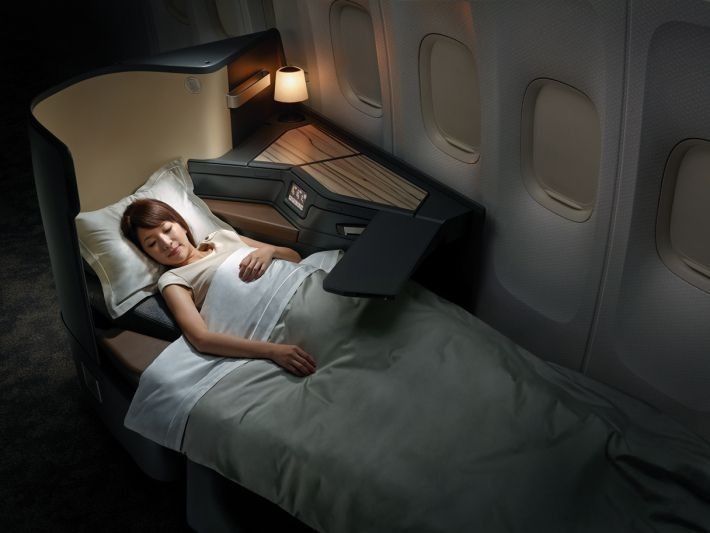
This is where the cabins diverge most. Business class on virtually all major long-haul carriers now means a lie-flat bed with direct aisle access, typically in a 1-2-1 configuration. You can stretch out fully horizontal, sleep on your side, and arrive with your body in far better shape.
Premium economy gives you a wider seat with more recline and legroom than economy, usually around 38 inches of pitch versus 31 to 32 in economy, plus a leg rest and footrest on many airlines. It is genuinely more comfortable for sitting. It does not let you lie flat, and on an overnight flight, that is the entire ballgame.
If you can sleep sitting up, premium economy is a strong value. If you cannot, and most people cannot sleep well upright, no amount of extra recline substitutes for horizontal.
Food, Service, and the Ground Experience
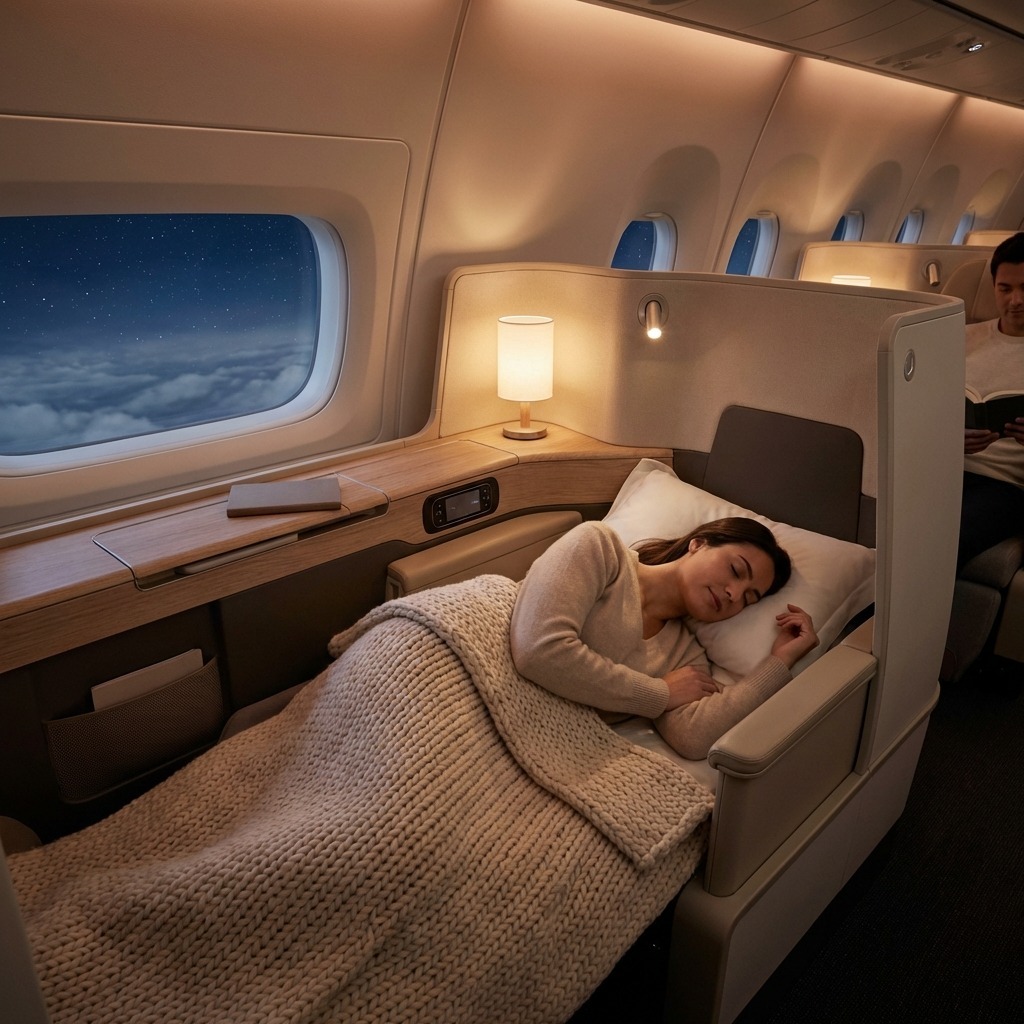
Business class brings upgraded dining, often multi-course with real plating, better wines, and dine-on-demand options on top carriers. Premium economy usually gets an upgraded version of the economy meal, served on nicer dishware, which is pleasant but not transformative.
Service ratios favor business class heavily, with far fewer passengers per crew member. On the ground, business class tickets include lounge access, priority check-in, priority boarding, and faster baggage. Premium economy sometimes includes priority boarding and a little extra baggage allowance, but generally no lounge. Those ground perks add real comfort on complicated itineraries with tight connections.
Amenity kits, pajamas on some airlines, and turndown service round out a business class experience that feels like a different journey, not just a better seat.
The Price Gap
Here is where premium economy makes its case. On typical long-haul routes, rough round-trip fare bands look like this: economy $800 to $1,800, premium economy $1,500 to $3,000, and business class $3,500 to $7,000. Premium economy often prices at 1.5 to 2 times economy, while business class runs 2 to 4 times premium economy.
That gap is the whole debate. Is the lie-flat bed and the full premium experience worth double or triple the premium economy fare? Sometimes the gap narrows dramatically, during sales, on competitive routes, or with upgrade offers, and the decision gets easy. Always price both before assuming. Travelers hunting the lowest fare should also read whether basic economy is worth it on long-haul flights before booking.
When Business Class Is Worth It Over Premium Economy
- Overnight long-hauls. On a 10-plus hour night flight, the lie-flat bed is the difference between arriving functional and arriving wrecked. This is the strongest case for business class.
- Back-to-back travel days. If you land and go straight to work, a wedding, or a packed sightseeing schedule, protected sleep has real value.
- Special trips. Honeymoons and milestone journeys deserve the full experience, and the flight becomes part of the memory.
- When the gap is small. A $400 buy-up at check-in or a modest fare difference during a sale makes business class a clear yes.
- With miles. Business class award seats are far more available than first class awards, and the points value is usually excellent.
When Premium Economy Is the Smarter Buy
- Daytime flights. Awake for most of the journey, you will use the seat for sitting, and premium economy’s wider recliner is plenty comfortable.
- Shorter long-hauls. On a seven to eight hour flight, the sleep advantage of business class matters less.
- Budget-conscious luxury. Premium economy delivers maybe 60 percent of the comfort upgrade for 30 to 40 percent of the price premium. That ratio is hard to beat.
- When the savings fund the destination. The $2,000-plus you save can become an unforgettable week. Put it toward one of the best luxury hotel chains in the world, or toward the kind of immersive itinerary we outline in our guide to luxury travel in South Korea.
- Good sleepers. If you genuinely rest well in a reclined seat, you are the ideal premium economy customer.
A Note on Airline Differences
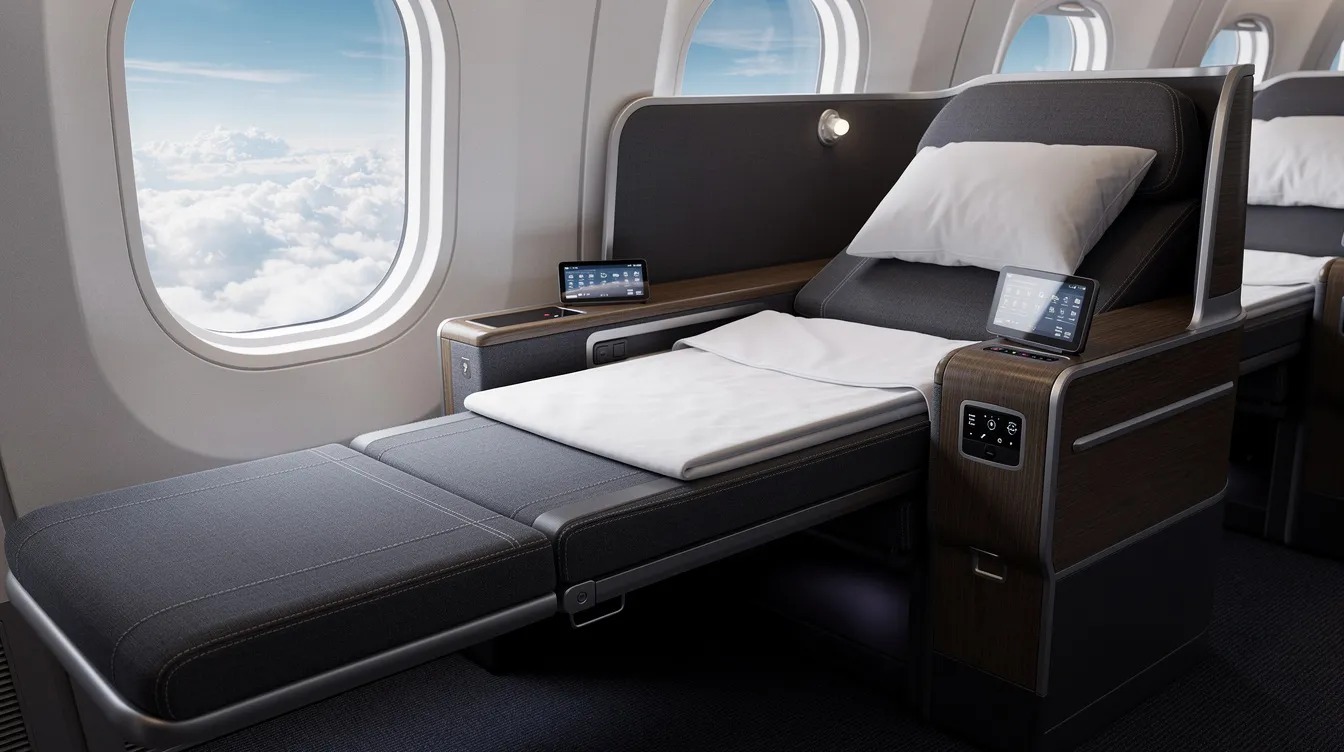
Not all premium economy cabins are equal. Carriers like ANA, Japan Airlines, and Virgin Atlantic offer standout premium economy products with generous space and thoughtful service, narrowing the gap to business class. Others offer little more than an economy seat with extra inches. Similarly, business class ranges from dated angled seats on some aircraft to spectacular suites with doors on others. Always check the specific aircraft and seat maps for your flight, because the cabin names alone do not tell the full story.
The Upgrade Math at Check-In
Airlines frequently offer discounted buy-ups to business class at check-in or at the gate, and this is where the value equation can flip. A $300 to $600 upgrade offer on a long overnight flight is often an outstanding deal compared with the fare difference at booking. Always check the airline app starting 24 hours before departure, and ask at the gate if the app shows nothing. These offers are capacity-driven and unpredictable, but when they appear, premium economy passengers are first in line for the bargain.
The Verdict
Is business class worth it over premium economy? For overnight flights where sleep determines the quality of your trip, yes, more often than travelers expect. For daytime flights and shorter long-hauls, premium economy is one of the best values in commercial aviation and the upgrade is a luxury rather than a necessity.
Our rule of thumb at David’s Guide: buy premium economy as your default on long-haul, and upgrade to business class when the flight is overnight, the occasion is special, or the price gap shrinks. It is the same value discipline we apply everywhere in luxury travel, including when we ask whether Regent Seven Seas is worth the extra money on the cruise side. Spend where it changes the trip, save where it does not.
