
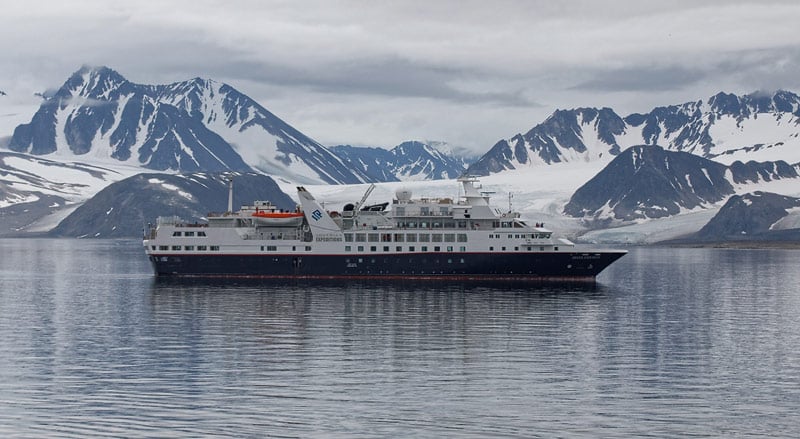
A mainstream cruise costs around $106 to $170 per person per night. A small-ship cruise costs $400 to $1,000 or more. That is a 3x to 8x premium, and it is the question I get from every traveler eyeing Windstar, Seabourn, or Azamara: is the small ship actually worth it, or are you paying for exclusivity theater?
I have spent years shooting from tenders, docks, and decks. Here is the math and the experience, separated honestly.
What counts as a small ship, and what it costs
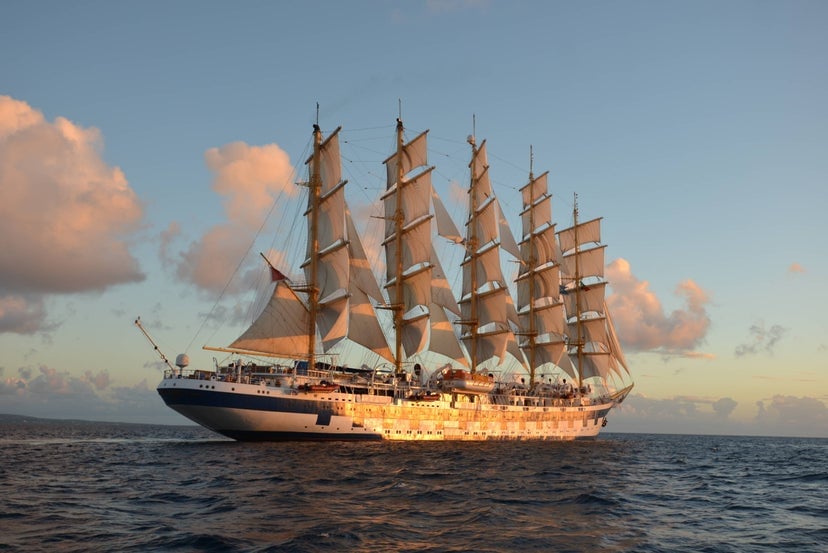
Small ships run roughly 100 to 999 guests, where you find the luxury lines and expedition operators. The names that matter:
- Seabourn: 450 to 600 guests, averaging $800 to $1,100 per person per night depending on itinerary. All-inclusive leaning: drinks, specialty dining, unlimited Wi-Fi folded in, gratuities not expected.
- Silversea: roughly 600 to 730 guests, $700 to $1,000 a night on classic itineraries, more for expeditions. Often bundles airfare and transfers in door-to-door packages.
- Windstar: 148 to 342 guests, around $400 to $600 a night, with an average tracked fare near $379 per person per night. Drinks and specialty dining included. In 2026 rankings it landed essentially tied with Viking Ocean for guest satisfaction.
- Azamara: four ships, each under 700 guests. Seven-day sailings run $1,000 to $1,400 per person, with drinks, gratuities, and self-service laundry included. The signature pitch: longer stays in port, including overnights.
- Regent Seven Seas: genuinely all-inclusive, drinks, specialty dining, and shore excursions included. Seven days runs $2,500 to $3,500 per person, which stops sounding absurd once you realize you will not spend another dime.
- Viking Ocean: 930 guests, near identical ships, averaging $673 per person per night.
- Oceania: around $385 per person per night, the value end of the premium tier.
Compare: Carnival averages $106 per person per night, Royal Caribbean and Norwegian $131, Celebrity and Holland America $170. The mainstream lines look less expensive until you add drinks ($65 to $105 a day for packages), Wi-Fi, gratuities ($18 to $20 a day), and specialty dining. A $131-a-night Royal Caribbean sailing with the drinks package and Wi-Fi is suddenly $230 a night. The gap narrows, though it never closes.
What the premium actually buys
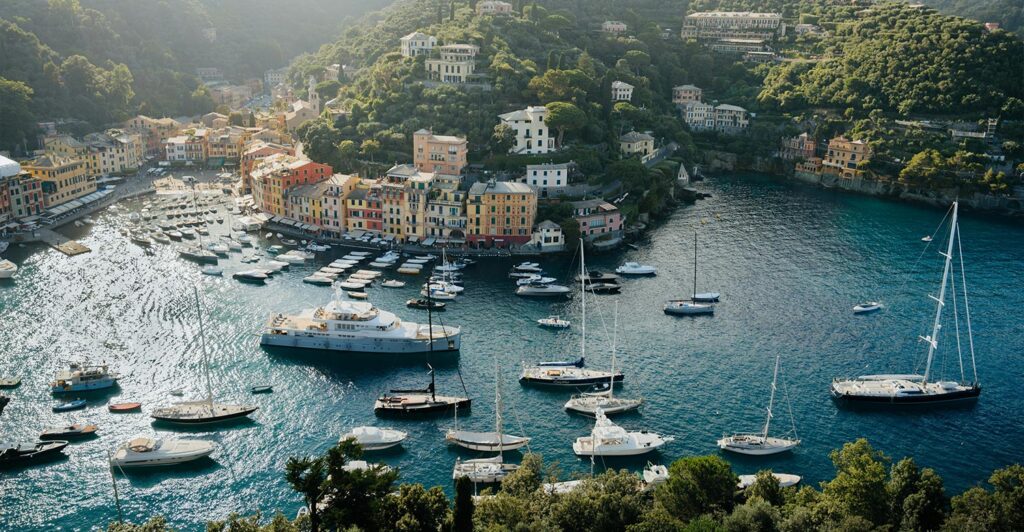
Ports the big ships cannot touch. This is the real product. A 5,000-passenger ship cannot enter Kotor, cannot sail up the Garonne to Bordeaux, cannot tuck into St. Barts. Small ships draw little water and need no giant terminal, so the itinerary is the point, not the ship. If you have done the Caribbean mega ship circuit and want the Greek isles beyond Santorini or the Dalmatian coast beyond Dubrovnik, small ships are the only way.
Time ashore. Azamara's whole brand is late departures and overnight port stays. A mega ship gives you eight hours in port, three of them in a tender queue. A small ship gives you the evening in port, dinner ashore, the town after the day trippers leave. On a port-intensive itinerary, this is transformative.
The onboard atmosphere. No water slides, no bumper cars, no 6,000-person muster drill. Open-seating dining, destination lecturers, and crew who learn your name by day two. Cabins skew larger. For travelers who find mega ships exhausting, the small ship is not a luxury, it is the only cruise they would enjoy.
All-in pricing. When drinks, gratuities, Wi-Fi, and sometimes excursions are included, the onboard bill stops being a source of anxiety. I have seen too many mainstream cruises where the final folio rivals the fare. On Regent or Seabourn, the number you booked is the number you paid.
When it is NOT worth it
If you want the mega ship experience, the water park, the Broadway shows, the 20 restaurants, do not pay triple for a small ship that has none of it. That is not a worse product, it is a different one, and buying it by mistake is the only true waste of money here.
If you are price sensitive and mostly want sea days and sunshine, a mainstream line with a drinks package is the rational buy. The per-night gap is real even after you normalize for inclusions.
And be honest about your itinerary: a small ship doing a generic Caribbean loop with the same ports as the big ships is paying for intimacy alone. The premium pays off on port-intensive, unusual itineraries. On a milk run, it is a very expensive vibe.
My verdict
Small-ship cruises are worth the premium for travelers who care about destinations over amenities, and for anyone who finds mega ships overwhelming. The value hierarchy in 2026: Windstar and Azamara are the smart money, delivering the small-ship experience at $400 to $700 a night with real inclusions. Seabourn and Silversea are the splurge, worth it for special itineraries and the service level. Regent is the all-in peace of mind play.
The comparison that matters is not small ship versus mainstream. It is the best luxury cruise lines ranked against what you actually want from a week at sea. If the answer is ports, quiet, and a crew that knows your coffee order, the premium is worth every dollar. If the answer is the ship itself, save your money and book the mega ship.
One last thought: the best small-ship value in the industry right now might be Windstar at under $400 a night, ranked within a hair of Viking Ocean for satisfaction. That is a premium product at a non-premium price, and it will not stay that way.
H2 quick answers
How much more do small-ship cruises cost?
Roughly 3x to 8x the mainstream per-night fare: $400 to $1,000-plus per person per night versus $106 to $170 on mainstream lines. Inclusions like drinks, gratuities, and Wi-Fi narrow the gap but do not close it.
Which small-ship cruise line is the best value?
Windstar and Azamara. Windstar averages under $400 per person per night with drinks and dining included and ranked near the top of 2026 guest satisfaction. Azamara includes drinks, gratuities, and laundry with destination-immersive itineraries.
Are small-ship cruises better for couples?
Generally yes. The quieter atmosphere, open-seating dining, and port-intensive itineraries suit couples far better than the family-heavy mega ships. If you are considering a bucket list sailing, also weigh whether an Antarctica cruise is worth the money, where small ships are often the only option.
