
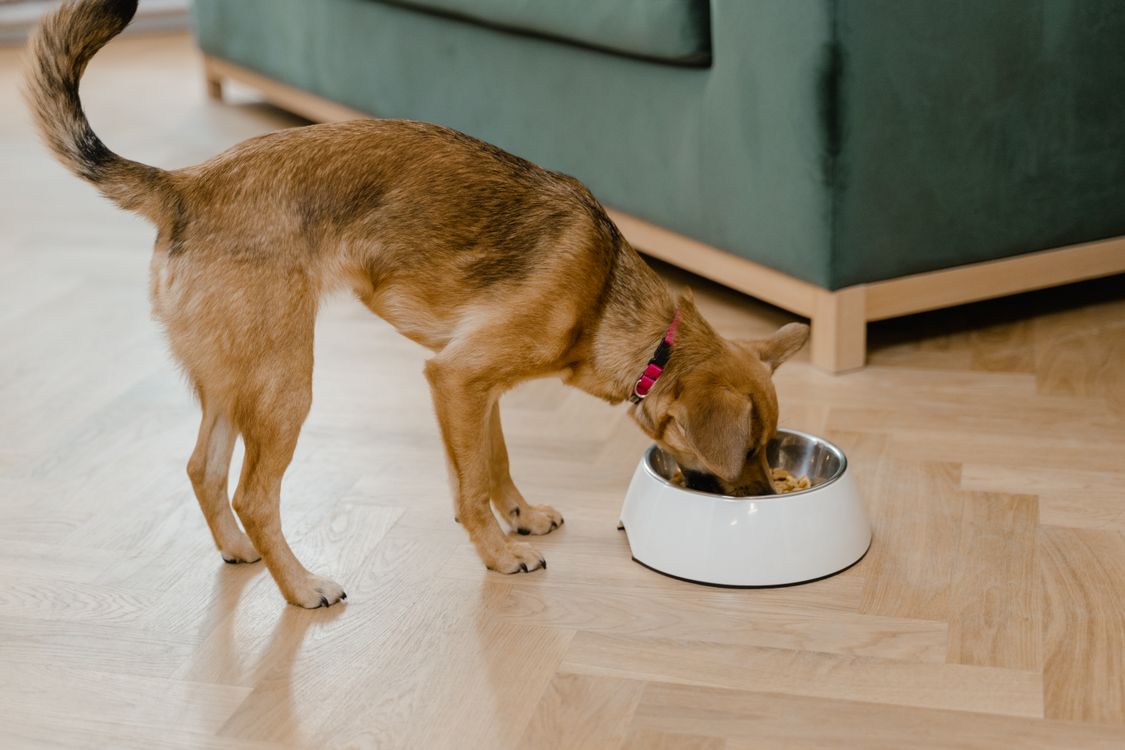
Dogs have a remarkable ability to make their usual dinner look deeply disappointing the moment something more interesting appears in the kitchen. A familiar bowl of food can suddenly lose its appeal when chicken is being carved, or vegetables are being chopped nearby.
Adding variety to a dog’s meals can be a way to introduce different tastes and textures, but more choice is not necessarily better. The important thing is knowing which additions are suitable, how they should be prepared and where they fit within the dog’s overall diet.
Keep the Main Meal at the Center
Adding something different to the bowl does not have to mean completely changing your dog’s diet.
A food labeled “complete and balanced” is designed to provide appropriate levels of essential nutrients when fed as intended. Extras such as treats and table foods generally aren’t formulated to do the same job, so they shouldn’t gradually take over the bowl.
Think of variety as an addition rather than a replacement. A small amount of a suitable food can make dinner more interesting without turning every meal into an entirely new menu.
Fish Can Bring Something Different to the Bowl
Many owners automatically think of chicken, turkey, or beef when considering animal proteins, but fish is another option.
Salmon is one example. If you’ve wondered can dogs have salmon, preparation matters. Plain, thoroughly cooked and boneless salmon can be offered as an occasional treat, while sauces, heavy seasoning and other additions intended for human meals should be avoided.
That distinction is important whenever food moves from your plate towards the dog bowl. The ingredient itself might be suitable while the way it has been cooked is not.
Raid the Vegetable Drawer Carefully
Variety does not always need to come from meat or fish. Some dogs enjoy small pieces of dog-safe fruits and vegetables, particularly when they provide a different texture from their normal food.
However, being edible for humans does not make something automatically suitable for dogs. Grapes and raisins can cause serious harm, while onions, garlic and chives can also be toxic.
Checking unfamiliar foods before sharing them is a good habit, particularly when dealing with mixed dishes where unsafe ingredients may be less obvious.
Plain Usually Wins
One of the easiest rules for sharing suitable foods with a dog is to keep preparation simple.
The version sitting on your dinner plate may contain butter, sauces, salt, garlic, onions, or other additions your dog does not need. Setting aside a small plain portion before seasoning the rest of the meal can be a much more practical approach.
It also makes it easier to know exactly what your dog has eaten, rather than trying to remember everything that went into a sauce or marinade.
Introduce Something New Gradually
Dogs can be enthusiastic about new food even when their stomachs are less convinced.
Introducing several new ingredients at once can also make it difficult to work out what caused a problem if digestive upset follows. Trying one new food at a time and keeping portions modest makes it easier to see how your dog responds.
Age, activity level, and existing health issues can all affect what is appropriate for an individual dog, so dietary changes may need extra consideration for dogs with specific nutritional or medical needs.
Don’t Forget That Extras Still Count
A spoonful here and a little treat there can feel insignificant, particularly beside a full bowl of dog food. Over the course of a day, however, those extras add up.
That matters when maintaining a healthy weight and ensuring the overall diet remains balanced. Variety should make mealtimes more interesting without becoming an excuse for constantly increasing the amount of food being served.
Ultimately, dogs do not need a restaurant-style menu that changes every evening. Thoughtful variety is much simpler than that. A few carefully chosen additions, sensible portions, and attention to preparation can bring something different to the bowl while keeping their regular nutrition firmly at the heart of mealtimes.
Related reading: How to Introduce CBD to a Dog for the First Time Without Disrupting Routine, How To Keep Dogs Rested And Happy After Energetic Play, and 6 Natural Ingredients in Flea Collars that Keep Your Dog Protected Indoors.
