
Japan had its decade. In 2026, the luxury travel world is looking across the strait. Virtuoso’s 2026 Luxe Report, built from more than 2,400 travel advisors across 58 countries, names “Seoul Searching” as its number one must have experience for the year ahead. South Korea is emerging as the dynamic alternative to Japan, powered by K-pop, Korean film and drama, and a creative culture reshaping beauty, fashion, and contemporary art. Here is why the smart money is going to Seoul.
The Advisors Have Spoken
Virtuoso’s annual Luxe Report is the closest thing luxury travel has to a consensus forecast. Its network of elite advisors plans trips for the world’s most demanding travelers, and when they converge on a destination, the hotel industry follows.
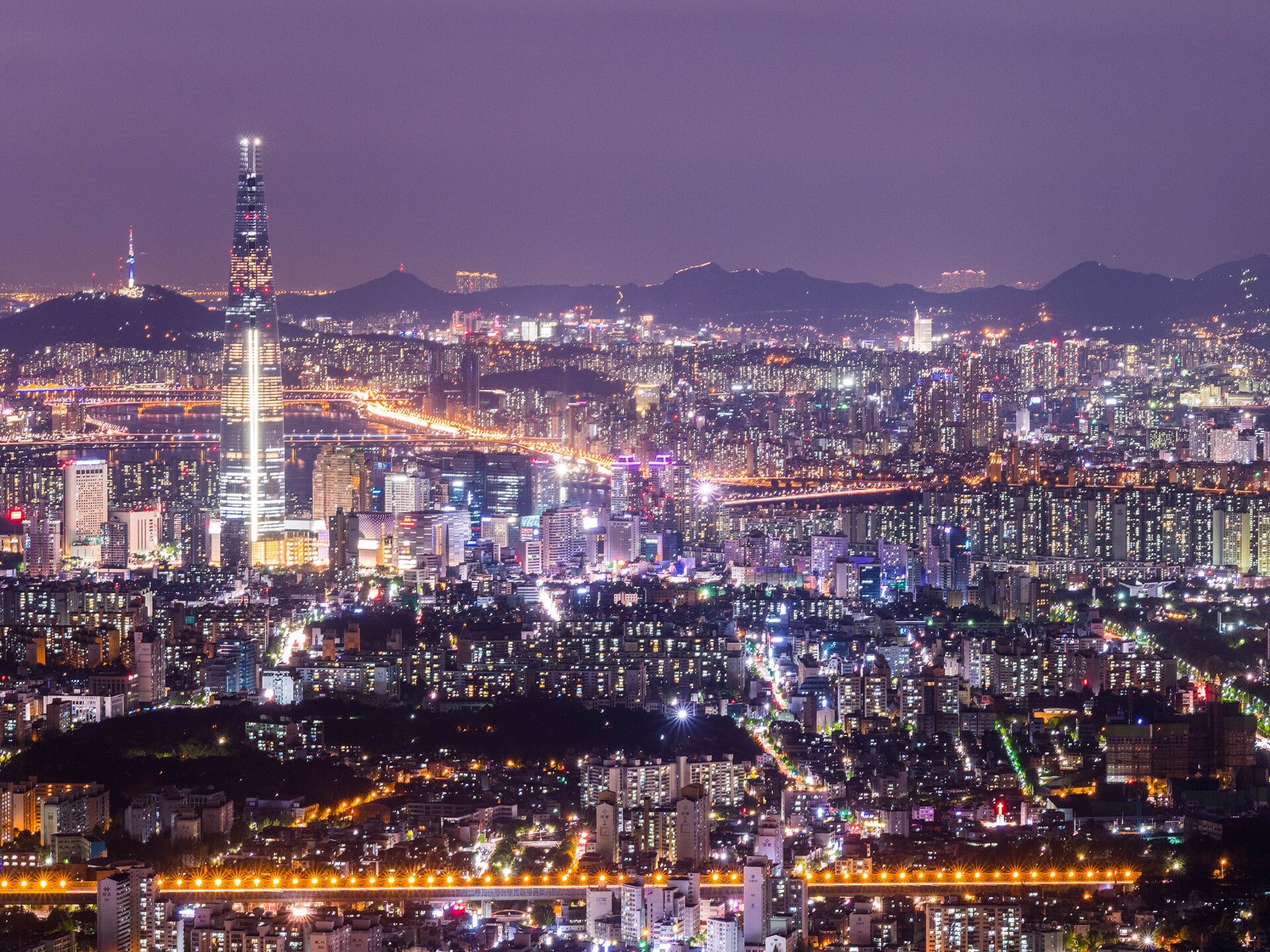
For 2026, South Korea sits at the top of the experiential list. The report frames it as tradition meeting trend: mist shrouded temples offering quiet reflection on one side, and the neon rhythm of Seoul’s music, fashion, and food scenes on the other. Private tastings of world class cuisine sit alongside street food crawls and convenience store runs that advisors now treat as legitimate culinary experiences. It is where every street, beat, and bite pulses with possibility, in the report’s phrasing.
The cultural engine is a decade in the making. K-dramas and K-pop spent ten years building a global audience, and the 2025 film KPop Demon Hunters pushed it further into the mainstream. Virtuoso’s analysts explicitly tie the destination’s rise to this cultural wave, including an earlier trend they called “Main Character Synergy”: travelers choosing destinations they first saw on screen.
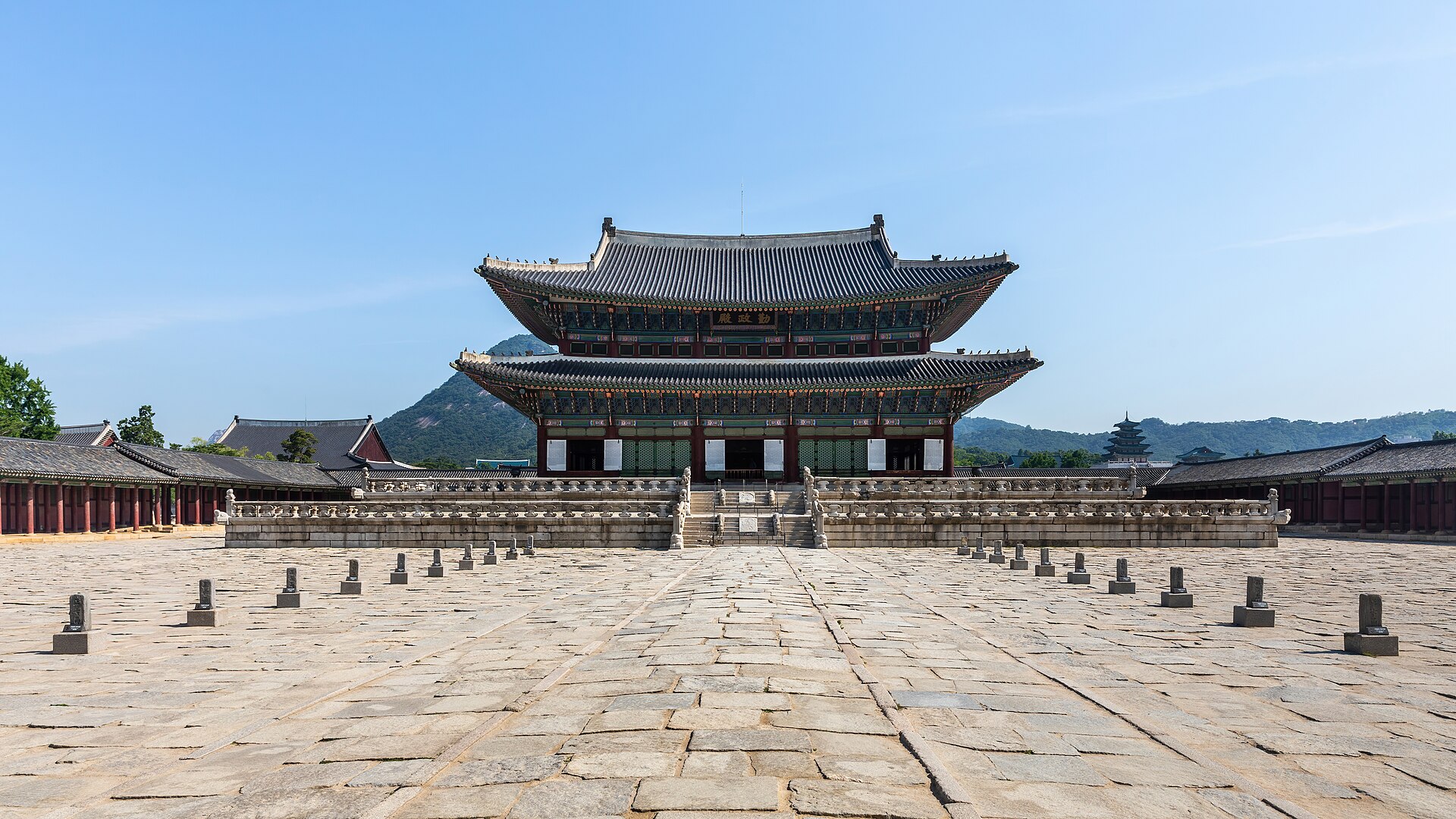
That screen-to-street pipeline is the engine of the trip. Travelers arrive with a shot list from dramas and films: a palace staircase, a night market alley, a hanok rooftop at dusk. The best itineraries are built backward from those frames. Tell your advisor or concierge what you have watched. Seoul rewards the specific request.
The K-Culture Layer
For many travelers, the culture is the trip. Seoul has industrialized fandom into an experience layer no other city offers. Entertainment companies run museums and rotating exhibitions, drama filming locations draw pilgrims from across Asia, and K-beauty flagships in Myeongdong and Gangnam launch products with the frenzy of streetwear drops. Private K-pop dance classes, recording studio visits, and after-hours shopping appointments can all be arranged through a top concierge, and the filming locations from a decade of hit dramas now anchor full-day itineraries beyond the capital.
You do not need to be a fan to enjoy it. But if you are, Seoul is Mecca, and the luxury version of the pilgrimage — private access, no lines, no crowds — is exactly the kind of experience money is supposed to buy.
The Hotel Pipeline Is Extraordinary
Nothing signals a destination’s arrival like ultra luxury brands breaking ground. Seoul’s pipeline for the next five years is one of the strongest in Asia, and it features heavily in our 2026-2027 luxury hotel openings report.
Rosewood Seoul opens in 2027 at The Parkside Seoul, a development on the former United Nations Command site in Yongsan, central Seoul. The 250 room ultra luxury property will hold seven restaurants and bars, extensive wellness facilities, and 1,800 square meters of event space, set beside the future Yongsan Park with frontage on one of Seoul’s main thoroughfares.
Mandarin Oriental makes its Korean debut in 2030 near Seoul Station, with 128 rooms, signature dining, a spa with swimming pool and fitness center, and the brand’s famous cake shop. The Ritz-Carlton is headed for the Namsan site where the former Millennium Hilton Seoul stood. Aman announced in September that Aman Seoul will open in Cheongdam by 2030, on the former Prima Hotel site. Aman’s sister brand Janu is planning Seoul and Jeju Island properties for 2027.
This is not a blip. It is a coordinated bet by the world’s top operators that Seoul is about to command Japan style rates. One industry official put it bluntly: Korea’s tourism trajectory follows Japan’s, and the move upmarket will continue.
The existing base is already strong. The Four Seasons opened in Gwanghwamun in 2015, Signiel Seoul occupies the top floors of Lotte World Tower, and the Josun Palace and Fairmont Ambassador Seoul both opened in 2021. The new wave builds on a decade of groundwork.
Where to Stay Right Now
You do not have to wait until 2027 to sleep well in Seoul. The current luxury bench is deeper than most travelers realize, and the smart play is to book the established icons before the advisors’ spotlight fills them.
The Four Seasons Hotel Seoul in Gwanghwamun has anchored the market since 2015, a short walk from Gyeongbokgung Palace. Signiel Seoul occupies the top floors of Lotte World Tower, the country’s tallest building, with views that stretch to the mountains on clear days. The Josun Palace, a Luxury Collection hotel in Gangnam, brought Marriott’s top tier to the city’s wealthiest district in 2021, the same year the Fairmont Ambassador Seoul opened with its rooftop pool over Yeouido. Park Hyatt Seoul holds the quiet-luxury corner of Gangnam, and The Shilla Seoul remains the grande dame for travelers who want old-school Korean hospitality polish.
What ties them together is service culture. Korean luxury hotels run on a level of attentiveness that surprises even seasoned Asia travelers: staff who remember how you take your coffee by the second morning, concierges who treat a sold-out restaurant as a personal challenge. If you are weighing a private villa vs. a five-star hotel for the trip, the hotels win on service for the Seoul leg, though the calculus shifts on Jeju, where resort villas with private pools make a real case.
On room choice, the view categories earn their premium here. Palace-facing rooms in Gwanghwamun, tower-view rooms at Signiel, and the high-floor suites in Gangnam all deliver the Seoul-at-night panorama that photographs like a postcard and feels like an event. If the budget stretches to one splurge, make it the room, not the restaurant.
The Neighborhoods, Decoded
Seoul is a city of villages, and where you base yourself shapes the trip. Cheongdam and greater Gangnam form the luxury axis: flagship boutiques, the gallery district, and the future Aman Seoul site. This is where the money sleeps, and where the 2027 pipeline concentrates.
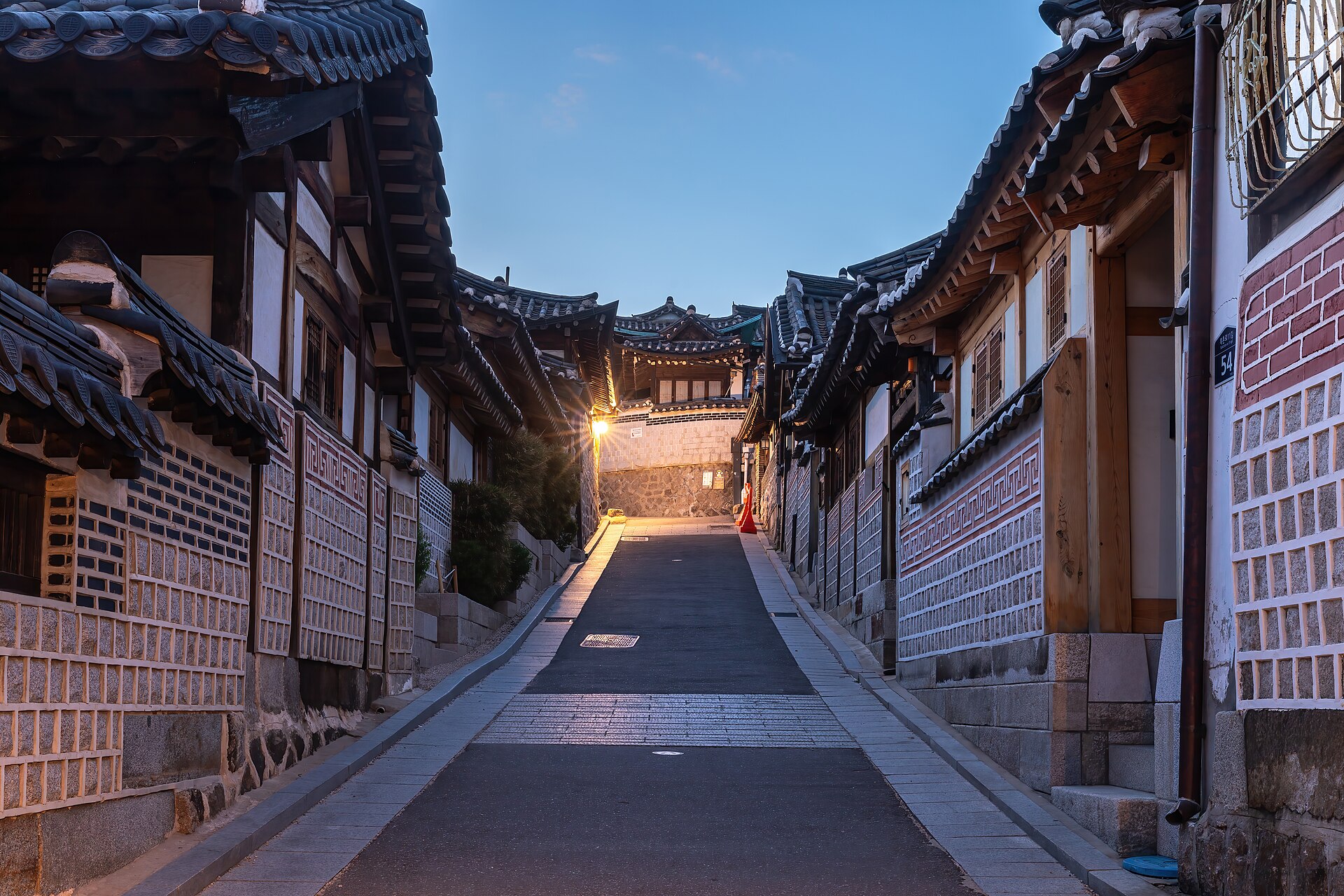
Bukchon Hanok Village, set between Gyeongbokgung and Changdeokgung palaces, is the old Seoul of tiled roofs and narrow lanes. A handful of hanok guesthouses now operate at true luxury level, offering courtyard breakfasts and a kind of quiet you cannot buy in Gangnam. There are only a few such rooms in the entire neighborhood, so book far ahead.
Hongdae and Hapjeong skew younger and louder: live music, street food, the 2 a.m. energy the Luxe Report’s advisors keep citing. Myeongdong is shopping chaos done right. Itaewon remains the international quarter, and Seongsu-dong, the old factory district turned creative hub, is where Seoul’s fashion and coffee scenes currently live. Shopping deserves its own strategy: Myeongdong handles beauty and street-level fashion, Garosu-gil covers the independent boutiques, and the department stores in Gangnam and Jamsil run VIP floors that rival anything in Tokyo or Singapore. Tax refunds for tourists are straightforward, and the major stores handle the paperwork at the register. For a first trip, split the stay: three nights in Gangnam or Gwanghwamun for the polish, two in Bukchon for the soul.
Beyond the Neon: Temples, Food, and Quiet
What separates Korea from a pure city break is the contrast. The same trip can hold a temple stay in the mountains and a midnight street food run in Hongdae.
Temple tourism is one of the country’s most distinctive luxury experiences. Multi day temple stays pair meditation and monastic meals with some of the most beautiful mountain settings in Asia. For travelers who have done Kyoto’s temples, Korea’s offer a quieter, less crowded alternative with equal depth.
The food story runs from Michelin starred dining rooms to some of the best street food on earth. Seoul’s fine dining scene has matured fast, and advisors now build itineraries around private tastings and market tours with the same seriousness they once reserved for Tokyo and Paris. Do not skip the convenience stores. Korean convenience store food has a genuine cult following, and the best itineraries treat a 2 a.m. ramyeon run as a cultural experience rather than a compromise.
The Food Pilgrimage
Seoul is quietly becoming one of the world’s great food cities, and the luxury play is to eat across the full spectrum in a single trip.
Start at the top. Cheongdam’s fine dining rooms serve multi-course Korean tasting menus that reinterpret royal court cuisine and temple food for a modern audience, with wine and traditional liquor pairings taken as seriously as anything in Tokyo or Paris. Reservations at the best tables now demand the same advance planning as the pipeline hotels: have your hotel concierge book the moment you confirm dates.
Then go to the market. Gwangjang Market is the beating heart of Korean street food, a century-old covered market where vendors have run the same stalls for generations. The move is to arrive hungry with no plan: bindaetteok mung bean pancakes, mayak gimbap, hotteok, and kalguksu eaten standing at a counter. It is the single best value meal in Asian luxury travel, and advisors now build itineraries around it.
Do not overlook temple cuisine. Korean Buddhist temple food, seasonal, plant-based, and fermented with extraordinary patience, is served at a handful of refined restaurants in Seoul and at the temples themselves during overnight stays. It is the quietest, most contemplative fine dining in the country, and a direct line to the “tradition meeting trend” framing of the Luxe Report.
Drink like a local, too. Traditional liquors, makgeolli, soju, and the refined yakju poured at temple-food restaurants, are having a craft renaissance, with tasting rooms in Ikseon-dong and the brewery streets around Seongsu. A guided tasting is the fastest education in a drinking culture most visitors barely scratch.
The Numbers Back It Up
Korea’s tourism recovery is real. The Korea Tourism Organization reported 8.83 million foreign visitors in the first half of the year, up more than a million from the same period last year and a 104 percent recovery from pre pandemic 2019 levels. That surge in demand is exactly what is pulling luxury brands into the market.
For context, this mirrors the pattern our luxury travel statistics roundup tracks across the sector: affluent travelers spending more on experiences, wellness travel growing near 10 percent a year, and Asia capturing a rising share of new high net worth demand.
The demand is not only inbound. Korean travelers themselves rank among the world’s highest-spending tourists, and a deep domestic luxury market, from department stores to private dining rooms, keeps standards high even before the international wave arrives. That is the tell: destinations with a demanding domestic luxury market almost always break out internationally next. When the world’s most demanding local clientele already holds hotels to this bar, visiting travelers get the benefit.
Getting There and Around
Incheon International Airport is the gateway, consistently ranked among the world’s best airports, and the 45 to 70 minute ride into Seoul by limousine bus or private transfer is painless. Most Western passports enter visa-free with a K-ETA electronic authorization filed before departure. Handle it when you book, not at the airport.
Inside the country, the KTX high-speed rail turns Seoul to Busan into a two and a half hour glide, faster and calmer than flying once airport time is counted. In Seoul itself the subway is world class, but luxury travelers should budget for private drivers. Traffic between Gangnam and the palace district can turn a 20 minute trip into an hour, and a good driver who knows the restaurant back entrances is worth every won. Incheon also offers arrival VIP services: fast-track immigration, porter pickup at the gate, and a private lounge while your transfer is staged. For a long-haul arrival it is the smoothest half hour you can buy, and your hotel can arrange it with a few days’ notice. English is widely spoken in hotels and major restaurants, and a translation app covers the rest.
When to Go and How to Do It
Spring (April to May) brings cherry blossoms with smaller crowds than Japan’s equivalent season. Book blossom-season hotels early anyway: the secret is out, and the best properties fill months ahead. Autumn (October to November) delivers crisp air and spectacular foliage in the national parks, and belongs on any luxury fall getaways shortlist. Winter is for the ski resorts and the steaming jjimjilbang bathhouses, which are a cultural institution worth planning a day around.
For a first luxury trip, five to seven days split between Seoul and one secondary destination works well: three to four days in Seoul for the food, shopping, and neighborhoods, then Gyeongju for ancient history, Jeju Island for volcanic landscapes and resort luxury, or Busan for the coastal food scene.
Book the top tier hotels early. With the current pipeline still under construction, the existing luxury inventory is tight, and the advisors’ spotlight will only tighten it further.
Beyond Seoul: Jeju, Busan, and Gyeongju
Seoul earns the headlines, but the second destination makes the trip. Three options, three different Koreas.
Jeju Island is the honeymoon and wellness pick: volcanic coastline, Hallasan mountain, and a resort strip with genuine luxury inventory, including the Jeju property Janu has slated for 2027. Think of it as Korea’s Hawaii, minus the crowds and with better food.
Busan is the coastal food city: Jagalchi fish market at dawn, beach neighborhoods that come alive in summer, and a film festival that draws Asia’s industry every autumn. It pairs naturally with Seoul via the KTX.
Gyeongju is the history play, the ancient Silla capital with burial mounds, temples, and an unusual density of UNESCO sites. It is the quietest of the three and the one that surprises luxury travelers most. Two nights is enough, and go with a guide.
The One-Week Blueprint
If you want the trip in a single frame: land at Incheon, take the VIP arrival service, and base the first three nights in Gwanghwamun for the palaces, the markets, and the fine dining rooms of Cheongdam. Move to Bukchon for two nights of hanok quiet, temple food, and gallery streets. Finish with two nights on Jeju for volcanic coastline and resort air, or in Busan if the food markets call louder. Seven days, three Koreas, one trip that explains why the advisors put Seoul Searching at the top of the 2026 list.
Explore It With David’s Guide
South Korea rewards travelers who go beyond the obvious, and that is what we cover. Start with our look at the Leading Hotels of the World for the standard the new Seoul properties are chasing, then follow our luxury hotels coverage as the 2027 openings approach. The smart money is already going. Go before the rates catch up.
