
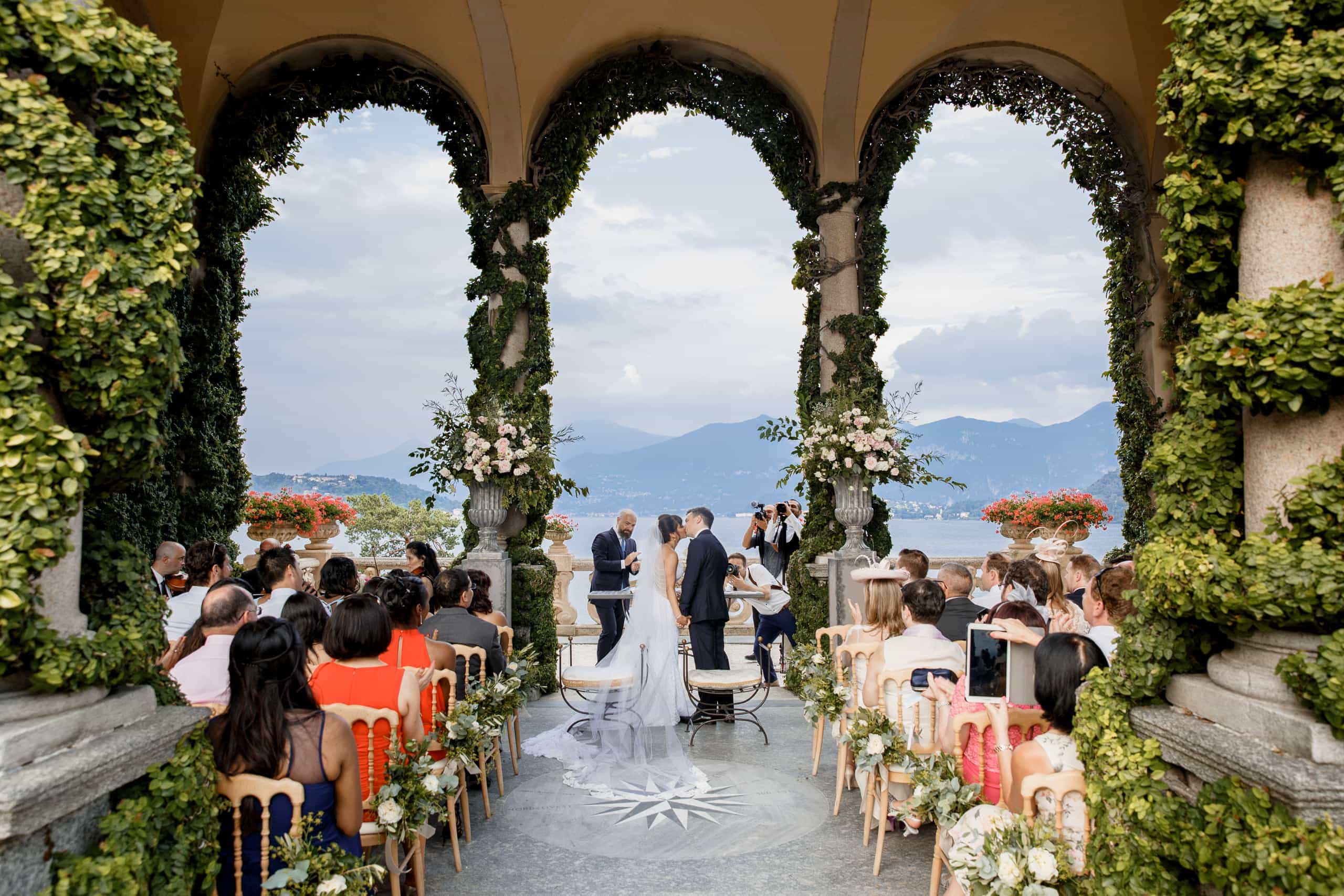
Yes, destination weddings are worth it for guests when the couple makes attendance genuinely easy: a desirable location, group hotel rates, events spread over several days, and no pressure beyond showing up. The trip typically costs a guest around $2,000 including flights and accommodation, which is real money, but guests who attend consistently rate the experience above standard local weddings.
It comes up again and again in travel forums: the save-the-date arrives for a wedding in Tuscany or Tulum, and the guest does instant mental math. Flights, three nights at a resort, the gift, the outfit, the time off work. Is this a vacation disguised as an obligation, or an obligation disguised as a vacation? The answer depends on the numbers, the couple, and your honest budget. Here is how to think about it.
What It Actually Costs to Attend
Start with the baseline. Attending a standard local wedding already costs real money: one analysis puts the average at $461 for a single guest and about $550 for a couple, covering attire, a gift, and local travel. A destination wedding multiplies the travel line dramatically. Guests generally spend about $2,000 to attend a destination wedding once airfare and accommodation are included, and that figure climbs fast for remote locations or peak-season dates.
The wedding party pays more. Brides magazine estimates put the cost of being a bridesmaid at $1,500 to $2,500 for a local wedding, rising to $3,000 to $5,000 or more for a destination wedding once the bachelorette trip, dress, hair and makeup, and gifts are tallied. Groomsmen land somewhat lower but face the same travel math. If you are in the wedding party, budget early and communicate with the couple about costs before they balloon.
For context on the couple’s side, a domestic destination wedding in the United States averages about $41,700, while an international destination wedding averages around $43,700, according to recent wedding budget data. Couples are spending serious money to host you somewhere beautiful. That does not obligate you to attend, but it does mean the invitation represents genuine investment, not casual planning.
The Acceptance Math
Here is the statistic that should relieve every guilty guest: only 35 to 70 percent of invited guests typically attend a destination wedding, depending on the location and travel requirements. Couples who plan destination weddings know this. They build their budgets around it. Declining is a normal, expected outcome, not a betrayal.
That acceptance rate is also why destination weddings can be better experiences for those who do go. A 60-person wedding in Santorini has a fundamentally different energy than a 200-person ballroom reception at home. The guests who attend self-select for enthusiasm, the events stretch over days instead of hours, and you actually talk to people. Many guests report that destination weddings are the rare weddings they remember vividly years later.
The etiquette rule is simple: RSVP honestly and early. A prompt no is infinitely kinder than a late maybe. Couples finalize headcounts, catering, and room blocks months out, and every uncertain guest complicates the planning. Send a gift if you decline, roughly what you would have spent on the wedding gift portion, and mean the congratulations.
When It Is Worth Saying Yes
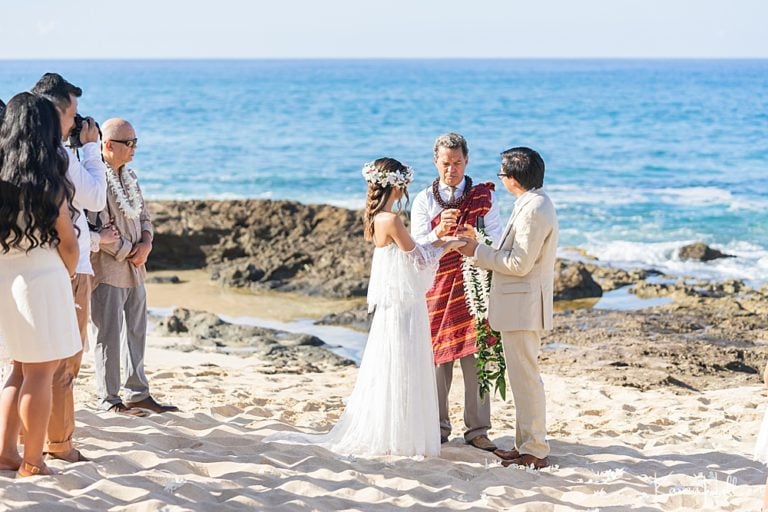
Say yes when the location doubles as a trip you would take anyway. A wedding in Hawaii, the Amalfi Coast, or the Caribbean is a vacation with a ceremony attached, and the per-day cost often beats booking the same resort independently, especially with group rates. Many couples negotiate room blocks at 10 to 20 percent below public rates, and some cover welcome dinners, farewell brunches, and group activities, which trims your out-of-pocket spending considerably.
Say yes when the schedule respects your time. The best destination weddings give guests real free time: a welcome event, the wedding day, and unstructured days around them. You are spending $2,000 and vacation days. A wedding that fills every hour with mandatory events is a worse deal than one that lets you enjoy the destination.
Say yes for the inner circle. Your sister, your best friend, the cousin you grew up with. These are the weddings where your presence genuinely matters to the couple, and where the memories justify the cost. Travelers constantly ask how to decide between three destination invitations in one summer. Rank by closeness, not by destination glamour. You will never regret attending your best friend’s wedding in Ohio. You might regret skipping it for an acquaintance’s wedding in Bali.
When to Decline Without Guilt
Decline when the money is not there. Full stop. No couple worth knowing wants a guest going into debt to attend their wedding, and the 35 to 70 percent acceptance norm means your absence is priced in. A heartfelt card and a gift within your means is the complete and correct response.
Decline when the logistics are punishing. A wedding that requires two connections, a ferry, and a rental car to reach a venue with one overpriced hotel option is asking a lot. Couples who choose remote locations accept lower attendance as the trade. Similarly, if the wedding falls during your own immovable commitments, work deadlines, school calendars, a second invitation the same weekend, choose without apology.
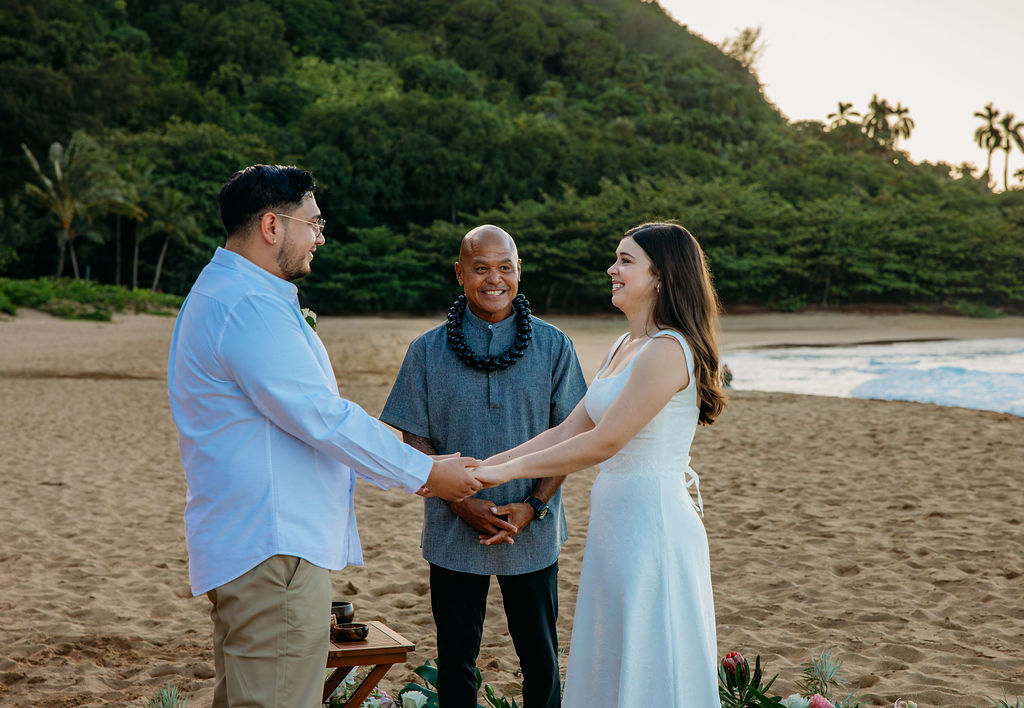
Decline the plus-one math trap. If you are invited with a plus-one and attending as a couple doubles the cost past your comfort line, it is acceptable to attend solo or to decline. Communicate warmly either way.
Making It Affordable If You Go
Book flights the moment the save-the-date arrives. Destination wedding invitations typically go out nine to twelve months ahead precisely so guests can plan, and fares are almost always lowest early. Use the couple’s room block, but compare it against public rates before committing, since blocks occasionally lag behind seasonal promotions.
Extend the trip if you can. The fixed cost is the flight. Adding two days to turn the wedding into a real vacation drops your per-day cost substantially and is often the difference between the trip feeling worth it and feeling rushed. This is especially true in shoulder seasons, when fall is made for travel pricing makes European and Caribbean destinations meaningfully more affordable.
Finally, protect the investment. A $2,000 trip built around a single event deserves the same protection as any expensive journey, so look into coverage that handles flight cancellations and travel disruptions before you book anything non-refundable.
Consider where the wedding is held. A large share of destination weddings now take place at luxury all-inclusive resorts, where your room rate covers all food and drinks for the stay. That structure caps your spending in a way a European city wedding cannot, since every restaurant meal and cocktail in Positano is a separate decision. If budget matters, the all-inclusive wedding is the most predictable kind to attend.
The Bottom Line
Destination weddings are worth it for guests when three things align: you are close to the couple, the location works as a vacation, and the cost fits your budget without strain. At around $2,000 a trip, they are never casual spending, but they are also never just a wedding. They are long weekends with the people you like most, in places you might never have booked yourself. Say yes to the ones that matter, decline the rest with grace, and never feel guilty about the math.
