
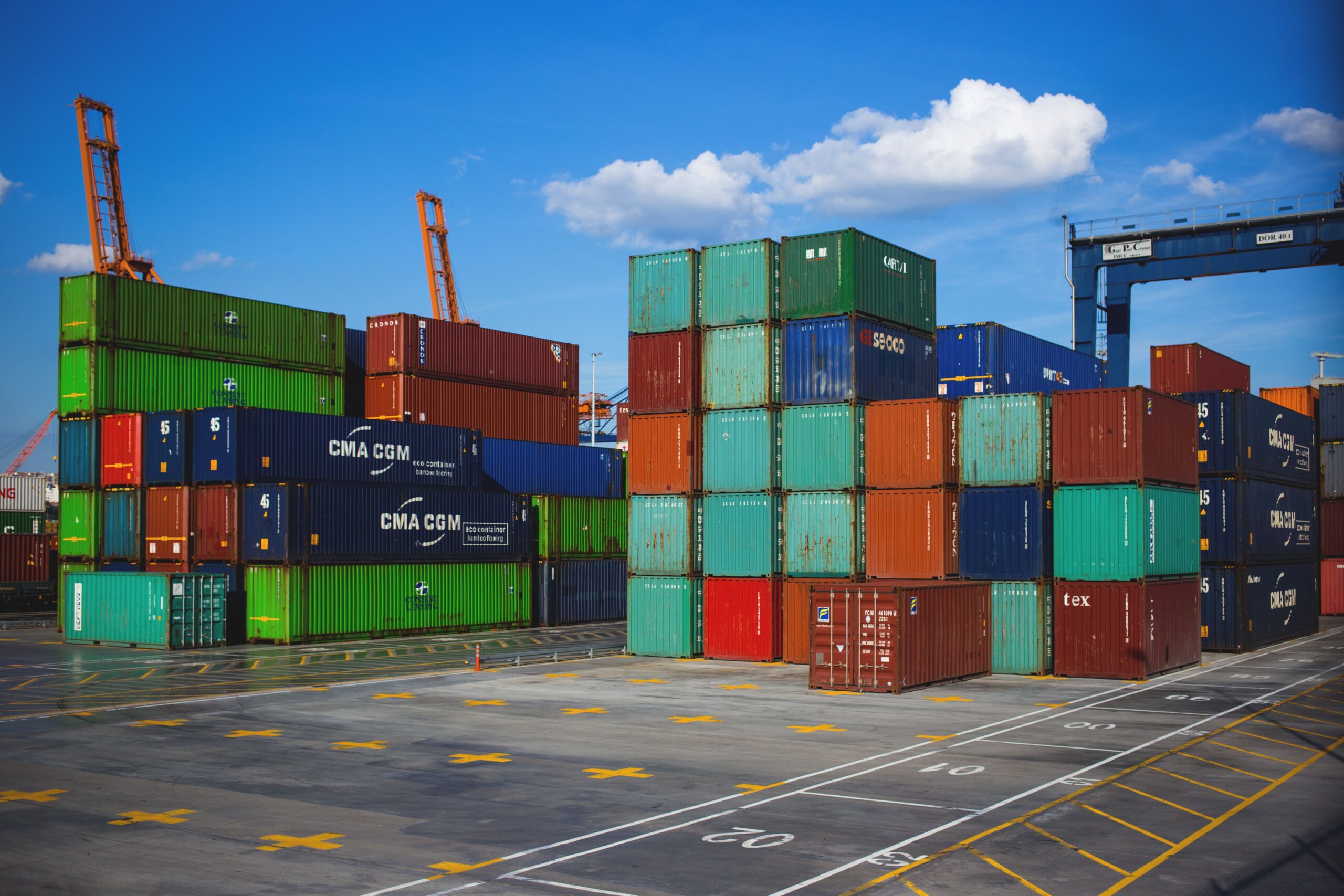
Scaling a product business beyond your home market is one of the most exciting — and logistically demanding — moves a company can make. You’ve validated demand, built your operations, and now you’re ready to grow. But the moment you start moving goods across borders, a whole new layer of complexity enters the picture.
International trade management is what sits between your ambition and your execution. Done well, it’s an invisible engine that keeps your supply chain moving. Done poorly, it becomes a constant source of delays, fines, and missed opportunities.
Here’s how getting it right actually helps you scale.
1. Stay Compliant and Avoid Costly Delays
Most businesses think of trade compliance as a defensive function — something you do to avoid getting in trouble. But for product businesses scaling into new markets, compliance is actually a competitive advantage.
When your documentation is clean, your tariff classifications are accurate, and your customs filings go through without friction, you move faster than competitors who are constantly firefighting compliance issues. You also build a track record with customs authorities that makes future shipments smoother over time.
Areas where compliance directly accelerates growth:
- Faster customs clearance means more predictable delivery timelines
- Accurate duty calculation protects margin on every shipment
- Clean records reduce the risk of audits that freeze operations
- Trusted trader programmes unlock preferential treatment in some markets
2. Get Better Visibility Across Your Supply Chain
One of the biggest operational challenges when scaling internationally is knowing where everything is at any given moment. Products in transit across multiple countries, through different logistics providers and customs checkpoints, can become genuinely difficult to track without proper systems.
International trade management platforms give businesses real-time visibility into their supply chains — from origin to destination. That visibility isn’t just operationally useful; it’s strategically important. You can’t make good decisions about inventory, fulfilment, or market allocation if your data is two weeks behind your shipments.
According to the World Bank, logistics inefficiencies can cost businesses between 1.5% and 3% of revenue in developing trade corridors — a figure that scales sharply as volumes grow. Better supply chain visibility is one of the most direct ways to compress that cost.
3. Control Tariffs, Duties, and Trade Costs
The global trade environment is not static. Tariff schedules change, trade agreements shift market access, and preferential duty rates come with compliance strings attached. For a scaling product business, staying on top of this manually is practically impossible.
Effective trade management means having systems and expertise in place to identify applicable free trade agreements, calculate landed cost accurately before committing to a market, and adjust sourcing or routing when tariff changes make a current approach uneconomical.
This is where many businesses leave money on the table — not because they’re doing anything wrong, but because they’re not actively optimising for the trade agreements they’re entitled to use.
4. Reduce Hidden Costs as You Scale
International shipping introduces a category of costs that most businesses underestimate until they’re operating at volume. Demurrage charges, classification errors, compliance penalties, and inefficient routing all compound quietly until they represent a meaningful drag on margin.
Businesses that invest in structured international trade operations management — rather than treating cross-border logistics as an ad hoc function — consistently report lower per-unit shipping costs, fewer compliance incidents, and better negotiating leverage with freight and customs brokers.
Specialists like Livingston International bring the kind of cross-border expertise and systems infrastructure that allows product businesses to scale into new markets without building an entirely separate compliance function from scratch.
5. Make Expanding Into New Markets Easier
The real long-term value of trade management isn’t just optimising individual shipments — it’s creating a replicable, scalable process for entering new markets. Every market you enter has its own documentation requirements, import regulations, and local nuances.
Businesses that treat each new market as a one-off problem tend to rebuild from scratch every time. Those that invest in a trade management framework carry institutional knowledge, established relationships with brokers and authorities, and proven processes from one market into the next.
What a scalable trade management framework typically includes:
- Centralised tariff and compliance database updated in real time
- Standardised documentation templates adaptable for each market
- Relationships with licensed customs brokers in key trade corridors
- Clear internal ownership of trade compliance as a business function
Final Thoughts
International expansion is one of the highest-leverage moves a product business can make — but the logistics underpinning it need to be as carefully built as the product itself. Trade management isn’t the glamorous part of scaling. It rarely makes the pitch deck. But it’s often the difference between growth that compounds and growth that stalls at the border.
Invest in it early, treat it as a strategic function rather than an administrative one, and you’ll find that going global becomes progressively less complicated — not more — with every new market you enter.