
Keeping your car interior clean is about more than appearance. A properly detailed interior improves comfort, preserves your vehicle’s value, removes odors, and creates a healthier driving environment. Professional car detailing can be expensive, but with the right tools and techniques, you can achieve professional-quality results at home.
Learning how to detail your car interior like a professional helps you maintain every part of your vehicle, from seats and carpets to dashboards and air vents. Whether your car interior has accumulated dust, stains, food crumbs, or unpleasant smells, a proper detailing routine can restore a fresh and polished look.
This complete guide explains the best interior detailing methods, essential products, and expert tips for professional-level cleaning at home.
Why Interior Car Detailing Is Important
Many drivers focus mainly on exterior washing while ignoring the inside of the vehicle. However, dirt, bacteria, dust, and spills can build up over time and affect both hygiene and comfort.
Benefits of interior detailing include:
- Improved air quality
- Better driving comfort
- Removal of odors
- Protection against wear and tear
- Increased resale value
- Cleaner appearance
- Longer-lasting interior materials
Regular detailing also helps prevent permanent stains and fading.
Essential Tools for Car Interior Detailing
Before starting, gather the proper cleaning supplies for effective results.
Basic Interior Detailing Supplies
| Tool or Product | Purpose |
|---|---|
| Vacuum cleaner | Removes dust and debris |
| Microfiber cloths | Safe surface cleaning |
| Soft detailing brushes | Cleans vents and corners |
| Interior cleaner | Removes dirt and stains |
| Glass cleaner | Cleans windows and mirrors |
| Upholstery brush | Scrubs fabric seats |
| Leather conditioner | Protects leather surfaces |
| Air freshener | Eliminates odors |
Using high-quality tools helps avoid scratches and damage.
Step-by-Step Guide to Professional Interior Detailing
1. Remove Trash and Personal Items
Start by removing all unnecessary items from the vehicle.
Check:
- Door pockets
- Cup holders
- Under seats
- Trunk area
- Seat pockets
Clearing clutter makes the cleaning process much easier.
2. Vacuum the Entire Interior
Vacuuming removes loose dirt, crumbs, pet hair, and dust from all surfaces.
Focus on:
- Carpets
- Floor mats
- Seats
- Under seats
- Trunk
- Seat crevices
Use narrow vacuum attachments for tight spaces.
3. Clean Floor Mats Thoroughly
Floor mats collect large amounts of dirt and moisture.
For rubber mats:
- Wash with soap and water
- Scrub with a brush
- Rinse and dry completely
For carpet mats:
- Vacuum thoroughly
- Use carpet cleaner for stains
- Allow proper drying
Clean mats instantly improve the overall appearance of the car interior.
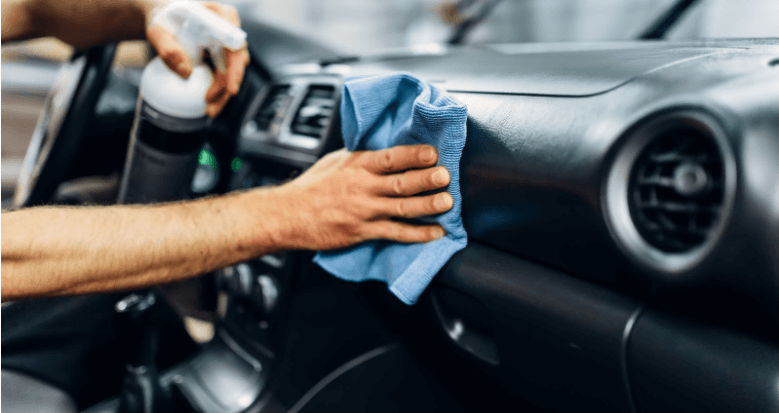
4. Wipe Down Dashboard and Panels
Dashboards and plastic panels often collect dust and fingerprints.
Tips for cleaning:
- Use microfiber cloths
- Apply interior-safe cleaner
- Avoid excessive liquid near electronics
- Use detailing brushes for vents and buttons
Professional detailers focus carefully on small interior areas.
Best Interior Cleaning Areas to Focus On
| Interior Area | Cleaning Method |
|---|---|
| Dashboard | Microfiber wipe and protectant |
| Air vents | Soft detailing brush |
| Leather seats | Leather cleaner and conditioner |
| Fabric seats | Upholstery shampoo |
| Windows | Streak-free glass cleaner |
| Cup holders | Small brush and disinfectant |
| Door panels | Interior cleaner and microfiber cloth |
5. Deep Clean the Seats
Seat cleaning depends on the material type.
Fabric Seats
For fabric upholstery:
- Vacuum first
- Apply upholstery cleaner
- Gently scrub stains
- Blot excess moisture
Leather Seats
For leather interiors:
- Use leather-safe cleaner
- Wipe gently with microfiber cloth
- Apply leather conditioner afterward
Conditioning helps prevent cracking and fading.
6. Clean Interior Windows and Mirrors
Dirty windows reduce visibility and make interiors appear neglected.
Tips for streak-free windows:
- Use automotive glass cleaner
- Clean with microfiber cloth
- Wipe in circular motions
- Lower windows slightly to clean edges
Avoid ammonia-based cleaners on tinted windows.
7. Eliminate Odors Naturally
Bad odors often come from food spills, moisture, pets, or smoke.
Ways to remove odors:
- Vacuum thoroughly
- Use baking soda on carpets
- Clean air vents
- Replace cabin air filter
- Use charcoal odor absorbers
Avoid overpowering air fresheners that only mask smells temporarily.
8. Disinfect High-Touch Areas
Frequently touched surfaces may collect bacteria and germs.
Important areas include:
- Steering wheel
- Gear shifter
- Door handles
- Touchscreens
- Seat belt buckles
Use safe disinfecting products designed for automotive interiors.
9. Protect Interior Surfaces
Professional detailers often finish by applying protective products.
Benefits include:
- UV protection
- Reduced fading
- Dust resistance
- Easier future cleaning
Use non-greasy protectants for a natural finish.
How Often Should You Detail Your Car Interior?
The ideal detailing schedule depends on usage and driving conditions.
General recommendations:
- Light cleaning weekly
- Vacuuming every 1–2 weeks
- Deep detailing every 2–3 months
Families, pet owners, and rideshare drivers may need more frequent cleaning.
Common Interior Detailing Mistakes to Avoid
Using Harsh Chemicals
Strong cleaners can damage leather, plastic, and fabric surfaces.
Oversaturating Seats
Too much water may cause mold or unpleasant odors.
Ignoring Air Vents
Dusty vents reduce air quality and spread odors.
Using Rough Towels
Abrasion can scratch delicate surfaces.
Skipping Conditioning
Leather surfaces require moisture to prevent cracking.
DIY vs Professional Detailing
Many car owners wonder whether to detail their vehicle themselves or hire professionals.
DIY Detailing Benefits
- Lower cost
- Flexible schedule
- Personal attention to detail
- Satisfaction from cleaning yourself
Professional Detailing Benefits
- Specialized equipment
- Advanced stain removal
- Faster results
- Expert-level restoration
For regular maintenance, many drivers successfully handle detailing at home.
Additional Car Maintenance Tips
A clean interior is only one part of proper vehicle care. Maintaining engine performance is equally important for long-term reliability. Drivers researching Best Engine Oil Types for High Mileage Vehicles often focus on preserving overall vehicle condition both inside and outside.
Combining proper mechanical maintenance with regular detailing can extend the life and value of your vehicle significantly.
Benefits of Professional-Level Interior Detailing
Regular interior detailing offers several long-term advantages.
Preserves Vehicle Value
Clean interiors help maintain resale value.
Creates a Healthier Environment
Removing dust and bacteria improves air quality.
Enhances Driving Comfort
Fresh, organized interiors create a more enjoyable driving experience.
Prevents Long-Term Damage
Proper cleaning protects materials from cracking, fading, and staining.
Improves Appearance
A spotless interior gives your vehicle a well-maintained and luxurious feel.
FAQs About Car Interior Detailing
How long does interior detailing take?
A full interior detail may take between 2 and 5 hours depending on vehicle condition.
What is the best cloth for interior cleaning?
Microfiber cloths are ideal because they clean effectively without scratching surfaces.
Can I use household cleaners inside my car?
Some household products may damage automotive materials. Use car-safe cleaners whenever possible.
How do I remove stains from fabric seats?
Use upholstery cleaner and a soft brush while avoiding excessive water saturation.
Is leather conditioner necessary?
Yes. Leather conditioner helps maintain softness and prevents cracking.
How often should I vacuum my car interior?
Vacuuming every 1 to 2 weeks helps keep interiors clean and reduces buildup.
Final Thoughts
Learning how to detail your car interior like a professional can help you maintain a cleaner, healthier, and more attractive vehicle without spending a fortune on detailing services. By using the right products, following proper cleaning techniques, and staying consistent with maintenance, you can achieve professional-quality results at home.