
By Paulina Phan, Senior Editorial Contributor
Factory-built housing carries two reputations at once. One is the budget manufactured home, built to a federal code and sold through dealers. The other is the architect-designed modular house, assembled in a factory, craned onto a foundation, and finished to a standard that rivals custom construction. Both categories are drawing new attention in 2026, helped by a landmark federal housing law enacted this month and by a simple economic fact: factory production is the cheapest way to build a house in the United States, at roughly $84 per square foot against about $169 for site-built construction, according to Census Bureau figures compiled by industry groups.
Two Categories, One Factory Floor
The distinction matters for financing, regulation, and resale. A manufactured home is built to the HUD Code, the federal construction standard in place since 1976, and historically sat on a permanent steel chassis. A modular home is built in sections to the same state and local building codes as a site-built house, then transported and set on a permanent foundation. The 21st Century ROAD to Housing Act, which became law on July 11, 2026, blurred the first category’s defining constraint: the federal definition of a manufactured home now covers a home built “with or without a permanent chassis,” and the law gave modular homes a federal definition for the first time. HUD had already moved in a similar direction, proposing a rule on June 12, 2026 that would allow multi-story manufactured homes without a permanent chassis. The result is a spectrum rather than a divide.
A Factory Tour in San Bernardino
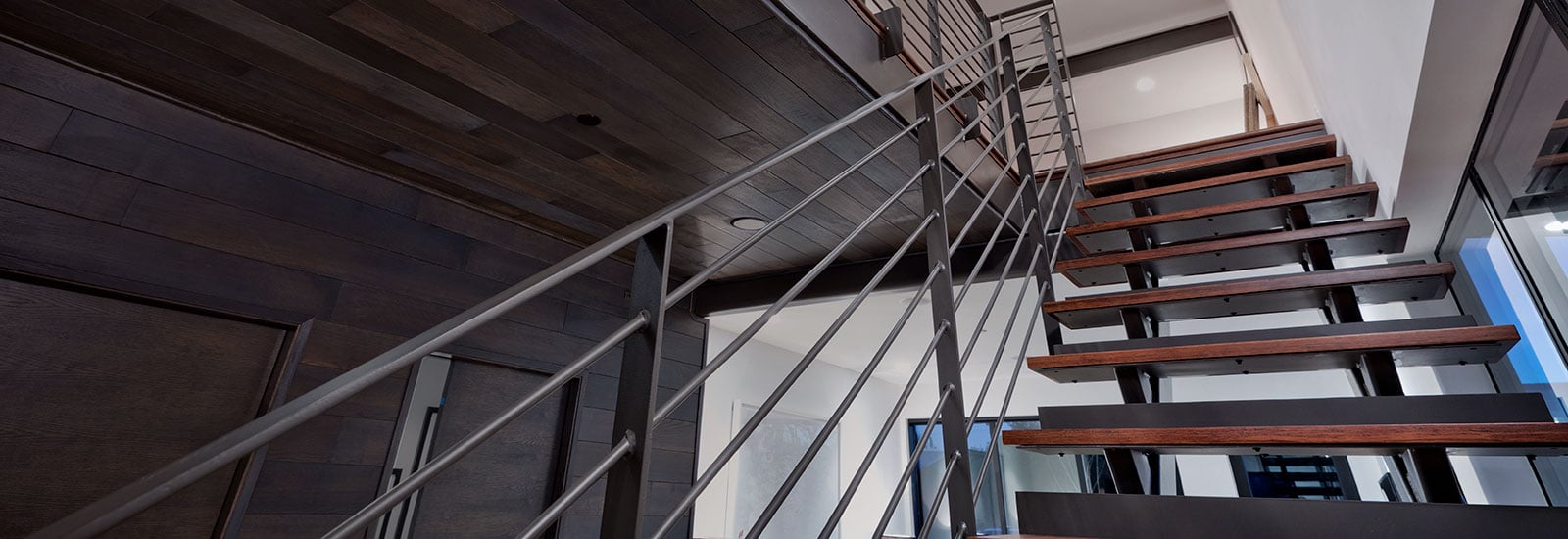
Earlier this year, I toured a modular factory in San Bernardino, California, with a friend who is an architect at Gensler. The facility belongs to Connect Homes, and what stood out was not the machinery but the product: glass-walled, steel-framed houses leaving the line about 95 percent complete, with finishes, appliances, plumbing, and flooring already installed. The homes read as modern and genuinely luxurious, and because the system is modular, buyers can customize layouts and finishes with an architect rather than choosing from a fixed catalog. It is a useful reminder that factory-built describes a process, not a price point or a style.
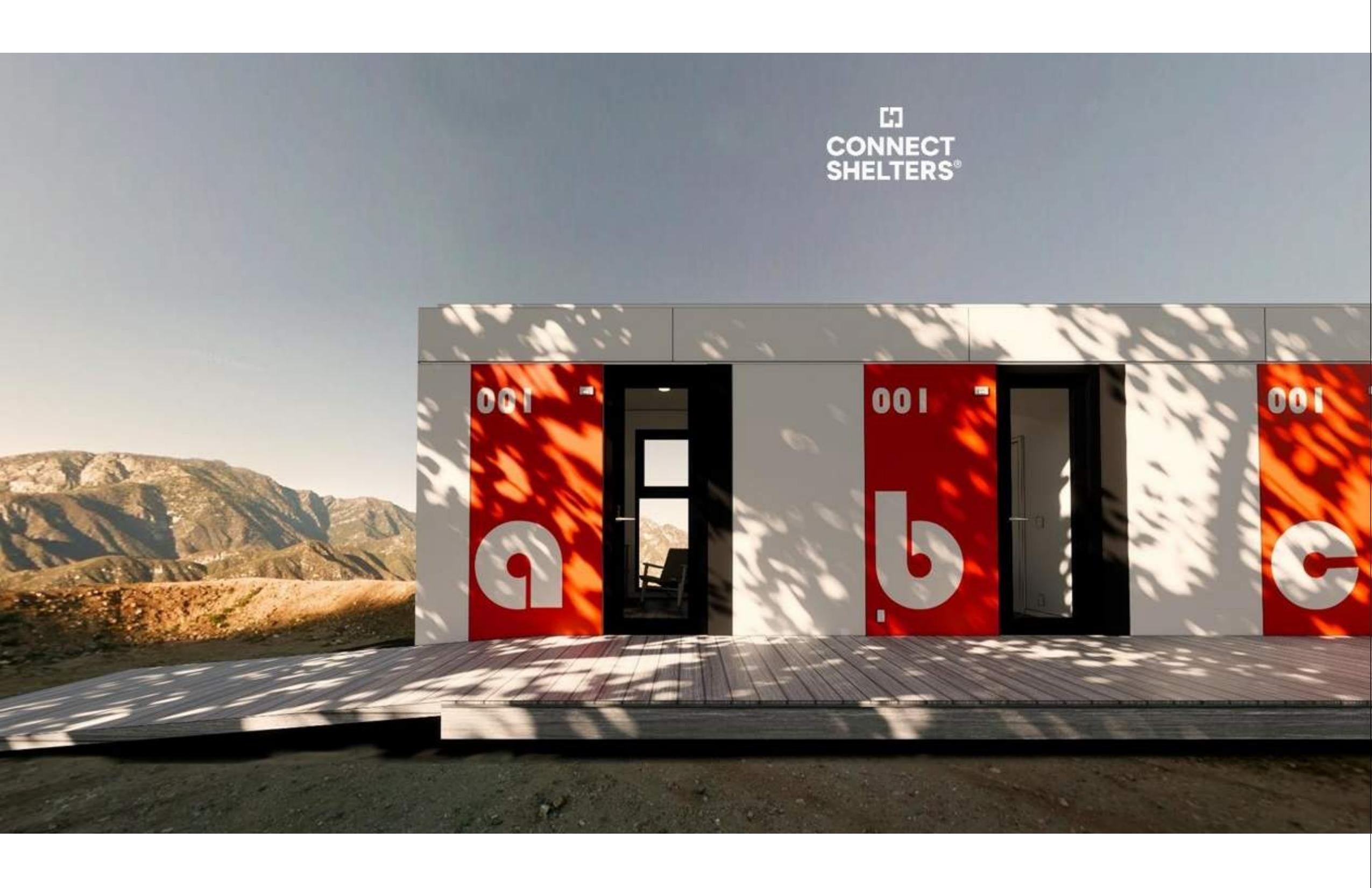
Connect runs a 100,000-square-foot factory in San Bernardino and an architecture studio in downtown Los Angeles. According to the Los Angeles Department of Building and Safety, which has pre-approved two of the company’s ADU models, a 2,000-square-foot Connect house comes off the line roughly every six working days. The company also applies the same platform to rapid-deployment housing through its Connect Shelters line, launched in 2020, and reports more than 30 homes built for California wildfire victims.
The Companies to Know
Connect Homes (Los Angeles and San Bernardino, California)
Founded by architects Jared Levy and Gordon Stott, Connect Homes is known for modernist, glass-heavy modular houses in the mid-century California idiom. Positioning is premium but below custom construction; the company has long marketed its homes at roughly half the time and cost of a comparable site-built project. It delivers and installs its own homes, primarily in California, and offers pre-approved ADU plans in Los Angeles.
Method Homes (Seattle, Washington)
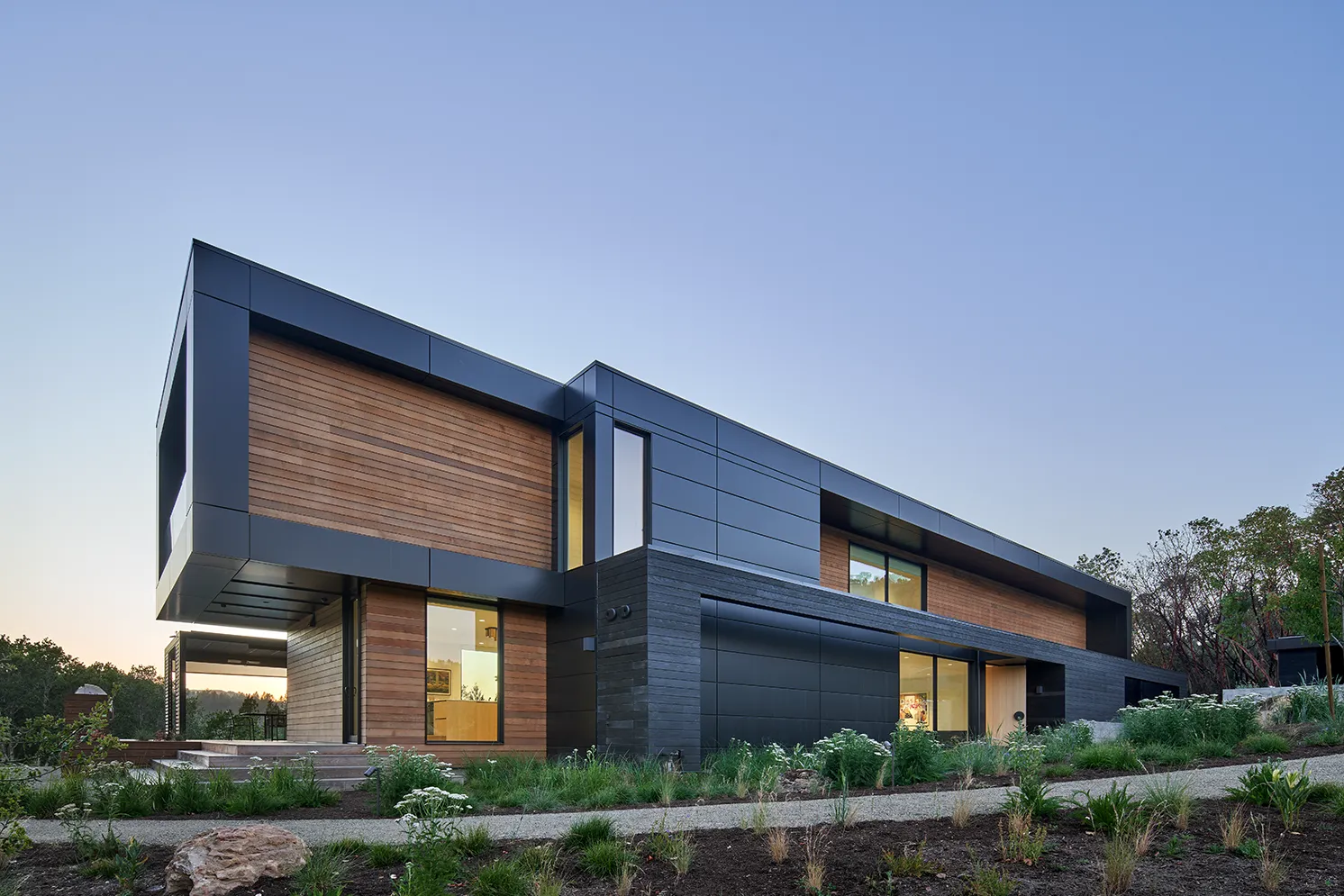
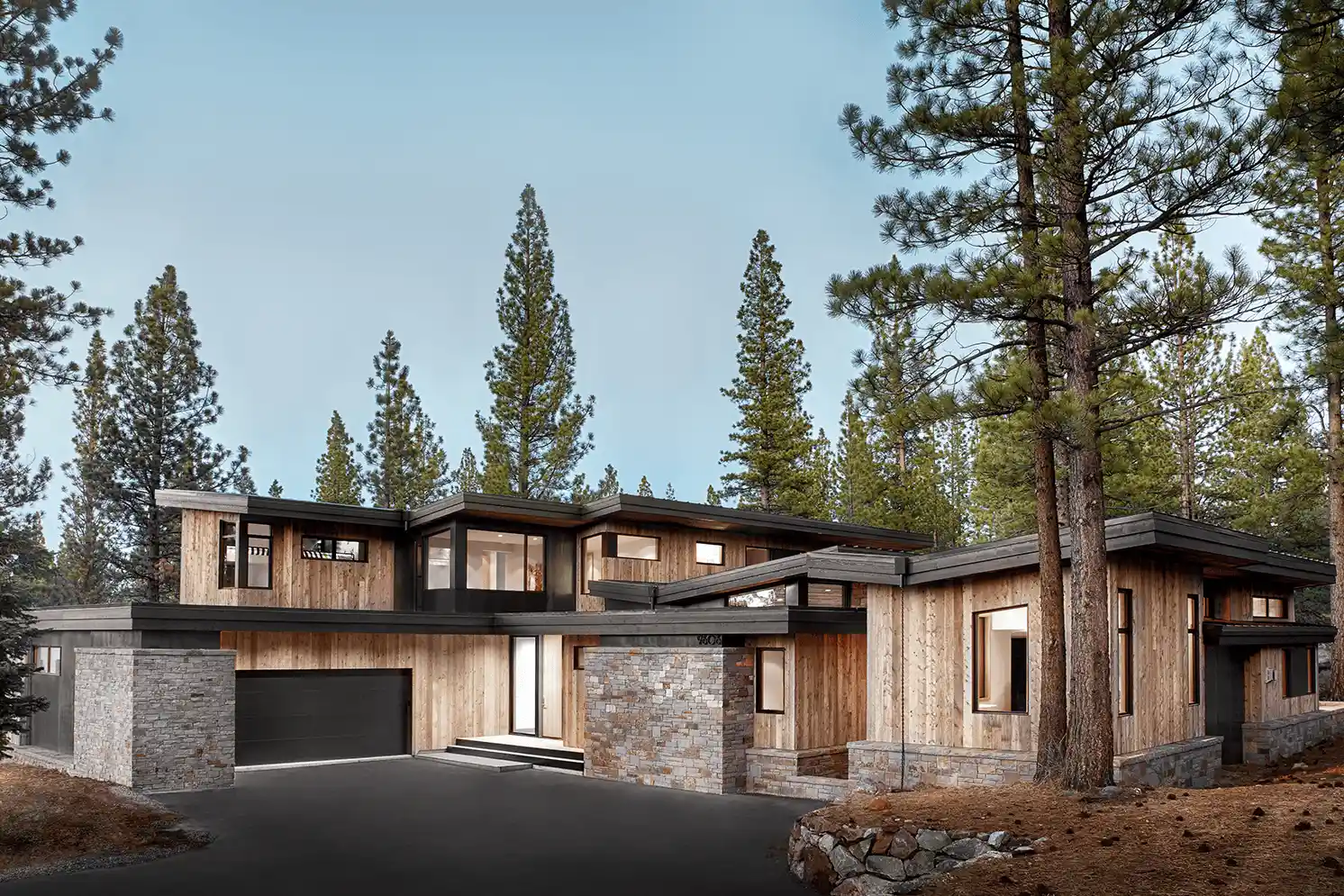
Method Homes, founded in 2007, manufactures in Ferndale, Washington, and is known for architect-designed, sustainability-focused prefab. Its series are designed with firms including Prentiss + Balance + Wickline Architects and Grouparchitect, most of its work is custom, and its portfolio includes LEED Platinum projects. Method delivers across the Western United States and Canada. Its positioning is at the high end of the modular market.
Plant Prefab (Rialto, California)
Plant Prefab builds in a 62,000-square-foot factory in Rialto, California, using a patented hybrid of modules and finished panels. Its LivingHomes line carries designs by Ray Kappe, KieranTimberlake, Yves Béhar, and Brooks + Scarpa, and clients may also bring their own architect. Pricing spans a wide band: its lightHouse ADU line has started at about $170,000, while its Passive House LivingHomes have started at $586,257. The company states its system cuts build time by at least half versus site-built construction.
Cavco Industries (Phoenix, Arizona)
At the volume end of the market, Cavco is one of the largest producers of HUD Code manufactured homes in the country. It delivered 20,842 homes in its fiscal 2026, according to its SEC reporting, sells through a national dealer network, and says its homes average about $106,000, below the national manufactured average of $134,800 recorded by the Census Bureau in April 2026. Its model is the standardization play: repeatable floor plans and prices that undercut every other form of new detached housing.
Boxabl (North Las Vegas, Nevada)
Boxabl takes standardization further. Its Casita is a folding modular unit, 361 square feet in studio form, that ships on a standard trailer and unfolds on site in about an hour, according to the company. The Casita’s listed MSRP is $60,000 for the unit, with larger two-module versions above that. Boxabl began trading on the Nasdaq stock exchange on July 20, 2026, following its merger with FG Merger II Corp., and its shares fell sharply in their first days of trading. Site work, shipping, and permits are extra, a caveat that applies across the entire category.
What the Numbers Say, and Where the Limits Are
Census data compiled by the Manufactured Housing Institute put manufactured home shipments at 102,737 in 2025, about 7 percent of combined United States home production, and monthly figures published by July 2026 showed shipments running modestly below the 2025 pace. The economic case rests on three variables: cost per square foot, construction time, and certainty. Factory builders consistently report timelines measured in weeks of production rather than the better part of a year on site, and fixed factory pricing limits the change-order drift common in custom construction. The constraints are equally consistent: modules travel economically only within a few hundred miles of a factory, which is why the industry map is regional, and zoning codes in many jurisdictions still treat factory-built housing as a separate category. Appraisal and lending practices remain less standardized than for site-built homes.
Financing Gets a Federal Reset
The July law is the most significant attempt yet to close that lending gap. It raised FHA Title I loan limits to $106,405 for a single-section home and $195,322 for a multi-section home, or $149,782 and $238,699 respectively when the loan includes the lot, with the limits indexed annually from here. It also allows personal property, or chattel, loans to run for up to 30 years, closer to conventional mortgage terms. How quickly lenders and appraisers adapt will shape how much of the law reaches buyers.
The design ceiling is clearly higher than the category’s old image suggests. Whether factory-built housing grows from roughly 7 percent of national production to something materially larger will depend less on the factories than on the zoning boards, lenders, and appraisers around them.
FAQ
What is the difference between a manufactured home and a modular home? A manufactured home is built to the federal HUD Code; a modular home is built in sections to state and local codes and set on a permanent foundation. Modular homes are generally financed and appraised like site-built homes, while manufactured homes have historically used a mix of mortgage and personal property loans.
How much cheaper is a factory-built home? Census figures put manufactured homes near $84 per square foot versus about $169 for site-built construction, excluding land in both cases. Design-led modular homes cost more than HUD Code models but typically undercut comparable custom site-built projects.
Can a modular home be customized? Yes. Companies such as Connect Homes, Method Homes, and Plant Prefab build around standard systems but allow buyers to adjust layouts, finishes, and glazing, and all three work with outside architects, including on fully custom commissions.
Sources and Methodology Note
Company details are drawn from official company websites and materials (Connect Homes and its Connect Shelters line, Method Homes, Plant Prefab, Boxabl, Cavco), Los Angeles Department of Building and Safety standard-plan documentation for Connect Homes, and Cavco’s fiscal 2026 SEC reporting. Policy details are drawn from the 21st Century ROAD to Housing Act (enacted July 11, 2026) and HUD’s proposed manufactured housing rule of June 12, 2026. Production data are from the U.S. Census Bureau as compiled by the Manufactured Housing Institute (102,737 manufactured homes shipped in 2025), and price data are from the Census Bureau Manufactured Housing Survey, April 2026. Boxabl’s listing details are from Nasdaq market reporting on its July 20, 2026 trading debut. Company claims about speed and cost savings are attributed to the companies in the text. Photographs are credited beneath each image.