
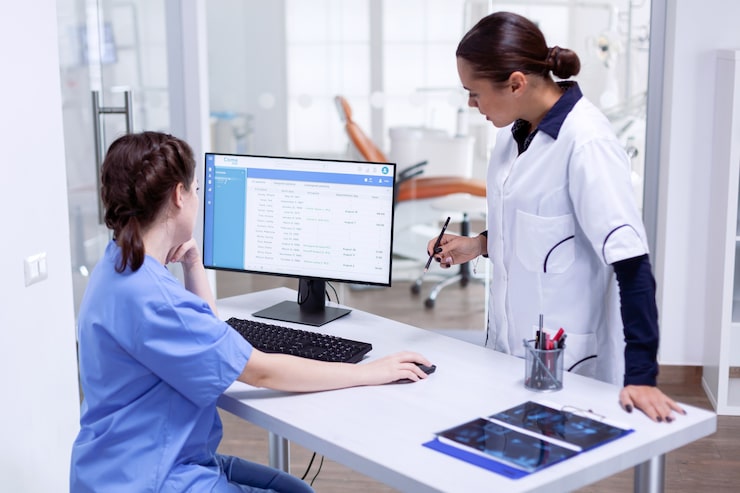
An unexpected dental appointment can disrupt the practical arrangements of an ordinary day. Someone may need to find the practice number, check the destination, reorganize transport or pass an appointment update to another adult. Keeping basic contact information organized makes those administrative tasks easier to manage. It does not determine what care someone needs, and preparing documents should never delay contacting a dental professional about a concern.
A useful household contact plan can be short. Its purpose is to show where current information is kept, who will handle a call and which questions belong with the practice. It should avoid collecting unnecessary personal details or giving family members the impression that a checklist can replace professional guidance.
Keep a current contact entry
Save the practice name, its published contact number and a link to its own website. Include the date when the entry was last checked. An old appointment reminder may still be useful, but it should not be the only source if an address or contact arrangement has changed. Review the entry when the household changes providers or receives updated information from the office.
Make the entry accessible to the adults who may need it without circulating a large personal archive. A shared address book or a clearly labeled note may be enough. Someone who prefers paper can keep a short printed copy, provided it is updated when the main entry changes. Avoid placing private account details or sensitive records in a general household contact list.
Confirm the destination rather than relying on a search phrase
Search results often describe the community a practice serves, which may differ from the location of its office. For a United States example, a person reviewing emergency dental care near Coral Gables can consult Miami Smile Dental’s information page and contact its Pinecrest, Florida office about current arrangements. Coral Gables is the nearby search and service context; it should not be treated as the office address.
Ask the practice to confirm the location for the particular appointment. Save the confirmed address with the booking information rather than copying a place name from a search result. If there is any uncertainty about the entrance or arrival arrangements, raise that with the office. Avoid assuming that a previous visit to a different location establishes where to go this time.
Separate a request from a confirmed appointment
Keep a brief note of whether someone called, left a message, submitted a request or received an actual booking confirmation. Those are different stages. A household member arranging transport needs to know which stage applies rather than infer that a message sent to the practice means a time has been reserved.
When the office confirms an appointment, record the time, location and contact method for changes. Ask how any further update will be communicated. Website descriptions do not guarantee same-day availability or a particular response time. The practice should explain the current arrangements, and questions about a person’s dental needs belong with the dental professional rather than the household scheduling note.
Divide practical responsibilities clearly
If another adult is helping, agree on the specific task they will handle. One person might organize transport while another communicates with the office. A clear division reduces duplicate calls and prevents several people from making different plans from incomplete information. The person receiving an update should know whom else needs the practical details.
Keep the individual attending the appointment involved in decisions and respect their preferences about sharing information. Helping with a lift or a calendar entry does not require access to all of someone’s health records. Share only the details needed for the agreed help, such as the confirmed destination and time. Ask the practice directly about its requirements for a companion or representative rather than assuming that a household arrangement settles those questions.
Ask which documents the office actually needs
The office can explain which records or forms it requests and how they should be provided. Use that guidance instead of sending an entire folder simply because it is available. Keep original documents where they can be found again, and note whether a requested item has been supplied. If something is missing, tell the office rather than guessing at the information.
Use the practice’s designated method for sharing sensitive information. A family group message may be convenient for coordinating transport, but it is not automatically an appropriate place for medical documents. Administrative organization should make relevant material easier to locate while limiting unnecessary copies. Completing a folder is not a condition for seeking professional help when a concern arises.
Update the plan after a change
If a booking changes, update the calendar and tell anyone whose practical arrangements are affected. Make clear which time is current so an older forwarded message does not cause confusion. Record any next administrative step the office has requested, including who will handle it and where the relevant information is stored.
Keep clinical instructions separate from household interpretations. Questions about care should go back to the practice, not be resolved by comparing relatives’ recollections. The contact plan has a modest but useful job: keep the right phone number, destination and appointment information easy to find. A short, accurate record can support an interrupted day without turning routine coordination into an unnecessary paperwork exercise.
