
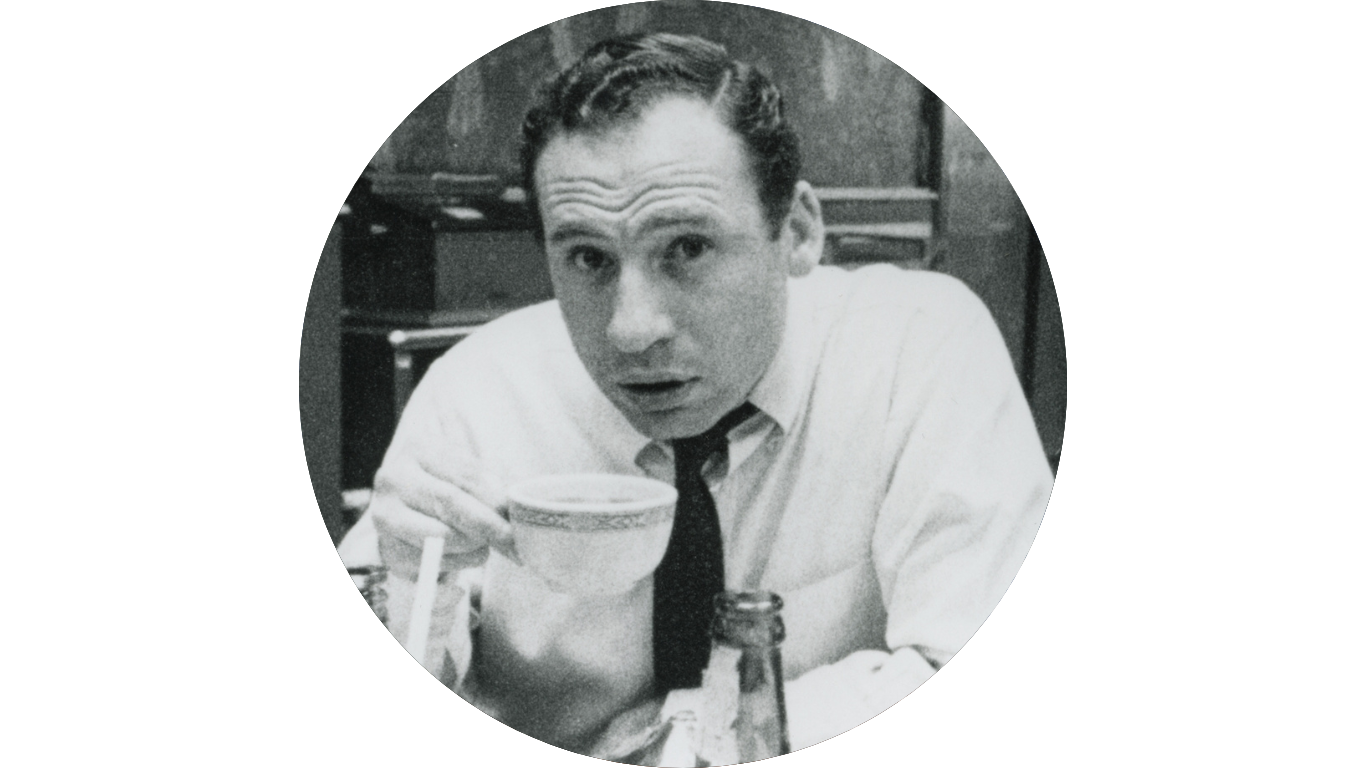
There are very few figures in entertainment whose work feels permanently woven into comedy history. Mel Brooks is unquestionably one of them. For decades, his films, from The Producers and Blazing Saddles to Young Frankenstein and Spaceballs, have shaped the language of satire and fearless comedy in ways that still influence filmmakers and comedians today.
But HBO Max’s new two-part documentary, Mel Brooks: The 99-Year-Old Man!, is less interested in simply celebrating those achievements than in understanding the person behind them. Directed by Judd Apatow and Michael Bonfiglio, the nearly four-hour series explores Brooks not only as a comedy icon, but as a husband, friend, soldier, artist, and survivor whose humor often emerged from deeply personal places.
What stood out to me while looking into the documentary is how intentionally it moves beyond the familiar public image. Brooks has spent decades being described as “the funniest man in the room,” but Apatow and Bonfiglio appear more interested in the quieter layers underneath that reputation.
A Collaboration Built on Comedy History
This project continues a creative partnership between Apatow and Bonfiglio that has already produced some of the most thoughtful comedy documentaries in recent years.
Their earlier HBO projects, including The Zen Diaries of Garry Shandling and George Carlin’s American Dream, approached legendary comedians not as untouchable icons, but as complicated human beings whose work was deeply connected to loss, insecurity, ambition, and personal philosophy.
That same approach carries into Mel Brooks: The 99-Year-Old Man!, though the tone here appears warmer and more celebratory. Brooks, even at 99, remains remarkably sharp, fast, and instinctively funny, something Bonfiglio himself highlighted in interviews about the series.
At the same time, the filmmakers wanted to create space for conversations Brooks had rarely explored publicly. Apatow explained that the goal was not simply to gather funny stories, but to speak with Brooks “in a more serious way about his life.”
Looking Beyond the Public Persona
For audiences familiar with Brooks primarily through his comedy, the documentary appears to reveal a more emotional and introspective side of his life.
Born Melvin Kaminsky in Brooklyn in 1926, Brooks grew up in a working-class household after losing his father at a young age. He later served in World War II before eventually building a career that transformed American comedy.
What I find particularly compelling is how the documentary reportedly connects Brooks’ comedy to both pain and resilience. His satire was never simply about provoking audiences. Whether confronting fascism in The Producers or racism in Blazing Saddles, Brooks consistently used humor as a way to dismantle fear and authority.
Apatow has spoken openly about how courageous Brooks’ comedy feels even now, especially in an entertainment landscape that often appears more cautious.
Revisiting a Career That Redefined Comedy
The documentary traces Brooks’ creative journey from early television writing for Sid Caesar to the groundbreaking 2,000 Year Old Man routines with Carl Reiner, before moving into the films that ultimately defined his legacy.
What becomes clear throughout the series is how disruptive Brooks’ work truly was at the time. Films like Blazing Saddles and Young Frankenstein were not simply successful comedies, they fundamentally reshaped what mainstream comedy could look like.
The documentary reportedly blends archival footage, film clips, and interviews from comedians and collaborators including Jerry Seinfeld, Adam Sandler, Ben Stiller, Dave Chappelle, Amy Schumer, and many others.
Rather than feeling like a standard celebrity tribute, the interviews appear designed to show how deeply Brooks’ work influenced multiple generations of performers.
The Emotional Center of the Story
One of the strongest emotional threads within the documentary focuses on Brooks’ relationship with actress Anne Bancroft, whom he was married to from 1964 until her death in 2005.
Several reviews noted how unexpectedly moving those sections become. Beneath Brooks’ nonstop humor is a genuine love story that shaped much of his adult life.
What stood out to me is how often critics describe the documentary as both funny and deeply emotional. The Hollywood Reporter called it “wildly emotional” alongside being as funny as audiences would expect.
That emotional openness seems central to what separates this documentary from a traditional retrospective.
Final Conversations with Friends and Collaborators
The film also carries unexpected emotional weight because it includes some of the final on-screen interviews from major cultural figures.
Posthumous interviews with Rob Reiner and David Lynch appear throughout the series, giving the documentary an added sense of reflection and legacy.
Lynch reportedly agreed to participate because of his long-standing admiration for Brooks, who famously supported him during the making of The Elephant Man. Meanwhile, Reiner’s segments carry added resonance because of his lifelong family connection with Brooks through Carl Reiner.
According to the filmmakers, they chose not to heavily edit Reiner’s material, allowing those moments to remain as a tribute both to him and to the long friendship between the Reiner and Brooks families.
More Than a Comedy Documentary
What stayed with me most while researching the project is that the documentary seems less interested in nostalgia than in understanding endurance.
At 99 years old, Brooks still approaches comedy with the same instinctive energy that defined his earlier career. Yet the series also appears deeply aware of time, legacy, friendship, and loss.
Critics have repeatedly emphasized that the documentary functions not only as a portrait of a comedy genius, but as a meditation on creativity itself.
Why Brooks Still Matters
Part of what makes Mel Brooks remain so relevant is that his comedy was never only about jokes. It was about fearlessness.
He mocked dictators, prejudice, authoritarianism, and social absurdity in ways that felt both outrageous and oddly humane. Even now, many comedians and filmmakers continue to view him as one of the clearest examples of comedy being used not simply to entertain, but to challenge power.
What Apatow and Bonfiglio appear to understand is that Brooks’ legacy cannot be captured through clips alone. It requires understanding the life behind the humor, the grief, the friendships, the losses, and the relentless need to make people laugh anyway.
And perhaps that is what gives Mel Brooks: The 99-Year-Old Man! its emotional weight. It is not simply documenting a legendary career. It is documenting what it means to keep creating, keep laughing, and keep finding joy after nearly a century of life.
For more information, visit here.
She’s All Over the Place Podcast