
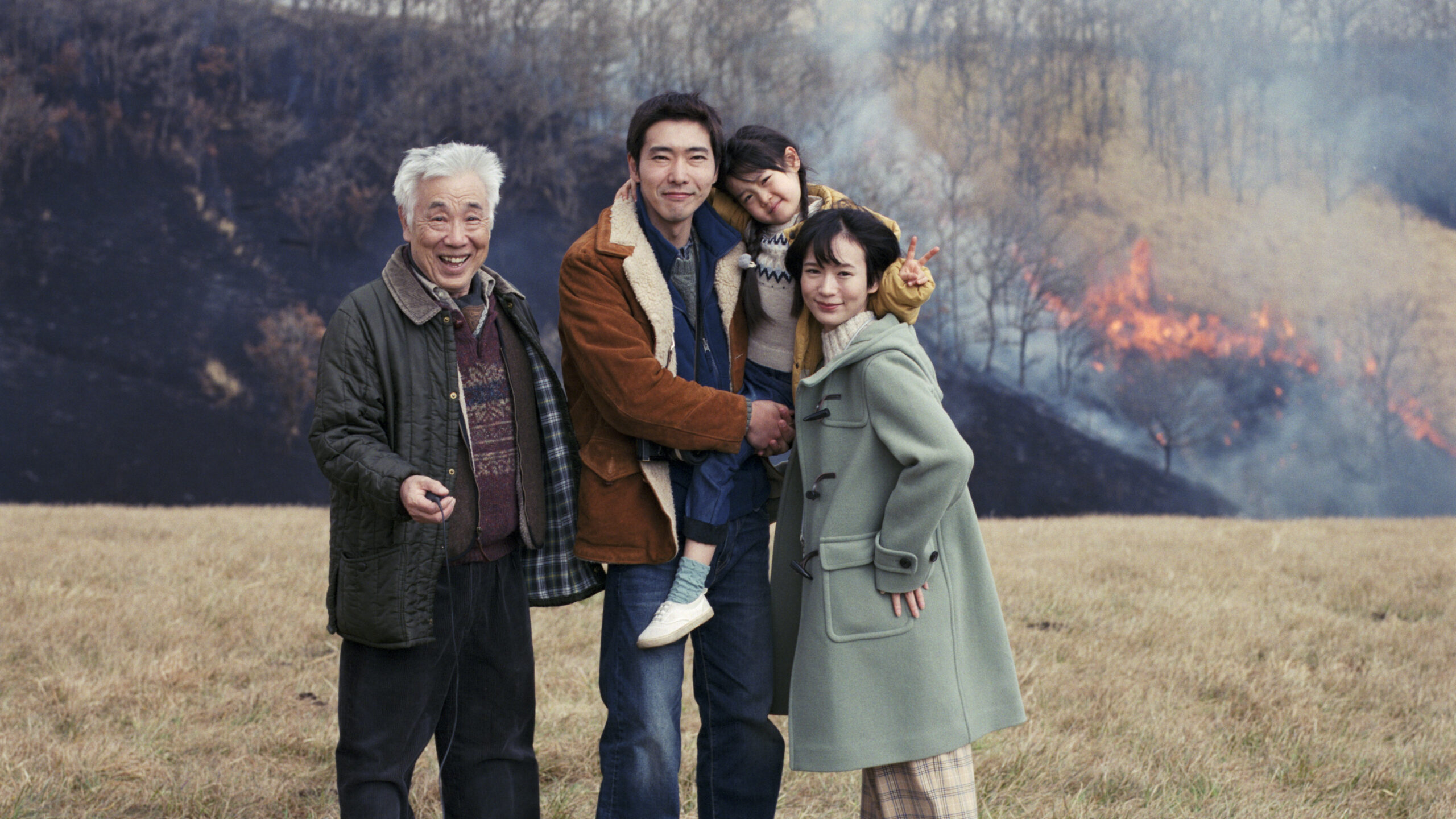
Some films seem less interested in dramatic events than in the quiet accumulation of everyday moments. MEMORIZU, the debut feature from Japanese writer-director Miiku Sakanishi, appears to belong firmly in that category.
Selected for the International Narrative Competition at the Tribeca Festival, the film will make its world premiere on June 6, 2026, with Sakanishi attending the festival in person. Following its Tribeca debut, MEMORIZU is scheduled for theatrical release in Japan later in June.
What stood out to me while reading about the project is how quietly ambitious it sounds. Rather than relying on overt drama, the film appears deeply focused on how people preserve connection through images, gestures, and routine moments that often go unnoticed while they are happening.
A Story Built Around Everyday Observation
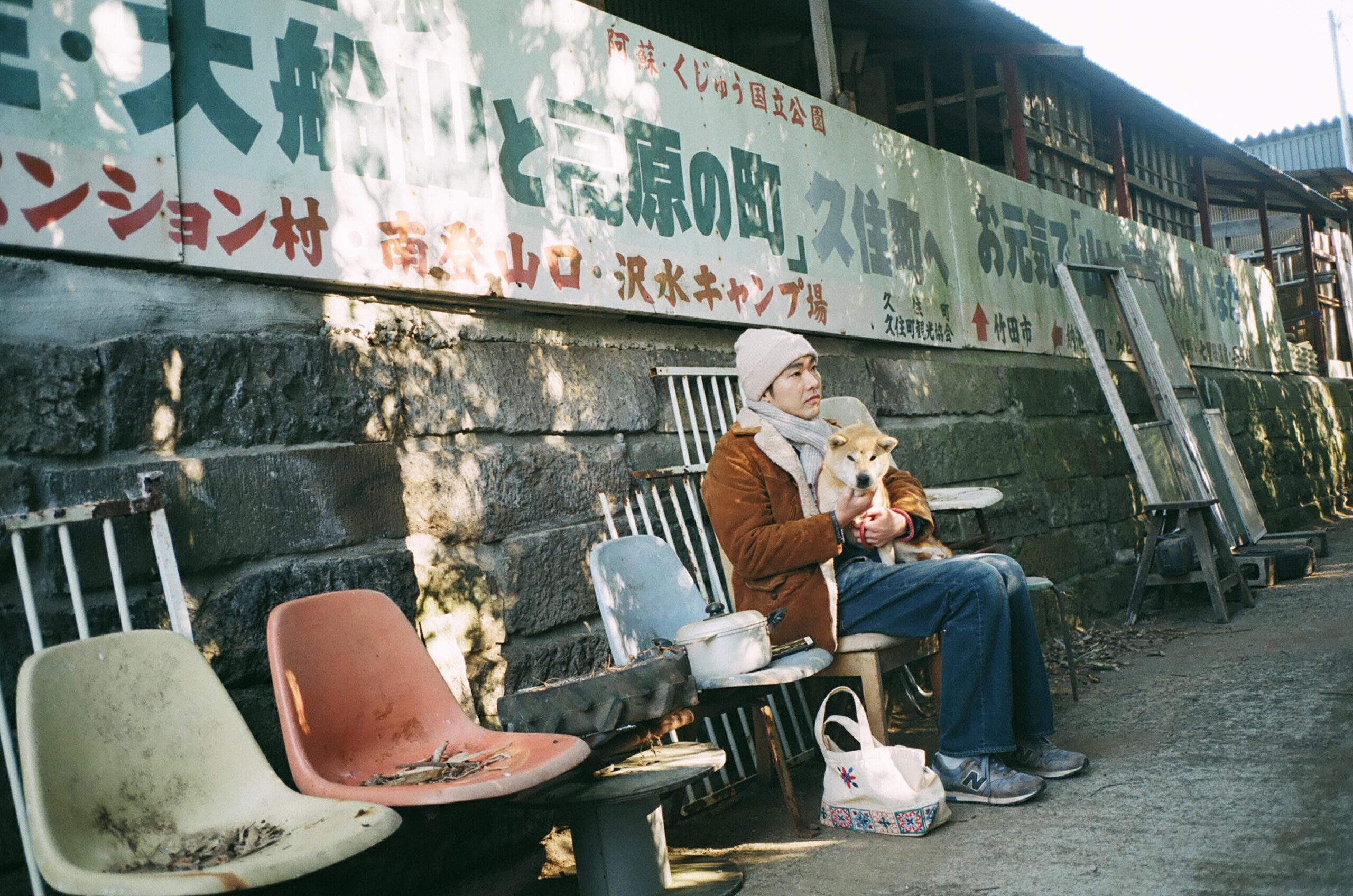
Set in a remote town on Japan’s southern island of Kyushu, MEMORIZU follows Yuta, played by Tasuku Emoto, who travels from Tokyo to care for his recovering father-in-law Makoto.
Makoto, portrayed by veteran actor Issey Ogata, runs a traditional portrait photography studio and carries a personality described as both mercurial and deeply committed to his craft. While helping in the studio, Yuta remains connected to his wife Yuki, played by Moeka Hoshi, and their young daughter through casual smartphone videos and digital fragments of daily life.
What begins as a temporary visit gradually evolves into something more reflective. As Yuta settles into the slower rhythm of rural life, he starts documenting ordinary moments around him, pieces of conversation, routines, gestures, and seemingly insignificant details.
Over time, those fragments begin forming a layered emotional portrait of a family shaped as much by distance and absence as by physical presence.
What I find compelling is how understated the premise is. The film does not appear to chase dramatic conflict. Instead, it seems deeply invested in how memory quietly forms through repetition and observation.
Photography as Emotional Language
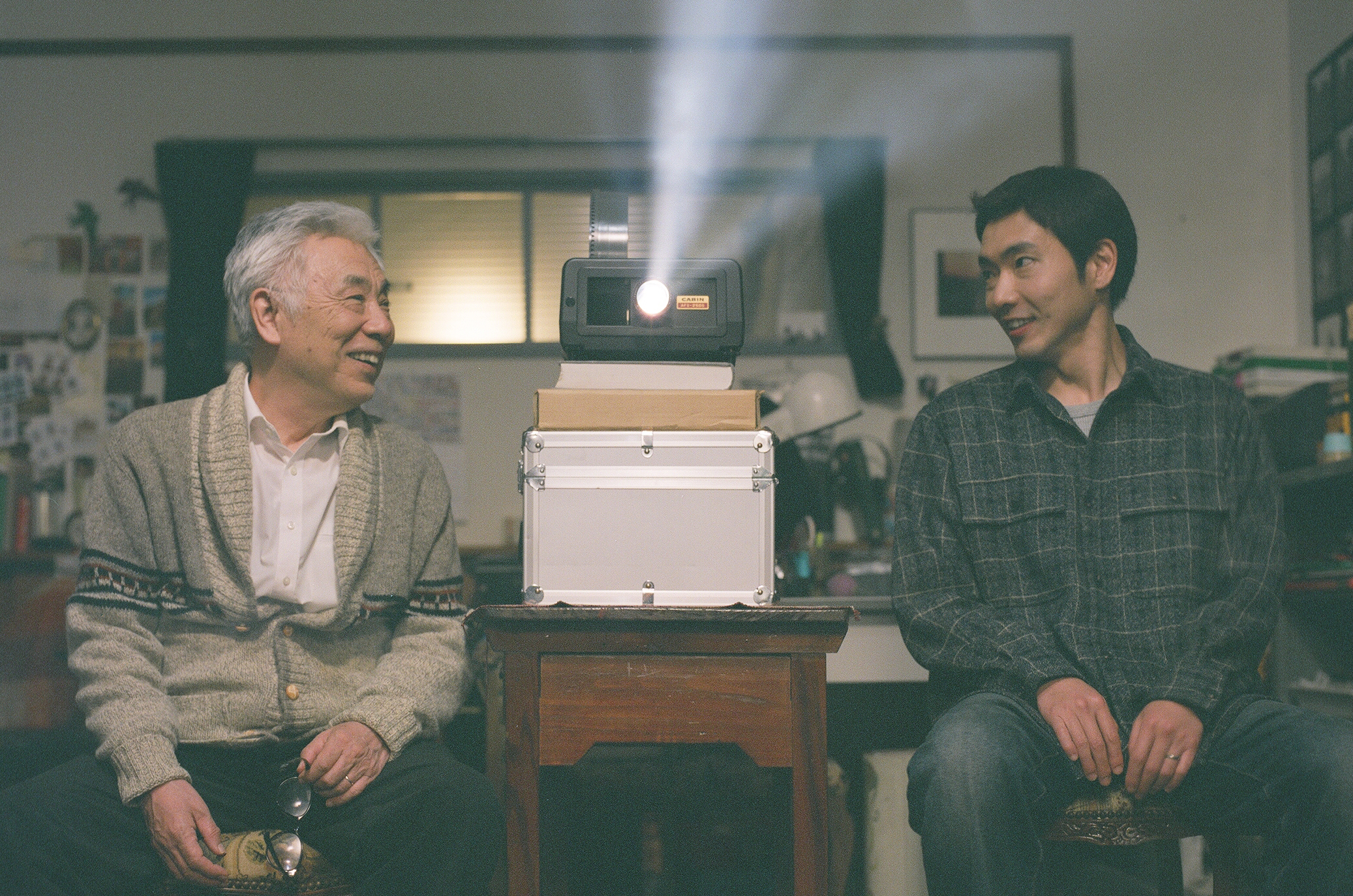
One of the central ideas within MEMORIZU is the contrast between traditional photography and modern digital recording.
Makoto’s portrait studio represents a form of image-making rooted in permanence, carefully composed photographs intended to last across generations. Yuta’s smartphone videos, by contrast, capture fleeting and casual moments that are often forgotten almost as quickly as they are recorded.
That tension between permanence and ephemerality appears to sit at the emotional center of the film.
What stood out to me is how relevant that idea feels now. Modern life produces an endless stream of images, yet many of them feel strangely temporary despite being constantly archived. MEMORIZU seems interested in exploring whether images truly preserve memory or simply document its passing.
Influences Rooted in Observational Cinema
Sakanishi’s visual approach reportedly draws influence from filmmakers such as Abbas Kiarostami, José Luis Guerín, Sofia Coppola, and Edward Yang.
Those references immediately suggest a cinema focused less on plot mechanics and more on atmosphere, emotional distance, and the passage of time.
What I noticed while reviewing the project is how closely its themes align with that lineage. The emphasis appears to be on quiet observation, emotional ambiguity, and the way ordinary spaces slowly reveal emotional depth.
Rather than forcing meaning onto moments, the film seems designed to let significance emerge gradually.
A New Voice Emerging in Japanese Cinema
For Miiku Sakanishi, MEMORIZU marks a significant step into feature filmmaking, though his work has already begun attracting attention internationally.
A graduate of Kyoto University of the Arts, Sakanishi first gained recognition through his short film A Little While, which received the Grand Prize at the International Students Creative Awards.
Since then, he has worked as an assistant director while also directing music videos, experiences that appear to have shaped his visual sensibility and attention to mood.
The project also carries a personal dimension. Sakanishi’s father, Isaku Sakanishi, was a pioneering music video director in Japan, and the younger filmmaker has spoken about his longstanding fascination with how images preserve time and emotion.
What stood out to me is how naturally that influence seems woven into the film’s concept. MEMORIZU does not simply use photography as a visual motif. It appears fundamentally concerned with the emotional act of recording life itself.
A Strong Ensemble Anchors the Film
The casting reflects a thoughtful balance between contemporary and veteran Japanese performers.
Tasuku Emoto, known internationally for his role in And Your Bird Can Sing, brings a subtle emotional quality well suited to introspective material. Meanwhile, Issey Ogata remains one of Japan’s most respected character actors, recognized globally for performances in Silence and The Sun.
Moeka Hoshi, whose international profile expanded significantly through the FX series Shōgun, adds another layer of contemporary visibility to the project.
What I find particularly interesting is how restrained the casting choices feel. These are performers known for nuance rather than overt theatricality, which aligns closely with the film’s contemplative tone.
International Attention Already Building
The film’s inclusion in Tribeca’s International Narrative Competition signals early confidence in Sakanishi’s debut.
At the same time, Paris-based sales company Alpha Violet has already taken on international sales responsibilities and plans to present the film at the Cannes Marché du Film.
Alpha Violet has built a reputation around carefully selected auteur-driven cinema, with previous successes including films such as Tótem and Apples.
What stood out to me is how naturally MEMORIZU fits within that catalog. It feels aligned with a contemporary international art cinema movement focused on intimacy, memory, and emotional realism.
A Film About Presence, Distance, and Time
At its core, MEMORIZU appears less concerned with narrative twists than with emotional accumulation.
The story unfolds through routines, recordings, conversations, and images, through the ordinary moments that eventually become memory itself. That approach requires patience, both from the filmmaker and the audience, but it also creates space for something more personal and lasting.
What stayed with me most while researching the film is the way it frames absence not as emptiness, but as part of family life itself. Relationships continue through distance, through recordings, through shared images, and through the small gestures people leave behind.
Why MEMORIZU Feels Timely
In an era where people document nearly every part of their lives digitally, MEMORIZU seems especially relevant.
The film asks quiet but meaningful questions. What makes an image meaningful? What do we actually preserve when we record our lives? And how do memories evolve once they become images themselves?
Rather than answering those questions directly, Sakanishi appears interested in observing them patiently through everyday life.
And that may ultimately be what gives MEMORIZU its emotional strength. It is not trying to dramatize memory. It is trying to sit inside it, long enough for its complexity to reveal itself naturally.
For more information, visit here.
She’s All Over the Place Podcast