
There are certain film projects that immediately feel shaped by legacy, not only because of the cast involved, but because of the creative history connecting everyone behind the camera. Embers, the newly announced feature now in production in Budapest, feels very much like that kind of film.
Directed by Academy Award winner István Szabó and adapted by Christopher Hampton from the celebrated novel by Sándor Márai, the film reunites an unusually distinguished creative team led by Ralph Fiennes and Viggo Mortensen.
What stood out to me while reading through the production announcement is how personal the project appears to be for everyone involved. This does not feel like a studio-driven literary adaptation assembled around prestige alone. It feels like a film many of its collaborators have been quietly waiting years to make.
A Reunion Decades in the Making
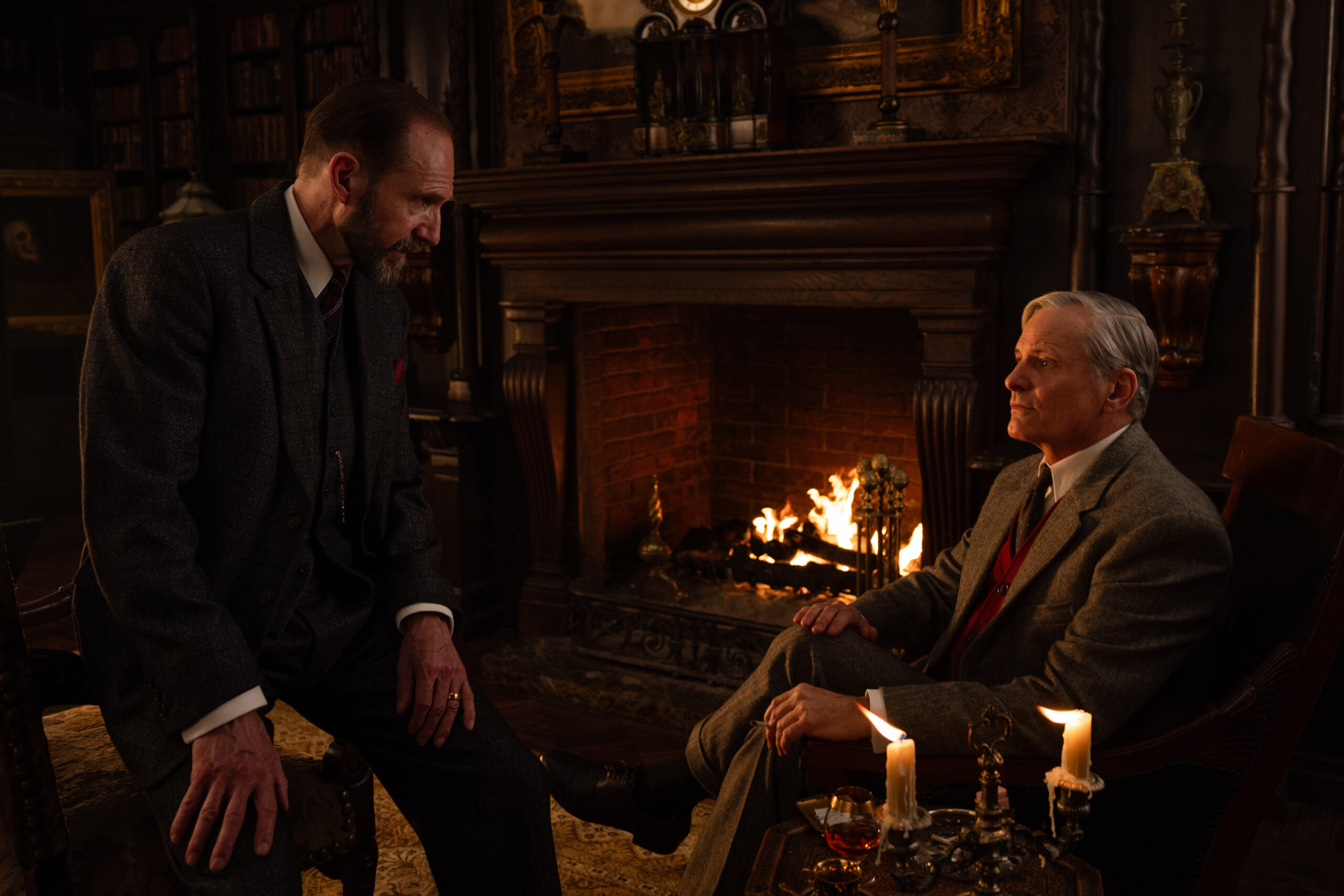
At the center of Embers is the relationship between two former friends, Henrik and Konrad, who reunite after decades apart following Konrad’s mysterious disappearance.
Over the course of a single evening, long-buried secrets gradually emerge, including the emotional betrayal connected to a woman who changed both of their lives forever.
The premise itself carries the kind of restrained emotional tension often associated with classic European literature. Rather than relying on action or spectacle, the story appears built around memory, regret, loyalty, and psychological confrontation.
What I find particularly compelling is the intimacy of the setup. Two men, one room, decades of silence, and unresolved betrayal. That emotional structure places enormous weight on performance and dialogue, which makes the casting especially significant.
Ralph Fiennes and Viggo Mortensen Share the Screen
The pairing of Ralph Fiennes and Viggo Mortensen immediately gives the project unusual dramatic weight.
Both actors have built careers around emotionally layered performances that often reveal intensity through restraint rather than overt dramatics. Fiennes, known for films such as The English Patient, Schindler’s List, and most recently Conclave, reunites here with director István Szabó and producer Robert Lantos after their earlier collaborations on Sunshine.
Mortensen, meanwhile, brings his own history with Lantos following Eastern Promises. What stood out to me is how naturally these actors seem suited to the emotional architecture of the story. Both excel at portraying characters carrying enormous emotional histories beneath controlled exteriors.
Fiennes himself described working with Mortensen, Szabó, and the Hungarian crew as “something extraordinary,” while Mortensen referred to the production as a “once-in-a-lifetime experience.”
Those comments feel notable because neither actor is particularly known for exaggerated promotional language.
A Cast Rooted in Prestige Drama
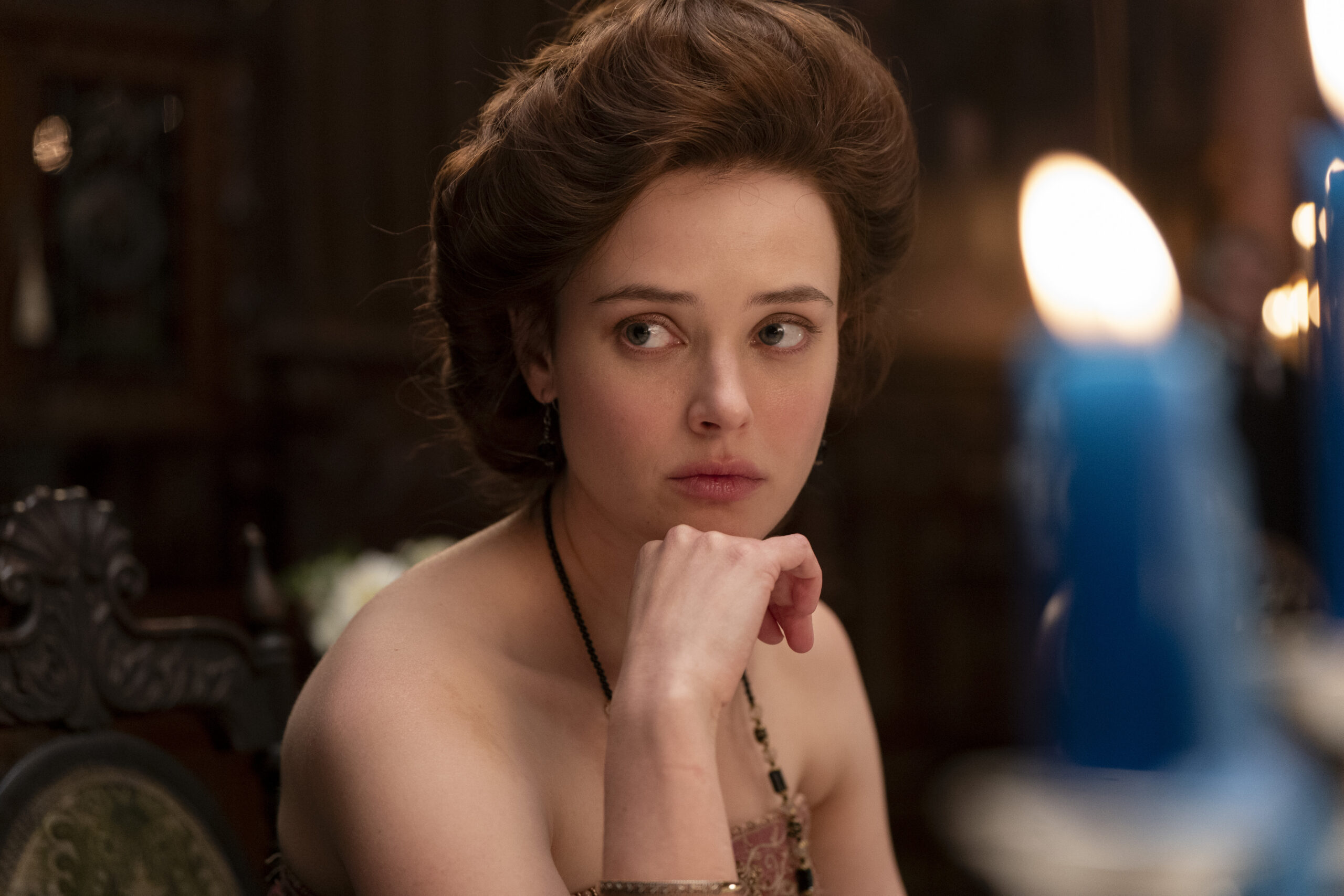
Alongside Fiennes and Mortensen, the cast includes Charlotte Rampling, Katherine Langford, Louis Hofmann, Gijs Blom, Evelyne Brochu, and Jonah Russell.
What I noticed while reviewing the cast is how strongly the film leans toward performers associated with emotionally nuanced material rather than large-scale commercial spectacle. That choice aligns closely with the tone of Márai’s original novel, which is widely regarded as one of the great works of twentieth-century European fiction.
Christopher Hampton Returns to the Material
One of the most interesting aspects of the production is that Christopher Hampton previously adapted Embers for the stage before later returning to create the screenplay.
According to the production notes, Hampton eventually sent the script directly to Szabó with a single message: “In hope.”
That detail stayed with me because it suggests how deeply personal the material became over time. The adaptation appears less like a commissioned screenplay and more like a project slowly finding the right collaborators.
Szabó himself described Hampton’s screenplay as “the best script I have ever held in my hands,” while praising Márai’s novel as “one of the most beautiful works of twentieth-century fiction.”
István Szabó Returns to Intimate European Drama
For István Szabó, Embers marks another return to the emotionally layered historical dramas that defined much of his career.
The Hungarian filmmaker remains one of Europe’s most respected directors, best known internationally for films such as Mephisto, Colonel Redl, Sunshine, and Being Julia.
What stood out to me is how naturally Embers fits into that body of work. Szabó has long been fascinated by memory, political history, personal compromise, and emotional betrayal, themes that appear central to this story as well.
A Production Team With Deep Collaborative History
The project reunites several longtime collaborators across departments.
Academy Award-winning composer Mychael Danna joins the production alongside cinematographer Dániel Garas, production designer Attila F. Kovacs, editor David Wharnsby, and costume designer Bea Merkovits.
Casting was handled by renowned casting director Nina Gold, whose previous work includes some of the most acclaimed prestige productions of recent years.
The film is produced by Serendipity Point Films, HGO Films, and Potboiler Productions, with international sales handled by Embankment Films.
Budapest as the Emotional Setting
Principal photography is currently underway in Budapest, a location choice that feels deeply appropriate given the film’s Central European literary roots.
What I find interesting is how strongly the atmosphere of Márai’s writing depends on place itself. His novels often carry a sense of fading aristocratic Europe, where memory and history linger within architecture, silence, and ritual.
Budapest seems ideally suited to preserving that atmosphere onscreen.
A Film Built Around Emotional Confrontation
Unlike many contemporary literary adaptations, Embers appears intentionally stripped down in structure. The emotional stakes come not from physical action, but from conversation, memory, and revelation.
That approach requires enormous confidence from both filmmakers and actors.
What stayed with me most while reading about the production is that everyone involved appears deeply connected to the material itself. The project carries the feeling of artists returning to the kind of intimate adult drama that has become increasingly rare in mainstream cinema.
Why Embers Already Feels Significant
At a time when many films prioritize scale and spectacle, Embers seems positioned around emotional precision instead.
The combination of Szabó’s direction, Hampton’s adaptation, Márai’s literary foundation, and the pairing of Fiennes and Mortensen creates the sense of a film rooted in classical dramatic storytelling, where silence, memory, and performance carry the greatest weight.
And perhaps that is exactly why the project already feels so intriguing before a single frame has been released publicly.
It is not trying to overwhelm audiences. It appears far more interested in something quieter and ultimately more difficult, revealing what remains unresolved between people long after time has passed.
For more information, visit here.
She’s All Over the Place Podcast