
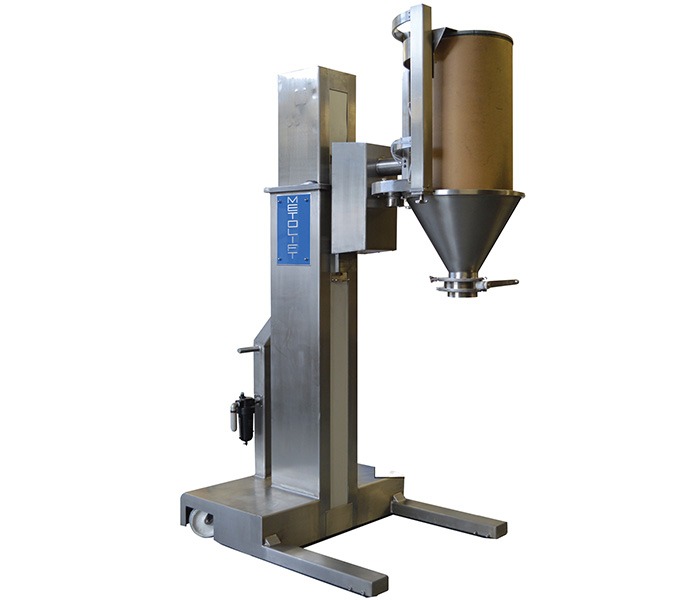
Handling heavy drums in industrial settings can be challenging, time-consuming, and risky without the right equipment. A telescoping portable drum inverter offers a modern, efficient solution designed to improve safety, productivity, and flexibility in drum handling operations.
In this guide, you’ll learn everything you need to know about this innovative equipment—how it works, why it matters, and how to choose the best one for your needs.
Telescoping Portable Drum Inverter Overview And Key Features
A telescoping portable drum inverter is a specialized material handling device designed to lift, tilt, and invert drums safely and efficiently. It is widely used in industries such as chemical processing, pharmaceuticals, food manufacturing, and logistics where handling large containers is a routine task.
The standout feature of this equipment is its telescoping mechanism, which allows the lifting arm to extend vertically. This means operators can handle drums at various heights without needing additional machinery. Combined with portability, it provides unmatched flexibility on the shop floor.
Most models are equipped with ergonomic controls, secure clamping systems, and smooth tilting functions. These features reduce operator fatigue and minimize the risk of spills or accidents. Additionally, the compact design allows easy maneuverability in tight spaces, making it ideal for facilities with limited room.
Benefits Of Using A Telescoping Portable Drum Inverter In Industrial Settings
One of the biggest advantages of using a telescoping portable drum inverter is improved workplace safety. Traditional drum handling methods often involve manual lifting or makeshift tools, which can lead to injuries. This equipment eliminates those risks by providing controlled lifting and tilting.
Another key benefit is increased efficiency. Workers can complete tasks faster without needing multiple tools or assistance. This is especially valuable in high-volume operations where time is critical.
Cost savings is another factor. While the initial investment may seem high, the reduction in labor costs, workplace injuries, and product waste quickly justifies the expense. Over time, companies often see a strong return on investment.
How Does A Telescoping Portable Drum Inverter Work?
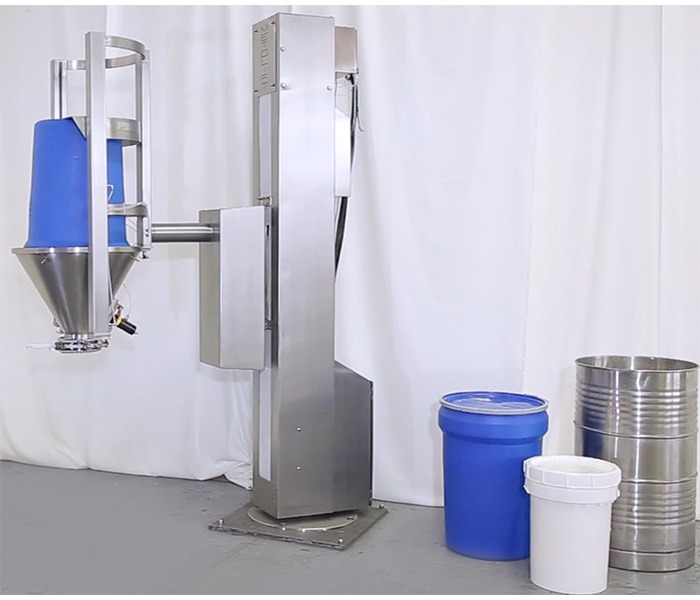
Understanding how this equipment works helps you make better decisions when choosing the right model. A telescoping portable drum inverter operates through a combination of mechanical lifting and controlled rotation.
The process begins with securing the drum using a clamp or cradle system. Once the drum is firmly held, the telescoping mast lifts it to the desired height. The extension feature ensures that even high shelves or mixing tanks can be accessed easily.
After lifting, the inverter mechanism allows the drum to rotate, usually up to 180 degrees. This controlled tilting ensures precise pouring or emptying of contents without spills. Some advanced models also offer variable speed controls, allowing operators to adjust the tilt rate based on the material being handled.
Why Choose A Telescoping Portable Drum Inverter Over Traditional Methods?
Traditional drum handling methods often rely on forklifts, manual lifting, or static drum lifters. While these methods can get the job done, they lack the flexibility and safety features of modern equipment.
A telescoping portable drum inverter stands out because it combines multiple functions into one device. Instead of using separate tools for lifting, transporting, and pouring, this equipment handles everything seamlessly.
Another major advantage is precision. Manual handling increases the chances of spills, which can be hazardous and costly. With an inverter, operators have full control over the drum’s movement, ensuring accurate dispensing of materials.
Mobility is also a key factor. Unlike fixed systems, portable inverters can be moved easily across different workstations. This makes them ideal for facilities that require frequent repositioning of equipment.
Applications Across Different Industries
The versatility of a telescoping portable drum inverter makes it suitable for a wide range of industries. In the chemical industry, it is used for safely transferring hazardous liquids without direct human contact.
In food and beverage manufacturing, hygiene is critical. These inverters help maintain cleanliness by minimizing spillage and contamination. Stainless steel models are often used in such environments for easy cleaning and durability.
Pharmaceutical companies also benefit from this equipment, as it ensures precise handling of sensitive materials. Accuracy and control are essential in these settings, making drum inverters an indispensable tool.
In logistics and warehousing, the ability to move and handle drums efficiently improves overall productivity. Workers can quickly reposition drums and prepare them for shipping or processing.
How To Choose The Right Telescoping Portable Drum Inverter?
Selecting the right inverter depends on several factors. First, consider the type of drums you handle. Different models are designed for steel, plastic, or fiber drums, so compatibility is important.
Next, evaluate the weight capacity. Always choose a model that can handle your heaviest drums comfortably. Overloading equipment can lead to accidents and damage.
The lifting height is another crucial factor. If your operations involve high platforms or tanks, a telescoping model with extended reach is essential.
Power type also matters. Battery-operated models offer convenience and mobility, while hydraulic systems may be more cost-effective for smaller operations.
Ease of use should not be overlooked. Look for intuitive controls, safety locks, and ergonomic design to ensure operators can work efficiently without extensive training.
Maintenance Tips For Long-Term Performance
Proper maintenance is key to getting the most out of your telescoping portable drum inverter. Regular inspections help identify potential issues before they become major problems.
Start by checking the lifting mechanism and clamps for wear and tear. Ensuring these components are in good condition prevents accidents and maintains performance.
Lubrication is essential for smooth operation. Moving parts should be properly lubricated to reduce friction and extend the lifespan of the equipment.
Battery-powered models require regular charging and battery health checks. Keeping the battery in good condition ensures consistent performance.
Cleaning is also important, especially in industries like food and pharmaceuticals. Removing residue and debris helps maintain hygiene and prevents contamination.
Conclusion
A telescoping portable drum inverter is more than just a piece of equipment—it’s a smart investment in safety, efficiency, and productivity. By simplifying complex drum handling tasks, it helps businesses reduce risks, save time, and improve operational workflows.