
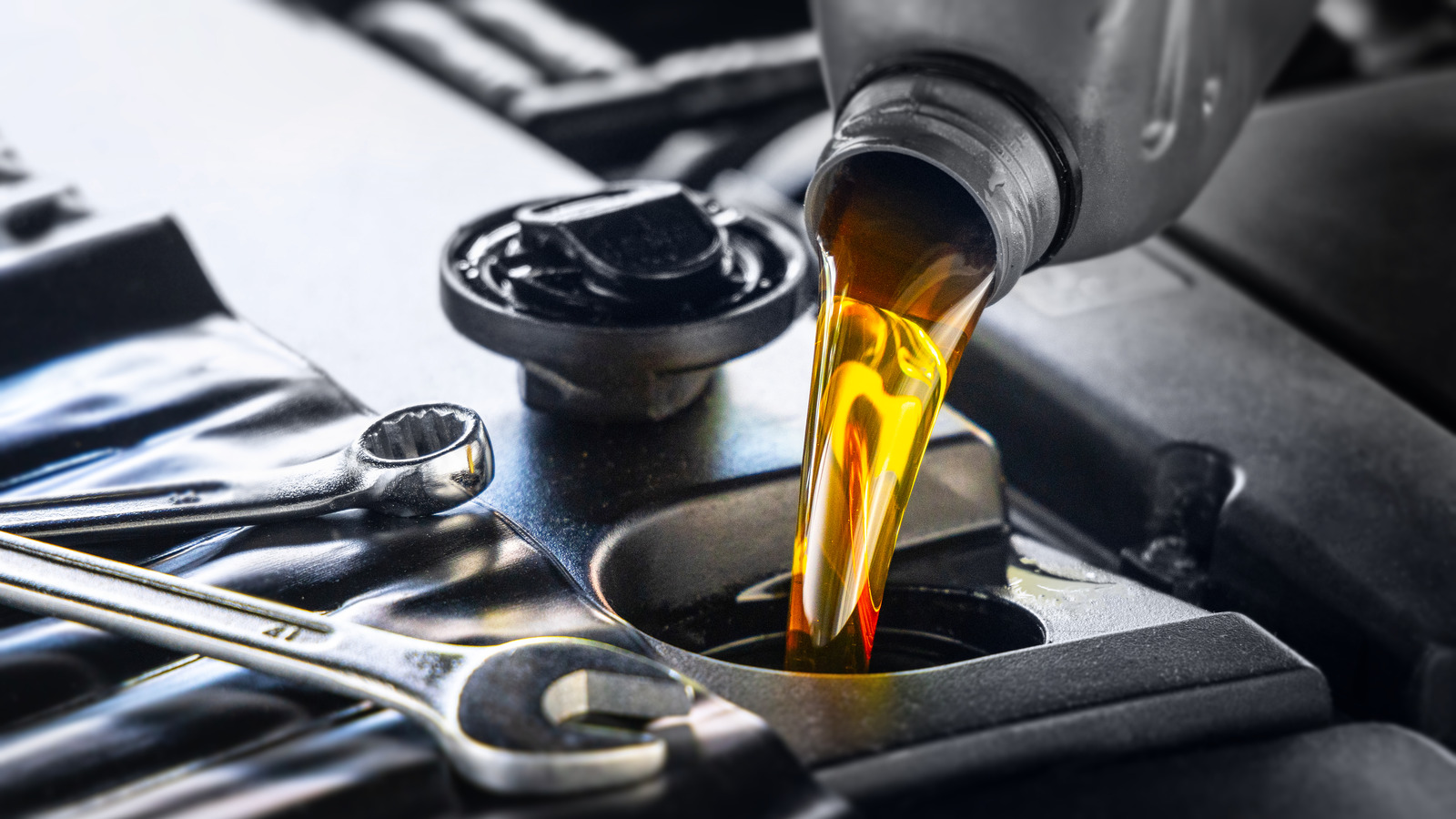
As vehicles age and cross higher mileage milestones, their engines begin to experience more wear and tear. Seals may weaken, oil consumption may increase, and engine components may not perform as efficiently as they once did. Choosing the right engine oil becomes essential to keep high mileage vehicles running smoothly, efficiently, and reliably.
High mileage engine oils are specially designed to protect older engines, reduce oil leaks, improve lubrication, and extend engine life. Using the correct oil can significantly improve performance and prevent costly repairs.
This guide explains the best engine oil types for high mileage vehicles, how they work, what to look for, and tips to maintain older engines effectively.
What Is Considered a High Mileage Vehicle?
A vehicle is generally considered high mileage when it reaches:
- 100,000 km (60,000 miles) and above (in many regions)
- 150,000 km+ for more advanced wear conditions
At this stage, engines often require more protection and care to maintain performance.
Why High Mileage Engines Need Special Oil
As engines age, they develop:
- Worn piston rings
- Slight oil leaks
- Reduced compression
- Increased friction
- Sludge buildup
High mileage oils help by:
- Reducing engine wear
- Conditioning seals
- Preventing leaks
- Improving lubrication
- Cleaning sludge deposits
Best Types of Engine Oil for High Mileage Vehicles
1. High Mileage Synthetic Oil
This is one of the best options for modern older engines.
Benefits:
- Superior engine protection
- Better heat resistance
- Reduced engine deposits
- Longer oil life
Best For:
- Vehicles with 100,000 km+
- Drivers who want long-term engine health
2. High Mileage Synthetic Blend Oil
A mix of synthetic and conventional oil.
Benefits:
- Affordable compared to full synthetic
- Good protection for aging engines
- Balanced performance
Best For:
- Moderate high mileage vehicles
- Budget-conscious drivers
3. Conventional High Mileage Oil
Traditional mineral-based oil with added conditioning agents.
Benefits:
- Cost-effective
- Contains seal conditioners
- Suitable for older engine designs
Best For:
- Older vehicles with simple engines
- Low to moderate driving usage
4. High Viscosity Oil (e.g., 10W-40, 20W-50)
Thicker oil can help reduce leaks and improve sealing in worn engines.
Benefits:
- Better protection in older engines
- Reduces oil burning
- Helps maintain compression
Best For:
- Very high mileage vehicles
- Engines with minor oil consumption issues
Key Features to Look for in High Mileage Oil
Seal Conditioners
Help reduce leaks by rejuvenating rubber seals.
Detergents
Clean sludge and deposits inside the engine.
Anti-Wear Additives
Protect engine components from friction damage.
Thermal Stability
Maintains performance under high engine temperatures.
Recommended Oil Viscosity for High Mileage Cars
| Mileage Level | Recommended Oil Type |
|---|---|
| 100,000–150,000 km | 5W-30 High Mileage Synthetic |
| 150,000–200,000 km | 10W-40 Synthetic Blend |
| 200,000+ km | 15W-40 or 20W-50 (depending on engine condition) |
Always check the manufacturer’s manual before changing viscosity.
Signs You Need High Mileage Oil
- Increased oil consumption
- Visible engine leaks
- Engine noise or knocking
- Reduced fuel efficiency
- Smoke from exhaust
Switching to high mileage oil can help reduce these issues.
How Often Should You Change Oil in High Mileage Cars?
- Every 5,000–8,000 km for conventional oil
- Every 8,000–12,000 km for synthetic oil
Older engines benefit from more frequent oil changes.
Benefits of Using the Right Engine Oil
- Improved engine life
- Better fuel efficiency
- Smoother engine performance
- Reduced maintenance costs
- Lower risk of breakdowns
Proper oil selection is one of the simplest ways to protect an aging engine.
Common Mistakes to Avoid
Using Low-Quality Oil
Cheap oils may lack necessary additives.
Ignoring Oil Change Intervals
Old oil loses its protective properties over time.
Mixing Different Oil Types
This can reduce performance and stability.
Using Incorrect Viscosity
Too thin or too thick oil can harm engine efficiency.
Engine Maintenance and Overall Vehicle Care
Engine oil is just one part of maintaining a high mileage vehicle. Regular servicing helps ensure long-term reliability. Many drivers also explore topics like Common Car Problems and How to Fix Them at Home to better understand how simple maintenance steps can prevent major engine issues.
Tips to Extend Engine Life in High Mileage Vehicles
Warm Up the Engine Properly
Avoid hard acceleration when the engine is cold.
Check Oil Levels Regularly
Prevent low oil conditions that damage the engine.
Use Quality Fuel
Helps reduce engine deposits and improves combustion.
Maintain Cooling System
Prevents overheating in older engines.
Final Thoughts
Choosing the best engine oil types for high mileage vehicles is essential for maintaining performance, reducing wear, and extending engine life. High mileage synthetic oils, blends, and higher viscosity oils all offer unique benefits depending on your vehicle’s condition and usage.
By selecting the right oil and maintaining regular service intervals, you can keep your older vehicle running smoothly for many more years while avoiding costly repairs.
FAQs
What is the best oil for high mileage cars?
High mileage synthetic oil is generally the best option for most modern older vehicles.
Is thicker oil better for high mileage engines?
In some cases, yes. Thicker oil can help reduce leaks and improve sealing in worn engines.
When should I switch to high mileage oil?
Usually after 100,000 km or when signs of engine wear appear.
Can high mileage oil stop engine leaks?
It can reduce minor leaks by conditioning seals, but not fix major damage.
How often should I change oil in old cars?
Every 5,000–10,000 km depending on oil type and driving conditions.
Is synthetic oil safe for old engines?
Yes, synthetic high mileage oil is often recommended for better protection.
What happens if I use the wrong engine oil?
It can lead to reduced performance, increased wear, and potential engine damage over time.