
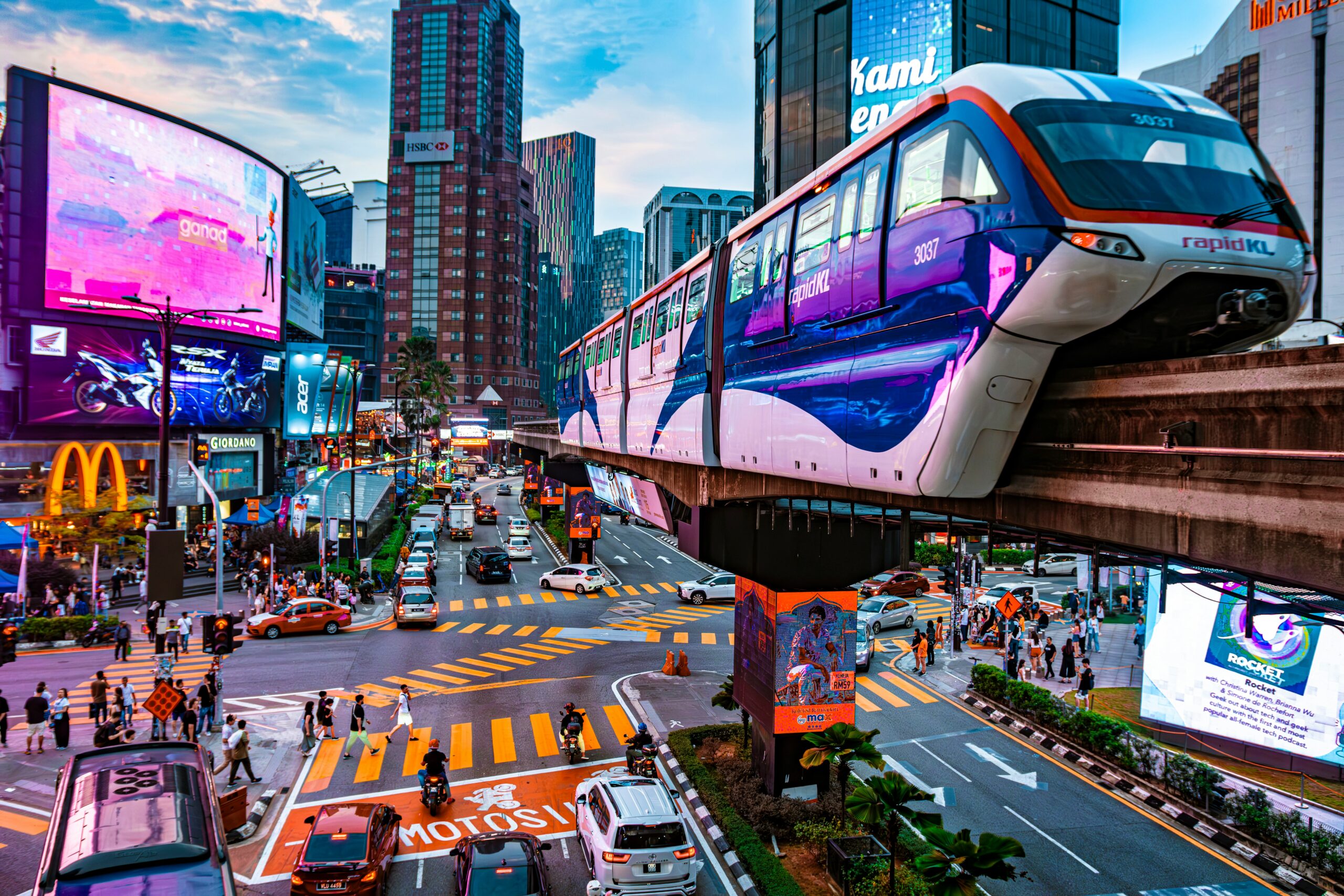
“A smart city is a city where humans, trees, birds and other animals can grow with all their glories, imperfections, freedom and creativity.” – Amit Ray – The Big City
Modern cities should be designed to feel effortless. The definition that Amit Ray gives of a smart city implies an important element: Organization. Neither humans, trees, birds, or other animals can grow freely in a city where functions are disorganized.
There are crucial functions to fulfill to meet the dream of a smart city. But the most important one is cleanliness. Indeed, every day, cities need to manage the movement of materials, services, and resources at a large scale. The true scale of these operations is reflected in waste. The world generates more than 2.6 billion tons of municipal waste annually, and this figure is expected to rise by nearly 50% by 2050.
A significant portion of that waste is still not properly collected or processed. In other words, the infrastructure that supports the modern and smart city is under increasing strain. As cities grow and expectations shift, the role of sustainability in the modern city is becoming non-negotiable.
The Invisible Waste Challenges in the City
What happens to what you throw away? That action triggers a chain of events involving collection, transportation, sorting, and processing. Each step depends on coordination between municipalities, private contractors, and specialized facilities.
Entire networks of trucks, workers, transfer stations, and recycling systems operate continuously to keep cities functioning.
However, urban infrastructure is facing pressures it wasn’t originally designed to handle. Populations are increasing, and they bring more consumption patterns and, inevitably, more complex waste management.
On top of that, cities face high sustainability expectations. In fact, governments are introducing strict regulations. Businesses are the first under pressure to meet environmental goals, but there’s no denying that individuals feel it too. Ultimately, sustainability needs to be a common effort. Suddenly, what used to be a standard operation of city life, waste management, gains a strategic priority.
Finally, costs are climbing everywhere. Fuel, labor, compliance, and processing expenses are increasing, which adds further strain on the waste management system.
The Problem with Fragmentation
One of the biggest obstacles that urban infrastructure is facing at the moment is fragmentation. What does this mean?
In many cities, waste management is the responsibility of multiple providers, each operating within their specific regions or service areas. At a small scale, this is a smart model, but it isn’t efficient anymore when operations grow.
The challenge particularly affects businesses with multiple locations. They waste a lot of time and effort trying to manage different vendors, contracts, and service standards across their multiple regions. Besides, with limited visibility, it becomes practically impossible to ensure compliance and performance.
While manual coordination may be a one-off answer, it isn’t feasible at a large scale. Without centralized systems, there are high risks of communication gaps causing high costs, missed deadlines and collections, and further inefficiencies. Fragmentation may cause only small issues, but they can add up quickly and create substantial operational challenges.
We Need Smarter Systems
There’s an obvious need for infrastructure systems to evolve. That is where digital transformation is playing a key role in introducing new levels of visibility and control. This enables platforms to appear and replace manual processes. As a result, operations can be tracked for service delivery, performance, etc.
Ultimately, the introduction of smarter infrastructure systems is not a novelty in the world of operations management, as it’s already been seen in logistics, finance, and supply chains. The move from fragmented systems to integrated and data-driven models has already been happening in other sectors. It’s now time for waste management and urban infrastructure to join the movement.
This is designed to develop paths for proactive management solutions.
The Rise of Networked Infrastructure
As systems are becoming more complex, the importance of connectivity continues to grow. Ultimately, isolated providers are no longer enough to meet the demands of modern cities. Instead, cities need to focus on networked ecosystems that are able to bring together multiple stakeholders under a unified framework.
This is where platforms like the CurbWaste industry network are helping reshape the landscape. They connect haulers, recyclers, and service providers within one single ecosystem, which ensures the creation of a more coordinated and transparent infrastructure management approach.
What does it mean for businesses with multiple locations? They can easily gain greater visibility across locations, which translates into consistent service delivery and performance. Additionally, this also allows them to scale operations without adding unnecessary complexity.
What are the benefits for service providers? Service providers are in a better position to find opportunities for collaboration and efficiency, which not only amplifies the value of their services but also their market reach.
Why Does This Matter for Smart Cities?
A smart city needs communities and businesses. So, it needs infrastructure systems that can provide the operational efficiency needed to enable them to grow in all their glories. Cleaner and more reliable waste management contributes directly to public health and environmental outcomes. Suddenly, the trees, birds, and other animals growing alongside people in the vision of Amit Ray become part of a possible future.
For businesses, the benefits are significant too. Great visibility and control mean better cost management and improved compliance.
But communities are the ones that stand to benefit the more, When the infrastructure works effectively, which enhances the quality of life and growth envisaged by Ray. There is no denying that efficient waste infrastructure creates more resilient urban environments.
Looking ahead, it’s clear that the evolution of urban infrastructure is only beginning. The next phase will likely bring deeper integration across systems, ensuring we can connect waste management with energy, transportation, and data networks. The smart city of the future will require a high level of coordination to operate more efficiently and benefit all those who live in it.
Advanced technologies such as automation and predictive analytics can also help transform waste management for the better. In the long term, if we want to reduce waste in cities, we need to do more than ask residents and businesses to throw away less. We need to create systems that not only analyze patterns and forecast demand, but that can also eliminate waste risks.