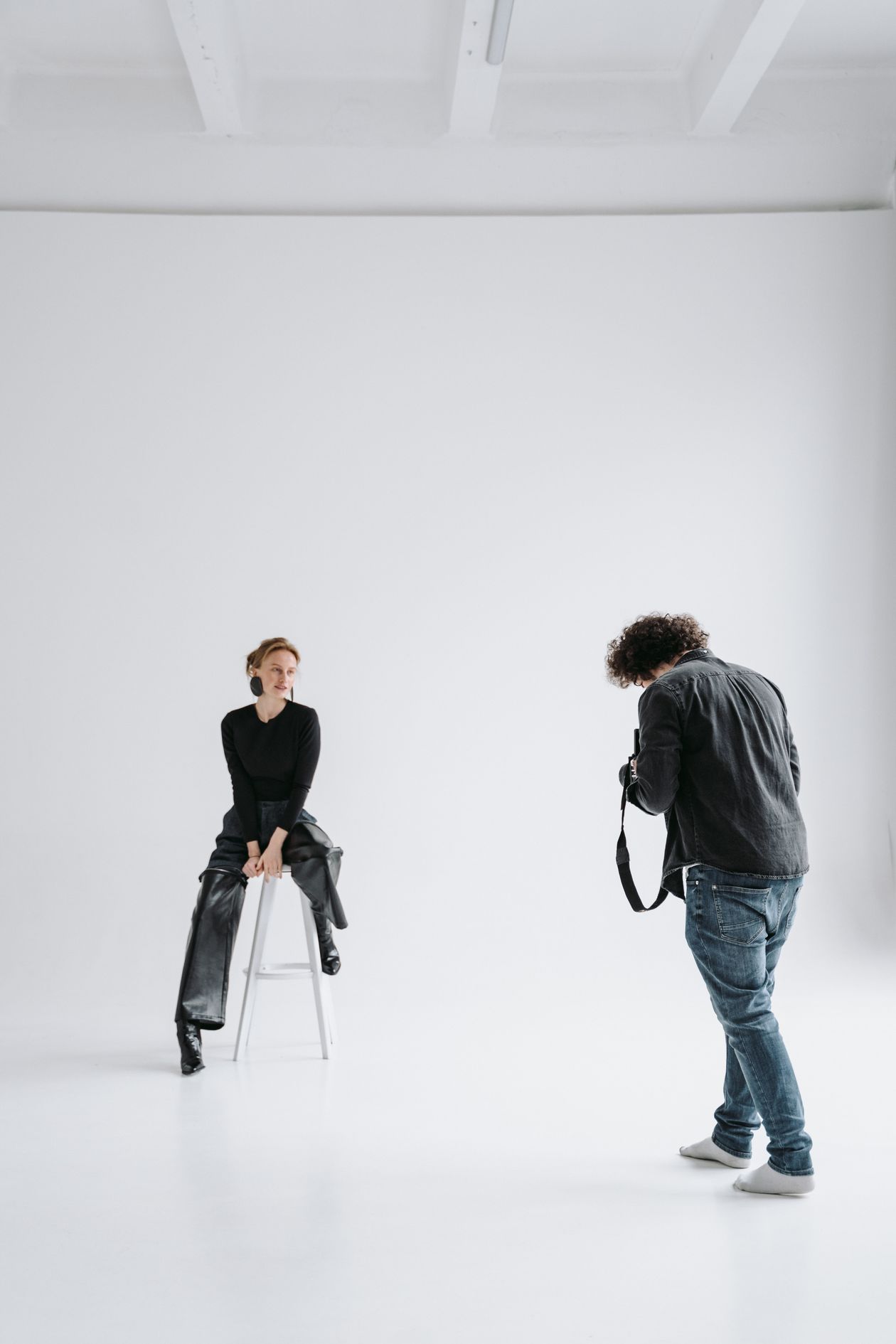
Nobody who has never been on a fashion shoot understands what one actually is. The finished image is six people standing very still in a beautiful room. The reality is forty people moving very fast in a room that is either freezing or a sauna, somebody’s steamer just died, and the dress that looked perfect on the hanger is doing something the designer never intended.
I have spent 27 years shooting fashion in Los Angeles. Magazine editorials, campaigns, lookbooks, the whole machinery. The glamour you see in the final frame is real, but it is the smallest part of the day. Everything else is logistics, stamina, and people.
The shoot is a small city
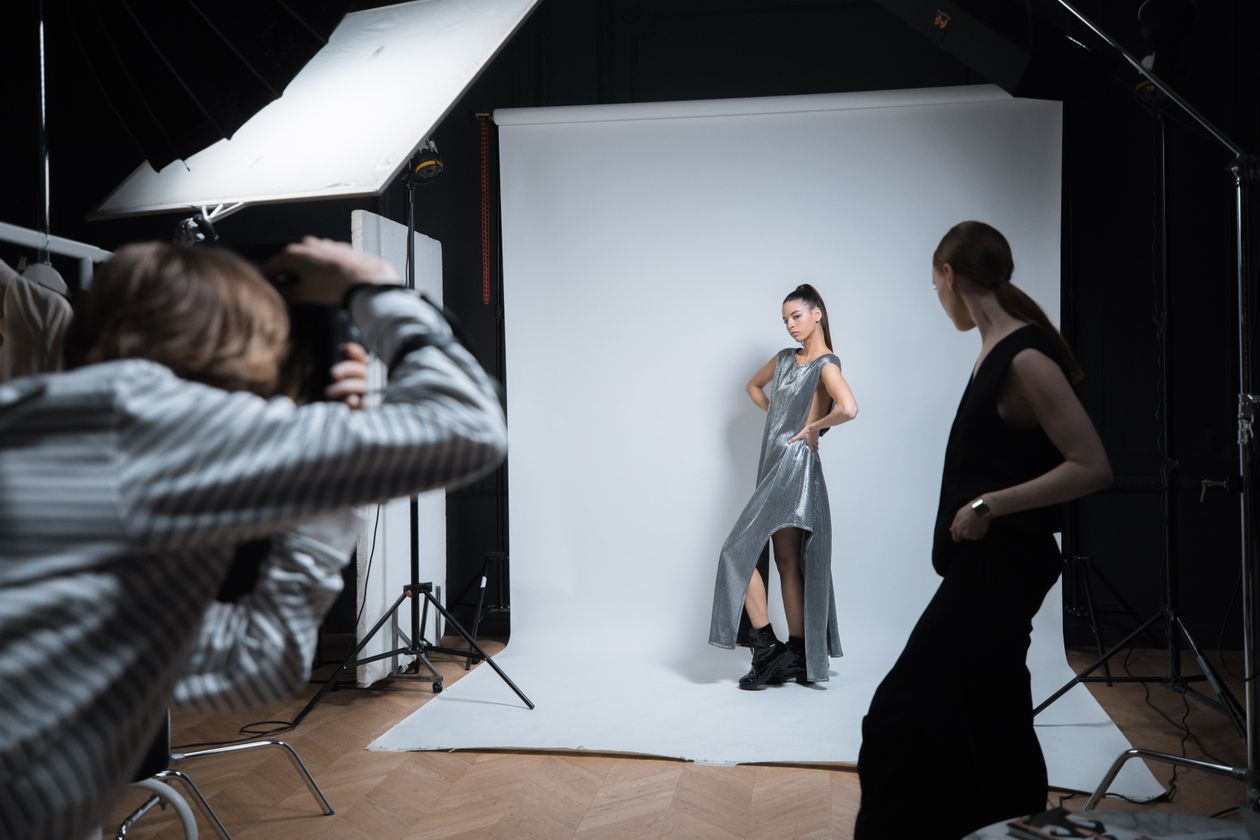
Walk onto a real fashion production and the first surprise is the headcount. The photographer is the name on the door, but a campaign day in LA runs like a small city with its own government. There is the model or models, the stylist who has been pulling clothes for two weeks, the hair and makeup team, the assistants who carry everything, the digital tech parked at a monitor calling out focus, the producer keeping the day on rails, and the client watching every frame wondering if the money is showing up on screen yet.
Every one of those people is doing a job the camera will never show you. The stylist who tapes a shoe to a foot at 6 a.m. because the sample size is wrong. The assistant who has rebuilt the same lighting setup four times because the art director changed the concept at lunch. I have shot celebrities in Los Angeles for 27 years, and the fashion set runs on the same fuel: a group of specialists who all agree, for one day, that this one image matters more than their sleep.
Glamour has a call time
Here is what the audience never sees. Fashion shoots start before the sun. The model’s call time is 5:30 a.m. for hair and makeup, because the first look has to be camera-ready by nine. The crew call is earlier. Somebody is in the studio at dawn hanging a seamless backdrop that will be wrinkled by ten and replaced by noon.
The model everyone will call “effortless” in the comments has been holding a pose in heels on a concrete floor for six hours, changing looks in a pop-up tent, eating lunch standing up because the schedule does not have a sitting-down version. Effortless is the most expensive effect in the industry, and it is manufactured by exhausted people who are very good at their jobs.
This is the part I love. Not the suffering, the craft. Watching a great stylist solve a fit problem with pins and tape in ninety seconds. Watching a hair artist rebuild a look between setups without the model ever leaving the mark. The finished photograph is the receipt. The shoot is the purchase.
LA makes its own fashion rules
New York has the institutions. Paris has the history. Los Angeles has the light, the locations, and a particular kind of chaos that keeps working. I once staged a two-runway fashion show in a parking lot, Zoolander-style, no permit, 600 people, E! and Access Hollywood covering it. That is not how fashion is supposed to work, and in Los Angeles it worked.
The LA fashion economy runs on independents: designers working out of downtown lofts, sustainable labels rebuilding the industry piece by piece, brands that shoot a lookbook on Tuesday and drop it on Friday. The shoots are leaner than the New York machine, which means every person on set matters more. There is no slack to hide in. When the crew is eight people instead of forty, the photographer is also the producer, the problem-solver, and occasionally the person holding the reflector.
That scrappiness is why so much interesting fashion imagery comes out of this city. Constraint is a creative director.
The model is an athlete, the photographer is a conductor
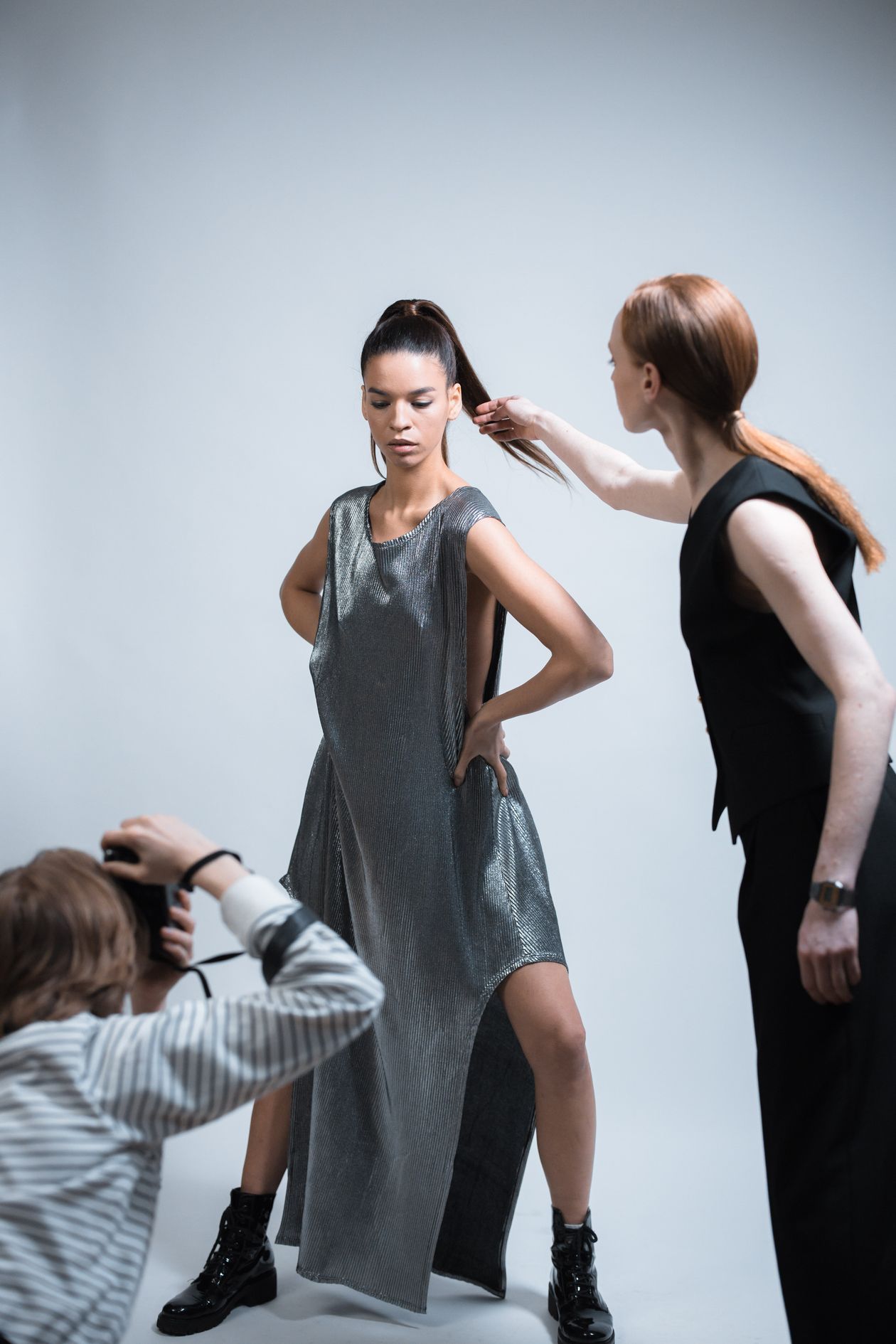
People think the photographer is the star of the set. On a good day, the photographer is the least visible person there. My job, after 27 years, is mostly conducting: keeping the energy in the room pointed at the lens, giving the model something real to react to, making forty decisions an hour so nobody else has to slow down.
And the model? A fashion model holding a difficult pose for the tenth take is doing athletic work in couture. I shot Lady Gaga back in 2007 at Area Nightclub, long before the fame fully landed, black Stella McCartney dress, pink vintage Chanel scarf, and what I remember is not the outfit. It is the focus. The great ones bring a concentration that does not break for twelve hours. Emily Ratajkowski was sixteen when I shot her for a Key Closet campaign at a downtown penthouse, and she already had it: the ability to be completely present for the camera while everything around her was moving.
That is the part of fashion nobody can teach. You can teach lighting. You can teach retouching. You cannot teach a person to hold a room.
The afterparty version vs. the real version
Every fashion shoot has two versions: the one that happened, and the one that gets posted. The posted version is the rack of beautiful clothes, the champagne someone brought, the golden-hour frame. The real version includes the parking ticket, the model who got stuck in traffic on the 101, the backdrop that fell over twice, and the moment at 4 p.m. when everyone silently agreed to stop checking the clock.
I have run a pop-up portrait studio at luxury events like Debbie Durkin’s ECOLUXE pre-Oscars lounge, and the dynamic is the same everywhere: the image is the tip, the work is the iceberg. Guests see the glamour. I see the extension cords.
Why I still love the chaos
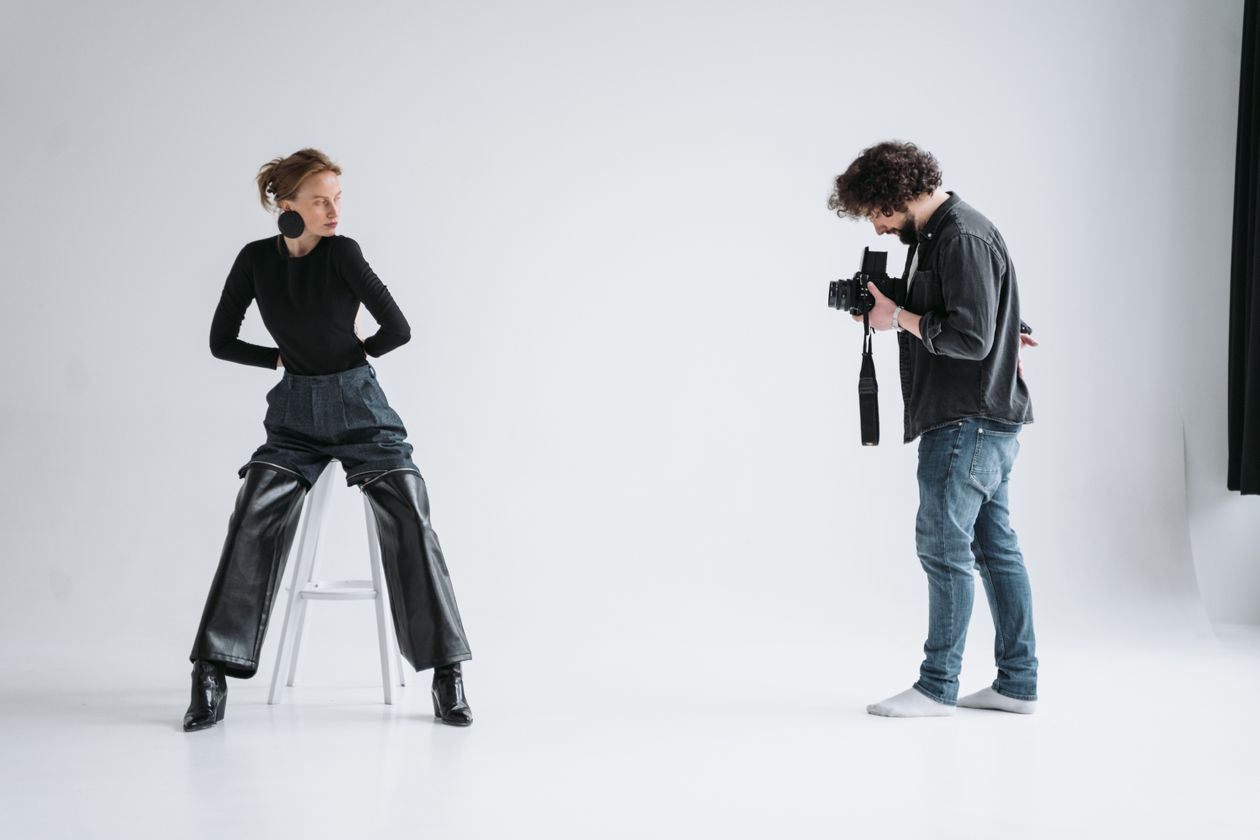
After 27 years, people ask why I still do this. The honest answer is the hour before the first frame. The studio is quiet, the clothes are steamed, the coffee is terrible, and the whole day is still theoretical. Anything could happen. Then the model steps onto the mark, the lights come up, and forty people’s preparation collapses into a single fraction of a second where everything lines up.
That fraction of a second is the entire industry. Designers, stylists, models, photographers, all of us chasing the same impossible thing: a still image that feels alive. The glamour is the smallest part of the day. It is also the part that lasts.
If you are on the business side of all this and want the practical half of the story, what fashion photography actually costs, how the quotes break down, and where the money goes, I wrote the full guide on my photography site: How Much Does a Fashion Photographer in Los Angeles Cost? This is the other half. The part the invoice does not show.