
By Paulina Phan, Senior Editorial Contributor | October 5, 2026
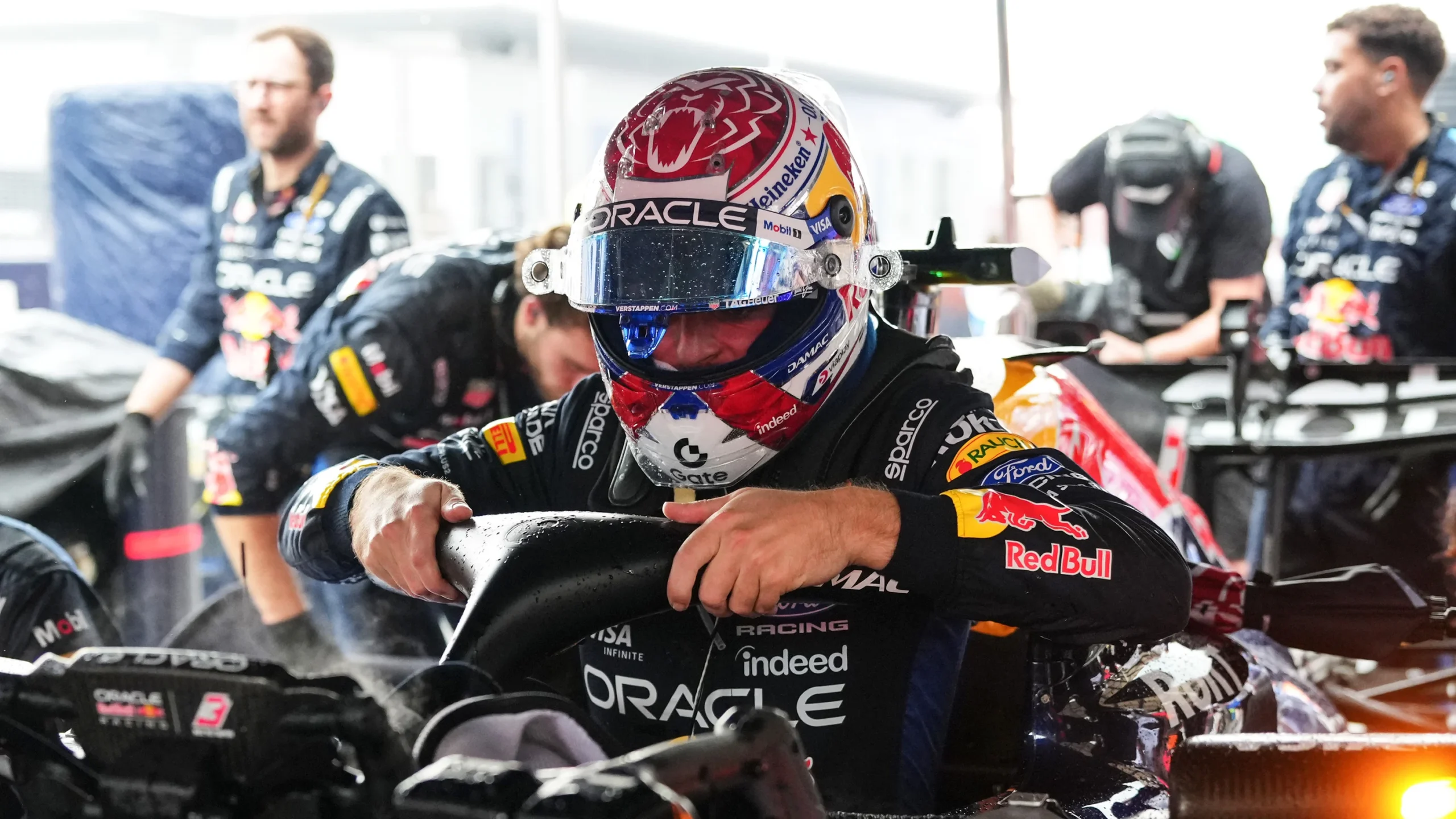
Formula 1 waited nine years to come back to Sepang, and the rain made it wait a little longer. When the Bahrain Grand Prix finally ran at the Sepang International Circuit on Sunday, October 4, it delivered the kind of day this sport exists for: a soaked track, a broken start procedure, a software bug that stopped the pole sitter on the formation lap, and then the sweetest possible ending. Max Verstappen won, his first victory of 2026 after fifteen rounds of trying. The Dutch flags in the grandstands had waited all season for this, and when the familiar chant rolled across the circuit, du du du du Max Verstappen, it felt less like a celebration and more like a homecoming.
Welcome Back, Sepang
Nine years is a long time in Formula 1. Cars change, regulations change, champions come and go, but some circuits live in the memory of everyone who ever watched a race there. Sepang is one of those places, and its first Grand Prix since 2017 was worth every year of the wait.
This was, of course, never supposed to be a Malaysian race at all. It was the Bahrain Grand Prix, relocated to Sepang after the Bahrain round was cancelled due to the Middle East conflict. The name on the trophy said Bahrain; the grandstands, the palm trees, and the tropical downpour said Malaysia. There is something quietly lovely about that, a race finding an unexpected home in front of fans who had waited nearly a decade. And what a homecoming it turned out to be. Some weekends feel scripted. This one felt earned.
The Short Version
You are busy, so here is everything that mattered, fast.
The podium
Max Verstappen won the Bahrain Grand Prix in Malaysia, his first victory of the 2026 season, driving for Red Bull with Ford power. It was the breakthrough the entire paddock had been waiting for, the moment the season's longest storyline finally resolved. Kimi Antonelli finished second for Mercedes, collecting 18 points that stretched his championship lead. Lewis Hamilton finished third for Ferrari, a reward for one of the grittiest drives of his season. Charles Leclerc crossed the line fourth in the other Ferrari, meaning both scarlet cars recovered brilliantly from a day that started so badly for them.
How the grid looked
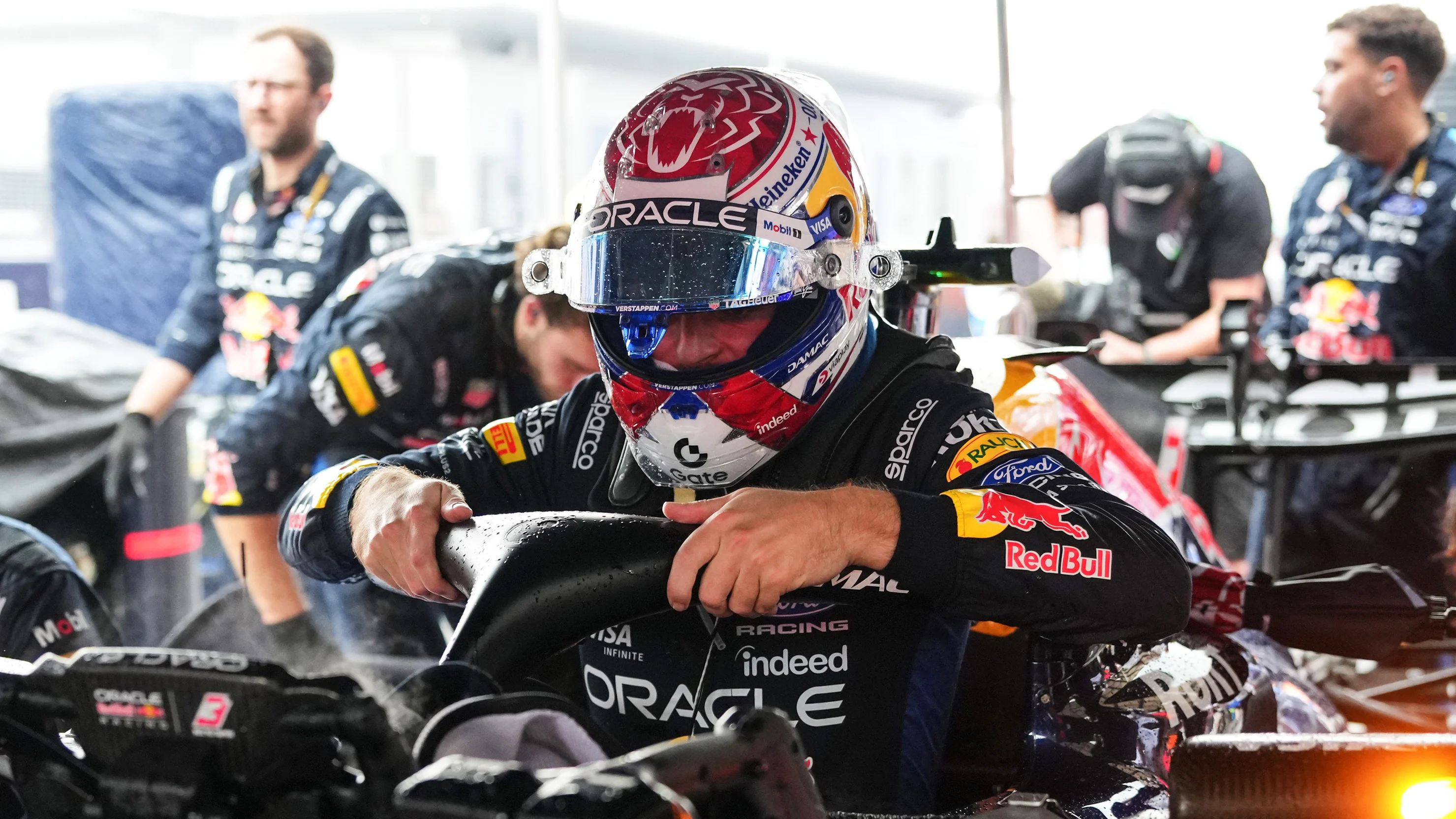
Saturday belonged to the Dutchman too. Verstappen took pole position with a 1:35.130, his first pole of 2026 and, notably, the first pole of the season for a non-Mercedes-powered car. Lewis Hamilton qualified second, just 0.298 seconds behind, for his first front-row start with Ferrari, and you could hear the joy in his voice on the team radio: "Let's go guys, let's go. Finally." Isack Hadjar qualified third in the sister Red Bull but carried a five-place grid penalty for taking a seventh internal combustion engine over his allocation, so he dropped to eighth. That promoted Kimi Antonelli, who qualified fourth, to third on the grid. Charles Leclerc started fourth, the McLarens of Lando Norris and Oscar Piastri lined up fifth and sixth, and George Russell started seventh, a full 0.741 seconds off pole, just one week after his Grand Slam victory in Baku.
Saturday Was Max's Day
The tone for the weekend was set long before the lights were supposed to go out. Qualifying at Sepang was the Max Verstappen show, the kind of session that reminds everyone what the four-time champion looks like when the car finally gives him something to work with.
Consider the context. This is Red Bull's first season with its own power unit project, the Ford partnership, and all year the story has been about Mercedes power setting the standard. For Verstappen to take the first non-Mercedes-powered pole of the season here, at a circuit that punishes weakness, was a statement. It said the project is working. It said the gap is closing. And it said that on any given Saturday, the four-time champion can still produce a lap that nobody else can touch.
A 1:35.130 worth the wait
Verstappen's final lap of 1:35.130 was untouchable. It was his first pole of the season, and the first of the year for a car not powered by Mercedes, a fact that is hard to overstate. All season long, the Mercedes power unit has been the benchmark, and here was Red Bull, in the first year of its own Ford partnership, beating everyone on pure one-lap pace at one of the most demanding circuits on the calendar. Verstappen said it plainly afterward, in remarks reported by Formula1.com: "incredible result for us looking at the season… I felt good, felt confident." He looked like a driver who had been waiting months to say that.
Lewis finds the front row
For Lewis Hamilton, Saturday was a small personal milestone wrapped inside a fast lap. His second place, 0.298 seconds off pole, was his first front-row start with Ferrari, and his radio message told the whole story. "Let's go guys, let's go. Finally." That "finally" carried the weight of a season spent learning a new team, a new car, and a new way of working. Joining Ferrari was always going to be a project, not a plug-and-play move, and Saturdays like this one are the proof that the project is working. There is something deeply satisfying about watching a seven-time champion still get that excited about a front-row start. The hunger does not fade. It just finds new things to be hungry for.
The Mercedes subplot
While the headlines belonged to Verstappen and Hamilton, the Mercedes story was quietly fascinating. Kimi Antonelli had topped final practice in the heavily upgraded Mercedes W17, looking every bit the championship leader, but his qualifying unravelled slightly when a track-limits infringement cost him a lap. His 1:35.631 left him fourth, 0.501 off pole, though Hadjar's penalty moved him up to third on the grid. George Russell, meanwhile, had a Saturday to forget. He qualified eighth, 0.741 seconds behind Verstappen, undone by tire troubles just one week after his victory in Baku. The contrast between the two Mercedes drivers could not have been sharper, and it would only grow on Sunday.
The Formation Lap That Broke the Race
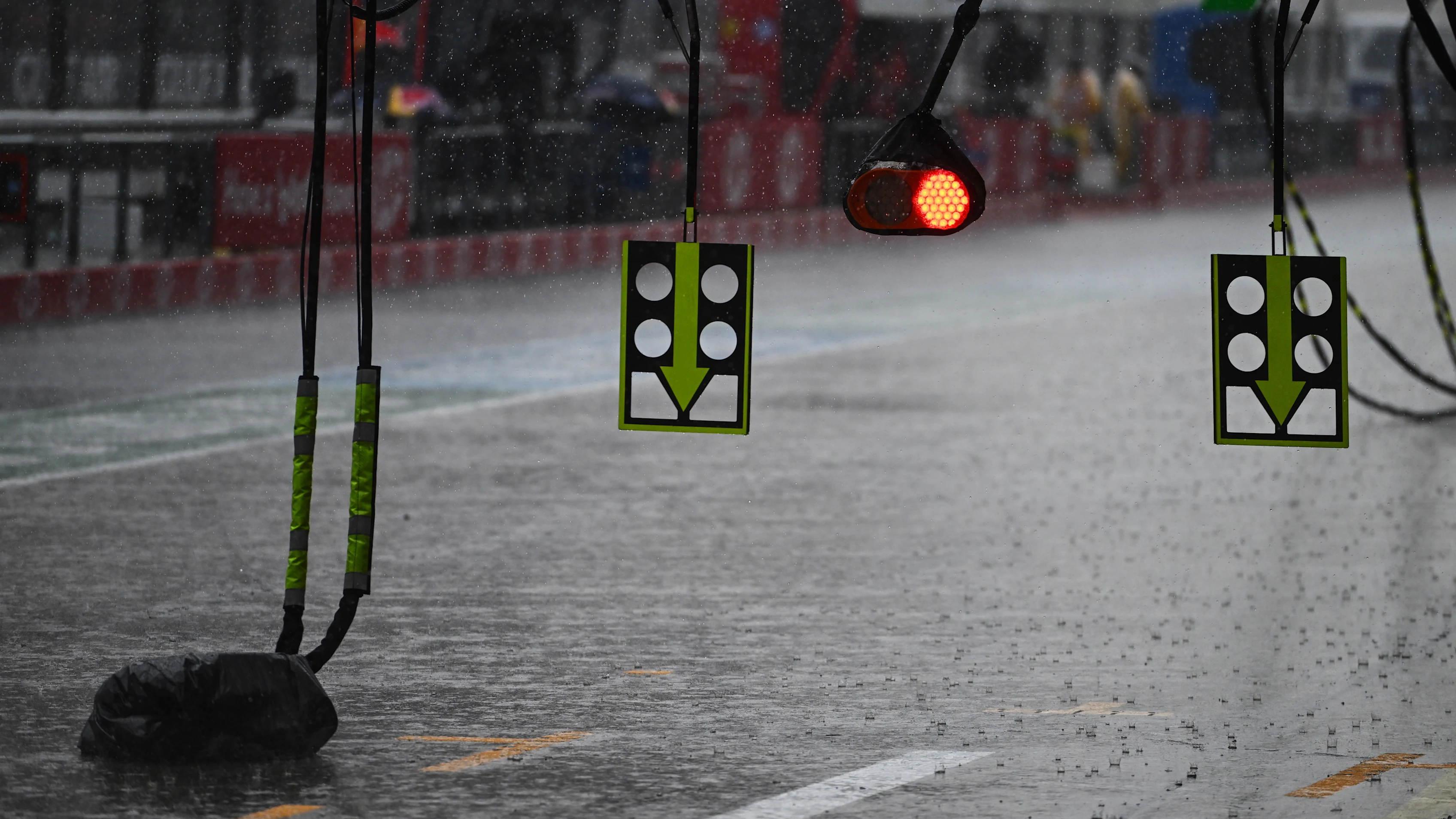
If Saturday was about speed, Sunday morning was about survival. The rain arrived as everyone at Sepang knew it could, heavy tropical rain that turned the circuit into a mirror and delayed everything. But the weather was only the first problem.
350 to 250
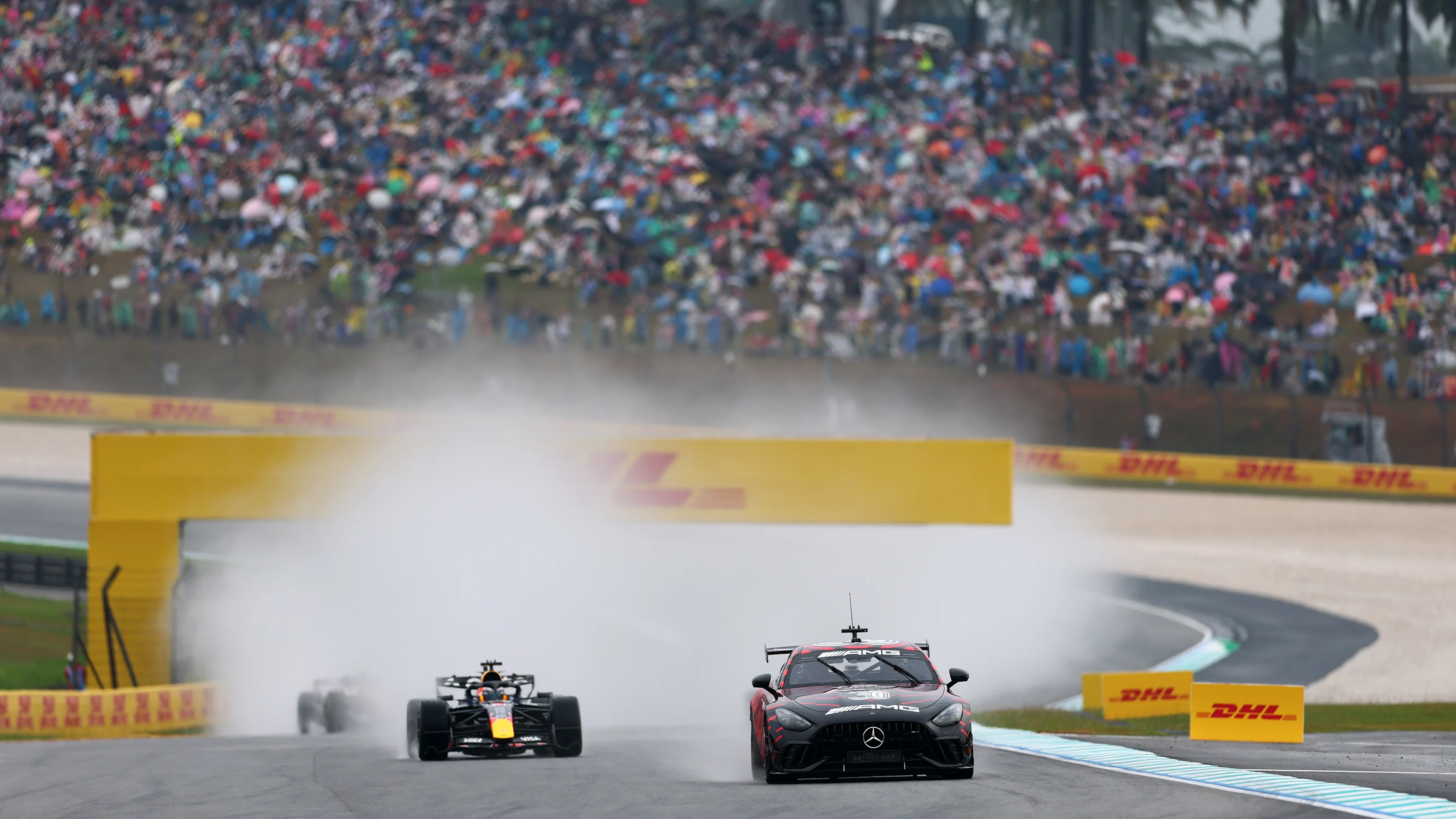
When the field finally headed out for the formation lap on a wet track, something genuinely strange happened. The 2026 regulations cut electrical output from 350kW to 250kW in wet conditions, and this was the first sustained wet running of the entire season. Nobody knew what would happen. What happened was that several cars simply lost power and effectively switched off, including the cars of pole sitter Verstappen and front-row starter Hamilton. Imagine it: the two fastest drivers of the weekend, crawling, confused, on a formation lap. Verstappen, laughing in disbelief on the radio, described the scene as broadcasters reported it: "I triggered it first, then I look in my mirror, and I just see everyone… I was like, 'Wait, are they waiting for me?'" There he was, the pole sitter, shaking his head and laughing in the cockpit while the field crawled behind him. Only in Formula 1 could the most advanced racing cars on earth be defeated by a software setting nobody had tested in the rain.
The longest wait in the sport
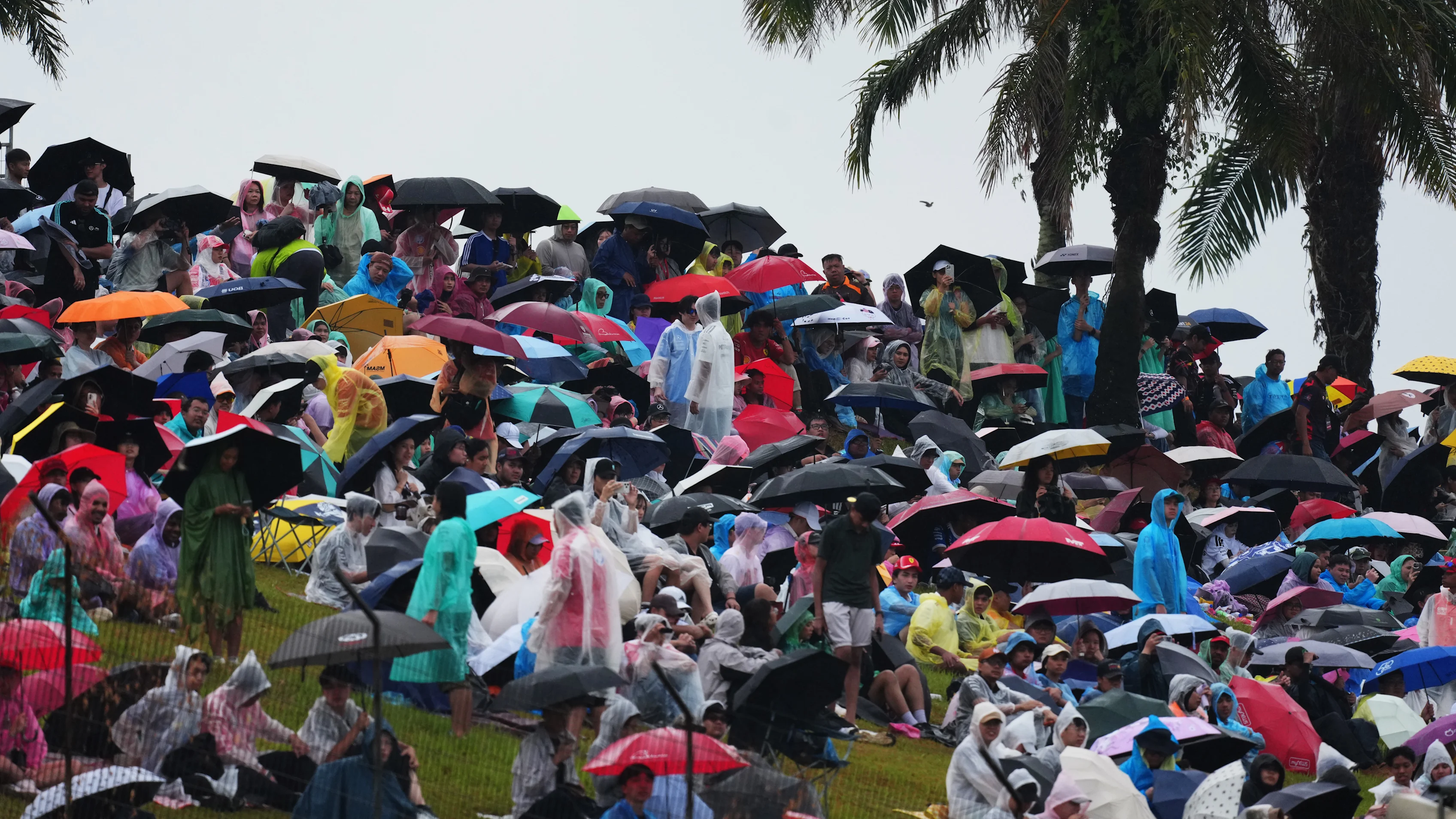
What followed was one of the longest delays in recent memory. With cars effectively unable to run, the FIA had no choice but to suspend the start procedure and send everyone back. Engineers scrambled, and the governing body eventually changed the energy limits through a software update pushed to the cars, a fix that took an extended delay to implement and verify. The grandstands, full of fans who had waited nine years for Formula 1 to return to Sepang, waited some more, huddled under umbrellas and ponchos, watching the rain and checking their phones. The fans at Sepang were not going anywhere. When the cars finally rolled, the cheer that went up was part relief, part defiance. The race was on, hours late, in slippery mixed conditions, with nothing about the afternoon feeling predictable anymore.
Sunday, Eventually: The Win
When the racing finally started, it was worth the wait. What unfolded was a proper Grand Prix, full of overtakes, strategy gambles, and late drama, and it ended the way Saturday had suggested it might.
Fifteen rounds, one win
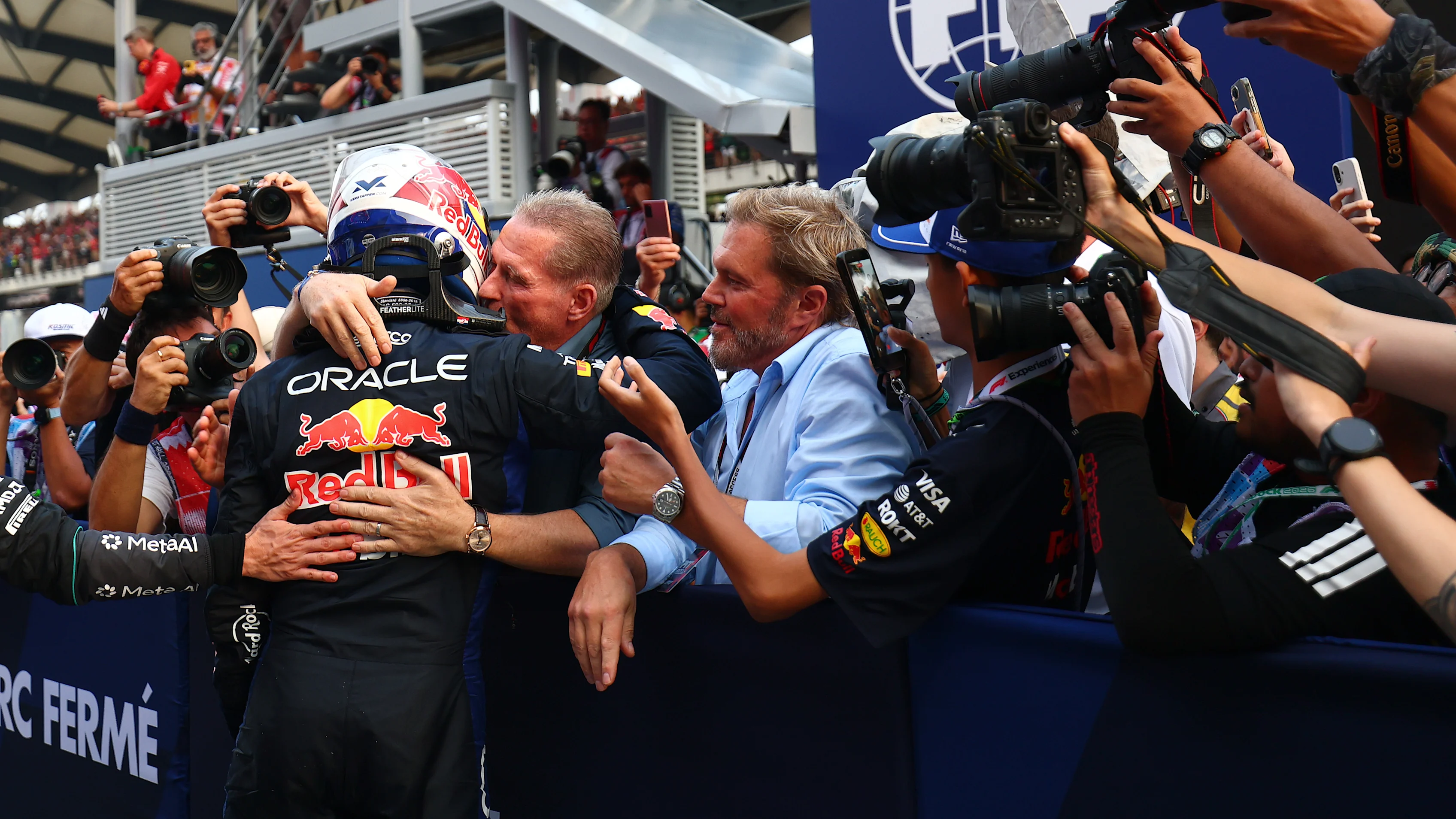
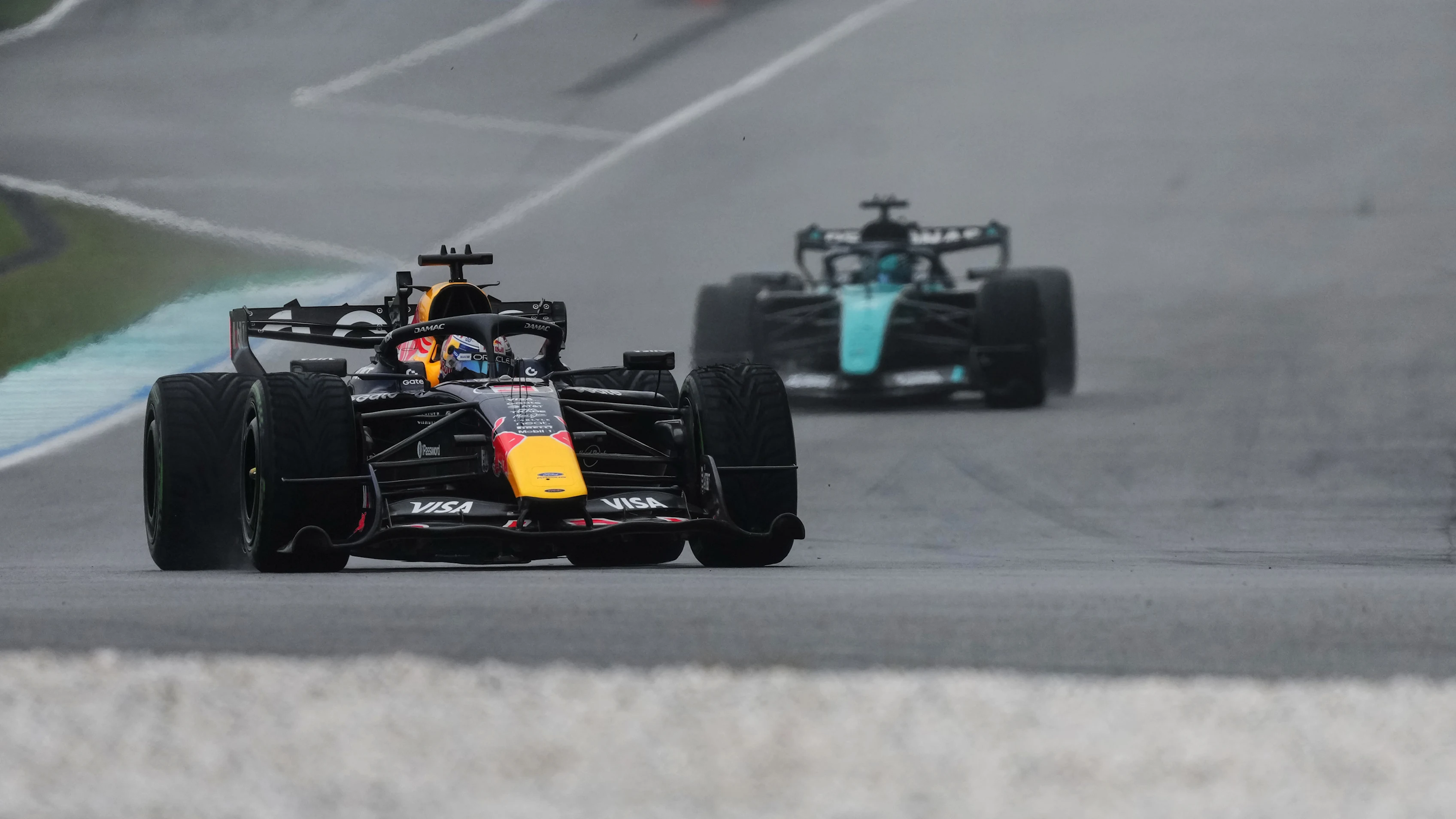
Max Verstappen won. Let that land for a moment. A four-time world champion, one of the most dominant drivers the sport has ever seen, had gone fifteen rounds without a victory, and there was a real possibility that 2026 would become his first winless season since his rookie year in 2015. Instead, on a chaotic afternoon at Sepang, he reminded everyone exactly who he is. The win was his first of the season for both himself and Red Bull, and it came the hard way, through rain, delays, a software bug, and a field full of rivals who smelled blood.
Think about what fifteen winless rounds mean for a driver like Verstappen. This is someone who has known nothing but winning for years, who measures seasons in championships rather than podiums. The alternative was unthinkable: a first winless season since his rookie year, a footnote nobody wanted to write. Sepang made sure that footnote never happened, and the way the Dutch fans sang his name afterward suggested they had been carrying that worry right along with him. This was not just another win. This was relief, vindication, and joy all at once.
FAQ
Why was the Bahrain Grand Prix held at Sepang in Malaysia?
The Bahrain round was cancelled due to the Middle East conflict, and the race was relocated to the Sepang International Circuit in Malaysia. It was Formula 1's first race at Sepang since 2017.
What happened with the software bug on the formation lap?
The 2026 regulations cut cars' electrical output from 350kW to 250kW in wet conditions. Since Sepang brought the season's first sustained wet running, several cars, including those of Max Verstappen and Lewis Hamilton, lost power and effectively switched off on the formation lap, as reported by Formula1.com and broadcast coverage. The FIA resolved it with a software update changing the energy limits, after an extended delay.
Can Kimi Antonelli clinch the championship at the Singapore Grand Prix?
No. Antonelli leads George Russell by 84 points with seven rounds remaining (seven Grands Prix plus one sprint), and the earliest he can mathematically clinch the title is the United States Grand Prix in Austin on October 25.
When and where is the next race?
The Singapore Grand Prix takes place at the Marina Bay Street Circuit on October 11, 2026, and it is a sprint weekend.
A Note on Sources
Race results, qualifying times, grid penalties, and championship standings in this recap were cross-checked against the season's verified race calendar, compiled from Formula1.com race and qualifying reports, Reuters, AP, BBC Sport, Sky Sports, Crash.net, PlanetF1, and The Race. Calendar details (the Bahrain round's relocation to Sepang, the Singapore and Austin dates) were confirmed against the published 2026 Formula 1 calendar. Driver quotes are team-radio and parc ferme remarks as reported by Formula1.com and broadcast coverage.