
By Paulina Phan, Senior Editorial Contributor
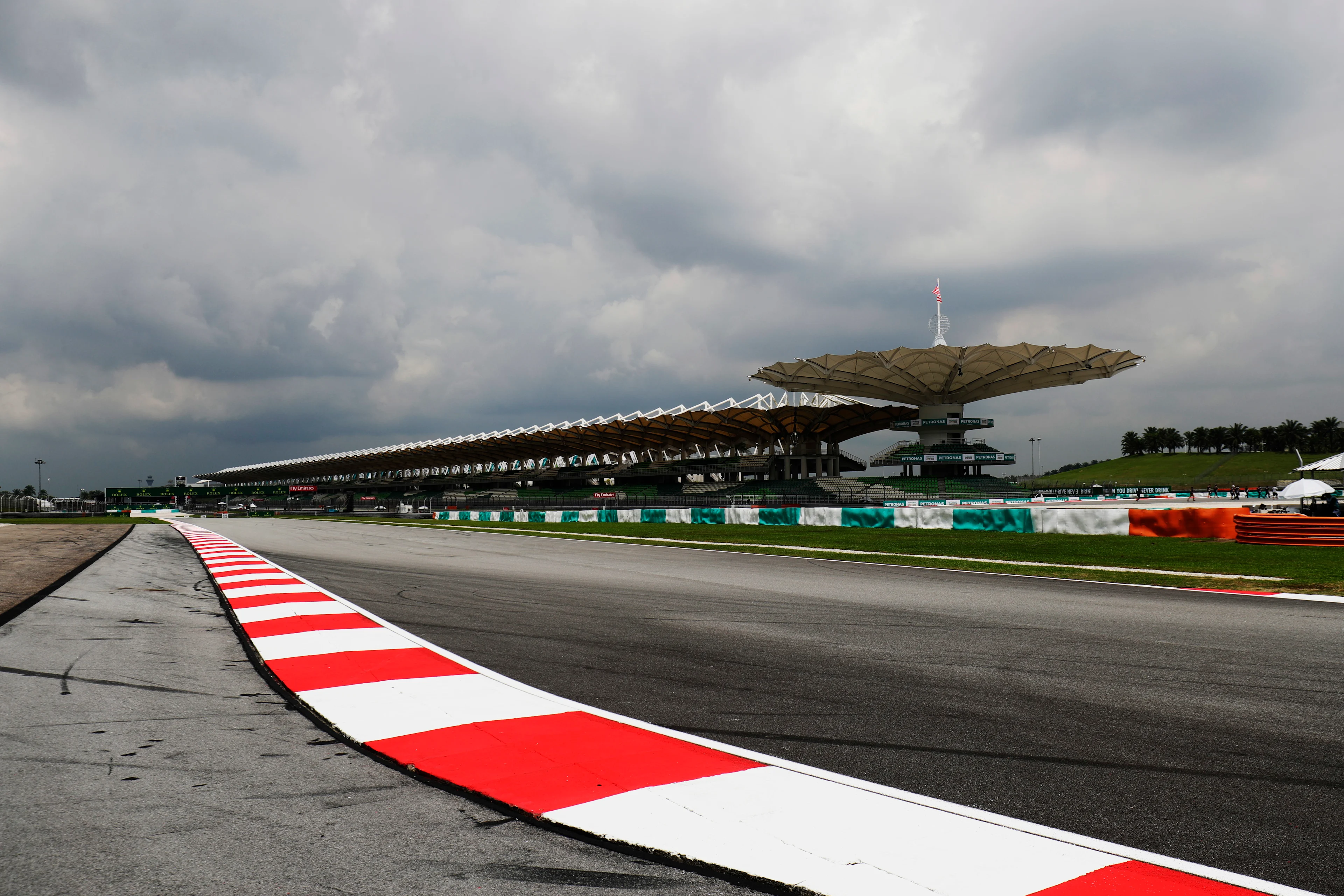
Imagine the most glamorous show in sports, the champagne, the yachts, the grid kids, the whole Monte Carlo fantasy, and then the cars stall like golf carts on a damp formation lap. That is more or less what happened at Sepang on October 4, 2026, and it was only the most visible symptom of a season in which Formula 1's brand new engines have been accused of cheating, favoritism, and incompetence, and have triggered a formal driver revolt.
The 50/50 Split: What Actually Changed
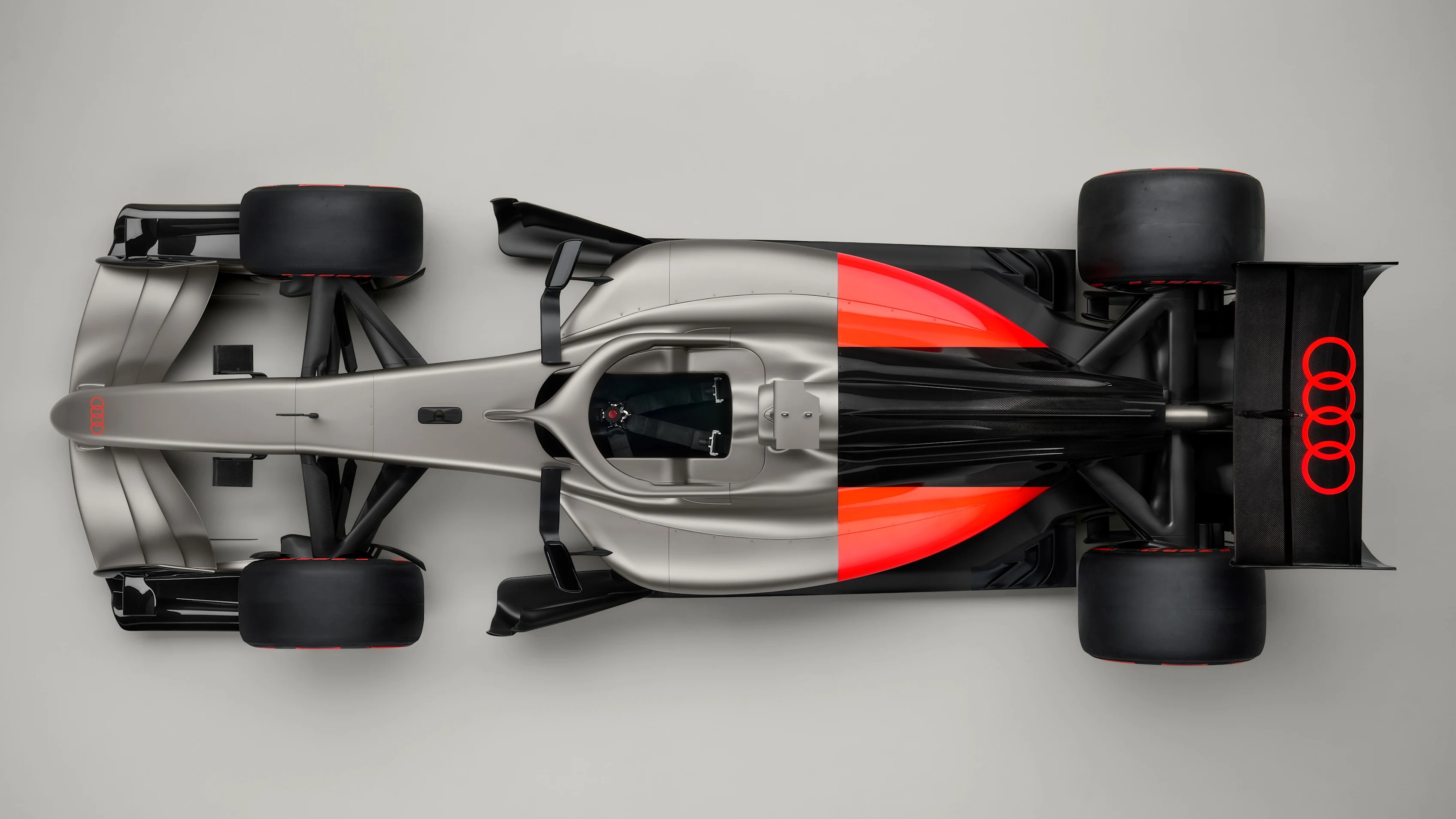
The previous hybrid era ran from 2014 with a 1.6-liter turbo V6 plus two energy recovery systems: the MGU-K, which harvested braking energy, and the MGU-H, which harvested energy from exhaust gases and turbo heat. The 2026 rewrite kept the 1.6-liter V6 turbo but deleted the MGU-H entirely, a cost and complexity cut that drew in Audi as a full works entry, Ford as Red Bull Powertrains' partner, and Honda as Aston Martin's works supplier.
The headline change is the balance of power. Internal combustion output fell from roughly 550 to 560 kilowatts to about 400, while the MGU-K's output nearly tripled from 120 kilowatts to 350, producing the famous near 50/50 split, a reversal of the old 80/20 formula. The cars run on fully sustainable fuel, with fuel flow measured by energy content rather than mass, and carry active aerodynamics, moveable wing elements that cut drag on the straights and pile it back on for the corners, replacing DRS.
What "50/50" means for how the car feels
Think of the old cars as a lion with a hearing aid: a roaring V6 turbo with a polite electric helper. The 2026 cars are a duet where both singers carry equal weight. Electric motors deliver instant shove, so the cars surge out of slow corners, and then the driver spends the rest of the lap managing an invisible gauge of energy. Harvest too little under braking and there is nothing to spend on the next straight. Spend too much and the car goes flat while rivals sail past on boost.
This is the root of the driver frustration running through this whole story: the racing is no longer just about bravery and machinery, but accountancy at 200 miles per hour. In Bahrain testing, Verstappen called the formula "Formula E on steroids" (Motorsport.com). At Spa, Piastri talked about "self-learning elements" and "qualifying grids being decided by computers behaving or misbehaving."
Controversy One: The Compression Ratio Row
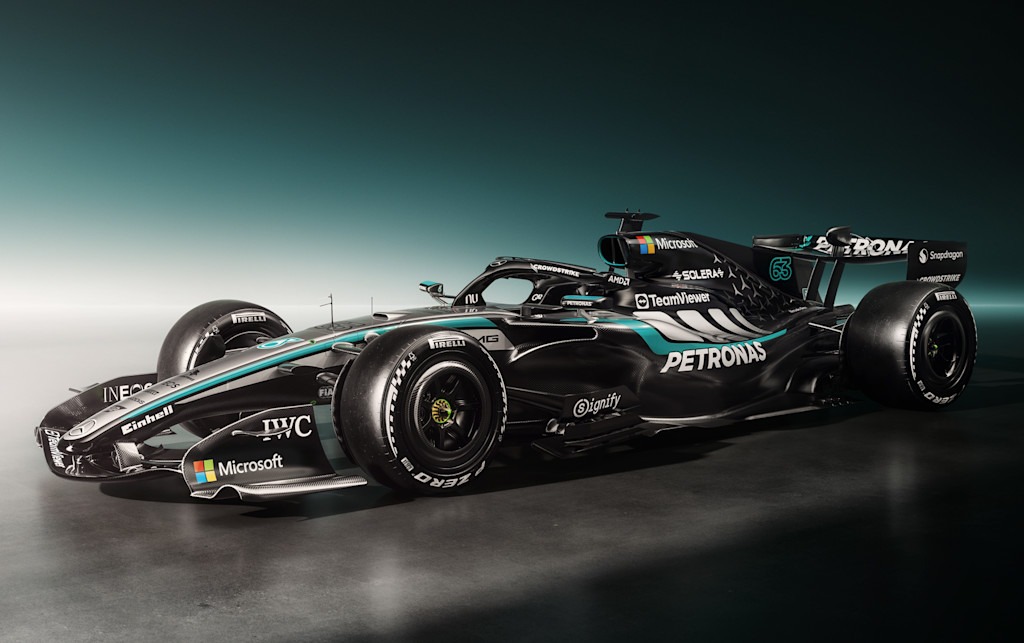
The first controversy is the most classically Formula 1: a fight about a rule, a measurement, and whether someone found a clever way around both. Before the season, motorsport-magazin.com reported that Honda, Ferrari, and Audi had complained to the FIA that Mercedes, and in some reports Red Bull Powertrains, had effectively retained an 18:1 ratio despite the 16:1 limit. The alleged advantage was worth around 15 horsepower and around 0.3 seconds per lap at Albert Park.
Compression ratios, explained over coffee
Picture a bicycle pump: you draw in an air and fuel mixture, then squeeze it down before igniting it. The ratio describes how hard you squeeze, and squeezing harder extracts more energy from every drop of fuel, which is why regulators cap it. The old rules allowed 18:1; the 2026 rules lowered the ceiling to a maximum geometric compression ratio of 16:1, partly to attract newcomers like Audi. "Geometric" means the ratio is calculated from the parts' physical dimensions, not from what happens in the heat of a race, and that distinction is where the entire argument lived.
The 18:1 allegation, and how the FIA resolved it
The original regulation required compression to be measured at ambient temperature. But metal expands when hot, the same reason bridges have expansion joints, and the allegation was that materials choices in the Mercedes engine let it run near 18:1 at operating temperature while measuring a compliant 16:1 when checked cold. An FIA spokesperson said: "Thermal expansion can influence dimensions at operating temperature, but current regulations do not require measurements under hot conditions. That said, the issue has been and continues to be discussed in technical forums with manufacturers."
The FIA did not leave the loophole open. In February 2026 it announced a proposal, developed with the manufacturers, to measure compliance at 130 degrees Celsius as well as at ambient conditions. The manufacturers voted unanimously, and Article C5.4.3 was rewritten: from June 1, 2026, no cylinder may exceed 16.0 at ambient temperature or at 130 degrees, and any component designed to raise the ratio beyond 16.0 in operating conditions is explicitly prohibited. From 2027, only the hot measurement applies. Crucially, no team was ever found guilty of anything. Senior F1 insiders told BBC Sport the Mercedes engine had been measured at both ambient and operating temperature and complied at all times. The fair telling is not "Mercedes cheated" but "rivals suspected a thermal trick, the FIA tightened the test, and the accused engine passed." The suspicion still poisoned the atmosphere, but the rulebook, not a tribunal, settled it.
Controversy Two: Ferrari and the ADUO Advantage
The second controversy is not about anyone cheating. It is about whether the rules themselves hand one team a gift. The mechanism has an acronym that sounds like a luxury skincare line: ADUO, Additional Development and Upgrade Opportunities. It is a catch-up system, and unlike the compression row, this one is fully confirmed and still live.
What ADUO is and why it exists
Formula 1 restricted engine development to control costs, but a freeze can lock in inequality forever: start behind, stay behind, and fans watch the same two teams win for five years. ADUO is the safety valve. Manufacturers rated at least 2 percent off the benchmark power unit get upgrade opportunities, in two tiers, one for those two to four percent off the pace and a bigger package for those more than four percent adrift, as F1 Oversteer reported.
The first ADUO review concluded at the Canadian Grand Prix and delivered a shock: the FIA informed the teams that Red Bull Powertrains, the brand-new in-house operation, had the most powerful combustion engine in the field, locking Red Bull out of concessions. The twist was Mercedes: the consensus fastest power unit, winner of the first four races, was rated at least 2 percent off the benchmark on the FIA's internal combustion measurement and was therefore entitled to in-season upgrades, while Ferrari, Audi, and Honda were judged four percent or more adrift and received two upgrade chances each. Verstappen's reaction was pure disbelief: "We were all a little bit surprised with that news. We're talking to the FIA now to see what happened there."
Why the rivals cried foul
The problem, per complaints made "behind the scenes" by rival teams and reported by The Times via F1 Oversteer, is that the handicap appears to help a team that handicapped itself. Ferrari made a deliberate design choice: a smaller turbocharger. A smaller turbo spools up faster, which is why Ferrari's cars were repeatedly the fastest starters on the grid early in the season. But it caps the outright power the combustion side can produce. Ferrari's own choice limited its combustion output, helping it qualify as a lagging manufacturer and unlocking ADUO assistance to develop out of a hole it partly dug itself. As The Times put it, some teams complained the criteria were "unfair" because Ferrari had "limited their own internal combustion engine" power with the turbo choice.
FIA single-seater director Nikolas Tombazis explained the governing body had offered to account for turbo dimensions and pressures when writing the rules. His quote, reported by Fox Sports: "We offered whether we wanted to consider certain things like the turbo pressures, or the turbo diameters… The universal position by the PU manufacturers back then was that we should keep it simple." A simple rule cannot distinguish between a team that is genuinely behind and a team that chose to be behind, and that ambiguity turned a well-meaning equalizer into one of the season's bitterest arguments.
Controversy Three: The Driver Revolt
Verstappen gave his clearest indication yet at Suzuka in March that he was weighing up his future, telling reporters, as quoted by AutoRacing1: "There's a lot of stuff for me personally to figure out. Life here [in F1] do I stay or leave. It depends on what they decide for next year [with regard to the engine rules]." The saga ran all summer until August 20, when he signed a Red Bull extension through 2030 and admitted to Reuters: "I think I was closer to retiring than changing teams."
He was not alone. At the Belgian Grand Prix at Spa, Carlos Sainz openly questioned how the rules were ever approved, and Lewis Hamilton suggested those responsible should be held accountable, as reported by F1i.
The most damning admission came from inside the house. Tombazis told the press, in quotes carried by F1i, Autosport, and others: "We did anticipate a lot of these things that [the drivers] have complained about in the two years before the launch of the season. We did try to make some adjustments, but we failed with the governance that was in place." He explained that any significant change needed the FIA, Formula One Management, and at least four of the five manufacturers to agree, and "quite simply, four of them did not agree during the years when we discussed some adjustments."
Controversy Four: The Night the Electronics Gave Up at Sepang
All of the season's tensions detonated at once on October 4, 2026, at the Bahrain Grand Prix, staged at Sepang in Malaysia. Thunderstorms broke about 45 minutes before the planned start, the start was delayed by 40 minutes, and when the field finally left the grid for a pair of formation laps behind the safety car, the season's first wet running under the 2026 regulations produced something nobody had seen before.
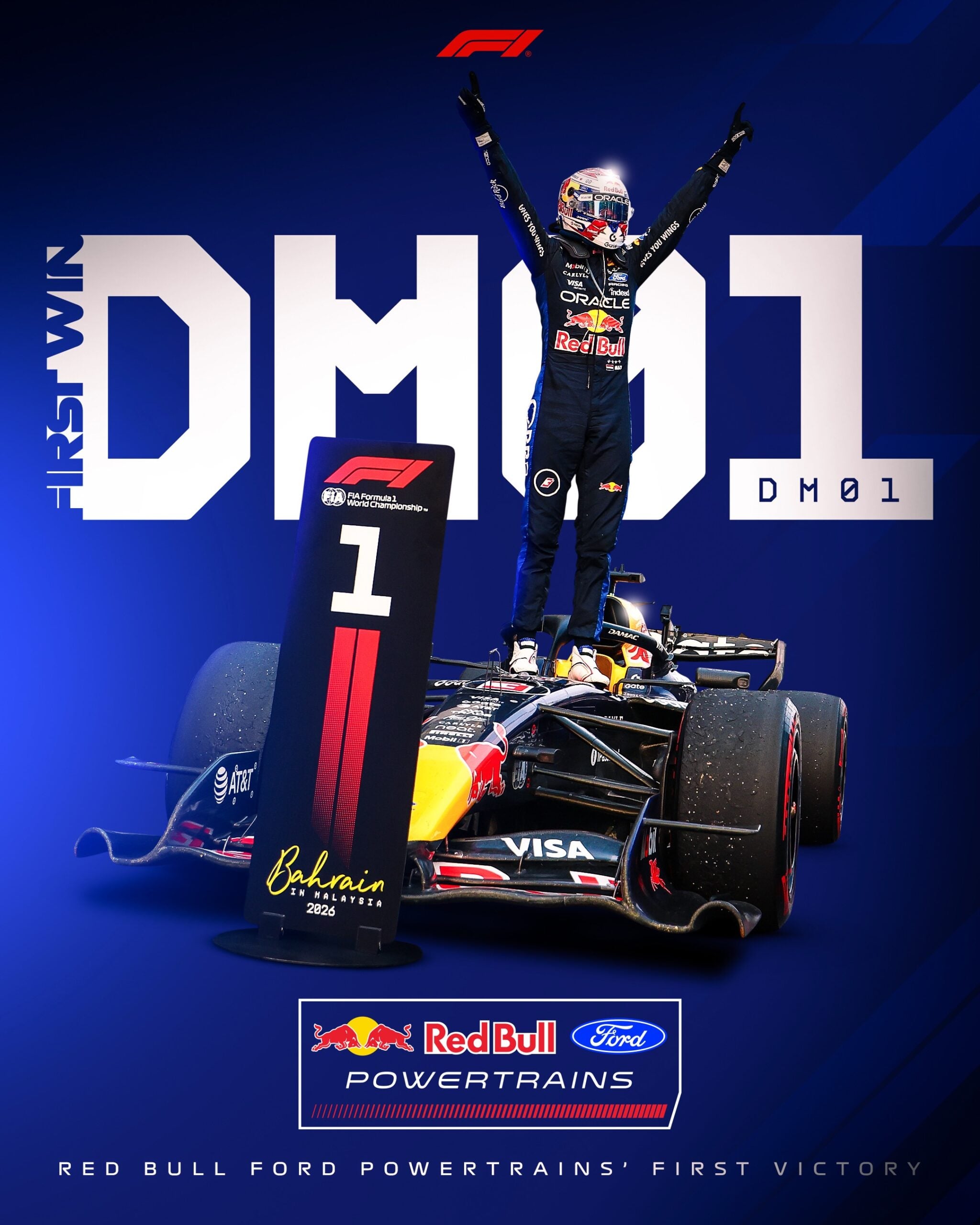
Hadjar went off at Turn 3, then the gremlins struck: Verstappen, on the front row, was the first to lose any ability to accelerate. Hamilton, second on the grid, lost power and had to pull over on the main straight to restart his Ferrari, something he said he had never done in his near 20-year career. Leclerc, both Cadillac drivers, and both Audi drivers were also affected. The start was abandoned and the FIA circulated an urgent software update to all teams during the delay. The race got going more than 90 minutes late. Verstappen recovered to win, his first victory of the season, ahead of Antonelli, whose championship lead over Russell, a late retirement with a suspected power unit failure, stretched to 84 points. Hamilton completed the podium.
The FIA's own statement is the authoritative account of the cause: "On the formation lap ahead of the Bahrain Grand Prix in Malaysia, an unprecedented combination of low engine speed, low-grip conditions, wet-weather energy management settings and the Sepang circuit's sector configuration led to an unintended loss of power for a number of cars." During the delay, the FIA's technical department removed the energy limit constraint in the affected sectors through an updated software release sent to every competitor, and a full review with the manufacturers was promised.
Verstappen told reporters, as quoted by PlanetF1: "I triggered it first and then I look in my mirror, I was like, 'Wait, are they waiting for me or what's going…?' It was like the Lego race." He added: "That's the problem that we have. You know, these engines are so complicated and a lot of software is implemented." Hamilton joked it was "like the LEGO race." Antonelli called the formation lap "insane," adding: "At some point, we were five-wide in the straight because we couldn't understand what was going on." The symbolism was brutal: the entire 2026 project is a bet that Formula 1 can be both sustainable and spectacular, and in its first real rain the electrical half did not just underperform, it turned the cars off.
The Fixes: What the F1 Commission Agreed for 2027
The 2027 package was agreed by the F1 Commission in London on September 21, nearly two weeks before Sepang, so it answers the season's long-running complaints, not that one wet Sunday. The measures, reported by Reuters, Crash, and others, still need formal World Motor Sport Council approval, expected to be a formality.
First, race distances shorten from 305 kilometers to 290. Second, the balance shifts back toward combustion: fuel flow rises 5 percent for 2027, lifting internal combustion output from 400 to 420 kilowatts, with a further step in 2028 to 450 kilowatts and a 13 percent fuel flow increase, targeting a 60/40 combustion-to-electric split by 2028. Third, maximum electrical power falls: the MGU-K will be capped at 300 kilowatts, down from 350, though 350 remains available in overtake mode. Fourth, the three-hour overall race clock is scrapped for disrupted events, while the two-hour limit on actual racing stays, a hard stop time is introduced, and practice sessions gain flexibility.
Why fuel tank size forces shorter races
The shortened distance sounds absurd. The issue is fuel tanks. Rather than forcing hugely expensive chassis redesigns around bigger tanks, the FIA and Formula 1 chose to trim the distance instead, as RACER and F1i reported. Tanks cannot simply grow within the current chassis: the monocoque, the survival cell, and the packaging of batteries and cooling are fixed geometry. When the tank cannot get bigger and the thirst cannot get smaller, the only variable left is the distance. The FIA's statement put it plainly: "In line with the refinements to the Power Unit regulations to be introduced in 2027 on fuel flow, a reduction in the total race distance from 305km to 290km was approved, corresponding to a reduction of two or three laps." The formula is being nudged back toward the engine and away from the spreadsheet. Whether that satisfies drivers like Verstappen, who wanted the engines to feel powerful rather than merely efficient, is the open question of 2027.
What It All Means
The 2026 engine story is three stories braided together. The first is ambition outrunning governance: the FIA wrote radical rules, saw the problems coming two years early by its own admission, and could not fix them through the system it had built. The second is the eternal Formula 1 tension between cleverness and fairness, with the compression row and the ADUO fight both asking the same question: when does smart engineering become an unfair advantage, and who gets to decide? The third is about what racing is for. The drivers did not revolt because the engines were slow. They revolted because the engines made the sport feel like something else, something managerial and muted, and because the people in charge knew and proceeded anyway.
The quieter fourth story is money: the 2026 regulations were sold partly as cost control, but the ambiguity of the rules created an arms race of interpretation, where the advantage goes to whoever can afford the most dyno time and the cleverest reading. The 2027 corrections suggest the sport's leadership heard the complaints. But the trust deficit is real: teams spent months suspecting each other of thermal-expansion trickery, Ferrari's rivals suspect the catch-up rules reward self-sabotage, and the fans at Sepang learned to suspect the whole electrified enterprise.
FAQ
What does the 50/50 power split actually mean? Roughly half comes from the electrical system, with the MGU-K delivering up to 350 kilowatts, up from 120, and roughly half from the combustion engine, down from about 550 to 560 kilowatts to around 400. The old MGU-H is gone, the fuel is fully sustainable, and active aerodynamics replaced DRS.
Was anyone actually cheating in the compression ratio row? No finding of cheating was ever made. Honda, Ferrari, and Audi complained to the FIA, per motorsport-magazin.com, alleging Mercedes, and in some reports Red Bull Powertrains, effectively ran near 18:1 at operating temperature through thermal expansion while measuring the legal 16:1 cold, an advantage estimated at 15 horsepower and 0.3 seconds per lap. The FIA tightened the test instead: from June 1, 2026, compression is measured at ambient temperature and at 130 degrees. BBC Sport reported the Mercedes engine measured compliant at all times.
What is ADUO, and why does it anger rival teams? Additional Development and Upgrade Opportunities, a confirmed catch-up mechanism with two tiers of assistance for manufacturers rated at least 2 percent off the benchmark power unit. Rivals complained, per The Times, that it unfairly helps Ferrari, whose deliberate smaller-turbo choice limited its own combustion output and helped it qualify for assistance. At the first review, Red Bull Powertrains was rated strongest and locked out of upgrades, while Mercedes, Ferrari, Audi, and Honda all qualified for help.
Why are 2027 races getting shorter? The F1 Commission agreed on September 21, 2026, to cut standard race distance from 305 to 290 kilometers, linked to 2027 power unit refinements that raise fuel flow by 5 percent. Rather than forcing costly chassis redesigns for bigger fuel tanks, the sport trimmed the distance. It also caps the MGU-K at 300 kilowatts, targets a 60/40 split by 2028, and replaces the three-hour race clock with a hard stop time while keeping the two-hour racing limit.
A Note on Sources
Every technical claim, figure, and quotation in this article comes from verifiable reporting or official statements: Reuters, BBC Sport, Crash, PlanetF1, F1i, Autosport, Motorsport.com, The Race, Fox Sports, F1 Oversteer, RACER, AutoRacing1 (via motorsport-magazin.com), and official FIA statements. Allegations are labeled reported or alleged; confirmed regulatory actions are stated as confirmed. The compression dispute was resolved by a unanimous manufacturer vote and a June 2026 rule change, with no team found in breach. The 2027 package was agreed by the F1 Commission on September 21, 2026, and still requires World Motor Sport Council approval. Season context was cross-checked against the column's verified 2026 season archive. No statistics, quotations, or technical claims were invented for this piece.