
By Paulina Phan, Senior Editorial Contributor
Every autumn, the Formula 1 paddock starts talking about drivers the way fashion editors talk about creative directors: who is staying, who is going, and which coveted seat is about to change hands. Insiders call it silly season, and it is the sport's favorite parlor game, played in motorhomes, on podcasts, and across social feeds with total confidence and almost no verified information. This year the game has a twist. With seven rounds remaining in the 2026 season, the championship fight is effectively a Mercedes family affair, yet half the grid still does not know where it will be working next year. At the center of the intrigue sits Yuki Tsunoda, the most popular driver without a confirmed seat, a Red Bull reserve who got three surprise Sundays to audition for his career and made the most of them. This is the 2027 driver market, explained properly: what silly season actually is, who is confirmed, where Tsunoda can realistically land, and the contract mechanics that decide all of it.
What "Silly Season" Actually Means
Silly season is not an official period. There is no transfer window in Formula 1, no deadline day with a countdown clock, no tampering rules that stop a team principal from calling a driver's manager over coffee. It is simply the stretch of the calendar, usually from late summer into winter, when contracts signed years earlier start to expire, options come due, and everyone starts negotiating at once. Announcements dribble out across months, which is why a single rumor can dominate a race weekend and be forgotten by the next one.
For a luxury lifestyle audience, the useful comparison is executive hiring at the highest level. A race seat is one of twenty full time positions on the planet, each worth millions in salary and many multiples of that in sponsorship value. When a seat opens, brands reposition, merchandise lines pivot, and entire marketing campaigns get redrawn. The driver is the product, the helmet is the logo, and the paddock is the most exclusive networking event in sports. That is why silly season matters beyond the timing screens: it decides which faces front the sport's biggest commercial partnerships.
There is also a lighter way to enjoy it. Driver moves mean new helmet designs, new team colors on familiar faces, and a fresh round of paddock fashion as drivers reintroduce themselves. Silly season is casting news, and in a sport where the cast is photographed as relentlessly as any red carpet, the costume change is half the fun.
The 2026 season gives this year's edition unusual shape. Kimi Antonelli leads the drivers' championship with 320 points and eight wins, 84 clear of his Mercedes teammate George Russell on 236, with Lewis Hamilton third for Ferrari on 214 and Charles Leclerc fourth on 191. Mercedes has 556 constructors' points to Ferrari's 405. With seven rounds left, seven Grands Prix plus one sprint, Antonelli can clinch the title as early as the United States Grand Prix in Austin on October 25. The competitive order, in other words, is largely settled. The employment order is not. Five teams have yet to officially confirm their 2027 lineups, which means roughly half the grid is driving for its professional life right now, including at this weekend's Singapore Grand Prix at Marina Bay on October 11.
The 2027 Grid, As It Stands
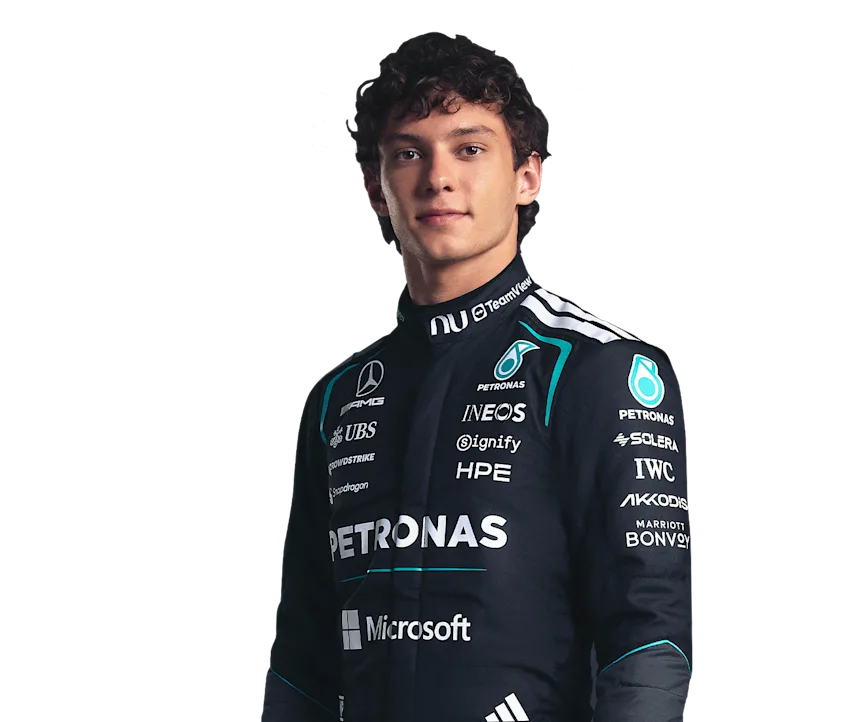
Before the rumors, the facts. Here is what is actually confirmed about 2027, and what remains open, based on team announcements made through early October 2026. Anything beyond this is reporting, expectation, or paddock chatter, and this article will label it as such.
Confirmed and settled
Alpine has confirmed that Franco Colapinto will remain with the team for 2027, and the team is keeping its current lineup, which means Pierre Gasly stays alongside him. Gasly sits tenth in the 2026 standings with 41 points, Colapinto twelfth with 27, and Alpine is sixth in the constructors' championship on 68 points. In a season of upheaval elsewhere, Alpine chose continuity.
Williams has also confirmed it will keep its current lineup for 2027. That means Carlos Sainz, eighteenth in the standings on seven points, and Alex Albon, nineteenth on five, both stay. Williams is ninth in the constructors' standings on 12 points, and the decision signals that the team values stability as it builds.
Audi, entering as a full works operation, has both of its drivers under contract: Gabriel Bortoleto, fourteenth in the standings on ten points, and Nico Hulkenberg, fifteenth on seven. Audi sits eighth in the constructors' championship on 17 points. No drama there, which in silly season counts as news.
The five teams yet to confirm
That leaves five teams that have not officially confirmed their 2027 lineups: Red Bull, Racing Bulls, Aston Martin, Haas, and Cadillac. Their situations differ considerably.
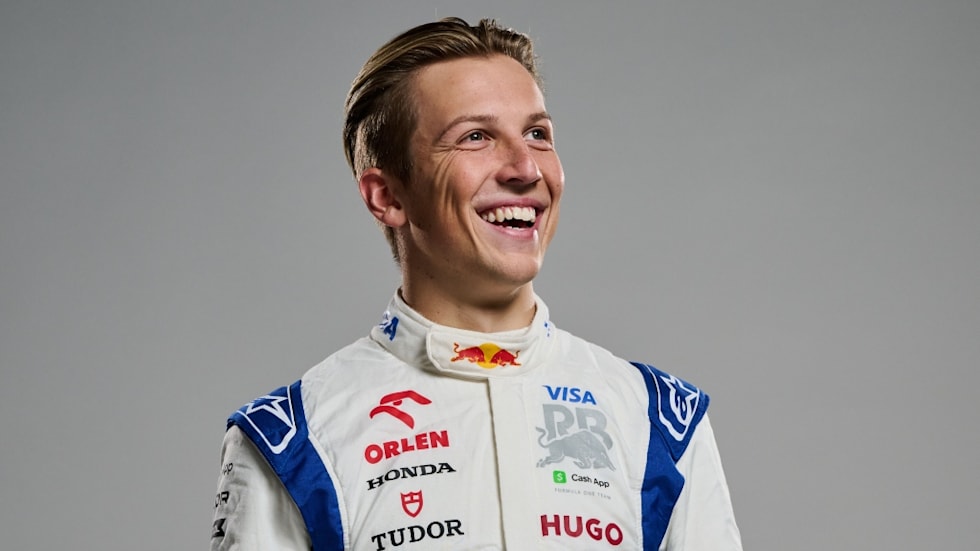
Red Bull and Racing Bulls are expected to keep unchanged lineups. At Red Bull, that means Max Verstappen alongside Isack Hadjar, who was promoted to partner the four time champion for 2026 and sits eighth in the standings with 96 points. At Racing Bulls, it means Liam Lawson, ninth on 65 points, alongside rookie Arvid Lindblad, eleventh on 38. Racing Bulls is fifth in the constructors' championship on 90 points, an excellent return for the junior team. The word to underline is expected: until an announcement lands, nothing is official.
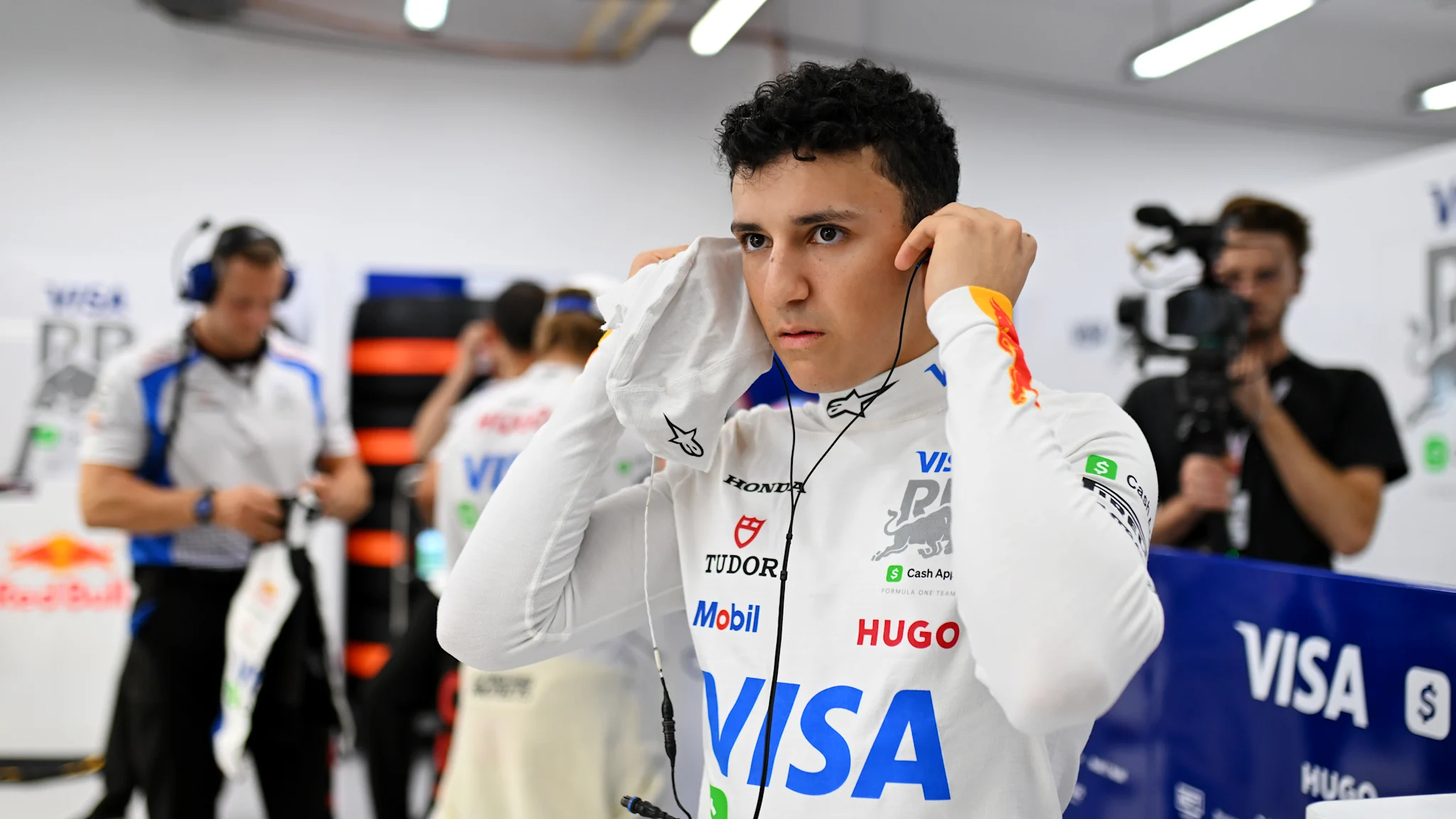
Aston Martin is the fascinating one. Fernando Alonso sits seventeenth in the standings on seven points, and the team is tenth in the constructors' championship on seven points, with only a scoreless Cadillac below it. Aston Martin began a works partnership with Honda in 2026, running Honda RA626H power units built for the new regulations, which makes its driver decision inseparable from its engine decision, as explained below.
Haas sits seventh in the constructors' standings with 27 points. Oliver Bearman is thirteenth in the drivers' standings on 20 points and Esteban Ocon sixteenth on seven. Haas has not confirmed its 2027 lineup, and team principal Ayao Komatsu's revealed shortlist for next year reportedly did not include one notable name, more on that shortly.
Cadillac, the grid's new American entrant, is eleventh and last in the constructors' championship on zero points. Valtteri Bottas and Sergio Perez, its two vastly experienced drivers, are 22nd and 23rd in the standings, both also on zero. For a team that hired champions to lead it, the lack of points sharpens every question about 2027.
The championship backdrop
The market does not move in a vacuum. The most recent round, the Bahrain Grand Prix, was held at Sepang in Malaysia on October 4 after the Bahrain round was cancelled due to the Middle East conflict. Rain chaos produced the season's biggest surprise: Max Verstappen won his first race of 2026, with Antonelli second and Hamilton third for Ferrari. Russell retired around lap 49 with a mechanical problem while running third under the safety car, a cruel end to a weekend that tightened nothing at the top. Antonelli's eight wins this season came in China, Japan, Miami, Canada, Monaco, Belgium, Italy, and at Madrid on September 13. Russell's three came in Australia, Austria, and Azerbaijan. Norris has two, from Hungary and the Dutch Grand Prix, while Hamilton's single win came at Barcelona and Leclerc's at the British Grand Prix.
Contract Mechanics, in Plain English
To understand silly season, you need to understand the paperwork. Driver contracts in Formula 1 are multi year instruments layered with clauses that read like corporate merger agreements. Here are the four mechanisms that matter most this year, explained without the legalese.
The reserve driver: F1's most patient job
A reserve driver is a team's designated substitute, contracted to be ready at short notice if a race driver cannot compete. The role involves endless simulator work, attending Grands Prix, debriefing with engineers, staying race fit, and waiting. It is part understudy, part insurance policy, part rolling audition, because every reserve appearance is evaluated by every team principal in the paddock. Tsunoda has lived this role in 2026 as Red Bull's reserve, and his three race cameos are the reason he is the central figure of this year's market. The reserve job keeps a driver visible and relevant, but it is not a career. As Tsunoda himself recently put it, he does not want to spend two years in the garage as a reserve, and he would look at other series if no race seat materializes.
Options: how teams keep a driver from leaving
Most F1 contracts include option clauses, which give a team the unilateral right to extend a driver's deal, usually by a set deadline. When a team activates its option, the driver stays, even if another team has made an offer. Tsunoda knows this mechanism intimately: he was previously kept from holding talks with Haas and Sauber when Red Bull activated its option on him. The clause protects the team's investment in developing a driver, but from the driver's side it can feel like a velvet handcuff. Options are a major reason silly season moves slowly. Teams wait until the last responsible moment to decide, and drivers cannot shop themselves freely until the option window closes.
Break clauses: the eject button
A break clause lets one or both parties end a contract early if specified conditions are met, most commonly performance thresholds. They are the paddock's worst kept secrets and its most consequential fine print. The most talked about example this season is reported rather than confirmed: one outlet has reported that Ferrari is expected to recall Oliver Bearman for 2027 via a break clause in Lewis Hamilton's contract. Treat that strictly as a report, not a fact. But it illustrates the mechanism perfectly. If a team holds an option on a junior driver elsewhere and a break clause on its veteran, it can restructure its lineup without ever entering the open market. Break clauses are why confirmed lineups sometimes turn out to be less confirmed than they looked.
Why engine deals move drivers
In Formula 1, manufacturers do not just supply power units. They run driver development programs, fund junior careers, and expect loyalty in return. Honda backed Tsunoda's career from 2016, when he joined Honda's driver development programme, through his third place finish in Formula 2 in 2020 that earned him his AlphaTauri seat. When a manufacturer switches teams, its protégés often follow, because the commercial and political logic points the same way. Honda's works partnership with Aston Martin, which began with the 2026 regulations reset, is therefore not just an engineering story. It is a driver market story, and it is the single biggest reason Tsunoda's name is linked with Aston Martin. Engines pull drivers the way gravity pulls everything else in this sport.
Yuki Tsunoda's Three-Race Audition
No driver made better use of 2026 than the one who barely raced in it. Tsunoda's season is the human center of the 2027 market, and it deserves telling in full.
An injury opens a door
Red Bull and Racing Bulls confirmed their 2026 lineups without Tsunoda. Isack Hadjar was promoted to partner Max Verstappen at Red Bull, while Racing Bulls fielded Liam Lawson and rookie Arvid Lindblad. Tsunoda, after years as a full time driver, accepted the reserve role. Then, during the summer, Hadjar injured his wrist in training and missed three races: the Dutch Grand Prix at Zandvoort, the Italian Grand Prix at Monza, and the Spanish Grand Prix at Madrid. Red Bull moved Lawson up to the senior team for those rounds, and Tsunoda slid into Lawson's Racing Bulls seat. Three races. That was the entire audition window.
Three Sundays, three results
At Zandvoort, Tsunoda finished eleventh, just outside the points but immediately respectable in a car he had not raced all year. At Monza, he finished tenth and scored one championship point, the point that puts him twentieth in the 2026 standings. Speaking to Formula 1's Beyond the Grid podcast afterward, he said it felt closer to his first AlphaTauri points as a rookie than anything from the last three years, a revealing comment about how long he had been waiting for a clean weekend. At Madrid, first corner contact ruined his race and he finished fourteenth. When Hadjar was cleared to return for Baku, Lawson moved back down and Tsunoda returned to reserve duty. Eleven, ten, fourteen. Three data points, one point scored, and a paddock full of people who had just watched him do it.
How teams grade a three-race cameo
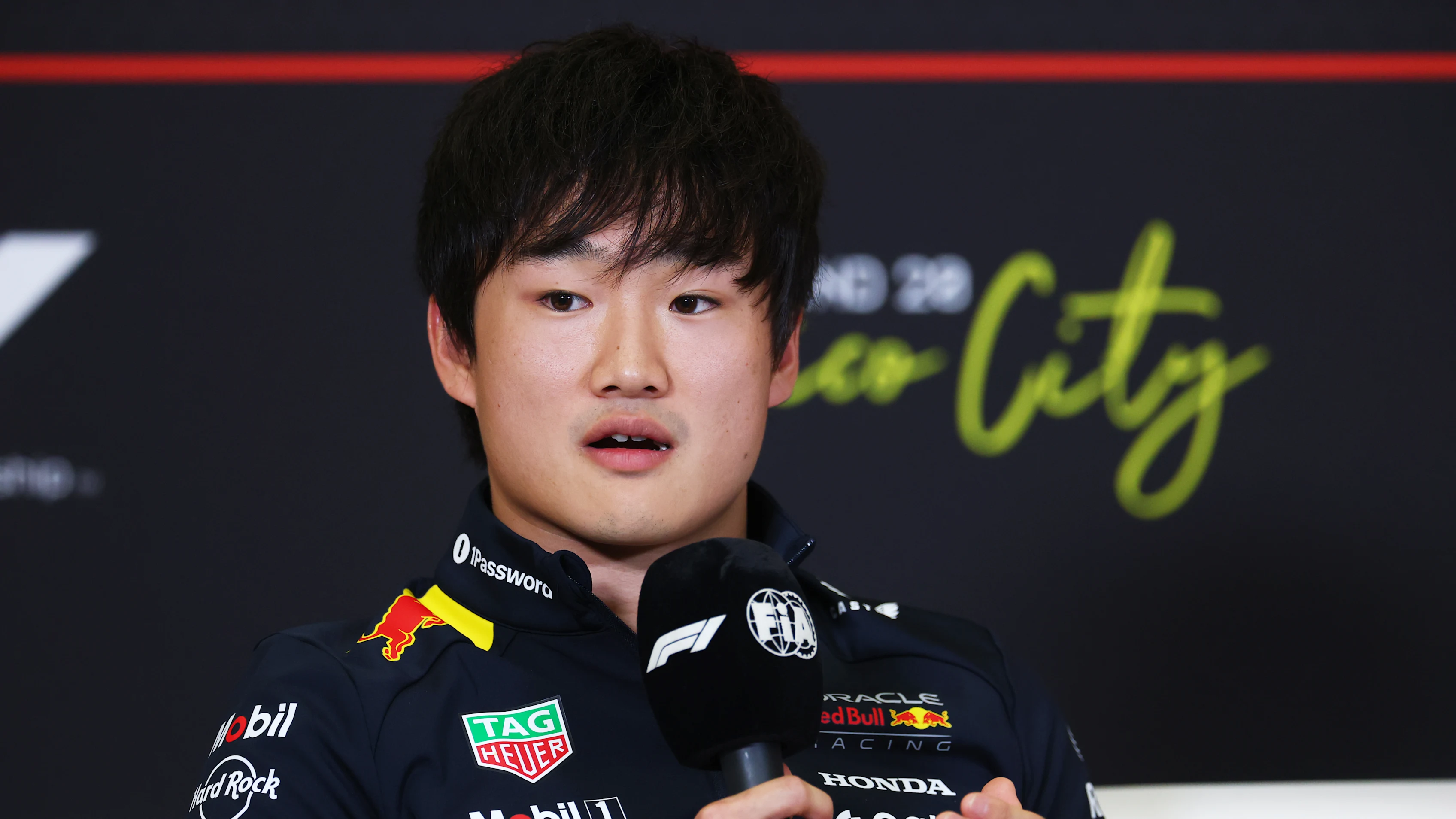
Here is the technical part, and it matters. Teams do not judge a cameo on results alone. They strip the weekend down to its components: qualifying pace relative to the teammate, race pace on comparable tires, tire management, feedback quality in debriefs, and how quickly the driver got up to speed with zero preparation. On those measures, Tsunoda's cameo grades well. He jumped into an unfamiliar car midseason and was immediately on the pace at two very different circuits, a high downforce track in Zandvoort and the fastest circuit on the calendar at Monza. The Madrid result is judged differently. First corner contact in a midfield pack is the kind of incident that happens to full time drivers every season; teams weigh it against the full body of work, not as a standalone verdict. One messy start does not erase two weekends of strong underlying pace, and every team principal knows it. That is the quiet logic behind Tsunoda's market: three races were enough to remind everyone what five seasons of data already said.
Where Can Tsunoda Realistically Land?
Tsunoda has been admirably direct about his intentions. Speaking to PlanetF1.com at Zandvoort, he said his future was up to his manager and the teams that have not decided their lineups, adding that "they should" approach him. He told F1.com back in July that he was hungry to return. And recently he stated his position plainly: "My primary focus is F1. I'm trying to be back. That's my target and I'm not thinking anything else." With that as the brief, here are the realistic destinations, ranked by plausibility, with the caveats attached.
Haas: the door that may already be closed
Haas is the most natural fit on paper. It is a Ferrari powered midfield team with a record of giving second chances to experienced drivers, and Tsunoda's experience would complement either side of its garage. Reports have linked him with the team. But there is a significant obstacle: when team principal Ayao Komatsu's shortlist for 2027 was revealed, Tsunoda's name was not on it. A shortlist is not a final decision, and lists change, but being absent from the first draft is never a good sign. Add the wrinkle that Ferrari is reported, not confirmed, to be considering recalling Bearman via a break clause in Hamilton's contract, which would scramble the Haas seats entirely, and this option looks complicated rather than clean.
Cadillac: the American expansion seat
Cadillac is the romantic option and not an absurd one. The American team hired Bottas and Perez for experience and has zero points to show for it, which puts pressure on at least one of those seats. Tsunoda has been discussed as a possible replacement in the Bottas seat. For Cadillac, he offers youth, marketability across Asia and the American fanbase that adores him, and genuine pace. For Tsunoda, it offers a full time seat and a team that needs a spark. The question is whether Cadillac wants to keep betting on experience or pivot toward development. Nothing is confirmed, and the team's deliberations are among the paddock's most closely watched.
Aston Martin: the Honda connection
This is the option the paddock whispers about most, because the logic is structural rather than sentimental. Honda backed Tsunoda from 2016, his junior success earned him his AlphaTauri seat, and Honda is Aston Martin's works power unit supplier from 2026 onward. Manufacturers have long placed their protégés with their works teams, and Aston Martin, tenth in the constructors' championship with seven points, needs every advantage it can manufacture. If Honda wants a familiar face in the car as the works era begins, Tsunoda is the obvious candidate. The complication is Alonso, a double world champion who does not surrender seats lightly, and the fact that Aston Martin has confirmed nothing. But of all the links in this market, the Honda to Aston Martin pipeline is the one built on contracts and commerce rather than hope.
Red Bull and Racing Bulls: expected to stand pat
The least dramatic outcome is also a plausible one: both Red Bull teams keep their lineups, Hadjar with Verstappen and Lawson with Lindblad, and Tsunoda's path back runs through someone else's garage. Red Bull's junior program has always been ruthless about moving forward rather than backward, and a return to the family fold would require either an injury, as in 2026, or a change of heart at the very top. Tsunoda's camp will not be counting on it.
The IndyCar question
Reports have linked Tsunoda with Meyer Shank Racing in IndyCar, and it is worth taking seriously as a fallback rather than a preference. IndyCar offers competitive racing, a passionate fanbase, and none of the political machinery of the F1 paddock. But Tsunoda has been explicit: his primary focus is Formula 1, he is trying to be back, and he is not thinking about anything else. He added the honest caveat that he will not spend two years as a reserve and would consider other series if no F1 seat materializes. Read that as a timeline, not a threat. The F1 market gets first refusal on his services. Everything else waits.
What Happens Next
The calendar now does the talking. The Singapore Grand Prix at Marina Bay on October 11 opens the final stretch of seven rounds, and driver announcements historically cluster in this window as option deadlines pass and teams finalize budgets. Five teams still owe the paddock an answer: Red Bull, Racing Bulls, Aston Martin, Haas, and Cadillac. Watch Komatsu's next comments on the Haas shortlist, watch whether Cadillac's patience with a scoreless season extends to its driver lineup, and watch Aston Martin most of all, because the Honda works partnership that began in 2026 makes its decision the market's true domino. Antonelli may clinch the championship in Austin on October 25, but the employment championship will run all the way to the finale. For Tsunoda, the equation is simple and has been all along. He did everything three races allowed him to do. Now the teams that have not decided their lineups need to do what he suggested at Zandvoort. They should approach him. For readers new to the sport, pick a driver without a confirmed seat and follow his autumn. It is the most entertaining education Formula 1 offers.
FAQ
What is F1 silly season? It is the unofficial name for the period, usually late summer through winter, when driver contracts expire, team options come due, and negotiations for next year's grid happen all at once. There is no official transfer window; announcements simply dribble out across several months.
Is Yuki Tsunoda confirmed for a 2027 race seat? No. As of early October 2026, Tsunoda is Red Bull's reserve driver with no confirmed 2027 race seat. He has been linked in reporting with Haas, Cadillac, Aston Martin, and Meyer Shank Racing in IndyCar, and Red Bull and Racing Bulls are expected to keep their current lineups. All of these are reports or expectations, not confirmations.
Which teams have confirmed their 2027 driver lineups? Alpine has confirmed Franco Colapinto will remain and is keeping its current lineup, meaning Pierre Gasly stays. Williams has confirmed it will keep its current lineup of Carlos Sainz and Alex Albon. Audi has both drivers, Gabriel Bortoleto and Nico Hulkenberg, under contract. Five teams have yet to officially confirm: Red Bull, Racing Bulls, Aston Martin, Haas, and Cadillac.
What is a break clause in an F1 driver contract? A break clause allows a team or driver to end a contract early if specified conditions are met, usually performance related. One outlet has reported that Ferrari may recall Oliver Bearman for 2027 via a break clause in Lewis Hamilton's contract. That report is unconfirmed, but it illustrates how break clauses can reshape a grid without any open market bidding.
Methodology Note
Standings, points, wins, and race results in this article reflect the 2026 drivers' and constructors' championships after round 16, the Bahrain Grand Prix held at Sepang, Malaysia on October 4, 2026. Contract and lineup information is drawn from team announcements and paddock reporting published through early October 2026 by Reuters, Sky Sports, Crash.net, Sportradar, PlanetF1, Eastward Drive, Formula1.com, HITC, and F1 Oversteer, with reporting on the Aston Martin Honda works partnership (2026 onward) from Racecar and Professional Motorsport World. Confirmed items are stated as confirmed; everything else is framed as reported or expected. Direct quotes from Yuki Tsunoda are taken from his interviews with PlanetF1.com, Formula1.com, and the Beyond the Grid podcast. No statistics, dates, or contract terms have been invented for this article.