
By Paulina Phan, Senior Editorial Contributor | March 23, 2026
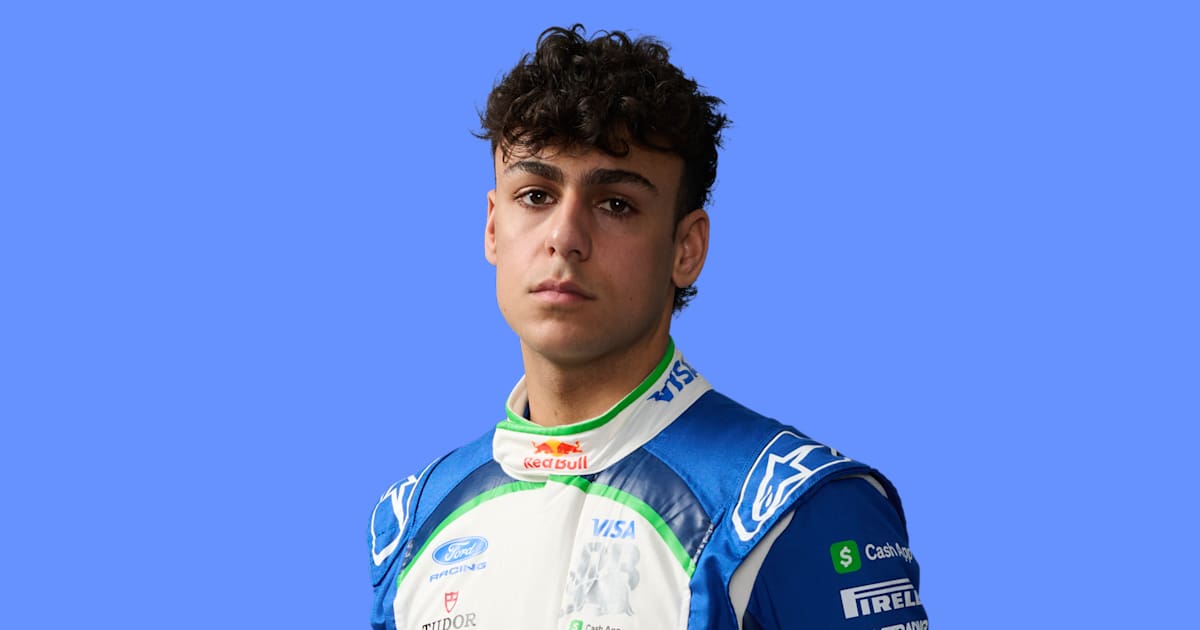
Every few years, Formula 1 gets a new face that makes the whole paddock lean in a little closer. Not because of hype, though there is always hype, but because of the particular electricity of watching someone do the hardest thing in motorsport for the very first time and look completely at home doing it. That is Arvid Lindblad. He is eighteen years old, he drives for Racing Bulls, he is the only driver on the 2026 grid making his Formula 1 debut, and two weekends ago in Melbourne he did what most rookies only dream about: he finished eighth, scored points, and became the third youngest driver ever to score in a Grand Prix.
If you are new to this column, welcome, and if you are wondering why a teenager from Surrey has the entire driver market whispering, pull up a chair. This is the story of the Red Bull junior ladder's latest graduate, the boy who got his super-license at seventeen, and the freshman class of 2026, graded after two rounds. Think of it as the paddock's version of a getting-to-know-you montage, except the montage involves 350 kilometers per hour.
From Virginia Water to the Fast Lane
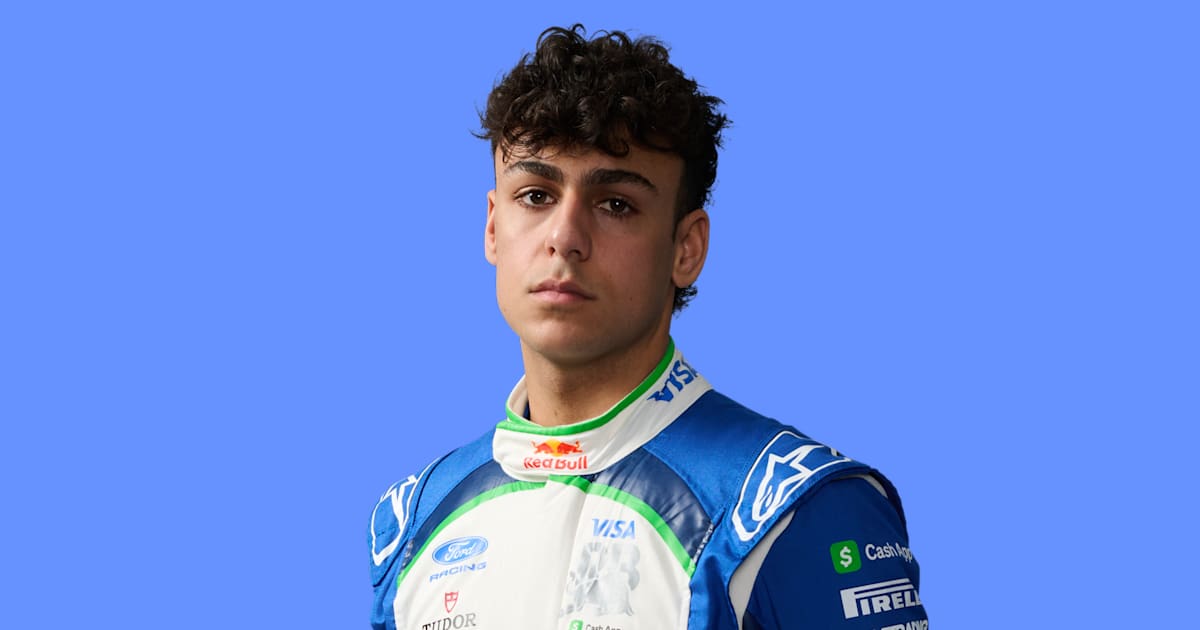
Arvid Lindblad was born on August 8, 2007, in Virginia Water, England, which means he was not yet born when Fernando Alonso won the second of his two championships. Sit with that for a moment. He started competitive karting in 2015, the same year a seventeen-year-old Max Verstappen made his Formula 1 debut for Toro Rosso, the little Faenza-based team that has since been reborn as Racing Bulls. There is a symmetry there that the Red Bull talent spotters surely noticed: the team that launched Verstappen into orbit is now launching Lindblad, eleven years later, from the same garage doors.
The rise was fast by any standard. Red Bull signed him to its junior program in 2021, when he was thirteen, and from there the single-seater ladder went by in a blur. He moved into Formula 4 cars in 2022, finished third in the Italian F4 championship in 2023, one of the most competitive entry-level series in Europe, and stepped up to Formula 3 in 2024, where he finished fourth. In 2025 he added the Formula Regional Oceania championship, his only single-seater title to date, and then the big one: Formula 2 with Campos Racing. He won three races, including a Feature Race, became the youngest race winner in the championship's history, and finished sixth in the standings. Red Bull did not wait for a title. They had seen enough.
That is worth pausing on, because it tells you how Red Bull grades its prospects. The junior program is famously ruthless, a sink-or-swim academy that has ended as many careers as it has made. Lindblad did not dominate F2. He finished sixth. But the people whose job it is to spot the next Verstappen saw the raw material, the racecraft, the wet-weather brilliance, the composure, and they promoted him anyway. When Red Bull trusts its eyes over the standings, you pay attention.
The F2 season itself deserves a closer look, because it explains the promotion better than the final standings do. Three wins, including a Feature Race, the long-format Sunday event that is the closest thing junior racing has to a Grand Prix, and the youngest race winner in the championship's history. Campos is a serious team but not the dominant force of the category, which means those wins were earned rather than inherited. The paddock chatter all through 2025 was that Lindblad was doing more with less, the classic marker of a driver who translates to F1. Red Bull's junior program has a specific taste: it likes aggression refined by intelligence, speed that shows up in the wet and in traffic, not just in qualifying. Lindblad checked every box, which is why the call came after one F2 season instead of two.
The License That Bent the Rules
Here is the detail that makes paddock veterans smile. Lindblad was granted his FIA super-license at seventeen, through an exception to the rules. Those rules, the minimum age of eighteen and the points requirements, were introduced largely in response to Verstappen's own precocious debut in 2015. So the regulation written because of Verstappen had to be bent to admit the kid now following directly in his tire tracks. Formula 1 loves nothing more than a narrative that rhymes, and this one rhymes perfectly.
It also tells you something about the confidence behind the decision. Super-license exceptions are not handed out casually. The FIA does not bend its own framework for a maybe. Whoever reviewed Lindblad's file concluded that an eighteen-year-old with three F2 wins and a reputation for maturity was ready for the fastest cars on earth. Melbourne suggested they were right.
The Debut: Points in Melbourne
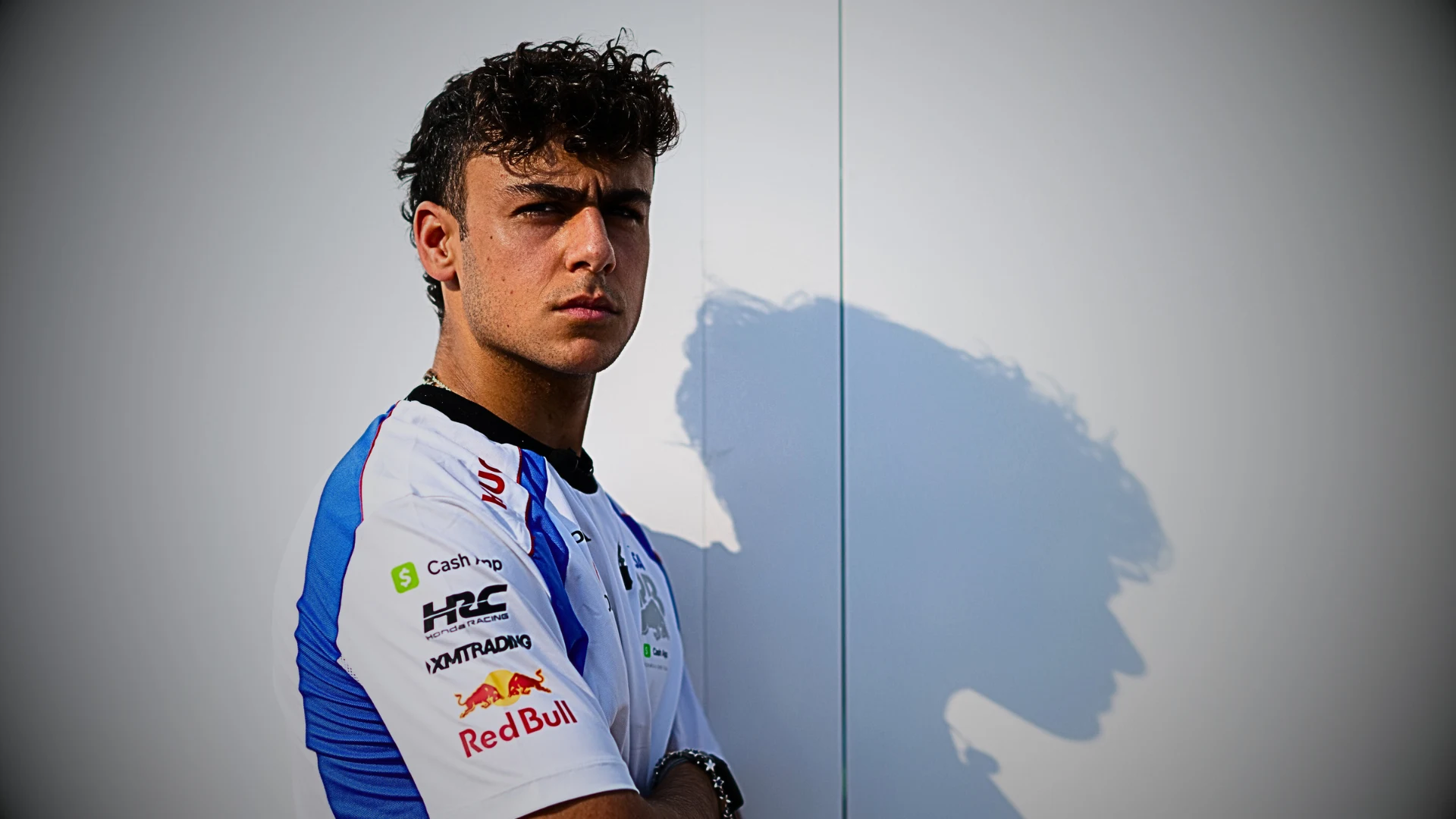
Let us talk about that debut, because debuts reveal character. The 2026 Australian Grand Prix was chaos in the best way: a new-regulations opener, two Virtual Safety Car periods, established stars tripping over the unfamiliar machinery. And in the middle of it, car number 41 just kept circulating, clean and quick, while bigger names found the barriers or the pit lane. Eighth place. Four points. The third youngest points scorer in the history of the sport.
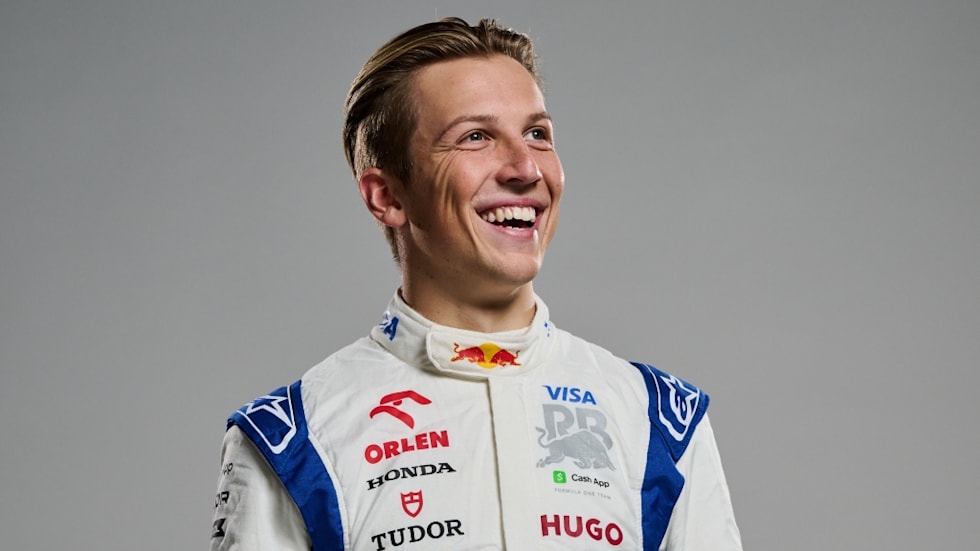
What impressed the paddock was not the position so much as the manner of it. Rookie debuts at Albert Park have a way of ending in the wall at Turn 6 or in a tangle of someone else's making. Lindblad's ended with a points finish and a calm debrief. His teammate is Liam Lawson, no pushover, a driver with Grand Prix experience and a reputation for extracting everything from a car. The internal benchmark at Racing Bulls is real, and Lindblad has looked unfazed by it from the first weekend.
Consider the context of that Sunday. Melbourne's opener produced two Virtual Safety Car periods, one for Hadjar's stopped Red Bull and one for Bottas halting at the pit lane entry, and Mercedes won the strategy game by pitting under both while Ferrari stayed out. In other words, the veterans were still figuring out the new formula in real time, and a teenager with zero Grand Prix starts to his name simply got on with it. That is the thing about debut points: they are never just about speed. They are about judgment, about knowing when the race is coming to you and having the discipline to let it. Lindblad showed both.
Two races into the season, the sample size is tiny and the cars are still fragile, everyone in the paddock keeps repeating that like a mantra. But the early returns say the same thing the junior results said: this kid learns fast, and he does not rattle.
The Freshman Report Card
Lindblad may be the only true rookie, but he is not the only young face writing a first chapter. Two races is nothing, the engineers will tell you, and they are right. But two races is also everything we have, and first impressions in this sport have a funny way of sticking. With that caveat stapled to the top of the page, here is the class of 2026 after two rounds, with grades that are entirely mine, argued over strong coffee, and open to revision by the summer.
Gabriel Bortoleto, Audi: A-
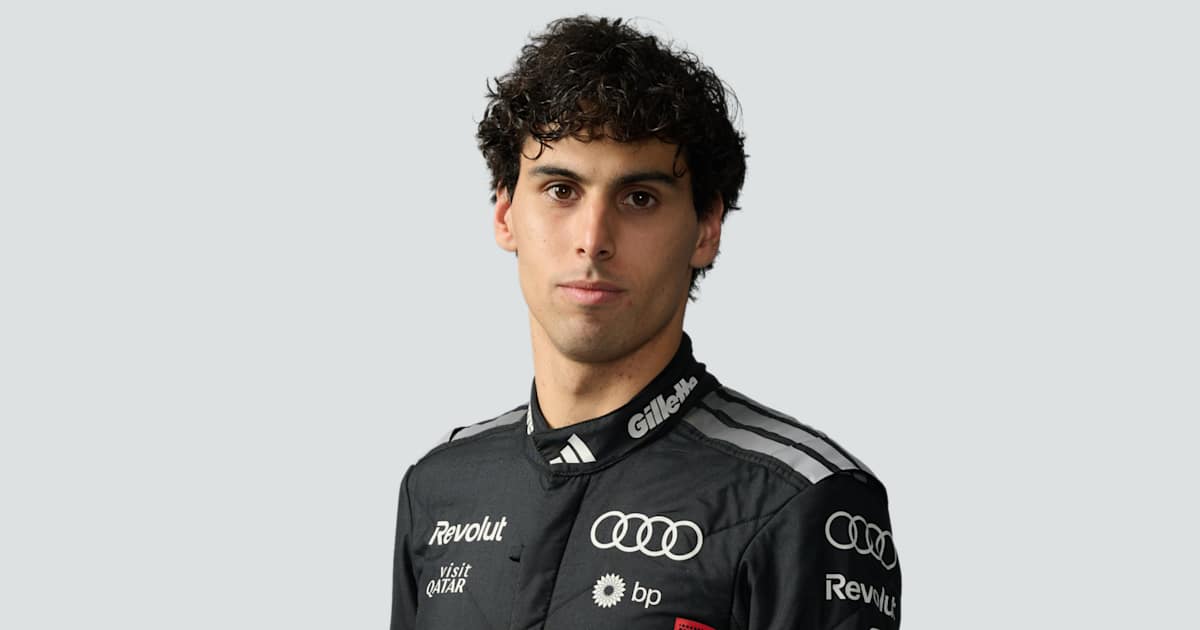
The Brazilian arrived with the heaviest luggage: back-to-back F3 and F2 titles in 2023 and 2024, the first Brazilian racing full-time in F1 since Felipe Massa in 2017, and the weight of leading Audi's first season as a full works team. His answer in Melbourne was ninth place, points in the team's maiden Grand Prix as a constructor. That is a serious debut statement, even if the "true rookie" label does not quite apply after his 2025 season with Sauber. The grade reflects the pressure of the assignment as much as the result. Leading a works project at his age is a different sport from driving for a midfield team, and he has looked like he belongs.
Oliver Bearman, Haas: A
If Lindblad was the story of composure, Bearman was the story of pace. Seventh in Melbourne for Haas, the best finishing position of any driver in this freshman group on opening weekend. Bearman has carried himself all winter like someone who expected this, and the early evidence says the expectation was justified. Haas has a habit of making life difficult for its drivers, which makes a clean, fast, points-scoring opener all the more impressive.
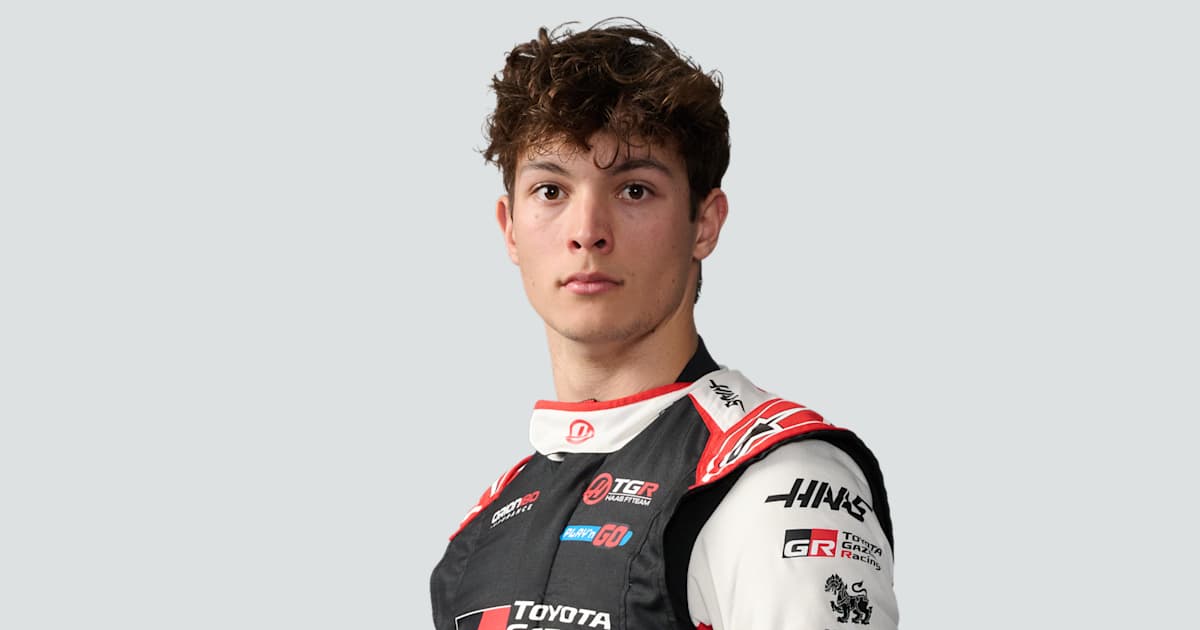
Isack Hadjar, Red Bull: B
The promotion is the story here. Hadjar went from Racing Bulls to the senior Red Bull team over the winter, the move every junior dreams about and most never get. Melbourne was cruel, his car stopping around lap 11 and triggering the first Virtual Safety Car of the season. But China was the response: eighth place, and notably the only points Red Bull scored all weekend. That is how you answer a bad weekend, by dragging points out of the next one while your celebrated teammate leaves empty-handed. The grade says "promising, still calibrating."
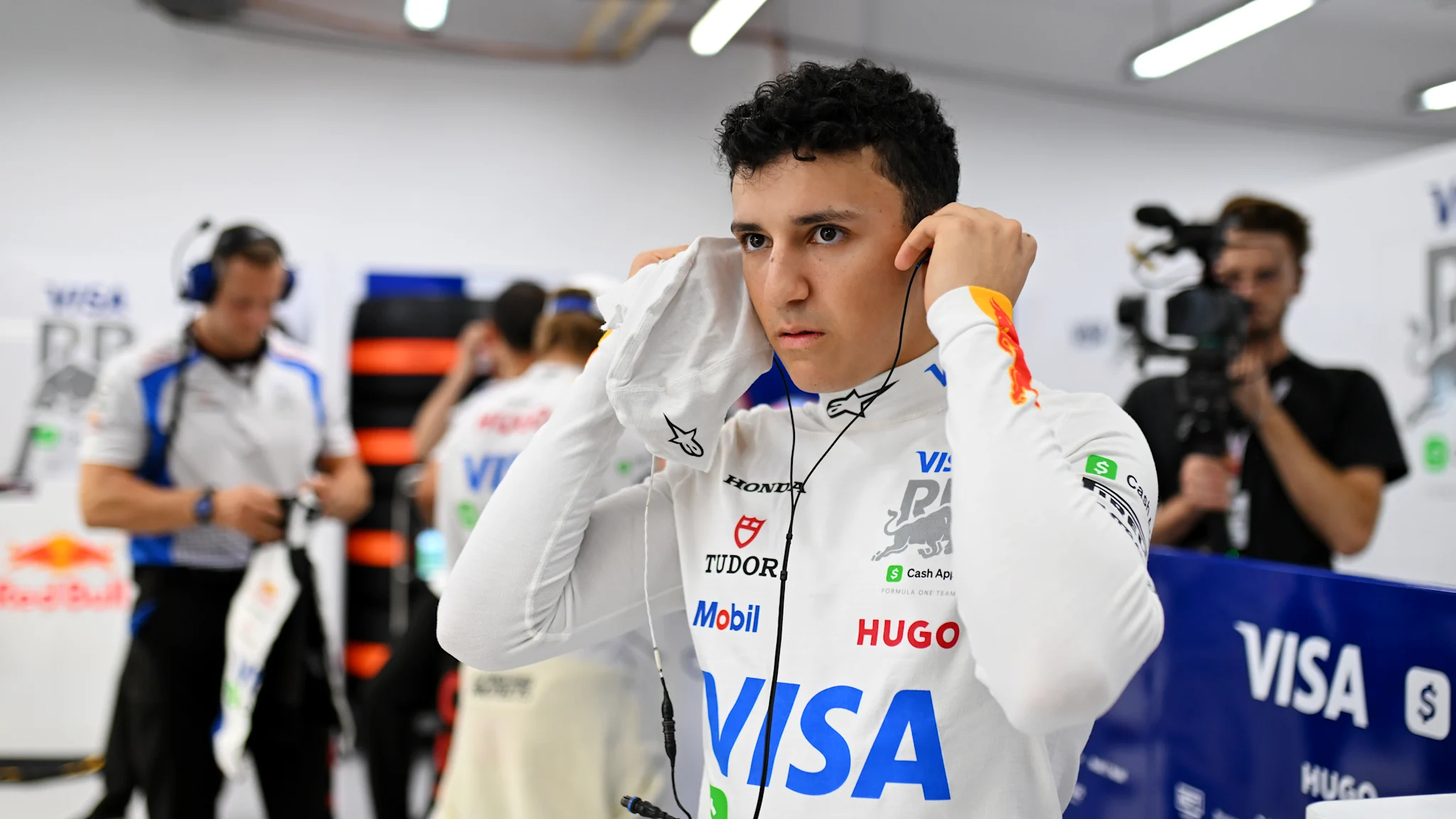
Franco Colapinto, Alpine: Incomplete
The Argentine is embarking on his first full season with Alpine, and two weekends in, he is the quiet one of the class. No signature moment yet, no headline result, just the steady work of learning a team and a car while the spotlight points elsewhere. That is not a criticism. Plenty of fine careers started with quiet Marches. But in a class this loud, the silence is noticeable, and the grade is "ask me again in May."
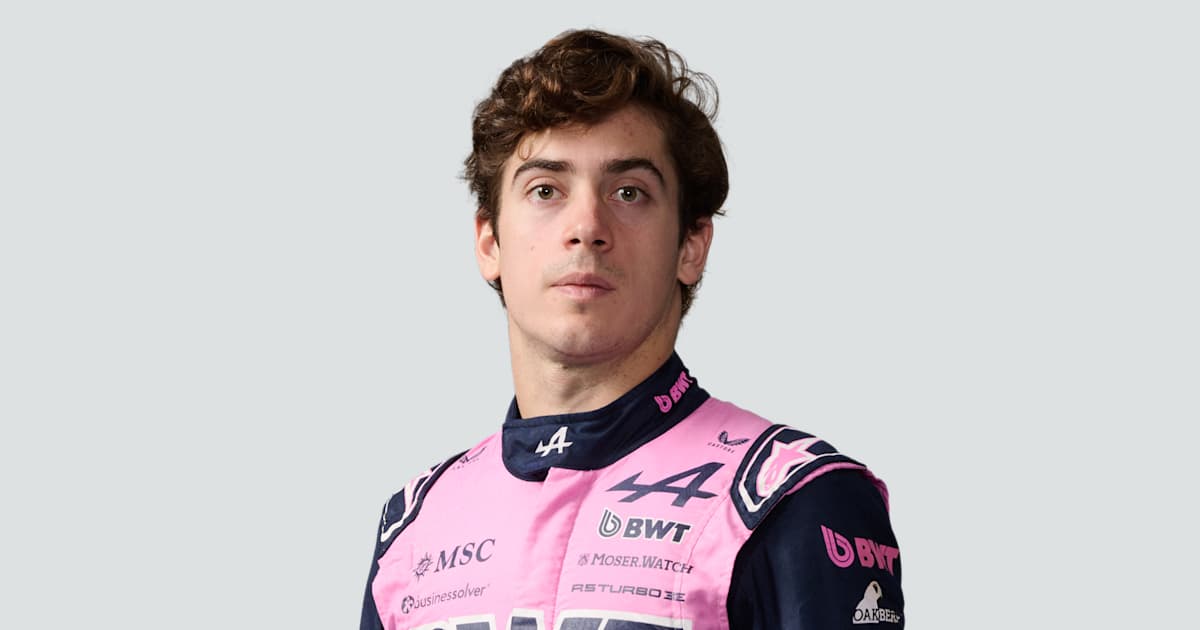
Arvid Lindblad, Racing Bulls: A+
Points on debut. The only true rookie on the grid. A super-license exception. A junior record that made Red Bull promote him without a title. Two weekends in, he has done everything asked of him and nothing he should not have. The plus is for degree of difficulty: new regulations, fragile cars, a fast teammate, and the weird pressure of being the paddock's chosen one. He has worn it all lightly.
What Teams Actually Want from Rookies
A quick note on method before the analysis, because this section is editorial judgment, not reporting. Nobody at Racing Bulls sat me down with a rookie rubric. But talk to enough team personnel over the years, and the rookie brief in a season like 2026 is remarkably consistent, and remarkably unglamorous.
First: finish. The 2026 cars are fast and fragile, new power units with roughly half their output from electrical deployment, active aerodynamics instead of DRS, and nobody fully understands the failure modes yet. Melbourne proved it, with two cars failing to even start and frontrunners tripping over energy management. A rookie who brings the car home every Sunday is giving his engineers something precious: data. Every finished lap is a lap of learning for a team still mapping the new formula.
Second: learn visibly. Teams watch the delta between a rookie's Friday and Sunday. Is the feedback getting sharper? Are the same mistakes repeating? Lindblad's junior reputation was built on exactly this, a steep learning curve that kept steepening, and it is the trait that separates the one-season wonders from the decade-long careers.
Third: stay out of trouble. This sounds simple and is anything but. A rookie in a new-regulations year is driving a car that can bite in unfamiliar ways, in traffic with veterans who are also still learning. The drivers who last are the ones who recognize which battles are worth fighting in March. Points in Melbourne without a single headline-grabbing incident is, by this rubric, close to a perfect rookie weekend.
The Youth Movement Is the Story of 2026
Here is the wider frame, and it is a fun one. Lindblad is not an outlier in 2026; he is the mascot of it. Kimi Antonelli is nineteen and in only his second season, and he has already taken the youngest pole in F1 history in China at 1:32.064, then converted it into his maiden Grand Prix victory, the second youngest winner ever and Italy's first in two decades. George Russell, the veteran of the Mercedes garage at twenty-eight, still leads the championship after China, but the momentum, the headlines, the sheer narrative gravity, all of it belongs to the kids.
This is what a regulation reset does. When the cars change this dramatically, experience depreciates and adaptability appreciates, and nobody adapts faster than a teenager whose entire racing life has been one long exercise in learning new machinery. The veterans will tell you, correctly, that racecraft still matters, that there is no substitute for a hundred Grands Prix of judgment. But in the specific conditions of 2026, youth is not just a marketing story. It is a competitive advantage, and Lindblad is its purest expression: no F1 habits to unlearn, no scar tissue from the old cars, just speed and a very fast learning curve.
Why He Is Worth Your Sundays
So here is the pitch, girly to serious and back again. If you like your sports stories with a little romance, Lindblad is the full package: the baby face, the famous academy, the record-breaking debut, the sense that you are watching the first chapter of something long. If you like your sports stories with substance, he is that too: a genuinely elite junior record, a promotion earned on evidence rather than hype, and two weekends of doing the quiet things right.
The dream, whispered in every Red Bull-adjacent conversation, is the Verstappen path: Faenza to Milton Keynes, the junior team to the senior one, the prodigy to the champion. Lindblad himself would surely wave that away, and he should; the path is his to walk, not to copy. But the comparison is not going anywhere, because the parallels are almost rude in their neatness. Same academy. Same first team. Same teenage super-license saga. The difference is that Verstappen arrived as a comet, all fire and controversy. Lindblad has arrived as something quieter and maybe, in the long run, just as dangerous: the kid who does his homework, keeps his nose clean, and keeps getting faster.
And there is the longer game to consider. Racing Bulls exists for exactly this purpose: to season Red Bull's chosen few in the white heat of Grand Prix racing and find out who can handle it. The roll call of graduates is the most glittering in the sport. Every one of them started where Lindblad is now, anonymous to the casual fan, fascinating to everyone who watches the junior categories. The team knows how to develop a prodigy, and just as importantly, it knows how to protect one, managing expectations while the learning curve does its work.
Two races in, the crush is justified. Check back in the summer, when the novelty fades and the grind begins. That is when we will find out whether the paddock's new favorite is a fling or the real thing. My money, for what it is worth, is on the real thing.
FAQ
Is Arvid Lindblad really the only rookie on the 2026 grid?
He is the only driver making his Formula 1 debut in 2026. Gabriel Bortoleto and Oliver Bearman both raced in F1 during 2025, so while they are still early in their careers, Lindblad is the grid's lone true rookie this season.
How did he get a super-license at seventeen?
The FIA granted him an exception to the super-license requirements, which include a minimum age of eighteen. Those rules were introduced largely in response to Max Verstappen's debut at seventeen in 2015, which makes Lindblad's exception a neat historical rhyme: the rule written because of Verstappen had to bend for his academy's next prodigy.
Who is his teammate at Racing Bulls?
Liam Lawson, who brings Grand Prix experience and a reputation for wringing everything out of a car. It is a genuine benchmark for a rookie, and Lindblad has looked unfazed by it through the opening rounds.
What car number does he race with?
Number 41, for Racing Bulls in the team's 2026 challenger.
Could Lindblad end up at Red Bull one day?
That is the dream the junior program sells, and the path from Faenza to Milton Keynes is the most famous in the sport. But he has started two Grands Prix. The honest answer is that everything is possible and nothing is promised, which is exactly how Red Bull likes it.
A Note on Sources
Driver biographical details, junior career results, and the super-license exception were verified against the official Formula1.com driver profile for Arvid Lindblad, Reuters' September 2026 interview reporting, and Formula 2 championship records. Melbourne and China race results, including Lindblad's eighth place on debut and Hadjar's eighth in China, were cross-checked with official Formula1.com race reports. The freshman grades and the rookie-expectations analysis are the author's editorial judgment, clearly labeled as such, and the historical notes on Bortoleto's junior titles draw on his official Formula1.com biography.