
By Paulina Phan, Senior Editorial Contributor | March 30, 2026
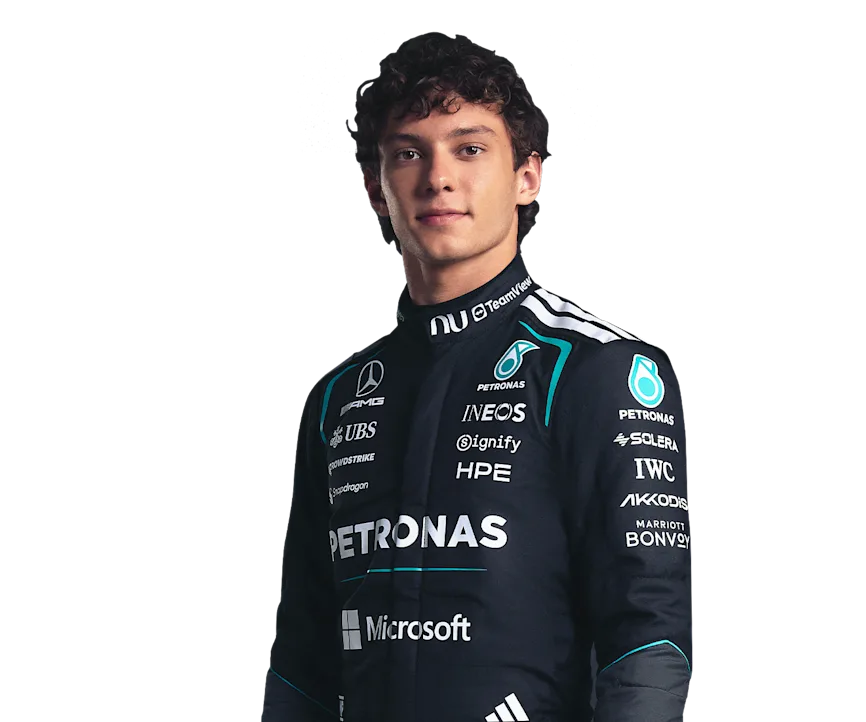
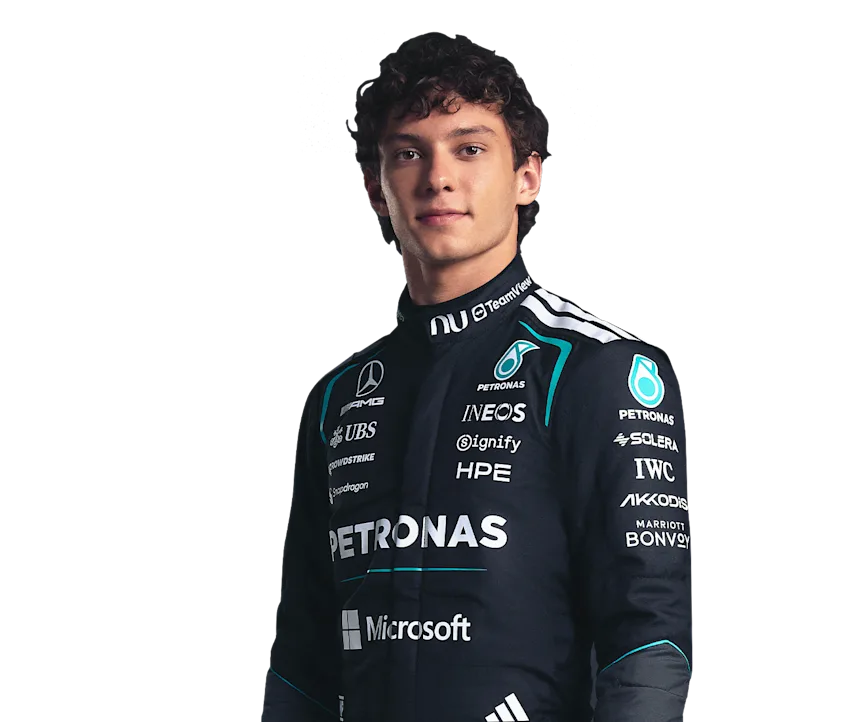
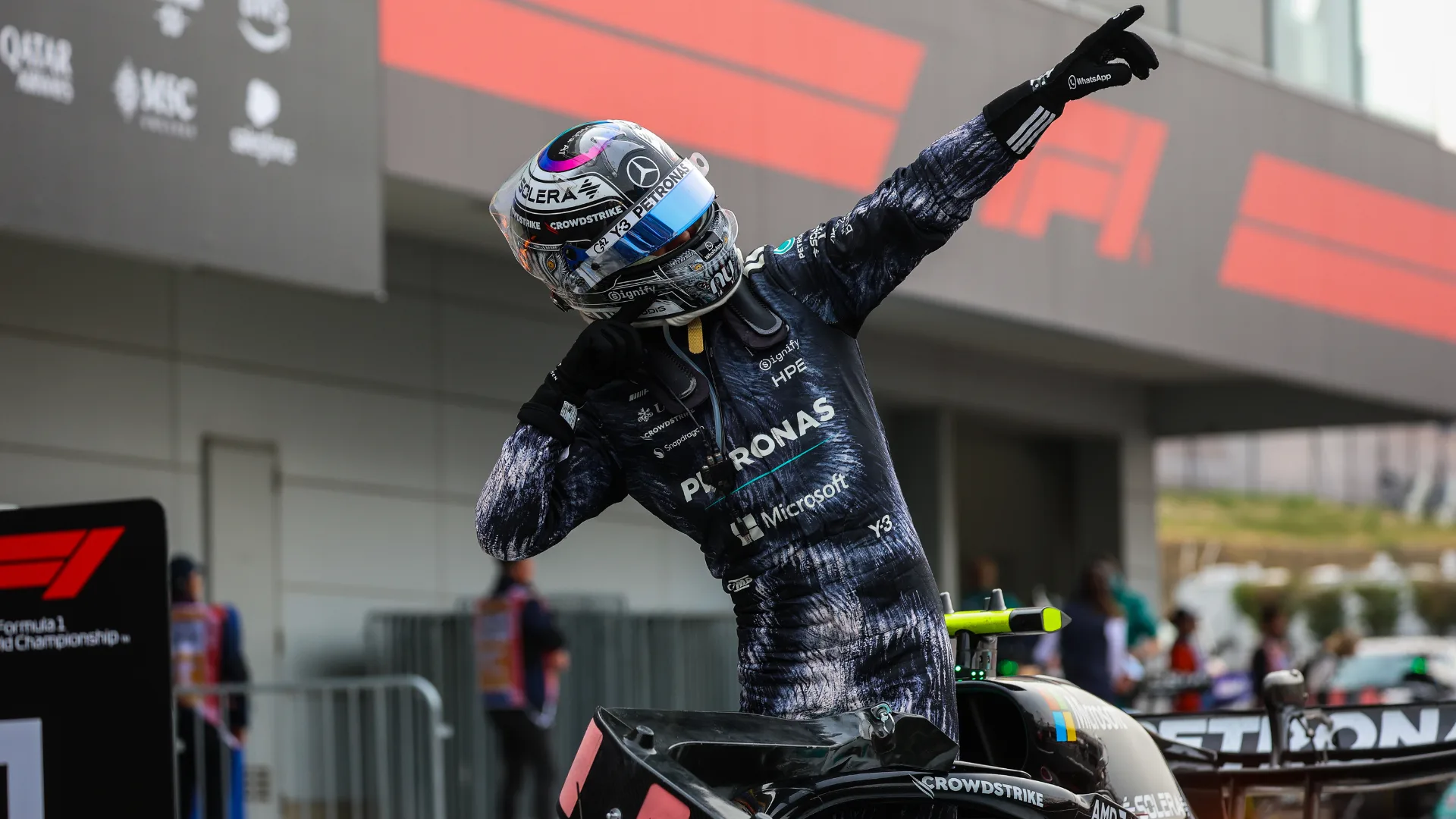
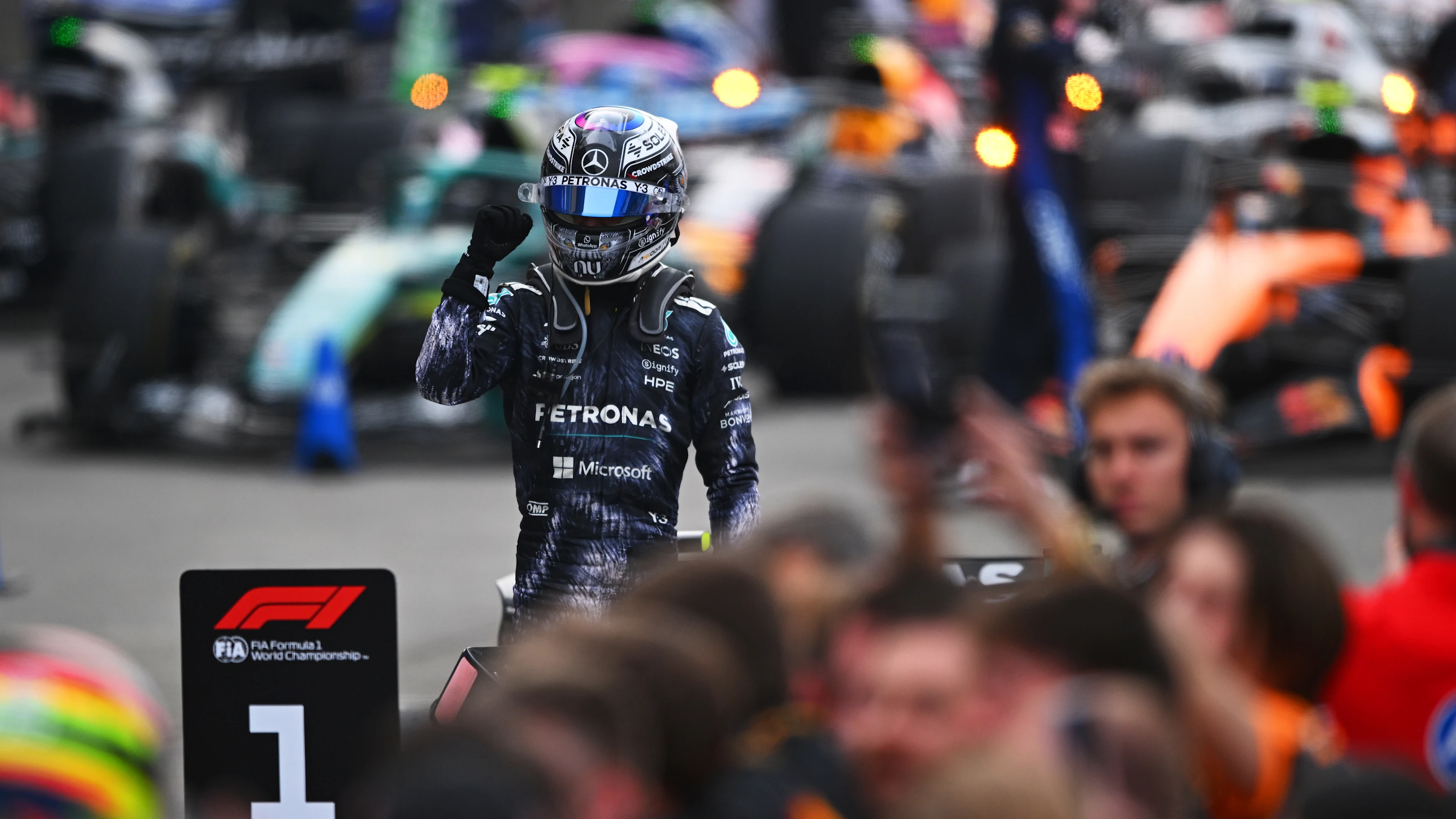
There are weekends that rearrange a season, and then there are weekends that rearrange the record books. Sunday at Suzuka did both. Kimi Antonelli won the Japanese Grand Prix from pole position, his second consecutive victory, and in doing so became the youngest Drivers' Championship leader in the history of Formula 1: nineteen years and two hundred sixteen days old, the first Italian to lead the championship since Giancarlo Fisichella in 2005. He did it on a day when his own start nearly ruined everything, when a frightening crash stopped the race, and when luck, by his own cheerful admission, did some of the heavy lifting. "The safety car definitely made life a lot easier," he said afterward. Honesty like that, at nineteen, is almost as impressive as the driving.
This was a Grand Prix with everything: a disastrous start for both Mercedes, a redemption story for the ages, a fifty-g crash that turned a race into a reckoning, and a championship lead changing hands in front of one of the most passionate crowds in the sport. And then, the strangest part of all: silence. The paddock now faces five weeks with no racing, the longest early-season pause in memory, with the kid from Bologna sitting on top of the world and everyone else left to think about it.
The Short Version
You are busy, so here is everything that mattered, fast.
The podium
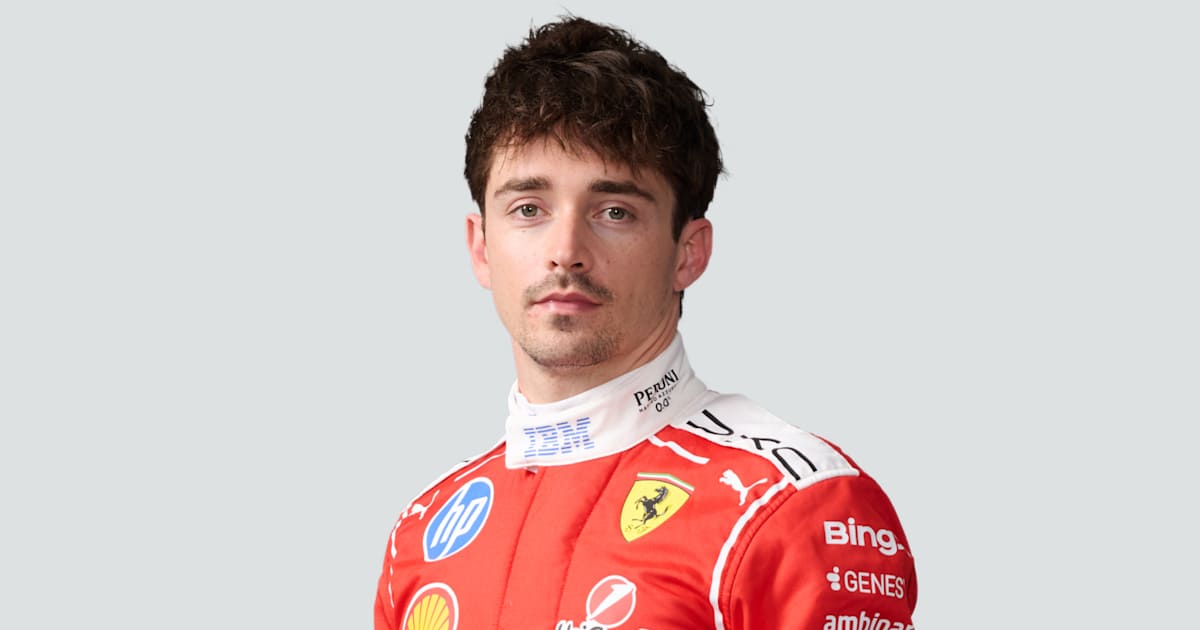
Kimi Antonelli won the Formula 1 Aramco Japanese Grand Prix at the Suzuka International Racing Course on Sunday, March 29, his second straight win after China and the drive that made him the youngest championship leader in F1 history. Oscar Piastri finished second for McLaren, the team's first podium of 2026 and a deeply emotional result after two weekends of misery. Charles Leclerc finished third for Ferrari, holding off George Russell in a late tussle at Turn 1 that decided the final podium spot.
How the grid looked
Saturday was a Mercedes showcase. Antonelli took pole position with a 1:28.778, his second consecutive pole after becoming the youngest pole sitter in history in China, and Russell qualified second to complete a Mercedes front-row sweep. Oscar Piastri lined up third, which mattered enormously about four seconds into the race, as we will see. The stage was set for a Mercedes coronation. It did not go to plan, at least not at first.
Saturday Belonged to Kimi
Two poles in two weekends. Let that sink in. Three weeks ago, Kimi Antonelli had never started a Grand Prix from the front. Now he has done it twice in a row, and the second one came at Suzuka, a circuit that separates the truly quick from the merely fast like few others on the calendar. His 1:28.778 was the class of the field, and with Russell alongside him, Mercedes had the front row locked out for the second time in three races.
There is a particular art to qualifying at Suzuka, all commitment through the Esses, all courage through 130R, and Antonelli is making it look like his natural habitat. At nineteen, in his second season, he is driving with the kind of authority that usually takes years to develop. The paddock has seen teenage speed before; what it has not seen often is teenage speed paired with this level of polish. Saturday was another exhibit in the case for Antonelli as the real thing, and it set up what should have been a straightforward Sunday. Should have been.
The intra-team picture deserves a moment too. Russell qualified second, right where a senior driver should be, and the Mercedes front-row sweep was the team's second in three races. On paper, this is the strongest driver pairing in the sport: the veteran winner and the teenage phenomenon, pushing each other every Saturday. In practice, it is becoming a fascinating psychological contest. Russell leads the championship no longer, as of Sunday, and the dynamic of the garage has shifted. When your nineteen-year-old teammate takes two straight poles and then takes your championship lead, the smiles in the team photo get a little tighter. This is a storyline that will run all season.
The Starts That Went Wrong
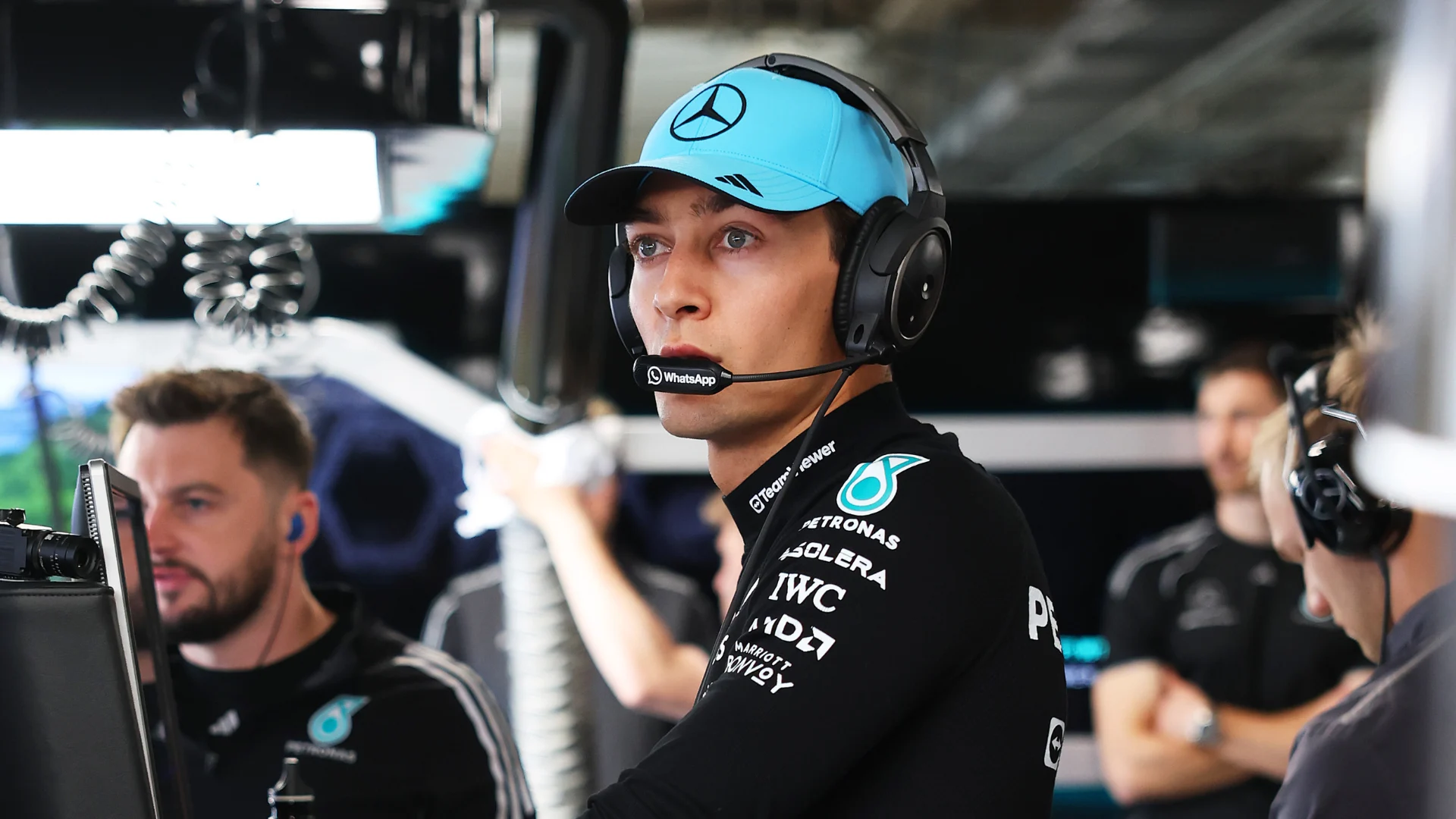
Then the lights went out, and everything Mercedes had built on Saturday nearly collapsed in the first two hundred meters. Antonelli suffered a disastrous launch, dropping from pole to sixth off the line with what the team later identified as a low battery deployment issue. Imagine it: two straight poles, and the second one is immediately undone by the car refusing to give its driver the electrical punch these 2026 machines depend on. Russell did not escape cleanly either, and suddenly the front-row sweep was a memory, with both silver cars buried in the pack and the race running away from them.
This is where Piastri comes in, and this is where the afternoon got its heartbeat. Starting third, the Australian seized the lead into Turn 1, a bold, clean, perfectly judged move, and led the early laps of the race. After everything McLaren had endured, after two weekends of not even making the start, there was Oscar Piastri leading a Grand Prix. The grandstands, which love an underdog almost as much as they love a home hero, responded accordingly. For a few laps, the order of the new era felt gloriously scrambled, and nobody knew quite what would happen next.
What happened next was a slow, grinding Mercedes recovery. Both Antonelli and Russell began working their way back through the field, picking off cars with the kind of measured aggression that the new energy-management formula rewards. It was patient, professional, and quietly ominous. The Mercedes had the pace; the question was whether the race would give it the opportunity. On lap 22, the opportunity arrived in the most frightening way imaginable.
Lap 22: The Crash That Changed Everything
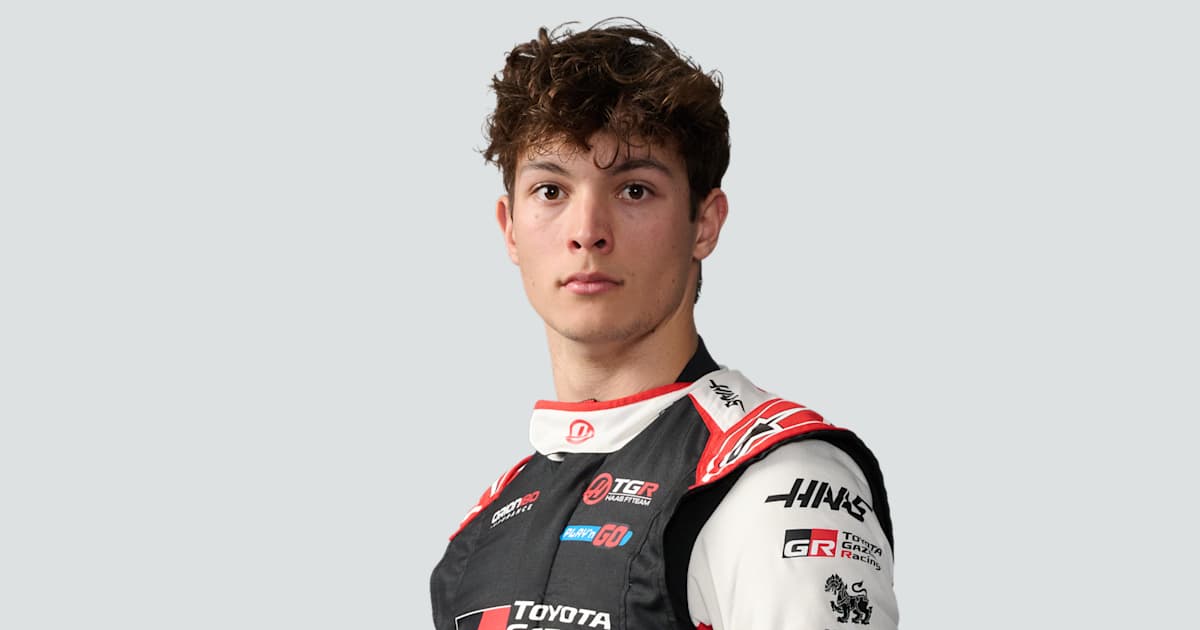
Oliver Bearman's Haas suffered a huge crash at the Spoon hairpin on lap 22, an impact recorded at fifty times the force of gravity. The numbers alone tell you how violent it was. Bearman was diagnosed with a right knee contusion, mercifully with no fractures, but the accident stopped the race cold and sent the safety car out at the precise moment that decided the Grand Prix.
Here is the cruel mathematics of timing. When the safety car emerged, Antonelli was the only one of the leaders who had not yet pitted. He dived in for what amounted to a free stop, taking fresh tires at almost no cost, and reemerged in the lead. Russell, by contrast, had pitted one lap earlier, one single lap, and watched the entire advantage evaporate. He fumed at the timing over the radio, and who could blame him. One lap. The difference between controlling the race and chasing it was one lap and a safety car.
From there, Antonelli did what champions do with a gift: he made it look inevitable. He controlled the restart, managed the gap, and crossed the line 13.722 seconds clear, a margin that flattered the chaos behind him. Behind him, the fight for the final podium spot produced the afternoon's best wheel-to-wheel racing, with Leclerc denying Russell third place in a late tussle at Turn 1. Russell, who had every reason to believe the win was his after the early recovery, ended up fourth, fuming at the timing and at the Ferrari that would not be moved. Sometimes Formula 1 is a meritocracy. Sometimes it is a lottery with a fifty-g trigger.
Piastri's Redemption
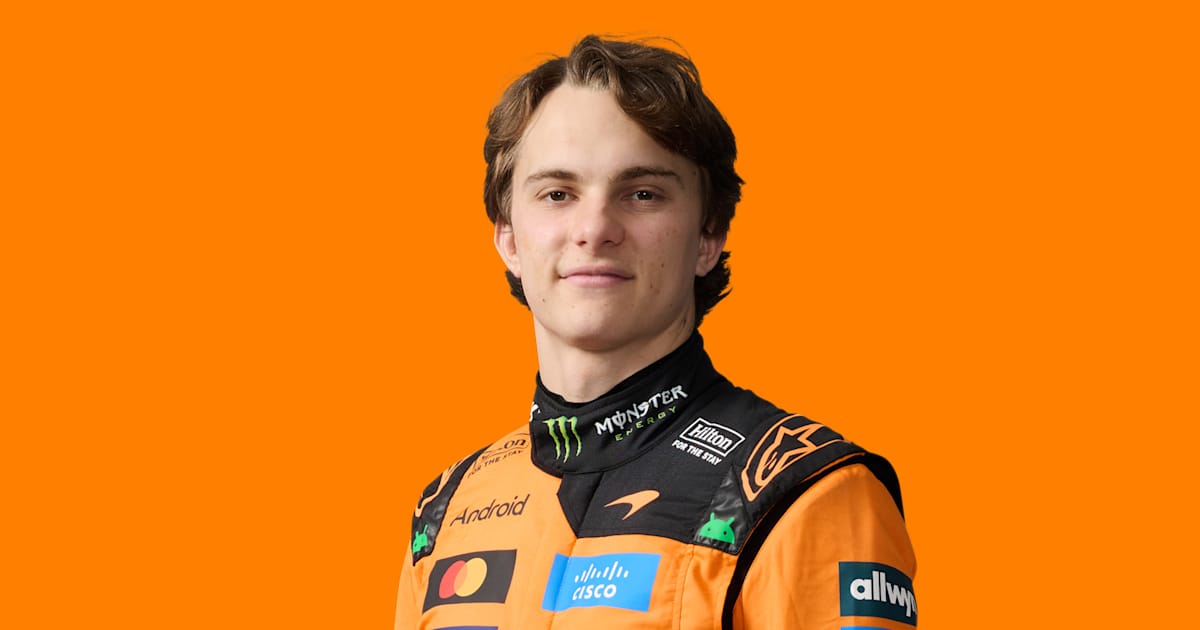
If Antonelli's day was about destiny, Piastri's was about relief, and relief might be the more powerful emotion. Consider what the Australian had endured. In Melbourne, his home race, he crashed on his out-lap to the grid and never started. In China, his McLaren suffered an electrical failure and was wheeled off the grid before the lights went out. Two rounds, zero racing laps, a season that existed only in theory. Suzuka was his first actual start of 2026.
And what a start. Seizing the lead into Turn 1 from third, leading the early laps, and then holding on through the safety car chaos to finish second, McLaren's first podium of the season. When he said afterward, "Turns out we're alright once we start," the understatement carried the weight of three weeks of frustration. He added: "for us at this point to be disappointed about finishing second, is a pretty good place to be." That is the sound of a team remembering who it is.
There is a larger point here about McLaren. This is the team that has looked cursed in 2026, with electrical gremlins striking both cars in China and a star driver who could not buy a racing lap. A podium does not fix the underlying fragility, but it changes the conversation inside the garage. It gives the engineers evidence that the car underneath the failures is genuinely quick. Piastri led this race on merit in the opening stint, before strategy and the safety car intervened. McLaren needed that proof of concept almost as much as it needed the trophy.
And spare a thought for what those early laps meant to the people watching. Piastri is one of the most popular drivers in the sport, precise, dry-witted, and quietly ruthless, and his misfortunes had become the season's saddest subplot. When he swept into the lead at Turn 1, the cheer that went up was not just for a pass. It was relief, the collective exhale of everyone who had watched a fine driver endure a miserable month. Sports give us these moments to remind us why we care about the people inside the helmets. Sunday gave McLaren its season back, or at least the beginning of one.
The Record Books
Let us dwell on the history, because it deserves dwelling on. At nineteen years and two hundred sixteen days, Kimi Antonelli is now the youngest Drivers' Championship leader in Formula 1 history. He is also the first Italian to lead the championship since Giancarlo Fisichella in 2005, ending a drought of more than two decades for one of the sport's most passionate fanbases. Two wins in a row. Two poles in a row. A championship lead. In March.
The Italian dimension of this story cannot be overstated. Italy is Ferrari's country, the tifosi's country, a place where racing is closer to religion than sport. For an Italian teenager to be leading the world championship, in a Mercedes, while Ferrari's hopes rest on a Monegasque and a Briton, is one of those delicious ironies that makes this sport so endlessly entertaining. The celebrations in Italy on Sunday night were reportedly joyous. They should enjoy it. Leads like this, at this age, do not come with guarantees.
And there was something refreshing about Antonelli's own assessment. Drivers are trained from childhood to credit the team, the car, the strategy, everything except fortune. Antonelli credited fortune. "The safety car definitely made life a lot easier." It is true, it is obvious, and it is rare to hear it said so plainly. The kid is fast, he is mature, and he is honest. The championship lead is in good hands.
The Crash That Started a Revolt
But we need to talk about the Bearman crash, because the paddock is talking about little else, and the conversation goes far beyond one accident. The fifty-g impact at Spoon has become the flashpoint for a driver backlash over the 2026 regulations that has been building since testing. The specific concern is the straight-line speed differences under the new energy boost systems, gaps of thirty to fifty kilometers per hour between cars deploying at different moments, which drivers say creates closing speeds and maneuvers that feel dangerous.
Franco Colapinto put it most bluntly, calling the maneuvers "artificial and dangerous." He is not alone in the sentiment, even if he was the most quotable. The drivers' argument, in essence, is that the new formula has introduced a kind of racing that looks exciting on television but feels wrong from the cockpit: cars suddenly gaining or losing huge chunks of speed on straights, defensive moves that rely on energy states rather than skill, and closing rates that leave no margin when something goes wrong. A fifty-g crash concentrates the mind wonderfully, and the mind of the paddock is now concentrated.
This is the shadow over the new era. The 2026 rules were designed to improve racing, and in many ways they have: the field is closer, the strategies are varied, the racing is unpredictable. But if the drivers lose faith in the safety of the formula, the sport has a problem that no amount of close finishes can fix. Expect this conversation to dominate the five-week break. The FIA will be under pressure to respond, and the drivers, newly organized and newly vocal, will not let it drop.
A footnote on the home heroes: it was a mixed afternoon for Honda at its home race. Lance Stroll retired, and Fernando Alonso finished a lap down in eighteenth, a quiet end to a weekend that had promised more. The Japanese crowd deserved better from the home power unit, and the Aston Martin garage knows it.
The Strange Quiet
And now, the weirdest part. The paddock leaves Suzuka and does not race again for five weeks. There is no Grand Prix in April: the Bahrain Grand Prix, scheduled for April 12, and the Saudi Arabian Grand Prix, scheduled for April 19, were both cancelled due to the ongoing Middle East conflict. The next race is the Miami Grand Prix on May 3.
Think about what that means for the psychology of the season. Antonelli goes home as the youngest championship leader in history, and then waits. Five weeks to think about it, five weeks for the rivals to analyze every lap of his Suzuka recovery, five weeks for Mercedes to wonder about the battery deployment gremlin that nearly cost him the race. Momentum in Formula 1 is usually a week-to-week phenomenon; now it has to survive a month of silence. Some drivers will love the reset. Others will find the waiting unbearable.
For the rest of us, the break is a chance to absorb what has happened. Three races, three different winners? No: Russell in Melbourne, Antonelli in China and Japan. A Mercedes lock on the season so far, but a fragile one, built on poles and recovery drives rather than dominance. A McLaren that finally has a podium. A Ferrari that keeps showing up in the podium fight. A Red Bull that cannot buy consistency. And a teenager leading the world championship while his rivals do the math.
The factories will not be idle, whatever the calendar says. Five weeks without racing is five weeks of development, and in a new-regulations year, development is everything. Expect upgrade packages to appear in Miami that were conceived in the debriefs of Suzuka. The teams that use the silence well, Mercedes fixing its launch gremlins, McLaren curing its electrical ghosts, Ferrari finding whatever it is missing, will define the next phase of the season. The break is only quiet on television. In the factories, it will be deafening.
The math, for the record, is simple: Antonelli leads, and everyone else is chasing. When the circus reconvenes in Miami, the chasing starts in earnest. Until then, the quiet. Formula 1 has never had a five-week pause quite like this, at quite this moment, with quite this story at the top of the standings. Savor it. The noise will return soon enough.
FAQ
How did Kimi Antonelli become the youngest championship leader in F1 history?
By winning the Japanese Grand Prix, his second consecutive victory after China. At nineteen years and two hundred sixteen days, he took the championship lead, becoming the youngest leader ever and the first Italian to lead since Giancarlo Fisichella in 2005.
What happened in Oliver Bearman's crash?
Bearman suffered a huge crash at the Spoon hairpin on lap 22, with the impact recorded at fifty times the force of gravity. He sustained a right knee contusion but no fractures. The safety car that followed handed Antonelli, the only leader yet to pit, a cheap stop that decided the race.
Why did George Russell finish fourth after such a strong recovery?
Russell had pitted one lap before the safety car emerged, so he gained nothing from it while Antonelli gained everything. He then lost third place to Charles Leclerc in a late tussle at Turn 1, leaving him fourth and frustrated at the timing.
When is the next race after Suzuka?
There is no racing in April. The Bahrain and Saudi Arabian Grands Prix were cancelled due to the Middle East conflict, so the next round is the Miami Grand Prix on May 3, after a five-week break.
A Note on Sources
Race results, the pole time of 1:28.778, the winning margin of 13.722 seconds, and the championship record (nineteen years, two hundred sixteen days) were verified against official Formula1.com race reports. Details of Bearman's crash, including the fifty-g impact figure, the right knee contusion, and the absence of fractures, are as reported in official race coverage. Driver quotes from Antonelli, Piastri, and Colapinto are as reported by Formula1.com and international newswires. The April cancellations and the May 3 Miami date are confirmed by the official 2026 calendar record.