
By Paulina Phan, Senior Editorial Contributor | April 27, 2026
Five weeks. That is how long Formula 1 has been away, and honestly, the timing could not be better for a comeback. The sport returns on May 3 with the Miami Grand Prix, and it is returning with everything: a sprint weekend, new rule tweaks making their debut, an upgrade package from McLaren, a Mercedes team that has taken every single pole this season, and a brand-new American team racing on home soil for the very first time. If you only watch one race this spring, make it this one. Actually, do not do that. Watch them all. But definitely watch this one.
The Wait Is Over
Let us start with the obvious: it has been five weeks since cars last raced, back in Japan in late March. In Formula 1 terms, that is an eternity. Drivers have been training, teams have been building, and fans have been refreshing their feeds with increasing desperation. The break is finally over, and the paddock lands in Florida for round four of the 2026 season.
Why Miami matters
Miami is not just another race. Since joining the calendar in 2022, the Miami International Autodrome, wrapped around Hard Rock Stadium, has become Formula 1's loudest American statement: the fake marina, the celebrity grid, the heat, the chaos. It is the race that most looks like what outsiders imagine Formula 1 to be, and the drivers secretly love it for exactly that reason. It is also, crucially, the first race back after the break, which means every team arrives with answers to questions they have been asking themselves for five weeks. Whoever did the best homework in April gets the first word in May.
New Rules, First Test
There is an extra layer of intrigue this weekend: the rule tweaks announced on April 20 make their competitive debut in Miami. Every team has spent the break studying them, simulating them, and figuring out how to bend them to their advantage, but nobody has raced under them yet.
What debut weekend means
Here is the thing about rule changes in Formula 1: the team that understands them fastest usually wins the weekend. It does not matter how good your car is in theory. When new regulations or tweaks land, the first race under them is always a little bit chaotic, because twenty cars hit the track with twenty different interpretations of what is allowed. Miami's sprint format compresses that learning curve even further. One practice session, then straight into competitive running. The engineers who did their homework in April will be smiling. The ones who did not will be sweating through their team polos by Friday afternoon.
This is also where experience pays. Veteran drivers who have lived through regulation changes before know how to feel out the edges of new rules without falling off them. Rookies and the impatient will find out the hard way. Expect at least one team to arrive with a clever interpretation that has everyone else scrambling to copy it by Sunday. That is the Miami way.
Sprint Weekend, Maximum Chaos
Miami is a sprint weekend, which means the format is compressed, the stakes are higher, and there is very little room to hide.
How the weekend works
For anyone new to the sprint format, here is the short version. Friday features an extended 90-minute practice session followed by sprint qualifying. Saturday brings the sprint race itself, a short dash for extra points, followed by qualifying for Sunday's Grand Prix. Then Sunday is the main event. It is three days of nearly nonstop competitive action, and for the teams, it means setup decisions have to be right almost immediately. There is no lazy Friday of long-run data gathering. You get one real practice session to figure out the car, and then you are racing for points.
The sprint also changes the psychology of the weekend. A bad Friday no longer just costs you track time. It costs you starting positions, points, and momentum. A good Friday, on the other hand, can set the tone for everything that follows. For a team like McLaren, arriving with upgrades they have not raced yet, the sprint format is both an opportunity and a risk: nail the setup early and you look like geniuses, or spend Saturday learning lessons in public.
Mercedes' Perfect Saturdays
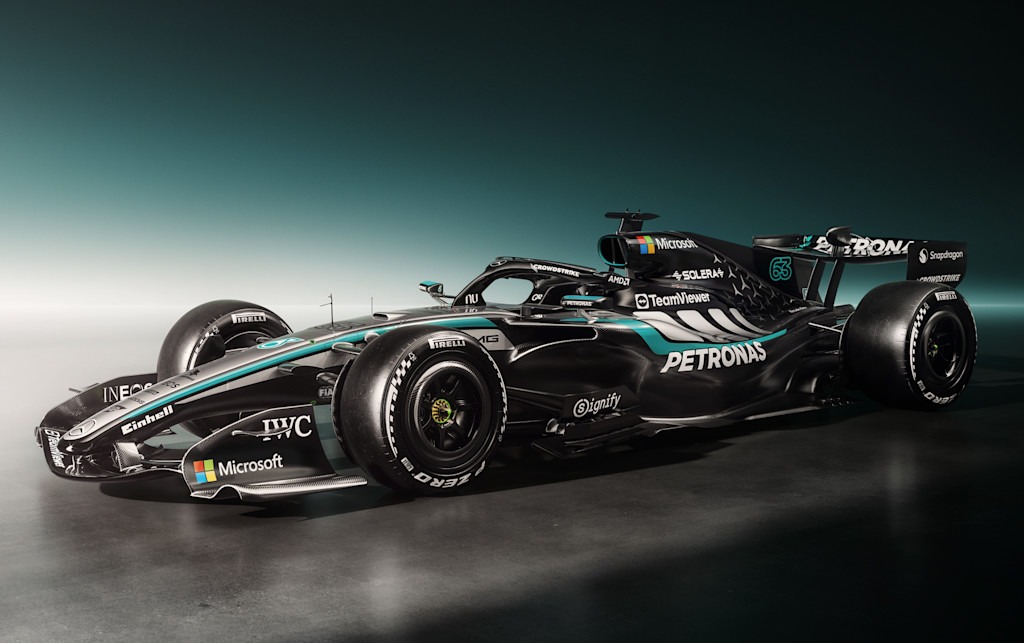
Now to the storyline that has defined the season so far. Mercedes has taken every pole position in 2026. Every single one. Australia, China, Japan: all silver at the front when it matters most on Saturday.
The pole streak
Stop and appreciate how hard that is. Pole position in the modern era is about thousandths of a second, about nailing three perfect sectors on one lap while nineteen other drivers try to do the same. To sweep every qualifying session of the season so far means the W17 is not just fast. It is fast everywhere: the high-speed sweeps, the slow corners, the street-circuit walls of Miami's stadium section. Whoever lines up on Saturday in Florida, the smart money says there will be a silver car at the front of it.
Antonelli leads the way
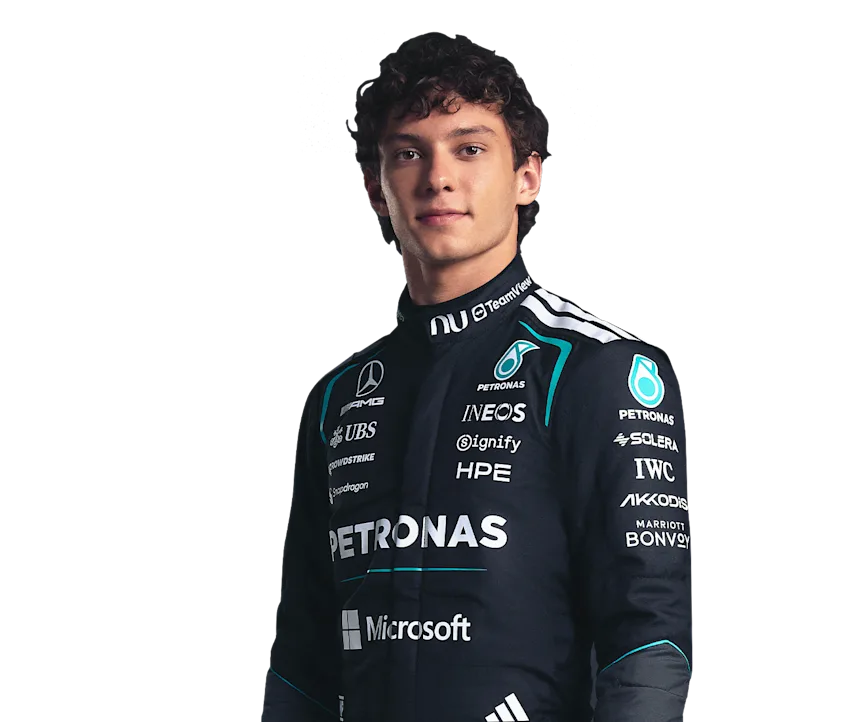
And leading the championship is Kimi Antonelli, the young Italian who has taken to the new regulations like they were written for him. Championship leader after three rounds, poles, wins, the whole package. There is a poise to the way he has handled the pressure so far that belies his age, and Miami is exactly the kind of weekend that tests it: heat, hype, a sprint, and a teammate who will not make it easy.
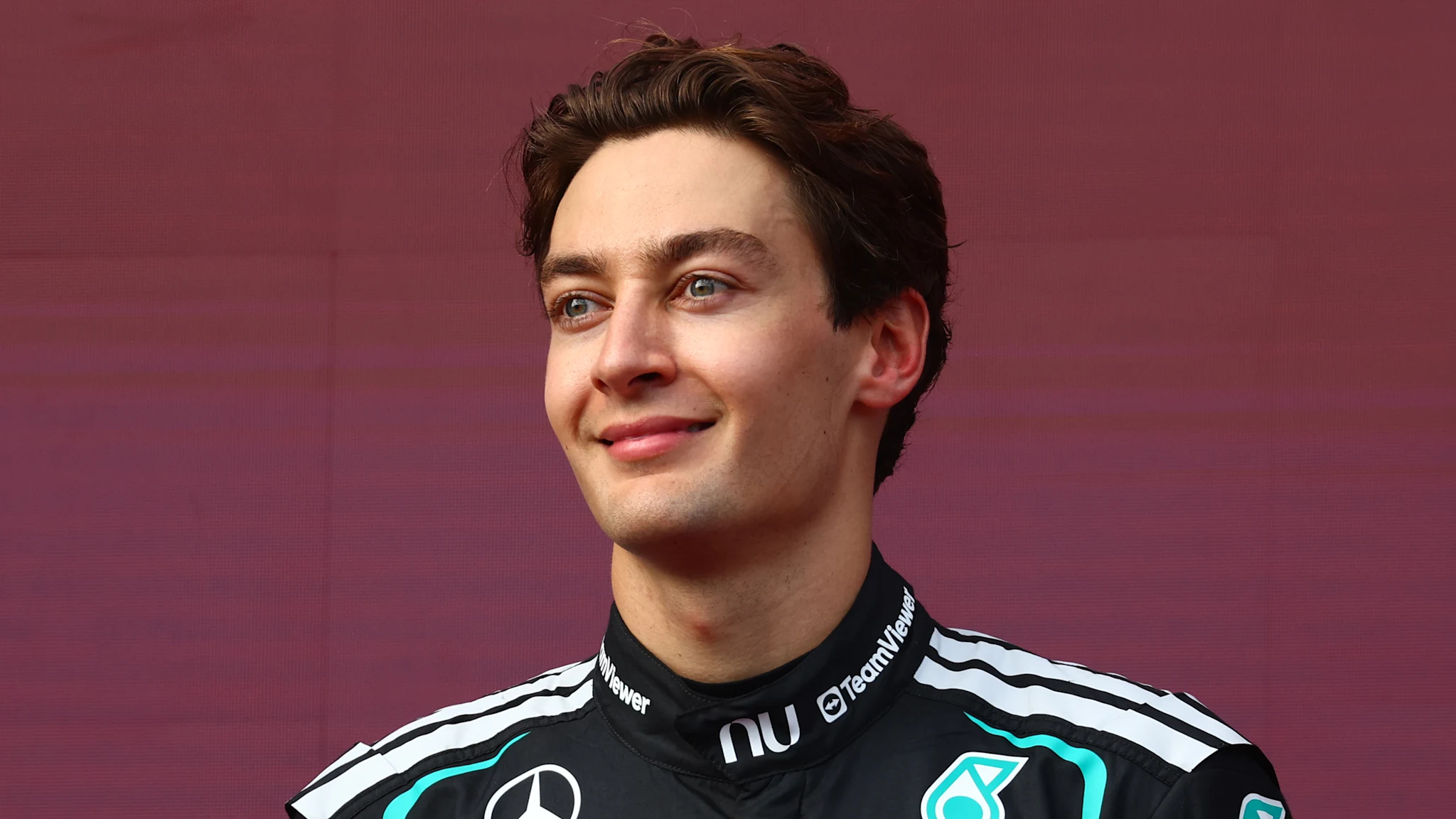
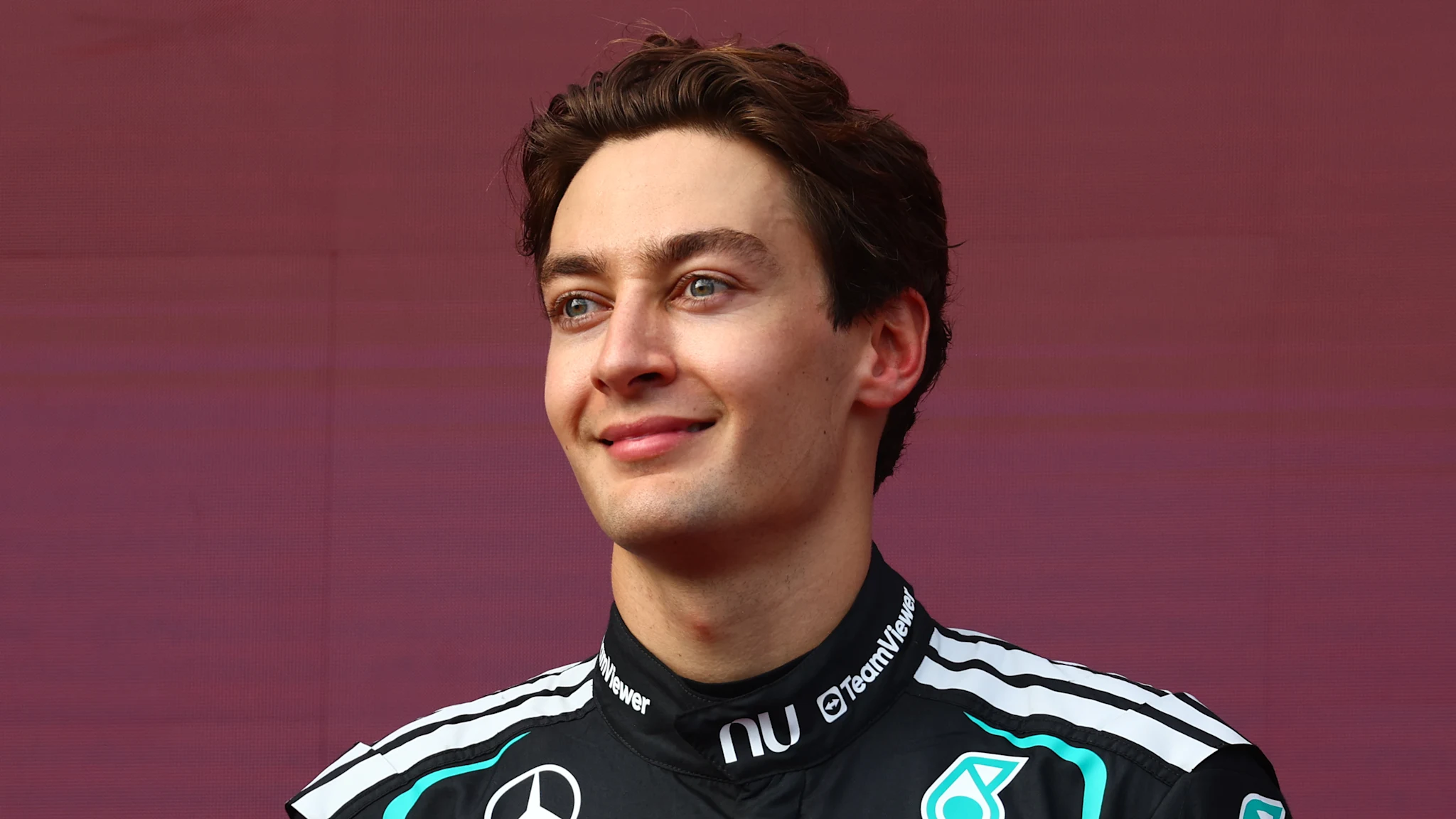
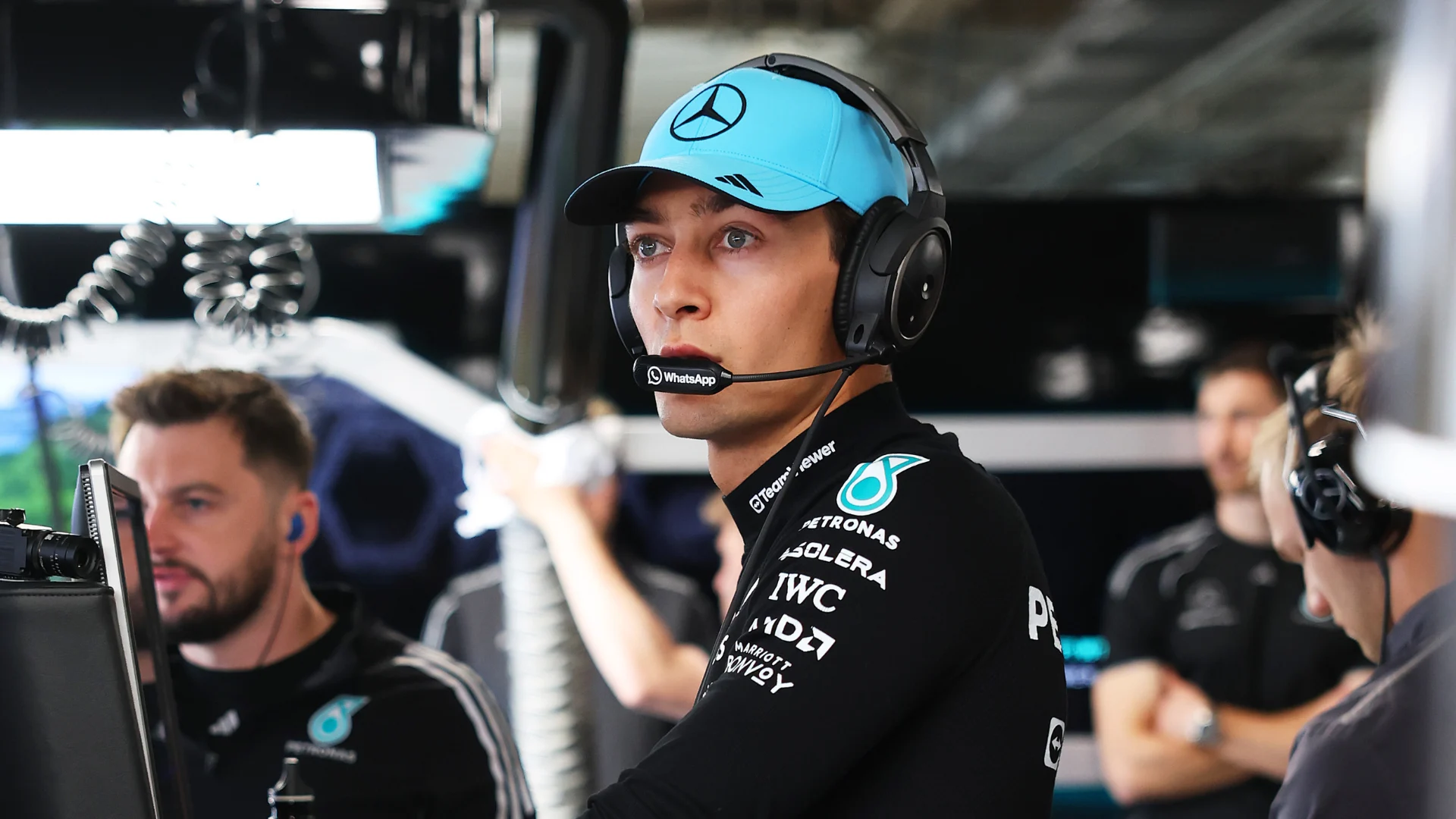
Because here is the subplot: George Russell. Fast, experienced, and surely tired of watching his younger teammate get the headlines. Russell has been there or thereabouts all season, and a street circuit like Miami, with its walls and its rhythm, is the kind of place where experience counts. The intra-team battle at Mercedes might be the most fascinating fight of the weekend, even if neither of them wins the race. Teammates are always each other's truest benchmark, and in Miami, with the whole world watching, neither will want to be second best in silver.
McLaren's Answer
If Mercedes has owned Saturdays, the question hanging over Miami is who owns the rest of the weekend. McLaren thinks it might be them, and they are bringing the evidence: an upgrade package, developed through the five-week break, debuting in Florida.
What upgrades can do
Upgrades are the lifeblood of a Formula 1 season, and the first big package of the year is always a moment. McLaren has had five weeks to design, build, and correlate new parts, which in modern F1 terms is a luxury. The break gave every team time, but McLaren is the one making the noise about it, and in this sport, teams only talk about upgrades when they believe in them.
The key word is correlation: does the part do on the track what the wind tunnel said it would do? Get that right and you can find half a second overnight, which in 2026 is the difference between fighting for podiums and fighting for points. Get it wrong and you spend the weekend confused, which is worse than not upgrading at all. Miami's single practice session makes correlation even more critical. McLaren has essentially one hour and thirty minutes on Friday to find out whether five weeks of work was worth it.
The chasing pack
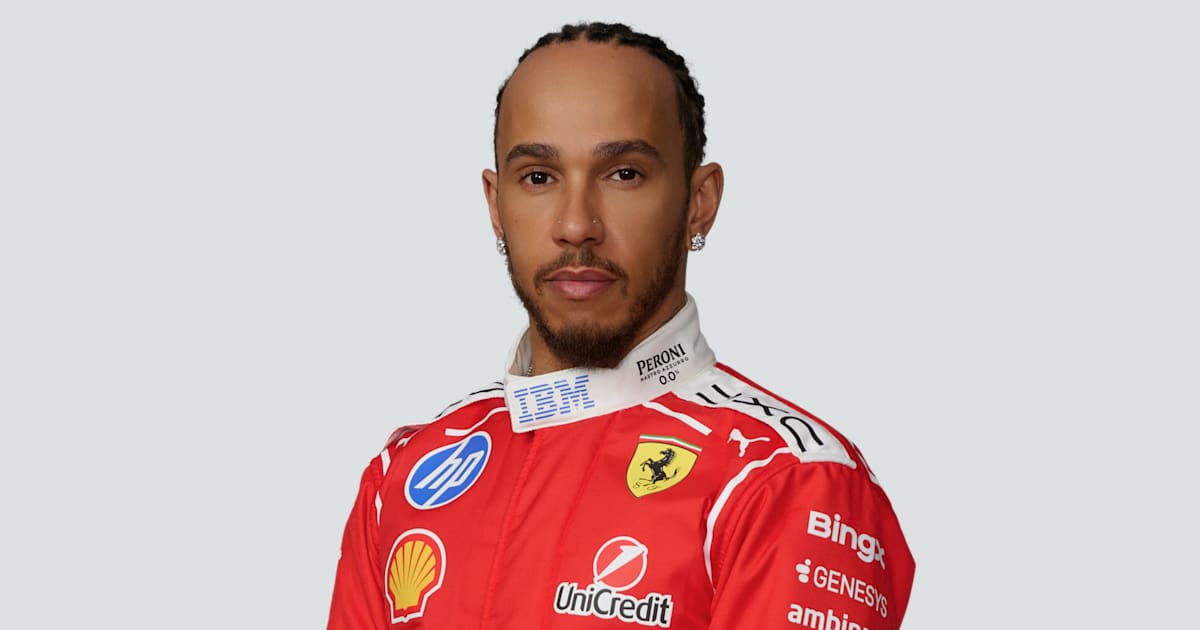
McLaren is not alone in hunting Mercedes, of course. Ferrari spent the break in full reset mode, treating April as a second pre-season, and arrives in Miami needing to show it worked. Red Bull, in the first year of its Ford power unit partnership, is still finding its feet but always dangerous. And do not sleep on the midfield: with new regulations, the gaps are closer than they look, and a sprint weekend is exactly when a well-prepared smaller team can steal a march. Miami has a habit of producing surprises. The heat, the track surface, the walls: it all adds up to a weekend where the form book is more of a suggestion.
Cadillac's Homecoming
But the real romance of this weekend belongs to the new kids. The Miami Grand Prix is Cadillac's first home race, and the American team is treating it like the moment it is.
The Miami Headquarters
Cadillac is going big. For the entire weekend, the team is transforming Jungle Plaza in Miami's Design District into the "Cadillac Formula 1 Team Miami Headquarters," a free-to-enter fan hub running on Saturday, May 2 and Sunday, May 3. We are talking racing simulators, exclusive team merchandise with Tommy Hilfiger, local Miami food vendors including Chug's Diner, Kween Patty's, Navi, and Wolf of Tacos, nail art, live music, and Jim Beam cocktails. Sergio Perez is scheduled to appear on Saturday evening, after the sprint and qualifying. Fans can even watch the race live on Apple TV from the plaza.
"There is no better place than Miami to celebrate the Cadillac Formula 1 Team's first race in the United States," said Tyler Epp, the team's global head of commercial strategy. "As the home team, our goal is to deliver action directly to the heart of Miami and bring fans together. We're building this journey from the ground up, and we want the community right there with us."
Read that again: "from the ground up." Cadillac joined the grid this year as the 11th team, with the experienced pairing of Sergio Perez and Valtteri Bottas, Ferrari power, and team principal Graeme Lowden leading the operation. It has been a characteristically tough start for a new team: tenth in the constructors' standings, still chasing its first points, with Bottas's 13th place in China the highlight so far. But none of that matters this weekend. What matters is that an American team, with an American badge, is racing in America for the first time, and it has decided to throw a party for the whole city.
Why it matters
Here is the thing about Cadillac's Miami takeover: it understands something fundamental about what Formula 1 is becoming in America. The sport's US boom is not just about TV numbers. It is about culture, about showing up in the Design District with simulators and tacos and making people feel like this is their team. Perez, who lives in South Florida, gets a genuine home race. Bottas gets to play the affable veteran in front of a crowd that already loves him. And for every kid who tries the simulator at Jungle Plaza this weekend, Cadillac is planting a flag that says: we are not just visiting. We are home.
The racing will be hard. Points are still the goal, and they will not come easy against established teams. But Cadillac's first home Grand Prix was never just about Sunday afternoon. It is about the beginning of a story, and Miami is exactly the right place to start telling it.
The Track That Bites Back
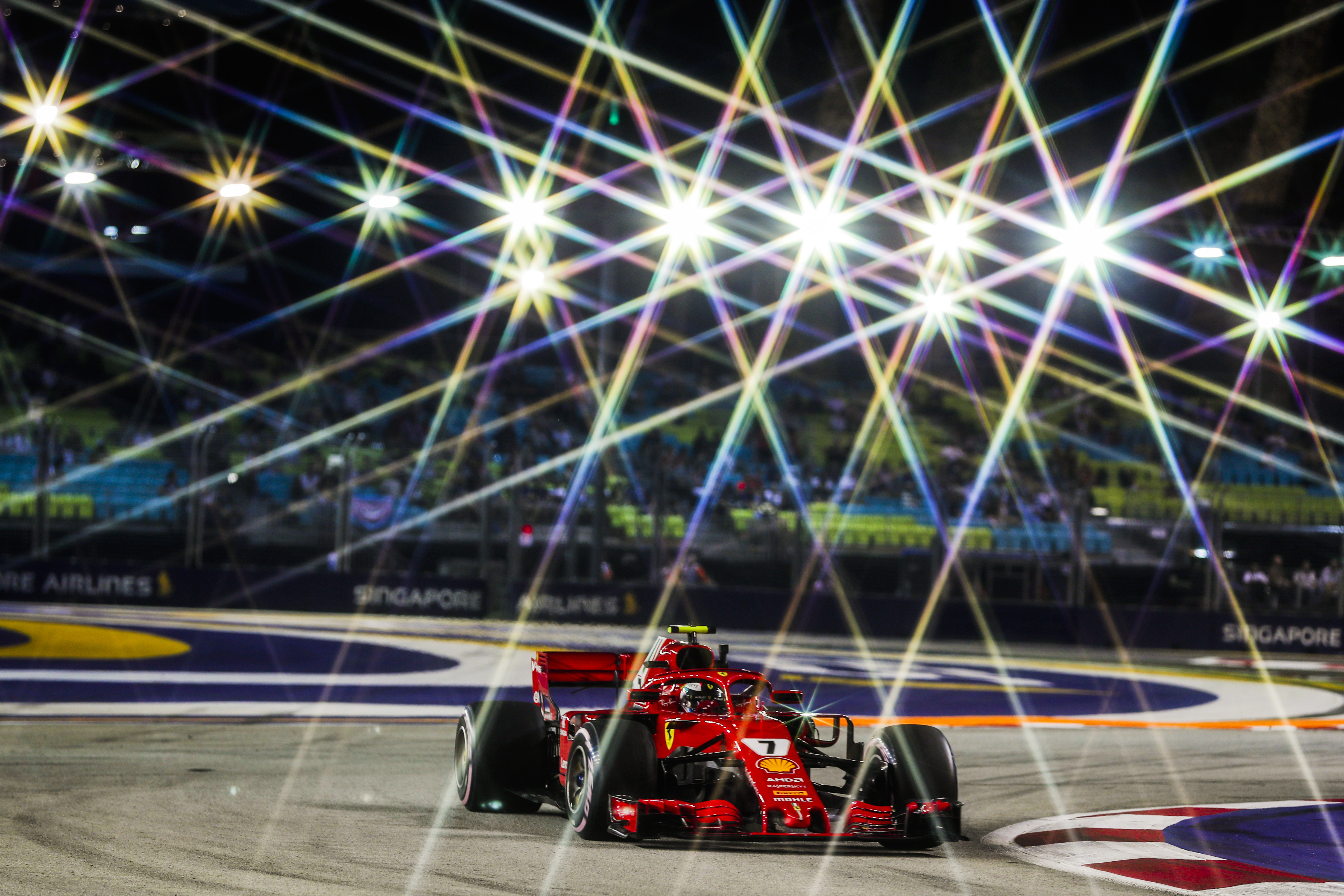
For all the talk of parties and plazas, Miami is a proper racing circuit, and a tricky one. The Miami International Autodrome is 5.412 kilometers of contradictions: long straights that reward power, then a tight, twisty stadium section that punishes it.
A lap of two halves
The lap starts fast and flowing, with high-speed sweeps where the 2026 cars, with their active aerodynamics and near 50:50 split between combustion and electric power, will be flat out and spectacular. Then comes the stadium section: slow, technical, walled in, the kind of corners where qualifying laps are won and lost by centimeters. It is the section the drivers talk about most, because it is the section that demands the most. Get the rhythm right and you carry speed through the whole complex. Get it wrong and the lap is gone, with a wall waiting to remind you.
This split personality is why Miami suits some cars and embarrasses others. A car that is brilliant on the straights can look ordinary in the stadium, and vice versa. With new rule tweaks debuting and upgrade packages unproven, the team that guessed right on the compromise will be smiling on Sunday. The team that guessed wrong will have a very long 57 laps.
The heat is a strategy
Then there is the Florida factor. Early May in Miami means heat, humidity, and the kind of air that makes both drivers and tires suffer. Tire management becomes a chess game: push too hard and the rears overheat, back off too much and you get swallowed. The sprint race on Saturday is a useful rehearsal, a chance to learn how the tires behave over a shorter distance before the real test on Sunday.
And do not forget the humans. Cockpit temperatures in Miami are brutal, and after five weeks away, race fitness gets its first real examination of the stretch run. Hydration, cooling, concentration: the unglamorous stuff that decides races when the margins are tight. In a season this close, Miami's heat might matter as much as anyone's upgrade package.
The Engine Debate
There is a second fight happening in Miami, and it is not on the track. It is in the rulebook.
ADUO, explained in plain English
Buried in the 2026 regulations is a system with an ungainly name: Additional Development and Upgrade Opportunities, mercifully shortened to ADUO. In plain terms, it is a balancing mechanism. If a power unit manufacturer is judged to be 2 percent or more off the benchmark, it gets extra development freedom, a chance to close the gap that the frozen rules would otherwise lock in. Early in April, Antonelli suggested Ferrari may already have been given the green light to close its engine deficit to Mercedes. Toto Wolff, hearing that, warned the FIA that the concessions "must not change the order." Red Bull's Laurent Mekies publicly rejected Wolff's stance. The team with the best engine today might not be allowed to keep its advantage. That is either the fairest thing in the sport or the most controversial, depending on whose power unit you run.
Why Miami is the flashpoint
The timing is no accident. With the April 20 tweaks making their debut and upgrade packages landing up and down the grid, Miami is the first weekend where the new competitive order gets stress-tested. If Ferrari suddenly looks closer on the straights, the paddock will ask questions. If Mercedes stretches away again, the questions get louder in the other direction. Nobody has raced under these rules yet, and nobody quite knows how ADUO will bite. But the argument is out in the open now, and it is not going away.
What to Watch
So here is your Miami cheat sheet. Watch Mercedes in qualifying: can anyone finally break the pole streak? Watch Antonelli and Russell: the teammate war is real, and it is spectacular. Watch McLaren's upgrades in that single Friday practice session: genius or expensive mistake, we will know by lunchtime. Watch the April 20 rule tweaks in action for the first time: someone always finds the loophole first. And watch Cadillac, on track and in the Design District, because first home races only happen once, and this team intends to make its count.
Five weeks away, and Formula 1 comes back with all of this. The sprint lights go out on Saturday, the Grand Prix on Sunday, May 3. One more thing to savor: this is the first race of the long stretch that carries the championship through the summer, which means the narratives set in Miami will echo for months. A statement win here does not just earn points. It sets the tone for everything that follows. We will see you in Miami.
FAQ
When is the 2026 Miami Grand Prix?
The Miami Grand Prix takes place May 1-3, 2026, at the Miami International Autodrome around Hard Rock Stadium. The sprint race is on Saturday, May 2, and the Grand Prix is on Sunday, May 3.
What is a sprint weekend?
A sprint weekend compresses the format: Friday has one extended 90-minute practice plus sprint qualifying, Saturday has the sprint race (a short dash for extra points) plus Grand Prix qualifying, and Sunday is the main race. It leaves teams with very little setup time.
What are the April 20 rule tweaks?
Rule tweaks announced on April 20 make their competitive debut in Miami. Teams have spent the five-week break studying them, but no one has raced under them yet, so expect varying interpretations up and down the grid.
What is Cadillac doing in Miami?
Cadillac is hosting a free fan experience called the "Cadillac Formula 1 Team Miami Headquarters" at Jungle Plaza in the Miami Design District on May 2-3, with simulators, merchandise, food vendors, live music, and a Sergio Perez appearance. It is the team's first home Grand Prix.
A Note on Sources
Weekend format details, team announcements, and driver line-ups in this preview were verified against official Formula1.com reporting and cross-checked with coverage from GM and Cadillac official newsrooms, Reuters, The Race, and Sports Illustrated.