
By Paulina Phan, Senior Editorial Contributor | May 13, 2026
April was the month Formula 1 sat down and tried to rewrite its own rulebook mid-season, and the whole thing felt less like a board meeting and more like an intervention. After three races of drivers muttering, then fuming, then outright threatening to walk away from the sport, the FIA promised a review of the new 2026 regulations. What came out the other side on April 20 was a package of in-season "refinements," a word doing an enormous amount of heavy lifting, aimed at debuting in Miami. The governing body had been careful to manage expectations after the crisis talks: expect tweaks, not a revolution.
And then Miami happened. Mercedes still won, Kimi Antonelli still stood on the top step for the third Sunday in a row, and the championship still looks like it runs through Brackley. But the weekend also produced two firsts that had eluded everyone for three races: a non-Mercedes pole position and a non-Mercedes sprint win, both delivered by Lando Norris and McLaren. So the question hanging over the paddock as the trucks roll toward Montreal is the obvious one. Did the April tweaks actually change anything, or did McLaren just bring a very good upgrade package? The honest answer, as always in this sport, is a little of both, and the story of how we got here is worth telling properly.
The Crash That Forced the Conversation
The turning point came at Suzuka. During the Japanese Grand Prix, Haas driver Ollie Bearman encountered a much slower car ahead through the high-speed Spoon Curve, and the speed difference between the two cars was so extreme that he had to take sudden evasive action. He ran wide onto the grass, lost control, and slammed into the barriers in an impact measured at roughly 50G. Bearman was, thankfully, unhurt after a precautionary trip to the medical centre. The crash did something no amount of driver grumbling had managed to do. It made the problem with the 2026 rules impossible to ignore.
Within hours, the Grand Prix Drivers' Association was in open revolt. GPDA director Carlos Sainz, speaking for drivers who had been warning about exactly this scenario, was blunt: the group had told the FIA these accidents were coming, and the sport had been lucky that Suzuka offered an escape road at that corner. "Now imagine going to Baku, or going to Singapore, or going to Vegas, and having these kinds of closing speeds and crashes next to the walls," he said. The racing, he added, was clearly not okay.
GPDA president Alex Wurz revealed that the drivers' WhatsApp group chat had been "exploding" with near unanimous dissatisfaction. Wurz put the safety case in technical terms: the sport needed to prohibit sudden surges of power output at top speed, with uniform software controlling deployment so speed rises smoothly rather than in violent bursts.
And then there was Max Verstappen. The four-time champion had been the most visible critic of the new regulations all spring, calling them "anti-racing" and comparing the driving experience to "Formula E on steroids," a line he gave to ESPN that traveled around the world. He went further than the rest, openly admitting he could walk away from Formula 1 amid his frustration with the rules. When the most successful driver of the current era starts musing aloud about retirement, the people in charge of the sport have no choice but to listen. Reigning world champion Lando Norris had his own quieter version of the complaint, saying the cars were simply not what he and his peers had grown up dreaming of racing.
Three hours after the Japanese Grand Prix, the FIA released a statement acknowledging the crash's "high closing speeds" and confirming that meetings were scheduled for April to assess the regulations and determine whether refinements were required. The crisis talks of April 11 followed, and the FIA's public position after them was deliberately modest. Nobody was promising a new rulebook. The word from the governing body was tweaks.
What Was Actually Wrong With the Cars
To understand what April changed, you need a working picture of what was wrong, and the good news is that you do not need an engineering degree. The 2026 regulations rebuilt Formula 1's power units around a roughly 50-50 split between combustion power and electrical power, a huge shift toward electrification driven by the car industry's direction and the manufacturers building the engines. Drivers manage an energy "boost" system lap by lap, harvesting electrical energy under braking and through specific harvesting phases, then deploying it for acceleration and overtaking. On paper, that is road-relevant technology. On track, it produced behaviors nobody loved.
The ugliest of them was nicknamed "superclipping." Because the battery can only be charged so fast, the power unit sometimes diverts energy from the engine to the battery automatically, even when the driver has the throttle flat to the floor. The car simply slows down on a straight, for reasons the driver cannot override. Imagine watching a race where a driver is pushing as hard as possible and the car decides, on its own, to stop accelerating. That is superclipping, and it happened all through the opening three races.
Then there was "lift and coast," except not the fuel-saving kind you might remember from years past. Drivers were lifting off the throttle well before high-speed corners, corners they would previously have taken flat out, so the combustion engine could recharge the battery. Corners that used to be flat became braking events. The racing line in some places looked less like a racing line and more like an energy-management spreadsheet made visible.
The third problem was the one that put Bearman in the wall. The boost system created enormous, sudden speed differences between cars. A driver with a full battery could deploy a huge surge of extra power, while the driver ahead might be in a harvesting phase, effectively a sitting duck. Closing speeds got wild, and overtakes started feeling like accidents of arithmetic.
Add in active aerodynamics, which replaced the old DRS system with movable wing elements, and you had cars whose performance changed shape lap by lap. The drivers called it artificial. Some called it dangerous. Verstappen called it a reason to consider leaving. Whether the racing was actually bad was debatable, but the people doing the driving were unified in a way the sport had not seen in years. Something had to give.
April's Meeting Marathon
The fix-it process began almost immediately after Suzuka. The FIA's statement had promised a structured review, and April filled up with meetings the way a calendar fills up before a wedding. The first, on Thursday, April 9, brought together the FIA and technical representatives from the teams and the power unit manufacturers. The FIA confirmed afterward that there was "a commitment to making tweaks to some aspects of the regulations in the area of energy management," and scheduled a sporting regulations meeting for April 15, followed by another technical session on April 16.
The big one, the meeting the whole saga had been building toward, took place on Monday, April 20. It was an online gathering of the full stakeholder set: the FIA, all eleven team bosses, the chief executives of the power unit manufacturers, and Formula One Management. And the result surprised almost everyone who covers the politics of this sport. They agreed. Unanimously. On a four-part package of changes spanning qualifying, race conditions, race starts, and wet-weather operations, to be implemented from the Miami Grand Prix on May 3, subject to a World Motor Sport Council e-vote.
Unanimity in Formula 1 is genuinely rare. Teams with competing interests almost never vote the same way on anything technical. That every stakeholder signed off within weeks of the season starting tells you how seriously the safety concerns after Bearman's crash were taken, and how thoroughly the drivers' revolt had shifted the politics. For once, the people in the cockpits had a seat at the table.
The Tweaks Themselves
So what did they actually agree to? The package breaks down into four areas, and each one targets a specific complaint.
In qualifying, the goal was more flat-out driving and less harvesting theater. The maximum permitted energy recharge was cut from eight megajoules to seven per lap, aimed at reducing excessive harvesting. At the same time, the peak power allowed during superclipping was raised from 250kW to 350kW, which shortens the time the car spends recharging itself and reduces the driver's energy-management workload. The FIA's target was to cut the maximum superclip duration to roughly two to four seconds per lap. The number of events where alternative, lower energy limits can be applied was also increased from eight to twelve races, giving the regulations more room to adapt to circuits with very different characteristics.
In the race, the changes were aimed squarely at the safety problem, those violent closing speeds. The maximum power available through the boost system was capped at an additional 150kW, limiting the sudden performance differentials that had drivers worried. MGU-K deployment, the electrical motor-generator that drives the whole boost and harvest dance, was effectively structured so that the full 350kW is available in acceleration and overtaking areas, with 250kW elsewhere. The idea is to keep overtaking possible while smoothing out the spikes that made the racing feel random and dangerous.
For race starts, the package introduced a new low-power detection system. If a car gets away slowly, the system can provide an automatic acceleration boost and trigger visual warning lights for the drivers behind, so a stalled or crawling car does not become a sitting target on a crowded grid. The start changes were set to run as a live test in Miami before full adoption following feedback and analysis.
And for wet weather, a set of improvements was confirmed, including warmer tyre blankets for the intermediate tyres. Given how much of the early season conversation had been about unpredictability, anything that made the cars more predictable in the rain was welcome.
FIA president Mohammed Ben Sulayem confirmed the agreement publicly, and the proposals headed to the World Motor Sport Council for the rubber stamp. On paper, it was exactly what the FIA had promised after the crisis talks: tweaks, carefully simulated, unanimously agreed, targeted at the loudest complaints. The question was whether tweaks would be enough.
Miami's Verdict: Did It Work?
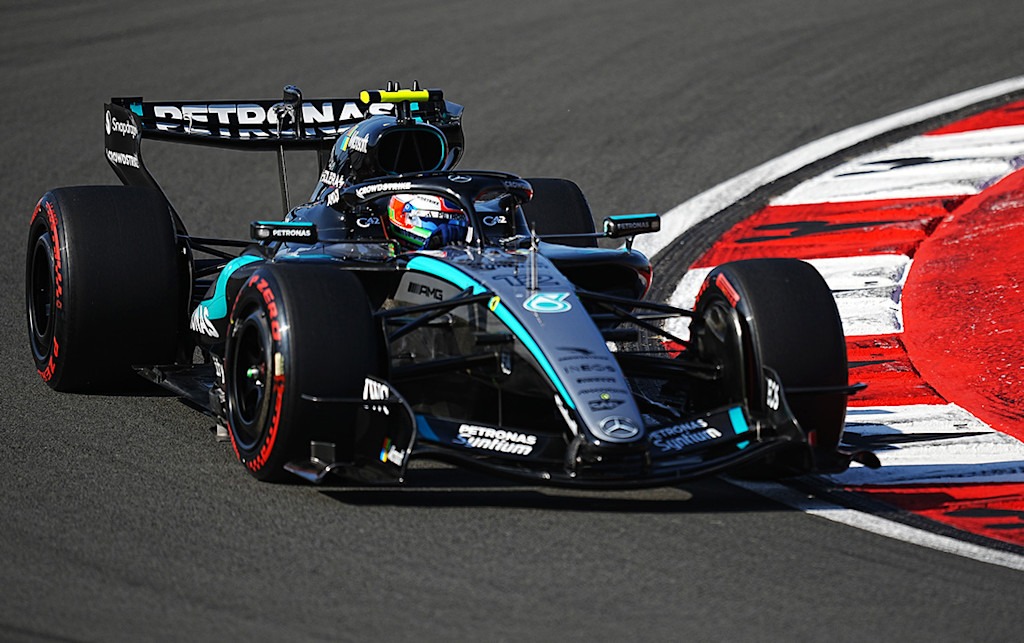
If you only looked at the winner's trophy, you would say no. Kimi Antonelli won the Miami Grand Prix on May 3, his third consecutive Grand Prix victory after China and Japan, and his third straight pole position. He had to work for it, surviving a chaotic start and relentless late pressure from Lando Norris, who finished just 3.264 seconds behind. But the top step was silver again, and Antonelli left Florida 20 points clear at the top of the championship.
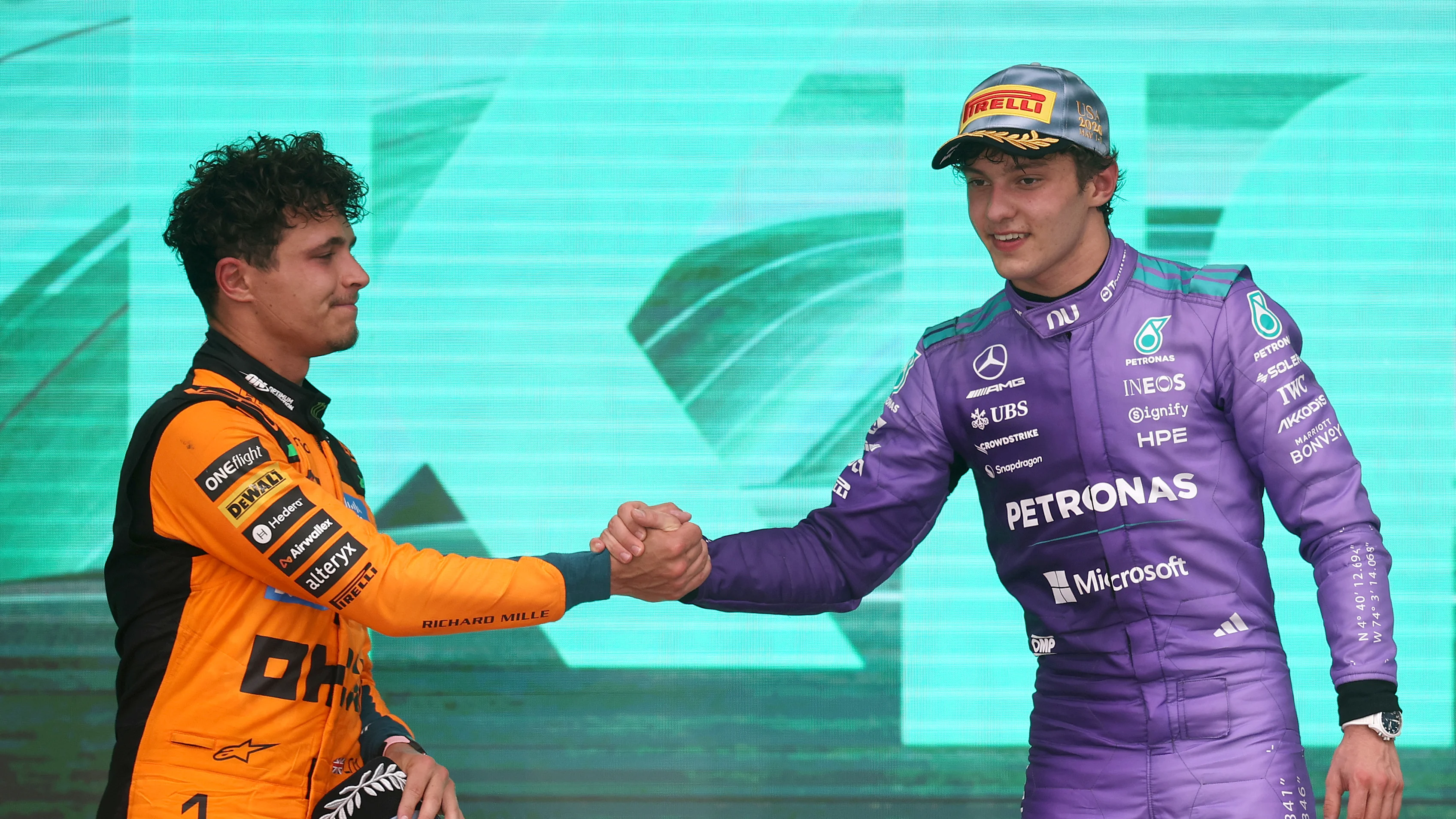
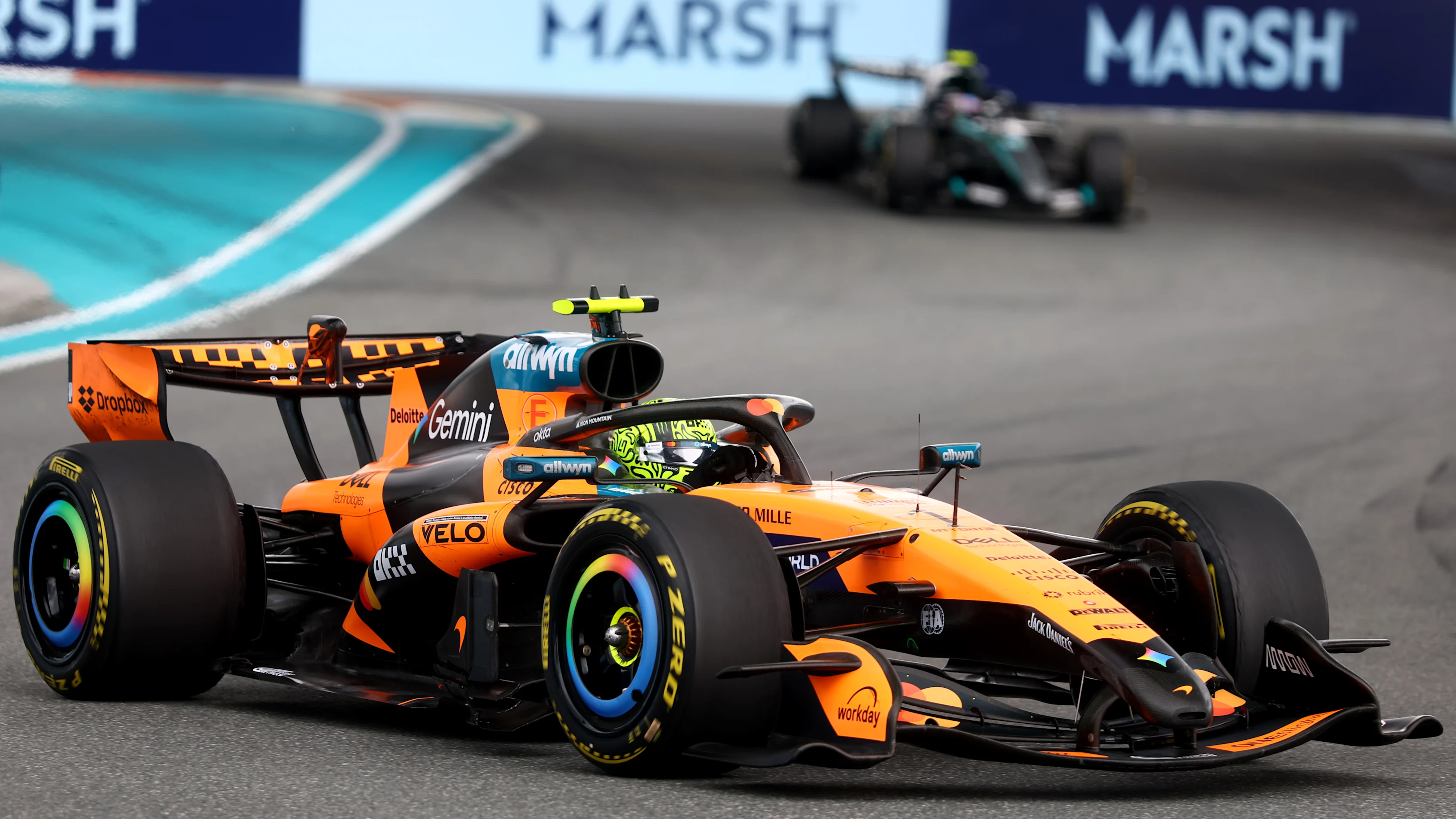
Look closer, though, and Miami told a more interesting story. For the first time all season, a non-Mercedes car took a pole position. Norris was the man, topping sprint qualifying on Saturday and then converting it into a commanding sprint victory, leading McLaren teammate Oscar Piastri home for a one-two in the Saturday race. Those were the first non-Mercedes pole and the first non-Mercedes sprint win of 2026, and they did not happen by accident. McLaren arrived in Miami with what Formula1.com described as a wide-reaching upgrade package, the team having spent the five-week break (with the Bahrain and Saudi Arabian rounds cancelled) developing hard while Mercedes, notably, arrived as the only top team without a fresh upgrade package.
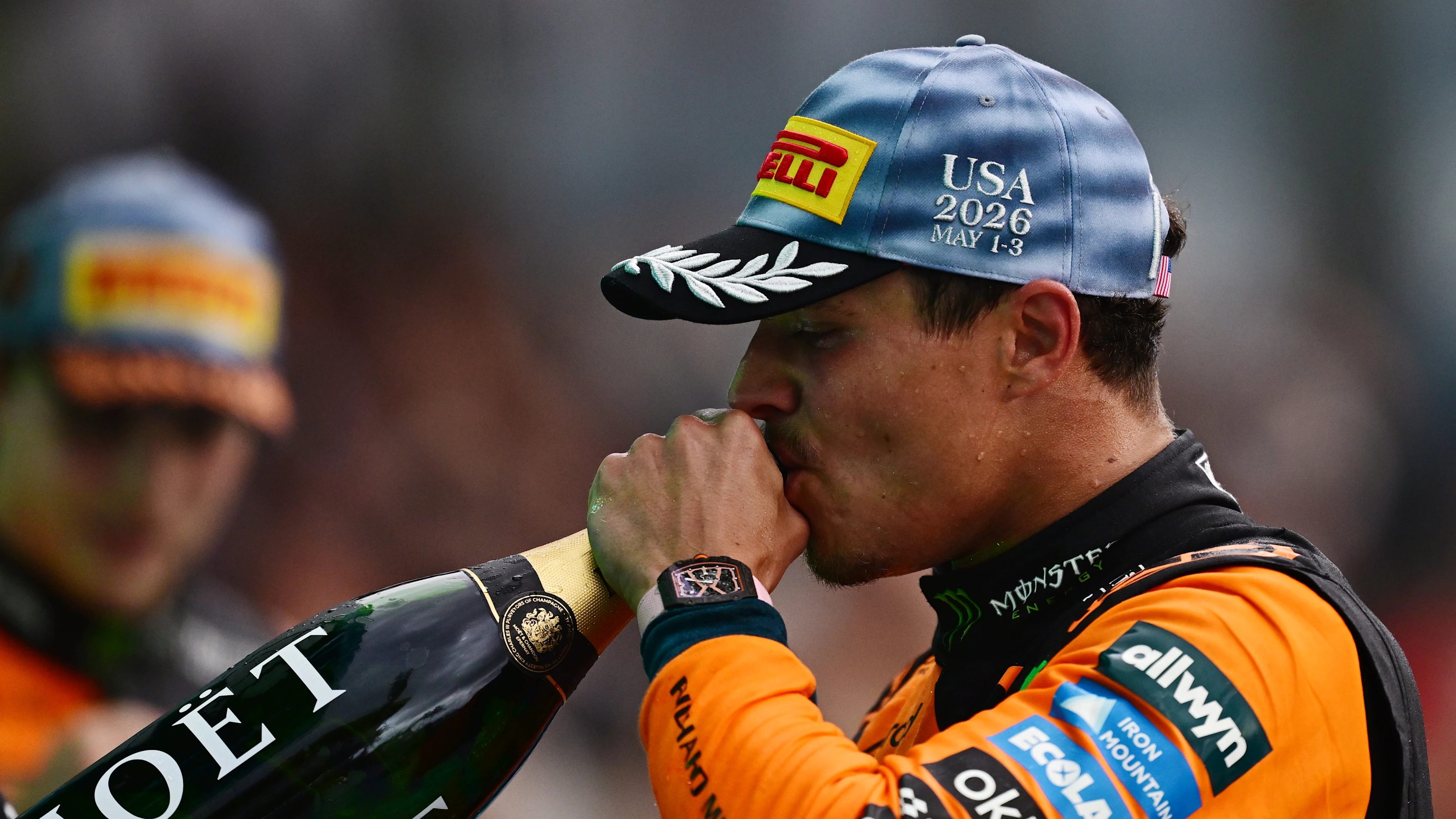
The sprint was McLaren's day. Norris led from lights to flag, Piastri completed the one-two, and for a few hours the pecking order looked genuinely different. The Grand Prix itself was messier for the Woking team. Antonelli had a poor start and a time penalty in the sprint, dropping him from fourth to sixth on Saturday, but he bounced back with a sensational pole lap on Sunday, nearly four-tenths clear of teammate George Russell, and then drove a mature, controlled race to win again.
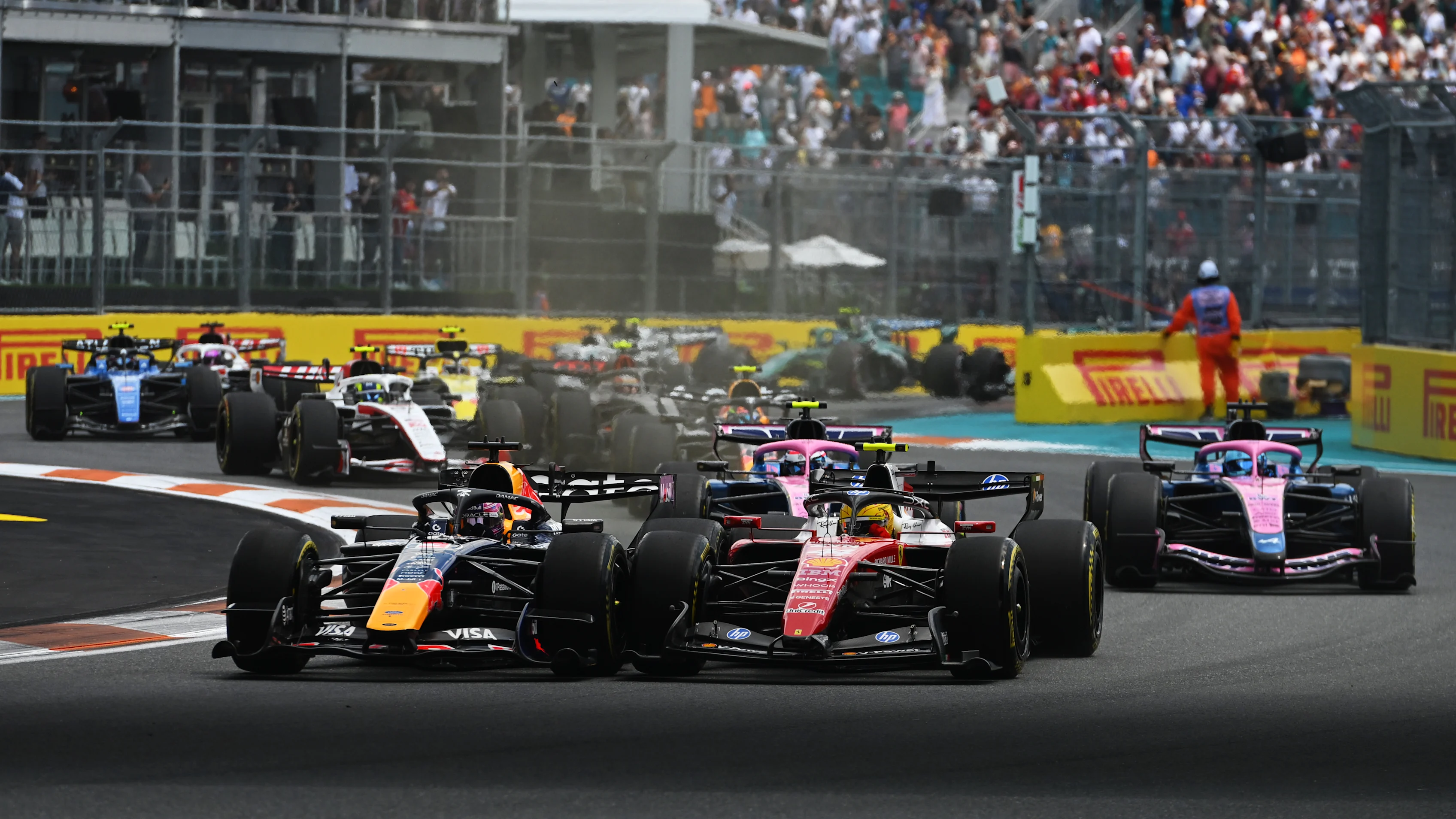
There were other signs of life behind the Mercedes. Verstappen qualified on the front row, his best Saturday of the season, and despite a first-corner spin finished fifth, his best Grand Prix result of 2026. Ferrari showed flashes. The field, in other words, looked closer in Miami than it had in Melbourne, Shanghai, or Suzuka. Whether that was the April tweaks working as intended, McLaren's upgrade package doing the heavy lifting, or simply the natural convergence that happens as teams understand new regulations, will take several more races to answer. Probably it was all three. But the direction of travel was encouraging: the racing in Miami was close, hard, and dramatic, and nobody left the circuit talking about energy spreadsheets.
One honest caveat: Mercedes still won, still took pole for the Grand Prix, and still leads both championships comfortably. If the goal of the April tweaks was to end Mercedes' dominance, Miami says the job is not done. If the goal was to make the racing safer and less artificial, to smooth the spikes and give drivers more consistent machinery, then the early evidence is cautiously positive. The drivers, notably, were quieter after Miami than they had been after Suzuka. In this sport, silence from the cockpit is its own kind of verdict.
The Problem Nobody Fixed in April
There is a deeper story here that the April vote did not resolve, and it is about power, not power units. One reason the 2026 regulations arrived with known flaws is that fixing them in advance was nearly impossible under the sport's governance. Changing the technical regulations requires a supermajority: on the car side, seven of the eleven teams; on the power unit side, four of the five manufacturers. Getting that many competitors to agree on anything is hard in the best of times. When some of them have already invested enormous resources in a particular development direction, it is close to impossible.
As FIA single-seater director Nikolas Tombazis would later acknowledge in interviews after the season's midpoint, the governing body had anticipated many of these problems years in advance. Simulations had flagged the issues as early as 2022, and the FIA tried to make adjustments before the cars ever raced. But the governance structure in place, agreements designed to protect manufacturers' investments and bind new entrants like Audi to the same financial and technical rules, required manufacturer support for major changes, and that support never materialized. Four manufacturers needed to agree. They did not.
What changed in April was not the governance. What changed was the politics. A 50G crash, a drivers' revolt, and a four-time champion talking about walking away created a consensus that years of technical argument never could. The April 20 vote was unanimous because the alternative, doing nothing while the drivers lost faith in the sport's safety, was unthinkable. That is worth remembering the next time someone asks why Formula 1 cannot simply fix a bad rule. It can. It just needs everyone in the room to be scared of the same thing at the same time.
The tweaks will keep evolving, and the bigger structural changes to the power unit formula are already being discussed for 2027 and 2028. For now, though, April's legacy is this: the sport looked at its new rulebook, admitted it had problems, and changed it in-season with everyone agreeing. In Formula 1, that counts as a minor miracle. Whether it counts as a fix, Miami gave us the first clues, and Montreal will give us more.
FAQ
What is "superclipping" in the 2026 F1 regulations?
Superclipping is the phenomenon where a 2026 car slows down on a straight even with the driver flat on the throttle, because the power unit automatically diverts energy from the engine to recharge the battery. It was one of the most criticized behaviors of the new rules, since it made cars unpredictable and the racing feel artificial. The April changes raised the peak superclip power from 250kW to 350kW to shorten the time cars spend recharging.
What did the April 20 stakeholder vote actually change?
The vote produced a four-part package: in qualifying, maximum recharge was cut from 8MJ to 7MJ and superclip power raised to 350kW; in the race, boost was capped at an additional 150kW with structured MGU-K deployment to reduce dangerous closing speeds; a new low-power start detection system was introduced for testing; and wet-weather provisions including warmer intermediate tyre blankets were confirmed. All changes debuted in Miami, subject to a World Motor Sport Council e-vote.
Did the Miami Grand Prix prove the tweaks worked?
Partly. Mercedes still won, with Kimi Antonelli taking his third straight victory and pole, but Lando Norris claimed the first non-Mercedes pole (in sprint qualifying) and the first non-Mercedes sprint win of 2026, backed by a major McLaren upgrade package. The racing was closer and the drivers notably quieter afterward, which suggests the changes helped, though how much was the tweaks versus natural development is still an open question.
Why couldn't the FIA fix the rules before the season started?
Changing the regulations requires supermajority support, including four of the five power unit manufacturers, under governance agreements designed to protect manufacturers' investments. The FIA's Nikolas Tombazis later confirmed the governing body had seen the problems coming as early as 2022 but could not get the required manufacturer backing for pre-season changes. It took the Bearman crash and the drivers' revolt to create unanimous agreement in April.
A Note on Sources
The April meeting timeline, the FIA's statements, and the details of the agreed regulation changes were verified against reporting from Reuters, Crash.net, PlanetF1, and GrandPrix.com. Race results, quotes, and weekend details from Miami were verified against official Formula1.com race and sprint reports.