
By Paulina Phan, Senior Editorial Contributor | June 10, 2026
Seventy-seven centimeters. That is roughly the length of a carry-on suitcase, or a guitar, or the gap between a polite conversation and an uncomfortable one. In Formula 1, where engineers chase performance in thousandths of a second and mechanics measure tire pressures to the decimal point, seventy-seven centimeters is an eternity. And last weekend in Monte Carlo, seventy-seven centimeters was the difference between the sweetest champagne of Pierre Gasly's career and a seventh-place finish nobody will remember.
This is the story of a tape measure, or more precisely, of the absence of a correct one. On Sunday, June 7, the FIA's official timing system recorded Pierre Gasly speeding in the Monaco pit lane not once but twice, and two five-second penalties dropped his Alpine from a glorious third place on the road to seventh in the final classification. The champagne that should have been his went to Isack Hadjar, the young Red Bull driver who inherited a podium he had every right to celebrate and no way of knowing he might have to give back. And then, five days later in a hearing room at the Circuit de Barcelona-Catalunya, the whole thing fell apart in the most extraordinary way: the FIA admitted the measurement itself was wrong. Not the drivers. Not the teams. The tape.
Formula 1 has always been a sport of precision, and that is what makes this scandal so deliciously, painfully ironic. The governing body of a sport that laser-scans every centimeter of track surface measured its own pit-lane timing sector with an outdated number, and that number, 26.92 meters instead of the correct 26.15, turned a routine Monte Carlo afternoon into one of the strangest judicial sagas the paddock has ever seen. What follows is how it happened, who it hurt, and what seventy-seven centimeters says about a sport that pretends to have measured everything.
Sunday in Monte Carlo: What Actually Happened
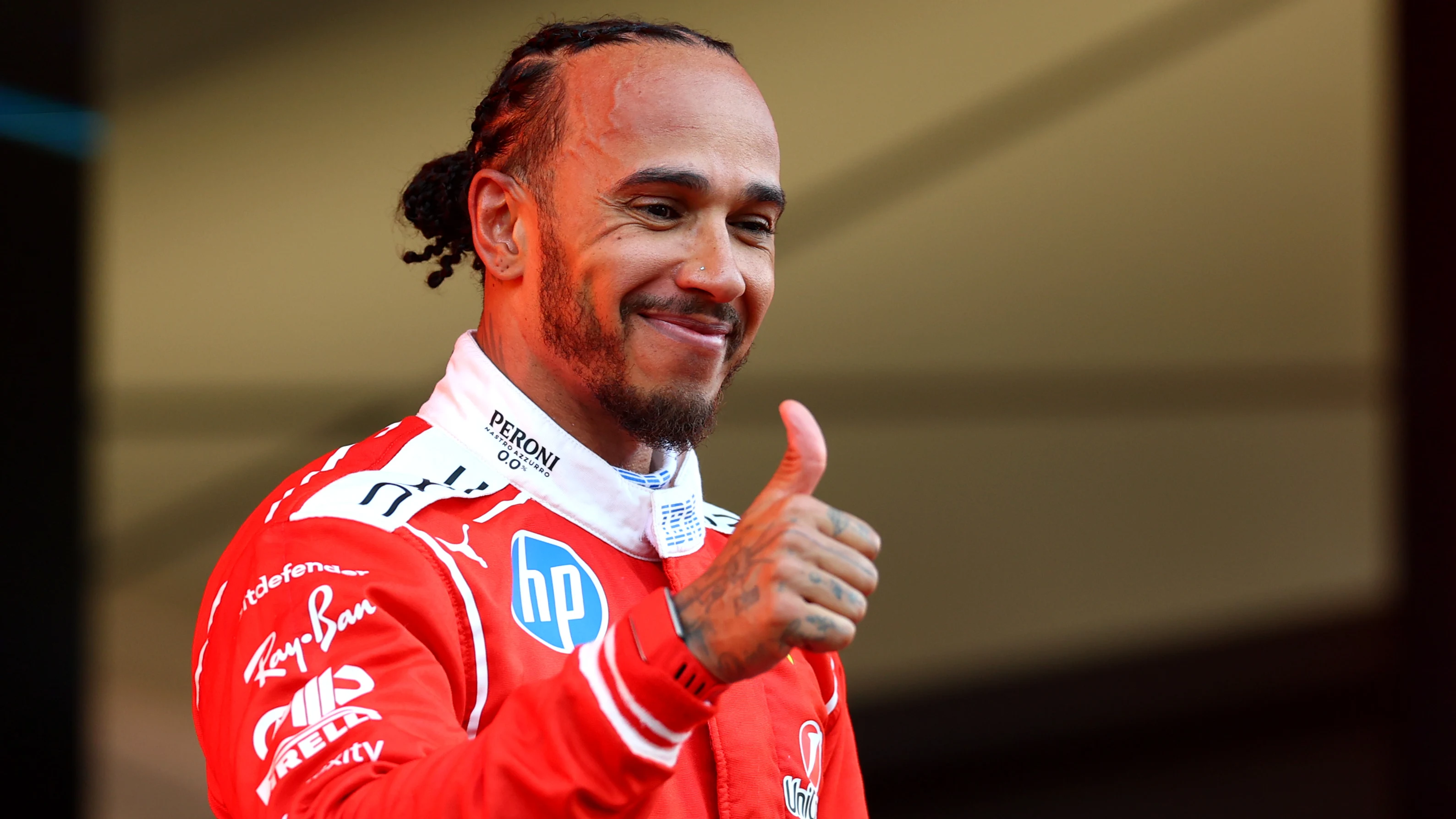
The 2026 Monaco Grand Prix, the sixth round of the season, will be remembered first for Kimi Antonelli, who converted pole position into his fifth consecutive victory with the calm of a driver twice his age, and for Lewis Hamilton, who brought his Ferrari home second. But the race's true drama played out behind them, in the pit lane, where the timing loops were quietly building a case against half the field.
Pierre Gasly started ninth in his Alpine and drove the race of his season. Through the chaos of a Monte Carlo afternoon that included a Safety Car, a red flag, and retirements for Max Verstappen, Charles Leclerc, and Lando Norris, the Frenchman kept his nose clean and his pace strong. He crossed the line fourth on the road, and when George Russell was sent to serve a drive-through penalty for failing to observe an earlier five-second sanction, Gasly was promoted to third. For a driver whose Alpine has spent the season fighting in the midfield, it was the kind of result that defines a year. He stood on the cusp of his first podium since the 2024 Sao Paulo Grand Prix, and in Monaco, of all places, where podiums are carved into legend.
Then the stewards' documents started landing. Gasly had been recorded exceeding the 60 km/h pit-lane speed limit twice, and because Alpine had chosen not to serve the penalties during the race, ten seconds were tacked onto his race time. Third became seventh. The podium, the trophy, the champagne, all of it evaporated in a document. Gasly called it "heartbreaking" and later described it as the worst sporting moment of his career.
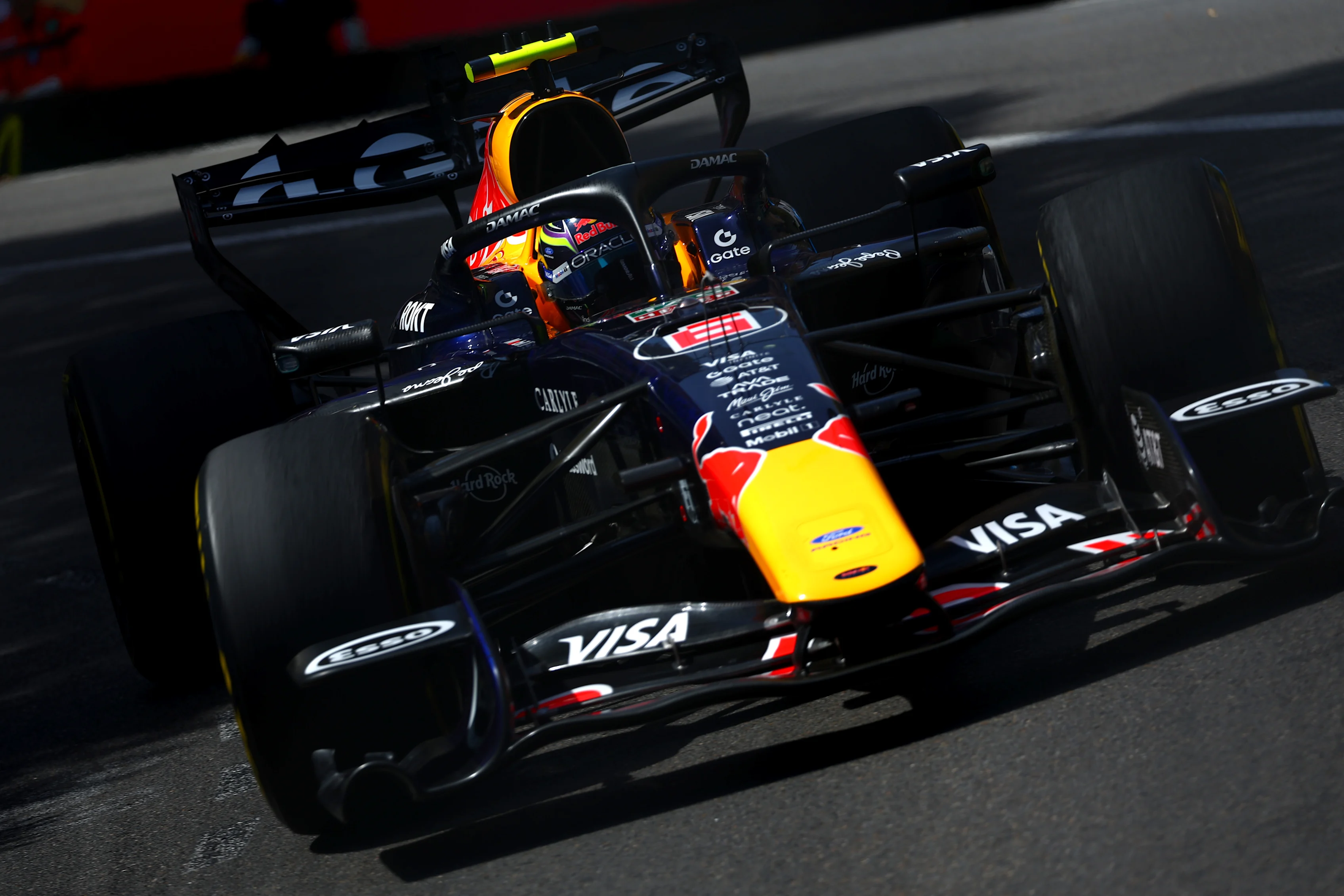
The beneficiaries of Gasly's misfortune were Red Bull's Isack Hadjar, who was elevated to third for what was celebrated as his first podium with the senior team, and McLaren's Oscar Piastri, who moved up to fourth. Hadjar sprayed the champagne, held the trophy, and did everything a first-time podium finisher is supposed to do. He had earned it the hard way, too, driving much of the race with a sick engine, reporting that first gear was not usable and that something felt ready to explode. Nobody in the paddock begrudged him the moment. But trophies, as it turns out, are not always permanent.
Six Violations, One Timing Sector
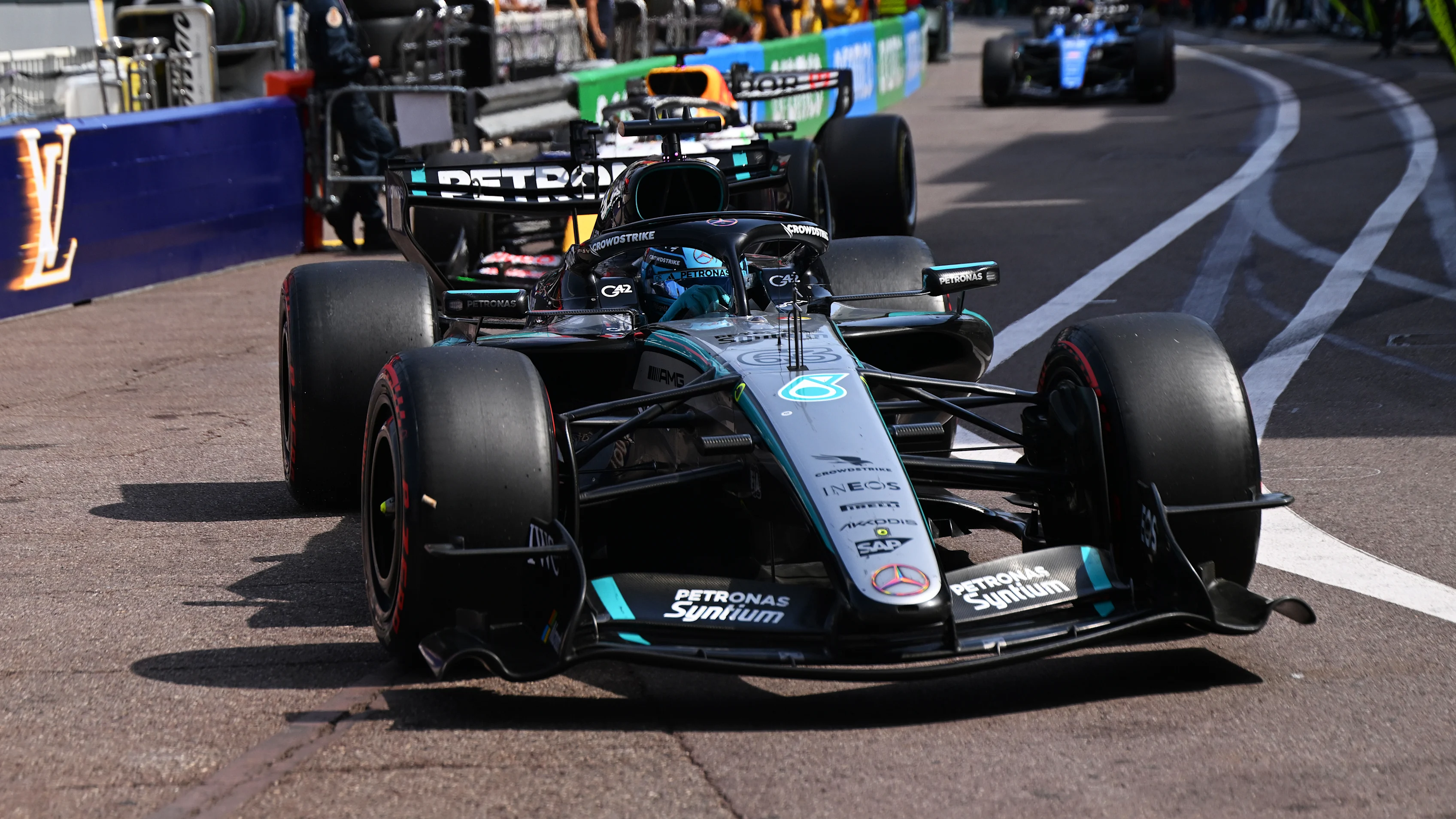
Here is where the story stops being a routine stewarding decision and starts being something stranger. Gasly was not the only driver caught by the pit-lane timing system that afternoon. He was one of five. Lewis Hamilton, George Russell, Franco Colapinto, and Oscar Piastri were all penalized for pit-lane speeding, and all six violations, Gasly committed two, occurred in the same timing sector: the first pit-lane timing zone, the sector covering the pit entry.
Six offenses in one sector, across five drivers from four different teams, should have been a clue. Pit-lane speeding is one of those infractions that usually happens in isolation, a driver pushing the limiter a fraction too hard, a team miscalculating a delta. But when the same sector flags six violations in a single afternoon, the question stops being "what did the drivers do wrong" and starts being "what is wrong with the sector." The drivers and teams noticed. The timing data was examined. And what Alpine found, with the help of evidence from Formula One Management itself, was that the sector had been measured wrong.
The limit at Monaco was 60 km/h, and Gasly's recorded speeds were barely over it, fractions of a kilometer per hour, the kind of margin that in any other context would be a rounding error. Alpine's argument, presented in a right of review hearing held during the Barcelona race weekend and decided on Friday, June 12, was simple: the FIA's official timekeeper had been calculating speeds using a pit-lane distance of 26.92 meters between the first two timing loops, but Monaco's revised 2026 pit entry layout meant the shortest route a driver could actually take through that sector was only 26.15 meters.
The Hearing That Rewrote the Result
The hearing took place on Friday at the Circuit de Barcelona-Catalunya, with all eleven teams in attendance, a detail that tells you how seriously the paddock took this. Alpine's petition argued that the new evidence, including FOM's own analysis of the pit-entry geometry, was significant and relevant and had not been available to the stewards when the original penalties were issued. The stewards agreed. Applying a standard of proof described as "comfortable satisfaction," reaching in places to "beyond reasonable doubt," they found that Gasly's car had not exceeded the 60 km/h limit on either occasion. Both five-second penalties were rescinded. Pierre Gasly was a Monaco podium finisher again.
It is worth pausing on how rare this is. The FIA does not like admitting it was wrong. For the governing body to concede that its own measurement, the bedrock number underpinning every pit-lane speeding calculation all weekend, was outdated, was an extraordinary moment of institutional honesty.
And then came the image that will define this saga no matter how it ends: Isack Hadjar handing his third-place trophy back to Pierre Gasly. The young Frenchman, who had celebrated his first Red Bull podium with all the joy of a driver who thought he had arrived, gave the trophy to his compatriot, because that is what the revised classification said to do. There is something almost unbearably civilized about it, and something heartbreaking too. Trophies are supposed to be the permanent record of a day. This one turned out to be a loan.
The Human Cost: Gasly, Hadjar, and the Cruelty of Timing
For Pierre Gasly, the reinstatement was vindication, but vindication is a strange kind of prize. He had already lived through the worst version of the story: the demotion, the seventh place, the feeling of having something taken away. Getting it back five days later, in a hearing room hundreds of miles from the harbor where the champagne should have flowed, is justice, but it is not the same as the moment. Podiums are theater. They happen at a specific time, in a specific place, in front of specific people, with the yachts bobbing and the anthem playing and the photographers shouting. A podium awarded on a Friday in Barcelona is correct. It is not the same.
Gasly's description of the original penalty as the worst sporting moment of his career deserves to sit with you for a moment. This is a driver who has been through the Red Bull demotion and the rebuilding at Alpine. For him to rank a pit-lane speeding penalty above all of that tells you what a Monaco podium means to a midfield driver. It is not just points. It is proof, the kind you can hold in your hands and put on a shelf, that on one Sunday in the principality you were one of the three best in the world.
For Isack Hadjar, the cost was different but no less real. He drove a brilliant, battered race to what he believed was his first podium for Red Bull, celebrated it properly, and then watched it reassigned because of a tape measure. The cruelty is not that the decision was wrong; by the revised numbers, it was right. The cruelty is that he did nothing wrong either. He drove the race he was given, and the race changed underneath him twice. First the penalties gave him a podium. Then the review took it away. Through no fault of his own, his first great day in Formula 1 became a footnote in someone else's legal drama.
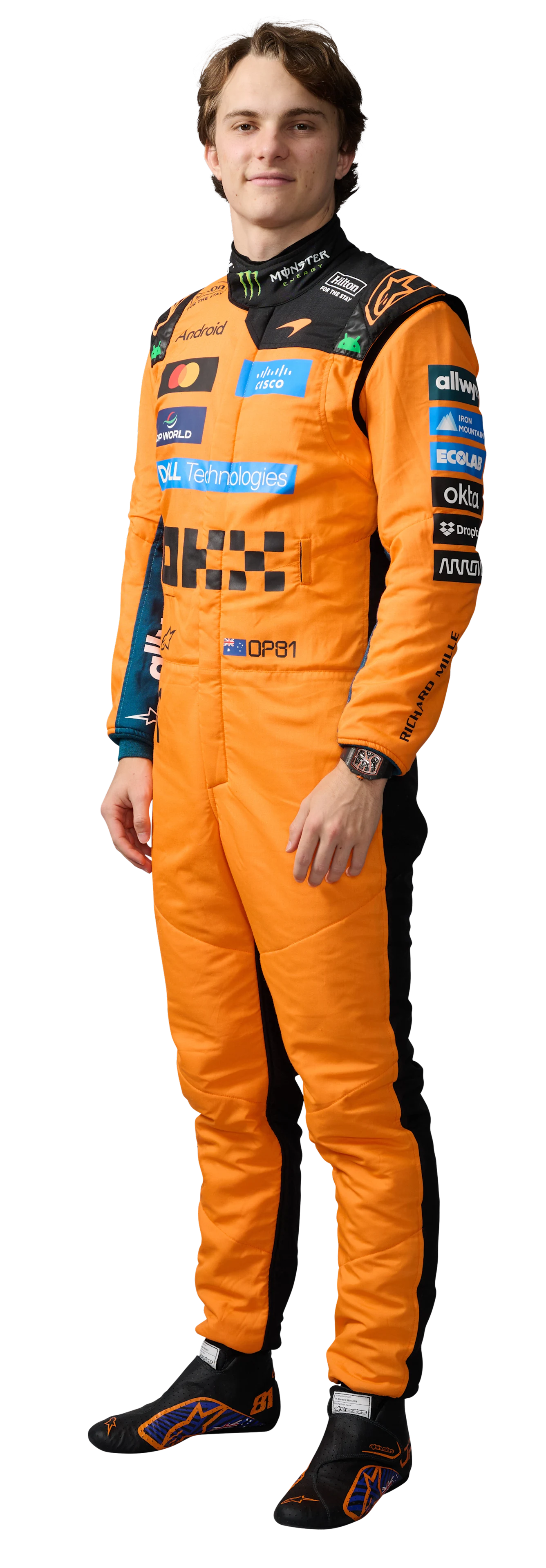
And then there is Oscar Piastri, the quietest victim of all. The McLaren driver served his five-second penalty during the race, under the Safety Car, the way the rules require. He lost time, lost track position, and lost the rhythm of his afternoon, all for a violation that the same timing data later suggested he may never have committed. But here is the brutal asymmetry at the heart of this saga: a penalty served during the race cannot be undone. There is no mechanism in the rulebook to give back lost seconds, lost positions, or a lost afternoon. Gasly's unserved penalties could be rescinded because they existed only on paper. Piastri's had already been paid in full. His quote, given before the review succeeded, now reads like prophecy: "I can't imagine the FIA will change the result now… But something like that shouldn't happen in Formula 1."
The Russell Parallel: A Podium That Never Was
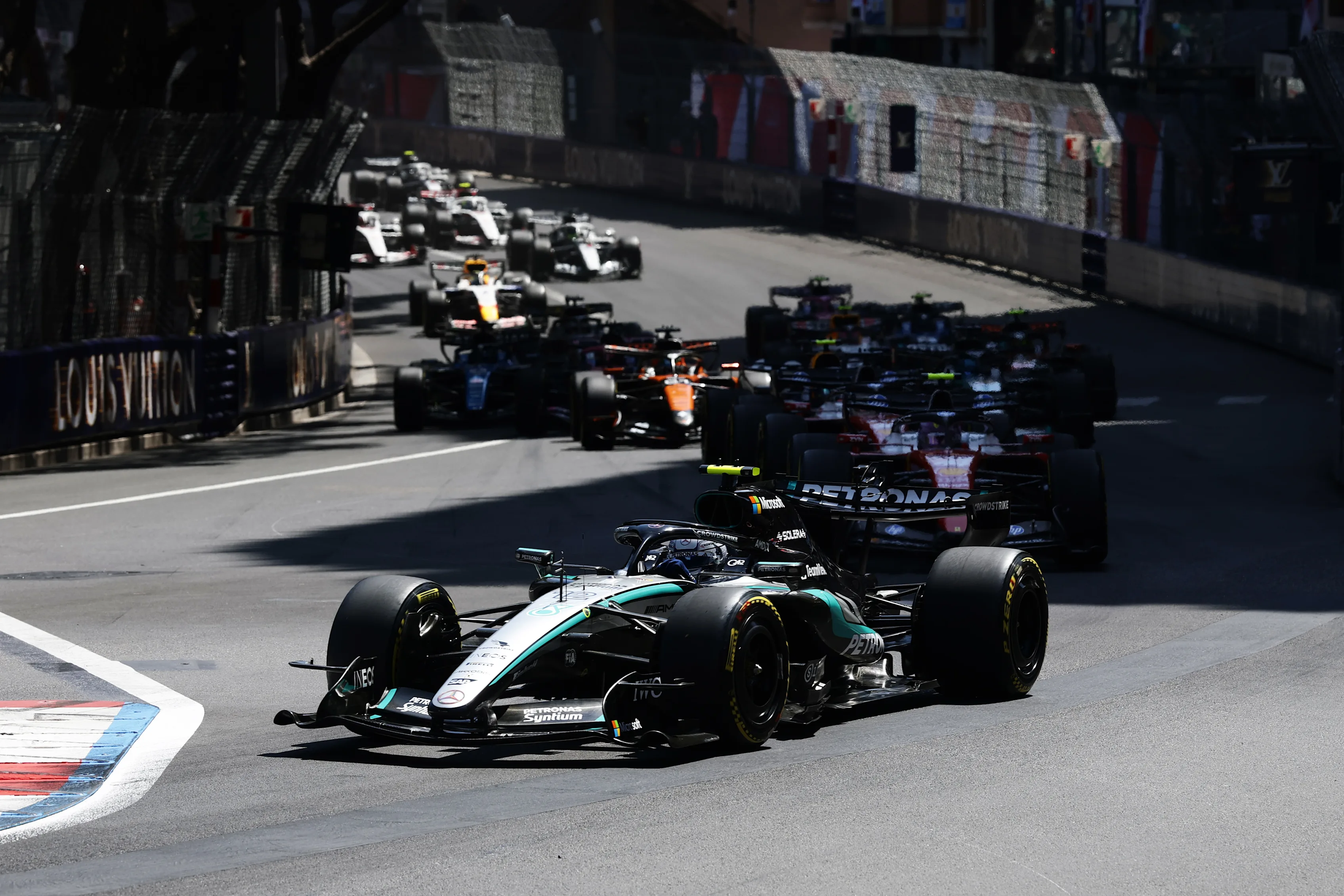
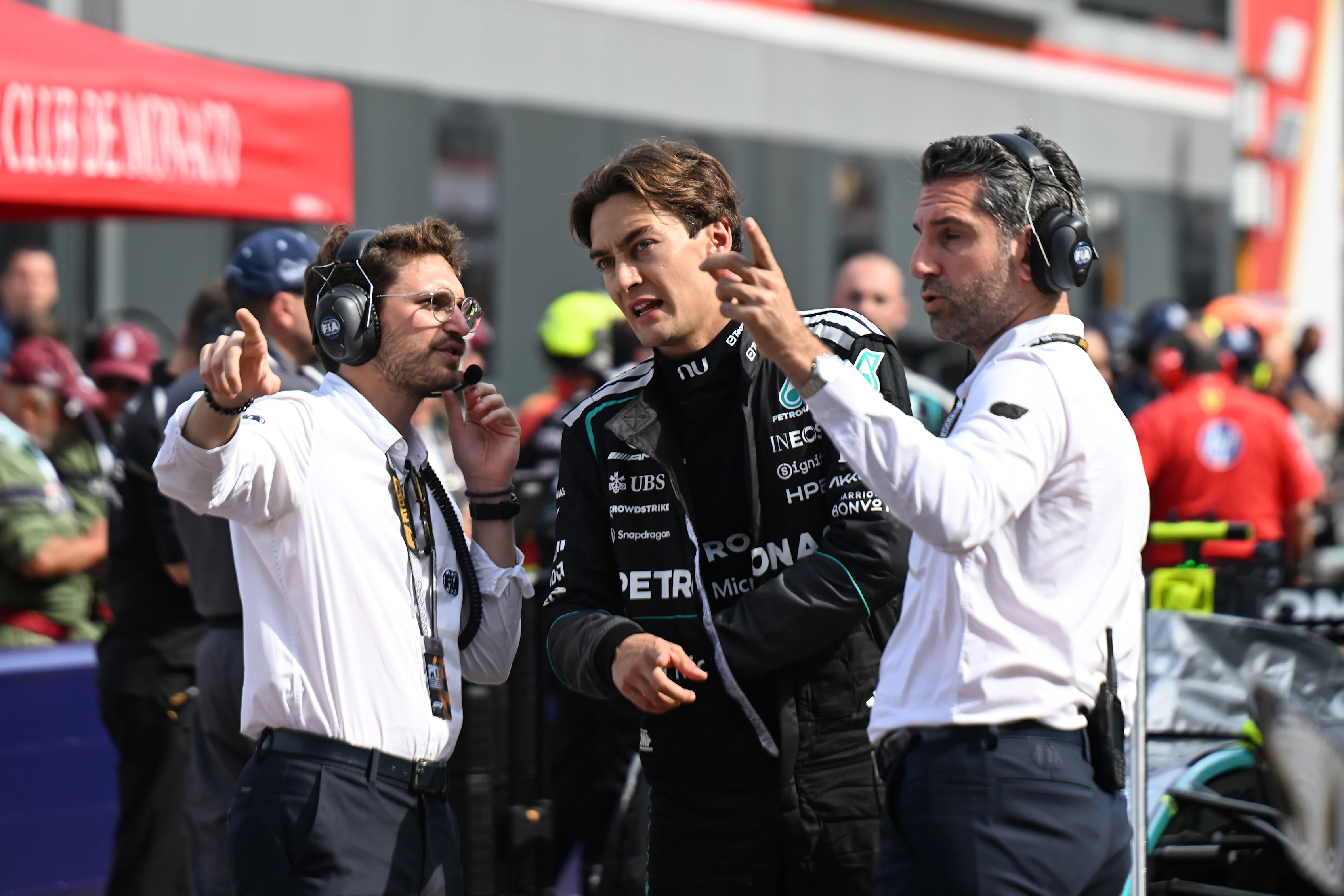
If the Gasly saga is about a measurement, the George Russell subplot is about a procedure, and it may be the more painful story of the two. Russell's Monaco was already a disaster before the pit-lane mathematics got involved. But Mercedes did its own sums afterward, and the numbers were agonizing: without his penalty, the team calculated, Russell could have finished third. On the podium. In Monaco. Instead, he finished twelfth, his second consecutive Grand Prix without scoring points, and team principal Toto Wolff was reported to be livid.
Russell's penalty was different in kind from Gasly's. He received a five-second sanction for pit-lane speeding, the same faulty sector, and then his team failed to serve it at his pit stop during the Safety Car period. The stewards responded with a drive-through, and the drive-through buried him. Here is the maddening part: if the underlying speeding violation was itself the product of a faulty measurement, then Russell was punished twice for something he may not have done, first by the stop he failed to serve, then by the drive-through for the failure. The measurement error did not just steal Gasly's podium. It may have stolen Russell's too, and unlike Gasly, Russell has no right of review to fall back on, because a drive-through, like Piastri's served penalty, is spent the moment it is taken.
There is a particular cruelty in the mathematics of it. Mercedes' calculation, third place without the penalty, is the kind of number that will haunt a team. For Russell, already 68 points behind his teammate Kimi Antonelli in the championship after Monaco, it was another weekend where the season slipped a little further from his grasp through no fault of his driving.
The Letters of Intent
The story did not end with the stewards' decision on Friday. It could not, because the decision created as many problems as it solved. Red Bull, McLaren, and Racing Bulls all lodged letters of intent to appeal, and their reasoning is worth taking seriously even if you believe Gasly's reinstatement was just.
McLaren's case is the most sympathetic. Piastri served his penalty during the race and cannot get it back, yet Gasly, who committed the same nominal offense, had his penalties erased. Red Bull's case is simpler and more human: their driver lost a podium he celebrated, through a process he had no part in. Racing Bulls, whose drivers Liam Lawson and Arvid Lindblad each dropped a position in the revised classification, joined in. All eleven teams attended the hearing, which tells you that everyone in the paddock understood the precedent being set. If a timing measurement can be revised after the fact, what else can be?
What Seventy-Seven Centimeters Says About Formula 1
There is a temptation to treat this as farce, and to be fair, it is a little bit farcical. The most technologically sophisticated sport on earth, a sport that measures tire temperature to the tenth of a degree and fuel flow to the gram, got the length of its own pit lane wrong by nearly a meter. But the farce is also the point, because Formula 1's entire moral authority rests on precision. The sport asks drivers to respect track limits measured in centimeters, asks teams to build cars to tolerances measured in millimeters, and asks fans to accept stewarding decisions measured in thousandths of a second.
And yet, there is something admirable in the confession. The alternative, digging in, insisting the measurement was fine, defending the penalties to the last appeal, would have been the easier institutional choice, and it is the choice sporting bodies usually make. Instead, presented with evidence from FOM's own analysis, the stewards changed their minds. Accountability is not supposed to be comfortable. It is supposed to be correct.
The absurdity, the accountability, and the human cost are all tangled together in those 77 centimeters, and they will stay tangled for a long time. Every time a driver threads a car through the Swimming Pool complex at 280 km/h, and every time a pit crew changes four tires in two seconds, they are trusting that the sport has measured the world correctly. On June 7, in one small sector of the Monaco pit lane, it had not. And three drivers, Gasly, Hadjar, and Russell, are still paying for it.
FAQ
What was the Monaco pit-lane measurement error?
The FIA's official timing system calculated pit-lane speeds in the first timing sector using a distance of 26.92 meters between the timing loops. After the race, analysis showed that Monaco's revised 2026 pit entry layout meant the shortest drivable route through that sector was only 26.15 meters. The 77-centimeter discrepancy meant every driver's speed through the sector was overstated, producing six pit-lane speeding violations across five drivers.
Which drivers were penalized for pit-lane speeding at Monaco?
Five drivers were penalized: Pierre Gasly (twice), Lewis Hamilton, George Russell, Franco Colapinto, and Oscar Piastri. Gasly's two five-second penalties were added to his race time after the finish because Alpine chose not to serve them during the race, dropping him from third to seventh. The other penalized drivers served their sanctions during the race.
Why was Gasly's podium reinstated?
Alpine lodged a right of review, presenting new evidence, including analysis from Formula One Management, that the timing sector had been measured incorrectly. At a hearing on Friday, June 12, attended by all eleven teams, the stewards accepted the evidence, found to a standard of "comfortable satisfaction" that Gasly had not exceeded the 60 km/h limit on either occasion, and rescinded both penalties, restoring him to third place.
Why are Red Bull, McLaren, and Racing Bulls appealing?
The rescinded penalties created an asymmetry: Gasly's unserved penalties could be erased, but drivers who served theirs during the race, notably Oscar Piastri, have no mechanism to get that time back. McLaren argues this is unfair to competitors who complied with the rules as they stood. Red Bull lost a podium for Isack Hadjar, and Racing Bulls' drivers each dropped a position in the revised classification. All three teams lodged letters of intent to appeal.
A Note on Sources
Race results, penalty details, and the classification history for the 2026 Monaco Grand Prix were verified against the official Formula1.com race report and cross-checked with coverage from ESPN, Reuters, Autosport, Crash.net, PlanetF1, and RacingNews365. The 26.92m versus 26.15m measurement figures, the June 12 right of review outcome, and the stewards' standard of proof were confirmed across multiple outlets. Direct quotes from Oscar Piastri and Pierre Gasly are as reported by ESPN and Formula1.com.
Editor's note: the saga was reopened later in the season, and on September 4 the FIA International Court of Appeal in Paris reimposed the penalties, restoring Hadjar to third (his second career podium, first for Red Bull) and Piastri to fourth.