
By Paulina Phan, Senior Editorial Contributor | July 22, 2026
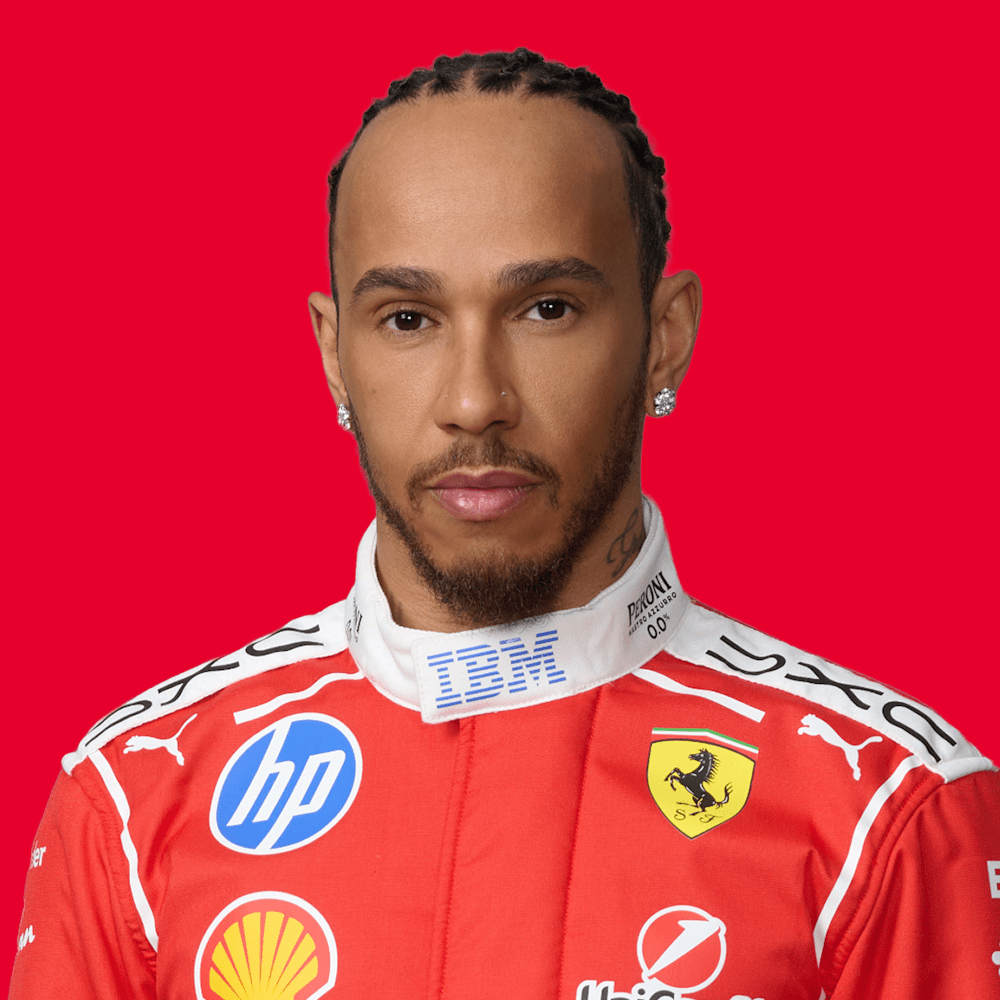
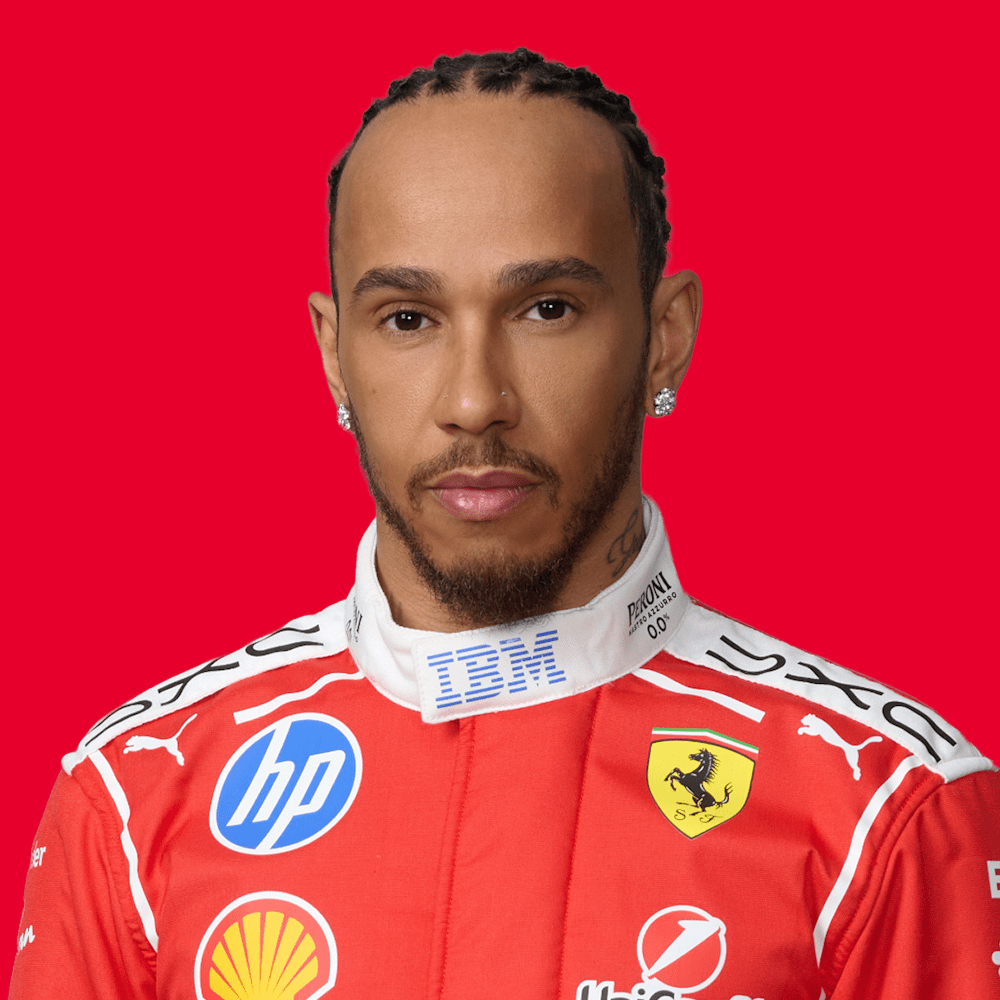
There is a particular silence that falls over a Formula 1 paddock when two drivers who used to share everything suddenly share nothing but blame. It is not the loud kind of silence, full of shouting and finger pointing, though there was some of that too. It is the quieter kind, the one that settles over the motorhomes and the hospitality units while everyone checks their phones and waits to see who says what first. That was the sound of Spa on Sunday evening, after Lewis Hamilton tagged George Russell at Les Combes on the opening lap of the Belgian Grand Prix and sent his former teammate spinning into the gravel, out of the race before it had barely begun.
Formula 1 loves a rivalry, but it has a special appetite for the kind that used to be a partnership. Hamilton and Russell spent seasons as Mercedes teammates, sharing data, debriefs, engineers, and those long Thursday media afternoons where you learn exactly how another person ticks. On Sunday, July 19, all of that history compressed into a single corner at the Circuit de Spa-Francorchamps, and when the dust settled, literally, one Ferrari was heading for the stewards' office and one Mercedes was being lifted out of the gravel with its afternoon over.
What followed was the full modern Grand Prix drama package: a five-second penalty for Hamilton, served at his lap-21 pit stop, a 30,000 euro fine for Ferrari, and a separate investigation into a pitlane infringement after contact with a mechanic. Meanwhile, up at the front where the actual winning was happening, Kimi Antonelli drove a serene pole-to-win afternoon for his sixth victory of 2026, stretching his championship lead over Russell to about 45 points and turning his teammate's summer from difficult into genuinely brutal.
This is the story of how one corner at Spa managed to contain a collision, a controversy, a championship swing, and a full-blown argument about the rules themselves, all before most of us had finished our Sunday coffee.
Lap One, Les Combes: What Actually Happened
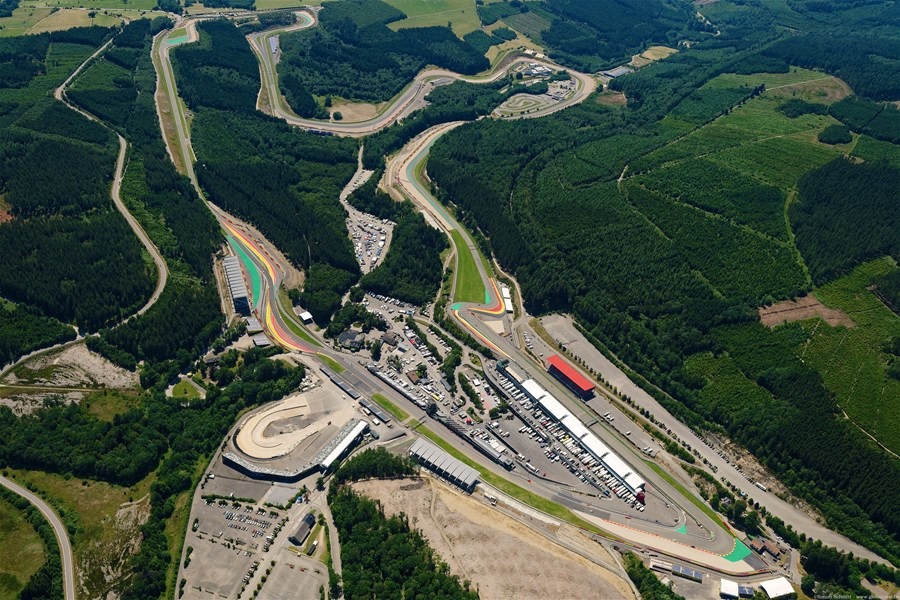
To understand the incident, you have to picture the place. Les Combes is not some anonymous corner. It is Turn 6 at Spa, the tight right-left chicane at the end of the long Kemmel Straight, the place where the field arrives at enormous speed after climbing up through Eau Rouge and Raidillon and then has to thread itself through one of the most demanding braking zones in the sport. On lap one, with twenty cars arriving together, cold tires, full fuel loads, and championship nerves jangling, it is the closest thing Formula 1 has to a group trust exercise, and trust exercises only work when everyone holds up their end.
The move
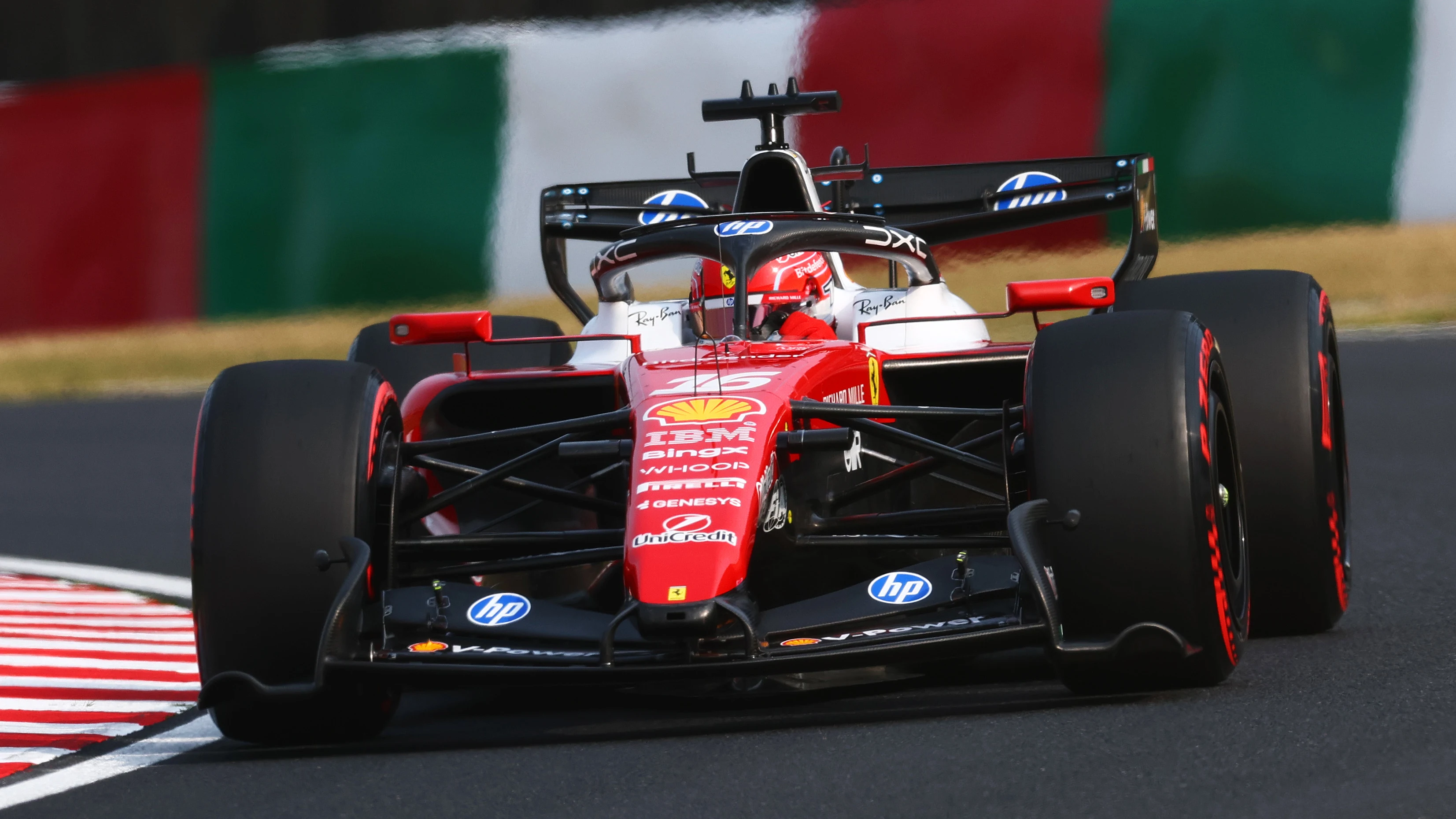
On the opening lap, Hamilton and Russell arrived at Les Combes together, and the Ferrari made contact with the Mercedes. The tag put Russell off the circuit and into the gravel trap, and that was that. No heroic recovery drive, no limping back to the pits for repairs, just a Mercedes beached in the Belgian gravel and a driver climbing out of the cockpit on lap one of a Grand Prix. For Russell, who had come to Spa desperate for a reset after a bruising stretch of races, it was the cruelest possible start. For Hamilton, it was the beginning of a very long afternoon of explanations.
Replays showed the Ferrari getting into the side of the Mercedes at the entry to the chicane, and the stewards did not need long to reach a verdict. Hamilton was deemed at fault for the collision, the kind of clean, unambiguous ruling that leaves very little room for the usual post-race spin. When the stewards say you caused a collision on lap one and ended another driver's race, there is no strategic genius to hide behind, no tire delta to point at. There is just the contact, the gravel, and the consequence.
The immediate aftermath
What happens in the seconds after a lap-one collision tells you everything about the temperature of a rivalry. Russell's race was over before the field had even sorted itself into a rhythm, and you could feel the frustration radiating from the Mercedes garage. This was not a racing incident between strangers. This was a seven-time world champion putting his former teammate into the gravel at one of the most famous corners in motorsport, on a weekend when Russell could least afford it.
Hamilton, for his part, now had a race to salvage and a penalty hanging over him. The five-second time penalty was served at his lap-21 pit stop, the standard procedure, stop, wait, watch the seconds tick away while your rivals stream past on the timing screens. And as if the afternoon needed more plotlines, Hamilton was also investigated for a pitlane infringement after contact with a mechanic, the kind of secondary drama that turns a bad day into a genuinely messy one. Ferrari, meanwhile, was fined 30,000 euros, a reminder that in modern Formula 1 the team's wallet is always within reach of the stewards' pen.
Old Friends, New Enemies
Here is the thing about Hamilton versus Russell that makes this more than a standard first-lap tangle: they know each other too well for it to be simple. Teammates in this sport share everything that matters. They sit in the same debriefs, they hear the same engineers dissect their driving corner by corner, they know exactly where the other one is strong and exactly where the doubt creeps in. When you have spent seasons studying someone's data traces, you do not just know their racing lines. You know their tells.
That intimacy is what makes teammate collisions, and collisions between former teammates, hit differently from the ordinary kind. There is no "I didn't see him" that quite washes, no "I didn't expect him there" that survives contact with the shared history. Every driver on the grid knows that the person you raced alongside for years is the one person you can never fully surprise, and the one person who can never fully surprise you. Which is precisely why, when contact happens anyway, it feels personal even when it was probably just racing.
The paddock, being the paddock, immediately split into its two favorite camps: the "racing incident, move on" camp and the "he knew exactly what he was doing" camp. The stewards landed firmly on Hamilton's side of the blame ledger, and a five-second penalty plus a team fine is not the kind of punishment you hand out for a 50-50. But the court of paddock opinion will deliberate on this one for weeks, because the subtext is irresistible. The veteran champion, now in red, against the younger man who inherited his old seat and is watching his own title dream wobble. You could not script the symbolism more neatly if you tried.
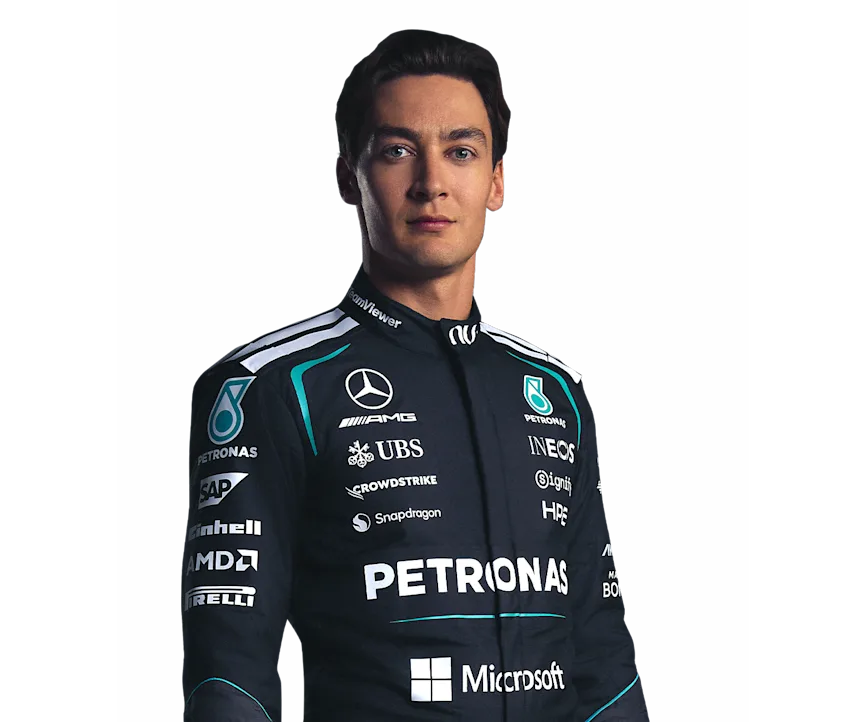
There is also the human texture that never makes the timing screens. These are two British drivers who came up through the same junior ladders, who have shared podiums and press conferences and sponsor events for years. The photographs from Sunday tell their own story: two men in different colored uniforms, one heading to the stewards and one heading back to the garage, both wearing the particular expression of people who know they will be asked about this for the rest of the season. In a sport that runs on image as much as engineering, the optics of Hamilton versus Russell are pure box office, and everyone in the paddock knows it.
A Brutal Summer for George Russell
If you want to understand why the Spa retirement hurt so much, you have to look at the two months that came before it. George Russell is not having a bad season in the way that backmarkers have bad seasons. He is having the specific, exquisite torment of a driver who can see the championship, who has the car to fight for it, and who keeps watching the points slip away through no particular fault of his own, until Sunday at Spa, when it was very much somebody's fault.
Start with Monaco. Russell finished P12 in the Principality after a drive-through penalty, the kind of afternoon where everything that can go sideways does, and where the narrow streets offer no chance of recovery. Then came Canada, and with it the crueler blow: a power unit failure on lap 30 that ended his race while it was still alive. Mechanical retirements have their own special sting because there is nobody to blame and nothing to learn, just a long walk back down the pitlane and a debrief full of shrugs.
And now Spa. A lap-one DNF, in the gravel, at the hands of his former teammate, while his current teammate drove off into the distance to win. If Monaco was frustrating and Canada was heartbreaking, Spa was enraging, and you could see it in every frame of Russell's Sunday. Three races, three different flavors of disaster, and a championship gap that keeps growing in the wrong direction.
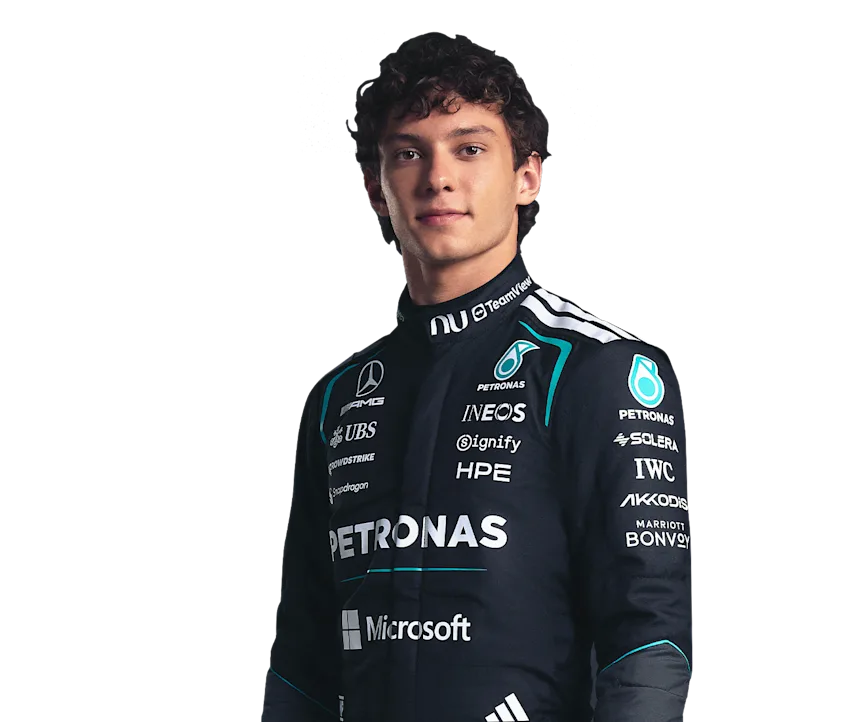
Because here is the number that matters: Kimi Antonelli now leads Russell by about 45 points in the drivers' championship. Forty-five points is not a death sentence in July, not with so much of the season still to run, but it is the kind of margin that changes the psychology of a title fight. It means Russell no longer controls his own destiny in any meaningful sense. It means every remaining weekend has to be close to perfect while hoping the young Italian finally has an off day. And it means the intra-team dynamic at Mercedes, always the most closely watched relationship in the paddock, has shifted from friendly rivalry into something with real edge.
There is a particular loneliness to being the second driver in a team that is winning the championship. The garage celebrates, the points pile up, the constructors' trophy gleams a little brighter each week, and you are standing slightly to the side of your own team's success story. Russell has handled it with grace in public, because that is what professionals do, but grace has its limits, and Spa tested every one of them.
Kimi Antonelli Keeps Doing Kimi Antonelli Things
While the Hamilton-Russell drama consumed the headlines, the actual Belgian Grand Prix was won with the kind of controlled excellence that is becoming Kimi Antonelli's trademark. Pole position on Saturday, victory on Sunday, a clean pole-to-win afternoon that never looked in serious doubt. It was his sixth win of the 2026 season, and each one seems to arrive with a little less fuss than the last, as if winning Grands Prix is simply what the young Italian does on Sundays now.
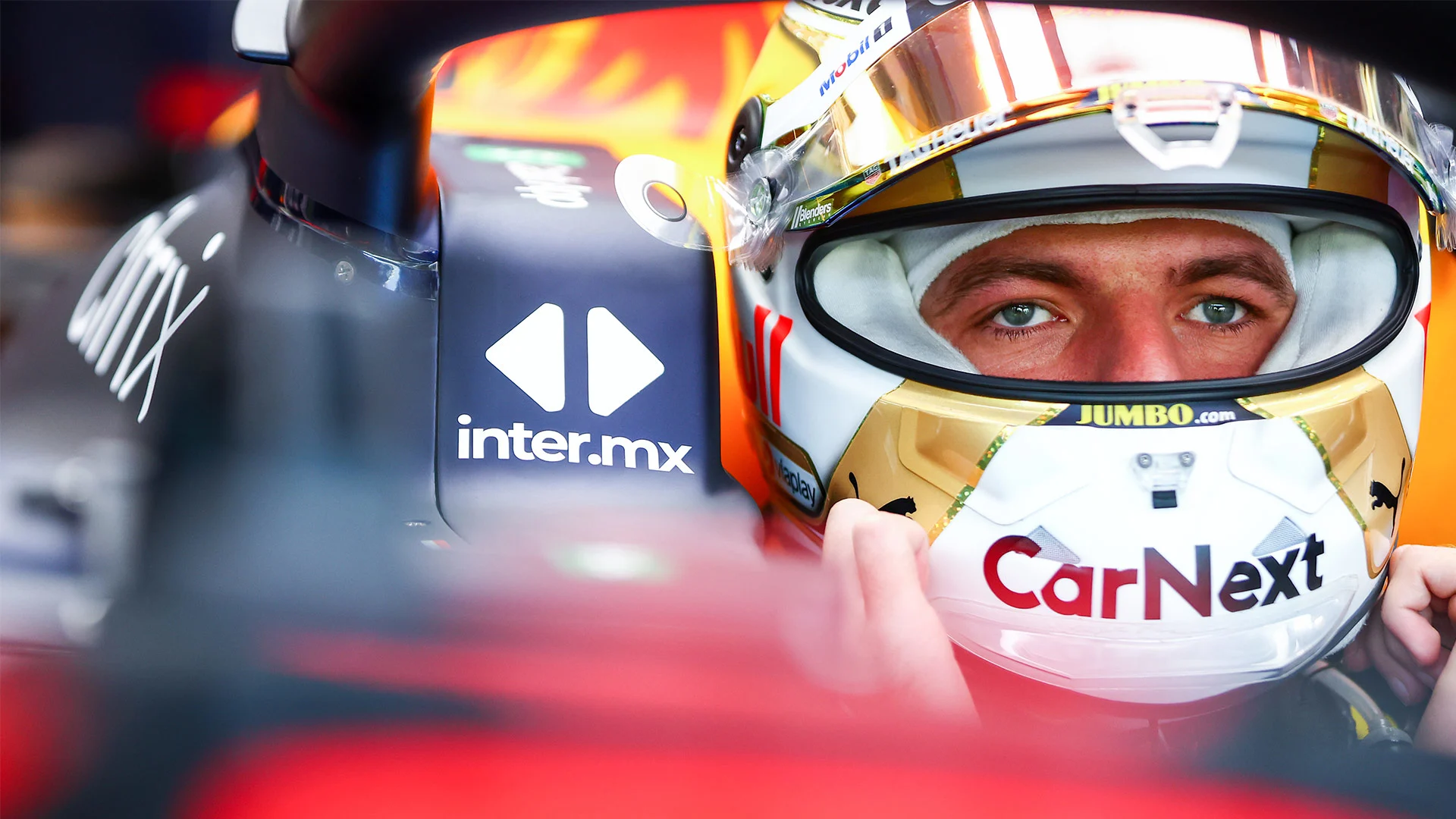
There is something almost unfair about how composed Antonelli looks at the front of the field. Chaos erupts behind him, teammates collide, penalties fly, mechanics get investigated, and the championship leader just keeps hitting his marks, lap after lap, while the gap to second place does whatever it wants. Charles Leclerc finished second for Ferrari, a strong result that will have pleased the Maranello faithful even as their other car was generating the wrong kind of headlines. Max Verstappen completed the podium in third for Red Bull, collecting solid points on a weekend when the new regulations had everyone talking.
The Spa result crystallized the season's central tension. Mercedes has the fastest package and the championship leader, and Antonelli is converting that advantage with ruthless efficiency. Behind him, the chasing pack is tripping over itself, sometimes literally. Russell's misfortunes, Hamilton's penalty, the regulatory noise, it all feeds the same narrative: the title is Antonelli's to lose, and everyone else is running out of clean weekends to take it from him.
And yet, and yet. Forty-five points feels commanding until you remember how quickly Formula 1 summers can turn. One retirement for the leader, one inspired weekend for the chaser, and the whole picture changes. Russell knows this. It is probably the only thought keeping him going through a summer that has tested him in every way the sport knows how.
The Cars Everyone Is Complaining About
As if a teammate collision and a championship swing were not enough for one Sunday, Spa also became the stage for the season's most pointed argument about the 2026 regulations themselves. The new energy-sensitive cars have been a talking point all year, but at Spa the drivers' frustration boiled over into open criticism, the kind of public complaint that makes team principals reach for their phones and the FIA reach for its statements.
Carlos Sainz questioned how the rules were ever approved in the first place, which is about as blunt as driver criticism gets. This was not the usual "the car is difficult to drive" paddock grumble. This was a direct challenge to the governance of the sport, a suggestion that the regulations now defining every Sunday were waved through without sufficient scrutiny. And Hamilton went further, suggesting that those responsible for the regulations be held accountable, language that lands like a thunderclap in a sport where drivers usually choose their words about the rulebook with extreme care.
The FIA's response came from single-seater director Nikolas Tombazis, and it was striking in its candor. Tombazis said the FIA had anticipated the problems years in advance but had been blocked from implementing fixes by governance rules requiring manufacturer support. Read that again and let the implications settle. The governing body saw the issues coming, years out, and could not act because the decision-making structure demanded backing from the very manufacturers whose interests were at stake. It is the kind of admission that explains everything and solves nothing, and it poured fuel on a debate that was already burning nicely.
This matters beyond the technical weeds because it reframes every complaint about the 2026 cars. The drivers are not just grumbling about handling. They are pointing at a structural problem in how the sport governs itself, and the FIA is, remarkably, agreeing with them about the diagnosis while explaining why the cure was out of reach. For fans, it is a rare glimpse behind the curtain of power in Formula 1, the moment when the people in charge admit the machinery of decision-making jammed at exactly the wrong time.
There is also a delicious irony in Hamilton, of all people, demanding accountability for regulations. This is a driver who has won championships under multiple rule sets, who has adapted to every era the sport has thrown at him, and who is now using his considerable platform to say the current era was mishandled. When Lewis Hamilton says the people in charge should answer for the rules, the paddock listens, whether it wants to or not.
What Comes Next
So where does all of this leave us, as the championship heads into the high summer stretch? With a leader pulling away, a challenger running out of luck, a veteran champion under fire, and a rulebook under siege. Which is to say, with Formula 1 being entirely itself.
For Russell, the task is brutally simple and brutally difficult: stop the bleeding. The talent is not in question, the car is not in question, but the momentum has turned against him in a way that can start to feel personal even when it is just probability. He needs a clean weekend, then another one, and he needs Antonelli to finally look human. None of that is impossible. All of it is hard.
For Hamilton and Ferrari, the task is damage control. A five-second penalty and a 30,000 euro fine are survivable, but the narrative around the incident is not, quite. The story of Spa, as it will be told in the weeks ahead, is the story of a champion who got it wrong on lap one, and champions are allowed very few of those before the whispers start.
And for Antonelli, the task is the easiest and the hardest in sport: keep doing exactly what he is doing. Six wins, a 45-point lead, and the serene confidence of a driver who seems to understand, at an age when most of us were still figuring out our coffee orders, that championships are won on the quiet Sundays as much as the dramatic ones.
Spa gave us drama in abundance. The rest of the season will decide what any of it meant.
FAQ
What happened between Hamilton and Russell at the Belgian Grand Prix?
On the opening lap at Spa, Lewis Hamilton's Ferrari made contact with George Russell's Mercedes at Les Combes (Turn 6). Russell was put into the gravel and retired from the race immediately. The stewards deemed Hamilton at fault and gave him a five-second time penalty, which he served at his lap-21 pit stop.
Why was Ferrari fined 30,000 euros?
Ferrari received a 30,000 euro fine in connection with the aftermath of the incident. Hamilton was also separately investigated for a pitlane infringement after contact with a mechanic, adding a second regulatory headache to Ferrari's Sunday.
Who won the 2026 Belgian Grand Prix?
Kimi Antonelli won from pole position for Mercedes, his sixth victory of the 2026 season. Charles Leclerc finished second for Ferrari and Max Verstappen was third for Red Bull.
How big is Antonelli's championship lead over Russell?
Antonelli leads his Mercedes teammate Russell by about 45 points after Spa. Russell's recent run includes P12 in Monaco after a drive-through penalty, a retirement in Canada with a power unit failure on lap 30, and the lap-one DNF at Spa.
A Note on Sources
Race results, the stewards' decisions (Hamilton's five-second penalty, Ferrari's 30,000 euro fine, and the pitlane infringement investigation), driver quotes on the 2026 regulations, and Nikolas Tombazis's response were verified against the official Formula1.com race report and cross-checked with coverage from Reuters, BBC Sport, Sky Sports, and The Race.