
By Paulina Phan, Senior Editorial Contributor | July 29, 2026
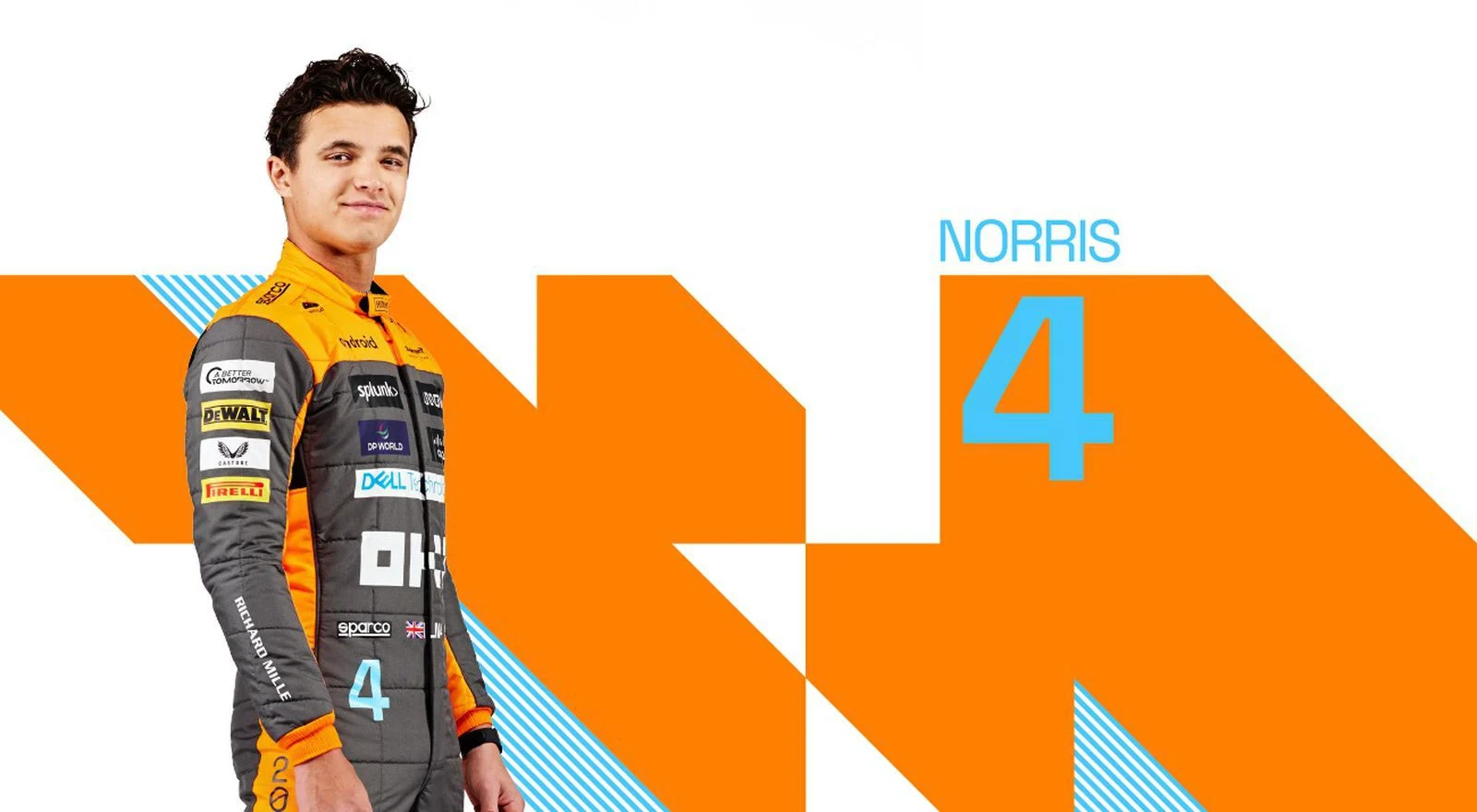
Every Formula 1 season has a fault line, the crack in the bedrock that you can feel before you can see. In 2026, the fault line runs straight through the McLaren garage, painted papaya orange on both sides. On one side stands Lando Norris, the reigning World Champion, the man with the No. 1 on his car and a victory at the Hungaroring that ended eight months of waiting. On the other stands Oscar Piastri, the paddock's most wanted driver, the man reportedly coveted by Red Bull and locked into McLaren until at least 2028, who led most of Sunday's race and lost it to cruel luck on lap 56.
What happened in Hungary was not just a race. It was an unveiling. The lap-one lunge at Turn 2, the increasingly pointed radio messages as Norris begged to be let loose, the devastating clean-air pace that followed, and then the heartbreak of Piastri's presumed gearbox failure: every element of a teammate rivalry was on display in a single afternoon, and the whole paddock watched it unfold like the season's most gripping television drama. Because that is what this is now. Not a subplot. The main event.
Here is the uncomfortable truth McLaren has to face: while its two drivers wage war on each other, Mercedes is quietly walking away with both championships. Kimi Antonelli leads the drivers' standings by about 45 points, and every papaya point spent fighting internally is a point not spent chasing the team in silver. History has seen this movie before, and it almost never ends well for the team that lets its drivers eat each other.
Budapest Laid It Bare
If you wanted to explain the Norris-Piastri rivalry to someone who had never watched a race, you would just show them the Hungarian Grand Prix. All 70 laps of it, start to finish, contained every ingredient of a teammate war in its purest form.
It began at Turn 2 on lap one. Norris had done everything right on Saturday, taking pole by 0.012 seconds, one of the tightest margins of the year, and he led cleanly into the first corner. Then Piastri, his own teammate, the man in the identical papaya car, sent a bold lunge down the inside at Turn 2 and simply took the lead. Not from a rival. From his teammate. On the opening lap. The audacity of it was breathtaking, and it set the tone for everything that followed.
What followed was the radio drama. Norris, running second, repeatedly asked the pit wall for permission to attack Piastri, and repeatedly he was held back. Lap after lap, the messages went back and forth, the reigning World Champion being told to be patient behind his teammate. You could feel the frustration building through the timing screens even without hearing the tone of voice.
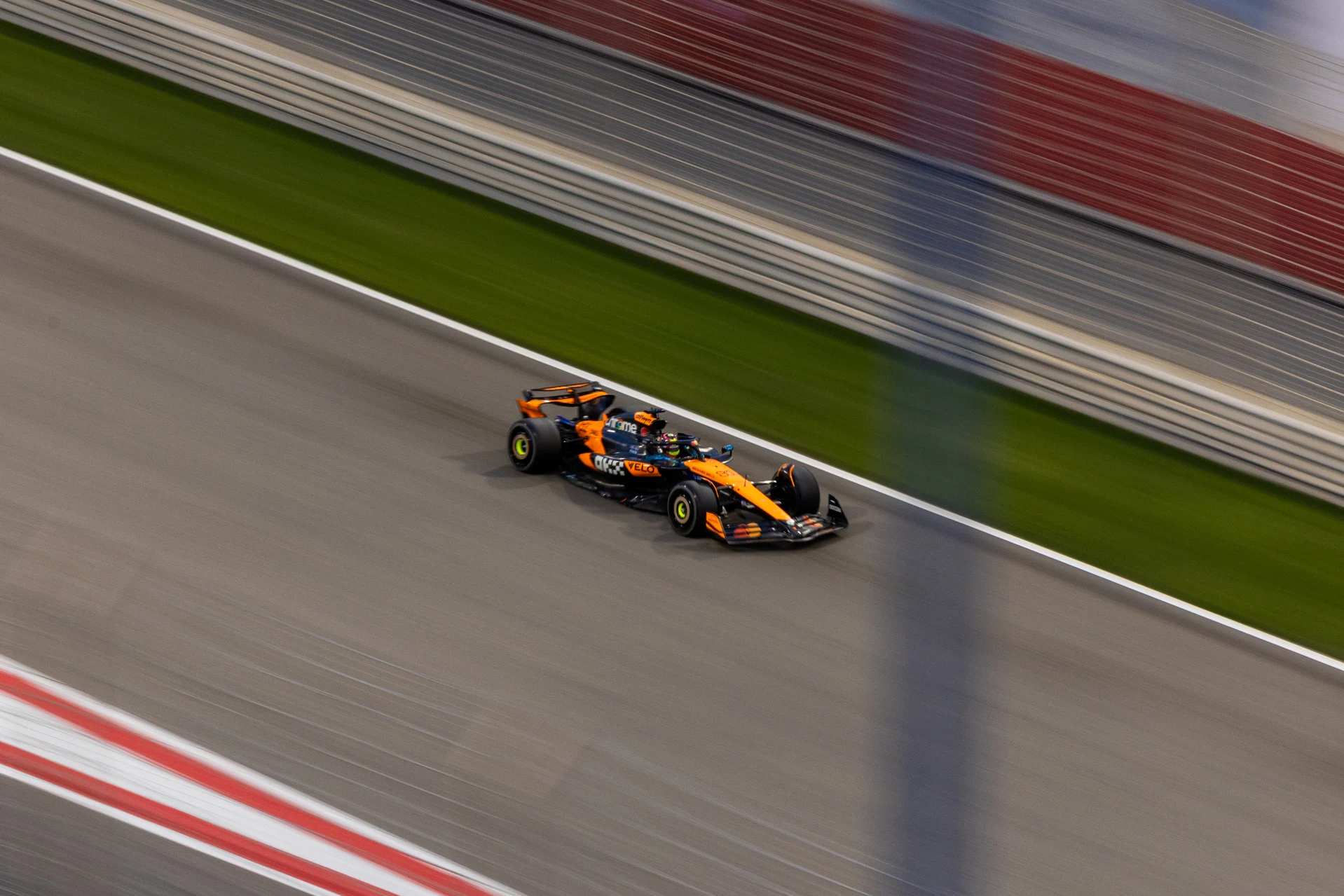
Then came the moment that changed the conversation entirely. After Piastri pitted, Norris finally got clean air, and what he did with it was extraordinary. He ran over a second per lap faster than Piastri had managed, a pace advantage so enormous that it could not be explained away by tires or traffic or fuel loads. Pundit Jolyon Palmer called it "devastating" for Piastri, and the word was perfectly chosen. There is no hiding from a delta like that. It was the on-track equivalent of a mic drop, delivered not in anger but in lap times, which in Formula 1 is the only language that truly matters.
And then the cruelest twist of all. Piastri, who had led with such composure, made contact with Carlos Sainz's lapped Williams, which was ignoring blue flags, and then retired on lap 56 with a presumed gearbox failure. The win he had controlled for so long evaporated in an instant, and Norris inherited a victory that had looked lost. The papaya garage celebrated its first win of the season and mourned its lost one-two in the same breath. If you want to understand McLaren's 2026 in a single image, it is that one: half the garage cheering, half of it staring at the timing screens in disbelief.
The Champion vs. The Wanted Man
To understand why this rivalry burns so hot, you have to understand who these two drivers are, and what they represent to each other.
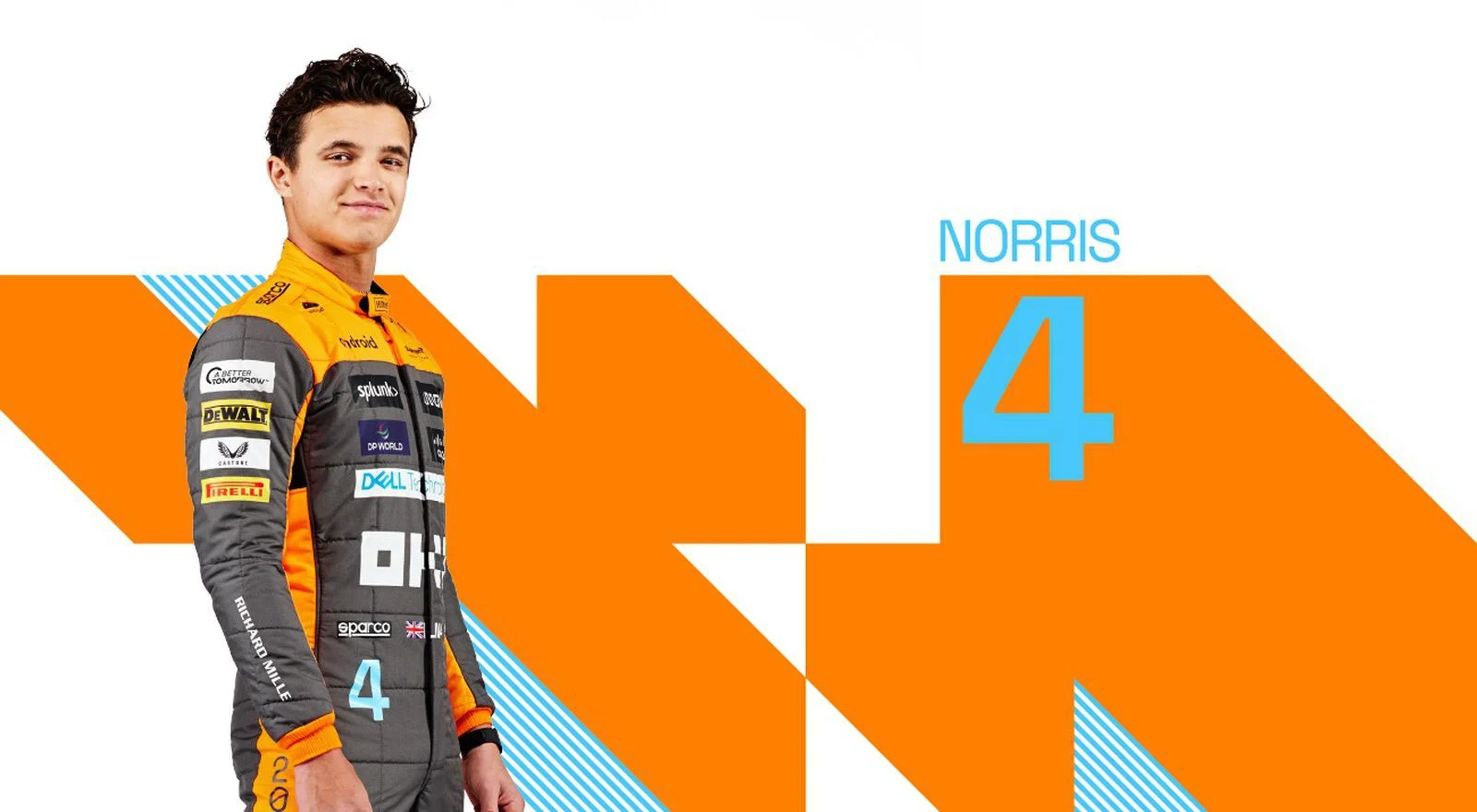
Lando Norris is the establishment. The 2025 World Champion, the man who earned the right to carry the No. 1, now a 12-time Grand Prix winner after Budapest, the driver who ended McLaren's eight-month winless streak and delivered the team's 204th victory. He is the face of the team, the marketing dream, the charismatic Brit whose every radio message becomes a meme and whose fanbase spans continents. When Norris speaks, the paddock listens, and when he wins, as he finally did again on Sunday, it feels like the natural order reasserting itself.
But here is the thing about being the establishment: everyone is coming for you, and the most dangerous challenger is the one in the identical car. Norris's 2026 before Hungary had been a slow bleed of frustration. Winless while his young rival at Mercedes racked up victories, watching the championship math drift further from his grasp with each passing weekend. The Hungary win was catharsis, but one win does not erase eight months of doubt.
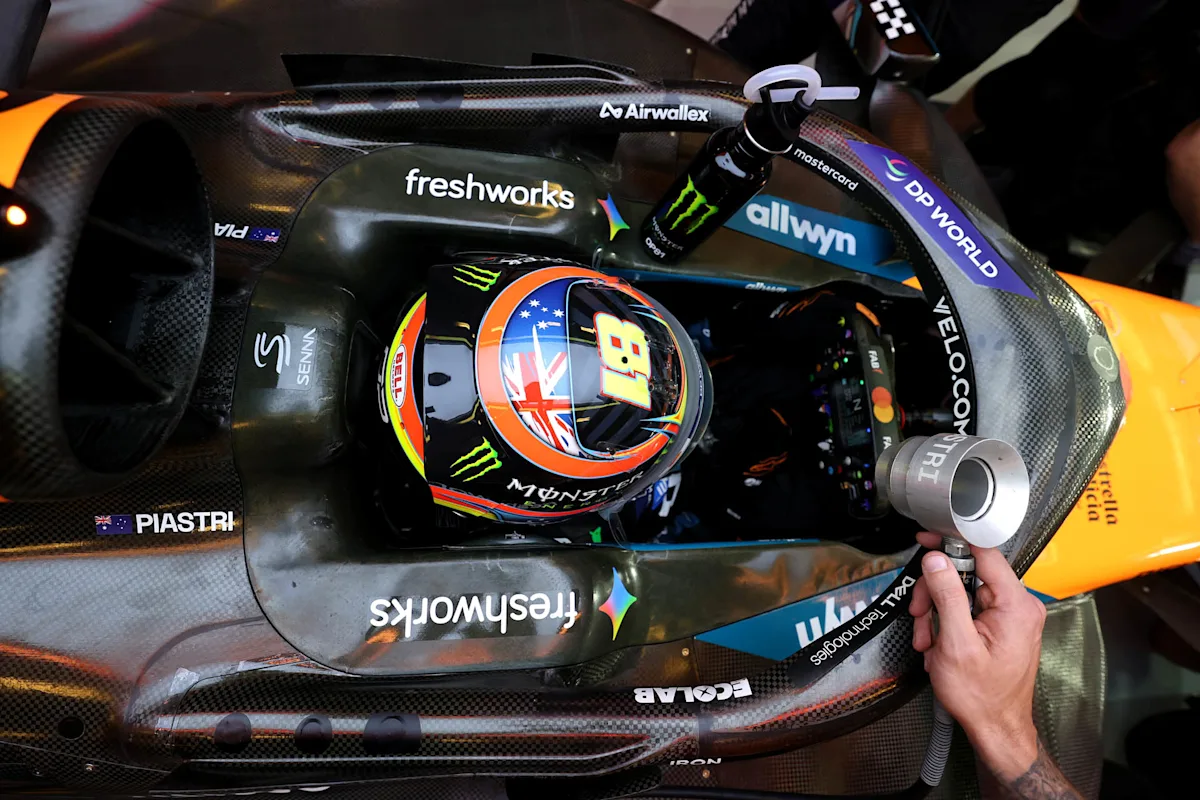
Oscar Piastri is the insurgency. The Australian is quite simply the most coveted driver in the paddock right now, reportedly targeted by Red Bull, the subject of admiring glances from every team principal with a vacancy and a checkbook. And yet he is locked into McLaren on a long-term deal running to at least 2028, which means the team that everyone wants to poach him from is the team he is contracted to, and the teammate he has to beat is the reigning World Champion. It is a deliciously complicated position, and Piastri wears it with the same unflappable calm he brings to his driving.
What makes Piastri so fascinating, and so threatening to Norris, is the completeness of his game. The lap-one lunge at Turn 2 in Hungary was not a fluke. It was the latest in a growing collection of decisive, ice-cold racecraft moments that have built his reputation as the driver least likely to be intimidated by anyone, including his own teammate. He does not do drama. He does not do radio theatrics. He just sees the gap and takes it, and then he drives away with the serene expression of a man who cannot understand what everyone is so excited about. In a sport full of performers, Piastri's stillness is its own kind of menace.
The girly-girl read on this dynamic: Norris is the popular senior who has earned every privilege and expects the respect that comes with the crown. Piastri is the brilliant new transfer student who does not care about the hierarchy and quietly makes everyone wonder if the old order was ever that solid. They are forced to share a desk, except the desk is a 1,000-horsepower racing car and the tests happen at 300 kilometers per hour in front of millions. What could possibly go wrong?
Two Number Ones, One Garage
This is the structural problem at the heart of McLaren's season, and it is one of the oldest problems in Formula 1. How do you manage two drivers who both believe, with good reason, that they should be the team's lead driver?
The conventional wisdom says you pick a number one and a number two, you write it into the contracts, and everyone knows their place. But the conventional wisdom was written for an era when the second driver accepted the role. Neither Norris nor Piastri is accepting anything. Norris has the No. 1, the title, and the seniority. Piastri has the long-term deal, the paddock's admiration, and the quiet confidence of a driver who believes his time is now, not later. McLaren's official position is that its drivers are free to race, and Budapest showed exactly what "free to race" looks like in practice: a lap-one lunge between teammates and a pit wall desperately trying to keep the peace.
The pit wall's dilemma is genuinely agonizing. Hold the faster driver back, as they did with Norris in the early laps, and you breed resentment that festers for weeks. Let them race freely and you risk the kind of contact that ends both cars' afternoons and hands Mercedes a gift-wrapped one-two. There is no right answer, only a series of wrong ones with different consequences, and every decision gets dissected in public by millions of people who have never had to make one.
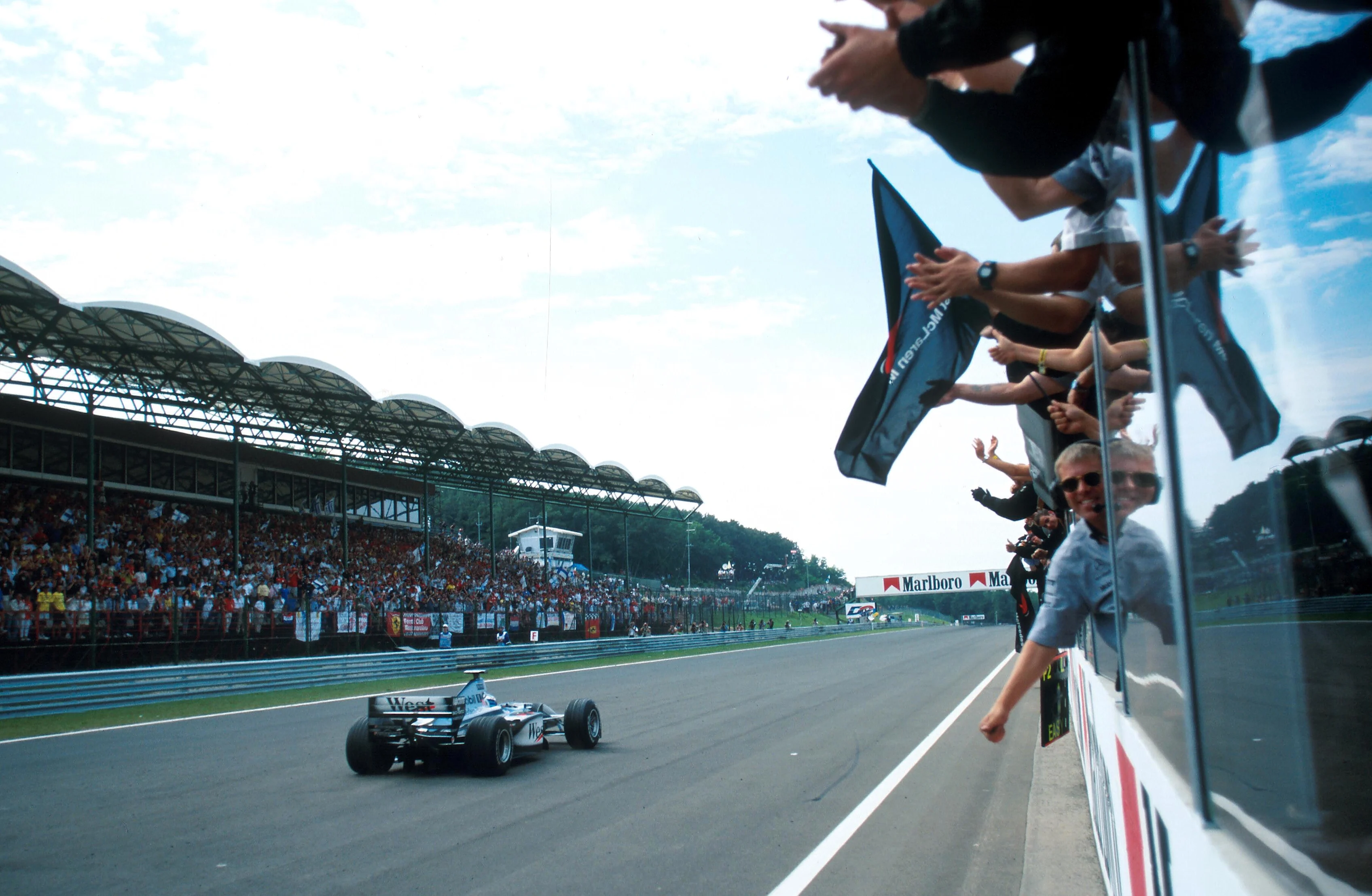
And the drivers know it. That is what makes the radio messages so loaded. When Norris asks to attack and is told no, he hears a team that does not trust his judgment. When Piastri is told his teammate is being held behind him, he hears a team managing him like a problem rather than backing him like a leader. The engineers pick sides quietly, the strategists hedge their calls, and the whole operation runs a fraction slower than a united team would. In a sport decided by hundredths of a second, that fraction matters enormously.
There is also the human cost that never appears in the data. These two men share debriefs, share motorhomes, share flights, share the strange fishbowl existence of modern Formula 1 drivers. They were, by all accounts, genuinely friendly before the stakes got this high. Rivalry does not just change the racing. It changes the small things: who sits where at dinner, whose engineer gets the upgrade first, whose side of the garage laughs a little louder on Sunday evening. Budapest did not create the tension between Norris and Piastri. It just made it impossible to pretend it was not there.
History Says This Ends One Way
Here is where we zoom out, because Formula 1 has run this experiment before, and the results are instructive, and a little ominous.
The gold standard of teammate wars is Ayrton Senna versus Alain Prost at McLaren in 1988 and 1989. Two generational talents, one dominant car, and a rivalry that escalated from frosty to volcanic. It ended, as these things so often do, in contact: at Suzuka in 1989, the two McLarens collided at the final chicane while fighting for the title, Prost retired on the spot, Senna was later disqualified, and the championship went to Prost. Teammates, champions, and a title decided by a collision. The paddock still talks about it nearly four decades later, which tells you everything about how deeply these wars scar the sport.
A more recent vintage: Lewis Hamilton versus Nico Rosberg at Mercedes in 2014, 2015, and 2016. Two drivers who had been friends since karting, put in the dominant car of the era, and slowly driven apart by the pressure of fighting each other for the sport's biggest prize. It ended at Abu Dhabi in 2016, with Rosberg beating Hamilton to the title by five points and then retiring from the sport five days later, so completely burned out by the fight that he walked away at the peak. The lesson of Hamilton-Rosberg is not just that teammate wars get ugly. It is that they consume everyone involved, winner included.
The pattern is remarkably consistent across the decades. Two elite drivers, one team, one prize: the relationship starts professional, turns frosty, then turns toxic, and the team almost always pays a price. Sometimes it is lost points from collisions. Sometimes it is a star driver walking out the door. The specifics change. The arc does not.
Now, to be fair, Norris and Piastri are not Senna and Prost, and 2026 is not 1989. The sport has more guardrails now, the teams have more sophisticated ways of managing driver dynamics, and both McLaren drivers have handled the rivalry with notable maturity so far. But the structural forces are identical, and structural forces do not care about good intentions. When two drivers of this caliber share a garage and a championship is on the line, history says the ending is rarely peaceful. McLaren's leadership would be wise to study the archives, because the archives are screaming.
Meanwhile, Mercedes Pulls Away
And here is the part of the story that should worry every McLaren fan the most. While the papaya garage wages its civil war, Mercedes is quietly, methodically, walking away with the season.
Kimi Antonelli leads the drivers' championship by about 45 points. The young Italian has been the model of consistency, winning when the car is dominant and banking podiums when it is not, exactly as he did in Hungary with third place from a compromised grid position. His teammate George Russell has had a brutal summer, but even Russell's misfortunes have not slowed the team's march. Mercedes keeps scoring, keeps executing, keeps doing the unglamorous work of championship-winning while everyone else generates headlines.
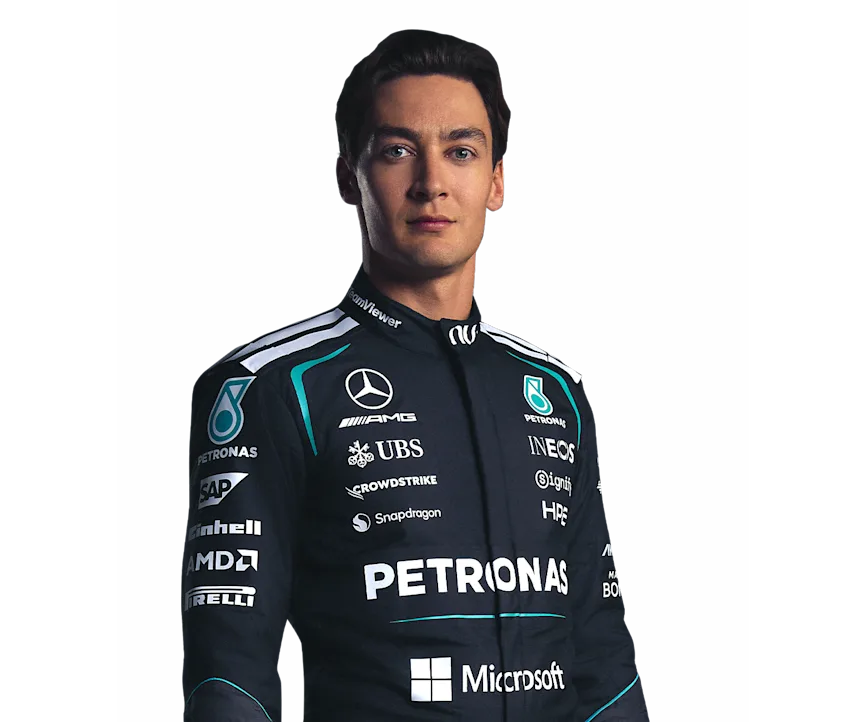
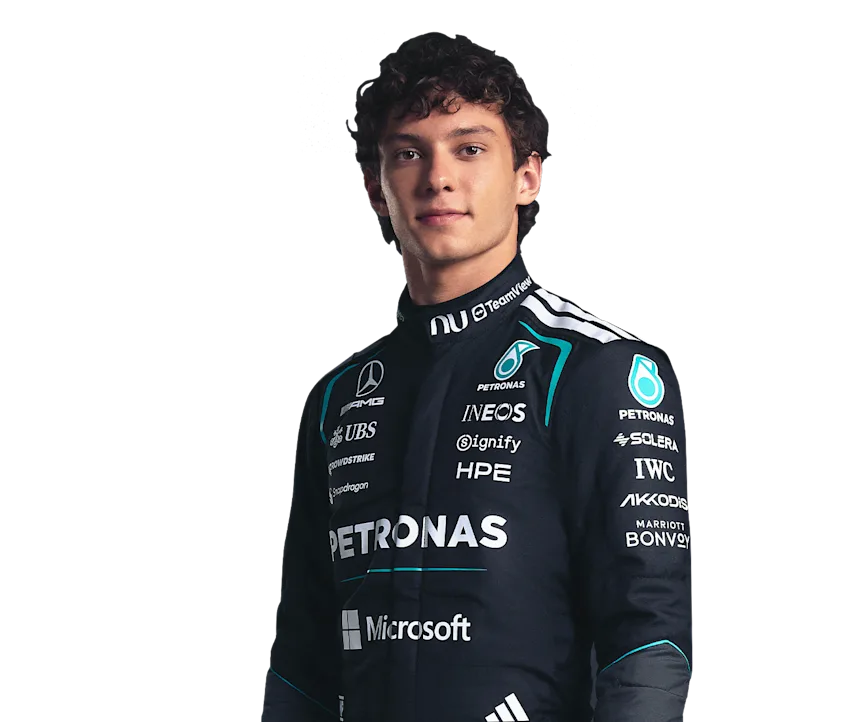
This is the great irony of McLaren's 2026. The team finally has a car capable of winning again, as Budapest proved, and its two drivers are so closely matched that they are spending their energy fighting each other instead of the actual championship leader. Every lap Norris spent stuck behind Piastri under team orders was a lap not spent hunting Antonelli. Budapest gave us glimpses of both versions of this team in a single afternoon. Which one defines the rest of 2026 is the most important question in the sport right now, and only the people in papaya can answer it.
What Happens Next
So what does the road ahead look like for Formula 1's most combustible garage? The weeks ahead will test every relationship at McLaren, and the tests are only going to get harder.
For Norris, Budapest was vindication, but vindication has a short shelf life. The reigning champion needs to turn one cathartic win into a genuine run, to prove that the devastating clean-air pace was the real Norris and not a one-afternoon wonder. He also needs to decide how hard he is willing to push against his own teammate, because the Turn 2 lunge showed that Piastri will not wait for an invitation. The champion's aura only works if the results back it up, and the wins need to keep coming.
For Piastri, Hungary was heartbreak, but heartbreak with a silver lining. He was the faster McLaren for much of the weekend, he made the bold move that defined the race, and his retirement was cruel luck rather than driver error. The paddock's most wanted driver showed exactly why everyone wants him. But he also learned that luck is not a strategy, and that leading your teammate is only useful if you finish ahead of him. The next time the two of them arrive at Turn 2 together on lap one, and there will be a next time, the stakes will be even higher.
For McLaren's leadership, the task is the hardest in the sport: manage the unmanageable. Every team principal dreams of having two elite drivers until they actually have two elite drivers. The pit wall needs a philosophy it can defend in public and enforce in private, because the current ambiguity is breeding exactly the kind of resentment that turns rivalries toxic. Clarity, consistency, and courage: that is what the moment demands.
And for the rest of us, the instruction is simple: watch. Watch the body language in the Thursday press conferences. Watch who congratulates whom on Sunday. Watch the radio messages, the pit stop timings, the debrief dynamics. The civil war in papaya is the story of the 2026 season now, and like all the great teammate wars before it, it will be decided not in a single dramatic moment but in a hundred small ones, accumulating week after week until something gives.
History says something always gives. The only question is what, and when.
FAQ
Is Oscar Piastri really leaving McLaren for Red Bull?
Piastri is reportedly targeted by Red Bull and is widely regarded as the paddock's most wanted driver, but he is locked into a long-term McLaren deal running to at least 2028. For now, the rivalry plays out inside the papaya garage, not in the driver market.
What did Jolyon Palmer say about Norris's pace in Hungary?
After Piastri pitted in the Hungarian Grand Prix, Norris ran over a second per lap faster in clean air. Pundit Jolyon Palmer called the pace display "devastating" for Piastri, underlining just how large the performance gap was between the two McLarens once Norris was unleashed.
Who leads the 2026 drivers' championship?
Kimi Antonelli leads the championship by about 45 points over his Mercedes teammate George Russell. Lando Norris's Hungarian Grand Prix victory was his first win of 2026 and McLaren's first of the season, but he remains a long way back in the points.
Can McLaren afford a teammate war while Mercedes pulls away?
That is the central strategic question of the season. While Norris and Piastri fight each other, Mercedes keeps banking points with Antonelli's metronomic consistency. History suggests teammate wars usually cost the team involved, whether through lost points, broken relationships, or both.
A Note on Sources
Race events, team radio summaries, and driver quotes referenced in this feature were verified against the official Formula1.com race reports and cross-checked with coverage from Reuters, BBC Sport, Sky Sports, and The Race. Historical material on the Senna-Prost rivalry (McLaren teammates 1988-1989, Suzuka 1989 collision and disqualification) and the Hamilton-Rosberg rivalry (Mercedes teammates, 2016 title decided at Abu Dhabi by five points, Rosberg's retirement) was verified via web search against multiple published histories.